
Lighting Guides & Tips
Damp vs Wet Rated Lighting: All Things You Need to Know
When shopping for light fixtures – especially for bathrooms, outdoor patios, or porches – you’ve likely come across terms like “damp rated” or “wet rated” lighting. But what do these ratings really mean? And more importantly, how do you know which one is right for your space?
Choosing the wrong type of lighting for high-moisture or outdoor environments can lead to rust, short circuits, or even safety hazards. On the flip side, understanding the difference between damp vs wet rated lighting ensures your lights will not only last longer but also perform safely and efficiently in the conditions they’re exposed to.
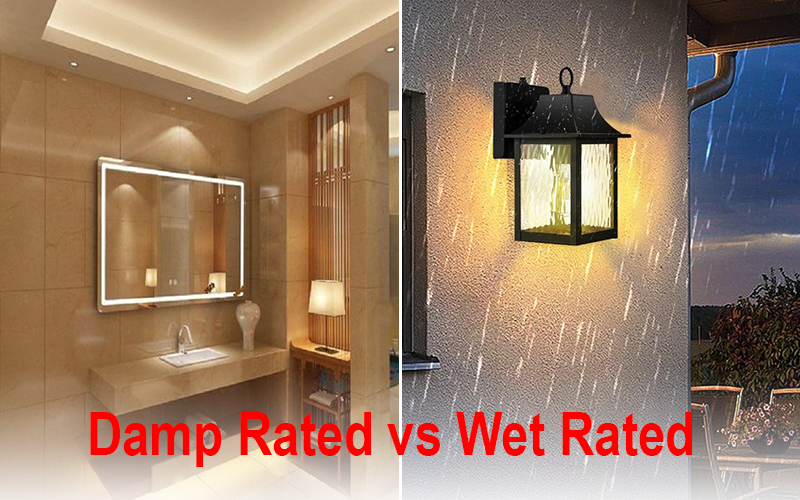
Whether you’re installing a pendant light above your bathroom vanity or picking fixtures for your backyard deck, this guide will help you make the right decision. Let’s start by breaking down what these ratings actually mean.
What Does Damp Rated and Wet Rated Mean?
Before diving into which type of lighting is best for your space, it’s important to understand the definitions of these two ratings and why they matter.
1. What is Damp Rated Lighting?
Damp rated lighting is designed for areas where moisture or humidity is present, but where the fixture won’t be directly exposed to water. That means no splashes, sprays, or rain hitting the fixture itself. Common examples of damp-rated locations include:
- Bathrooms (outside the immediate shower or tub area)
- Kitchens with poor ventilation
- Laundry rooms
- Covered porches and screened-in patios
- Basements
For instance, installing damp rated pendant lights over a bathroom vanity is a smart choice – they can handle humidity from hot showers but aren’t built for direct water exposure.
This type of lighting is also ideal in transitional spaces, like mudrooms or garages, where temperature and moisture levels fluctuate but the fixtures remain shielded from direct water contact.
2. What is Wet Rated Lighting?
Wet rated lighting is made to withstand full exposure to water. These fixtures are sealed to prevent water from getting into electrical components, making them safe for locations that are regularly splashed, rained on, or even hosed down.
You’ll find wet rated fixtures commonly used in:
- Uncovered patios and decks
- Outdoor walkways and driveways
- Pool areas
- Open gazebos and pergolas
- Showers or wet rooms with no enclosure
Because these environments present a high risk of direct water contact, wet rated light fixtures offer the best protection and longevity.
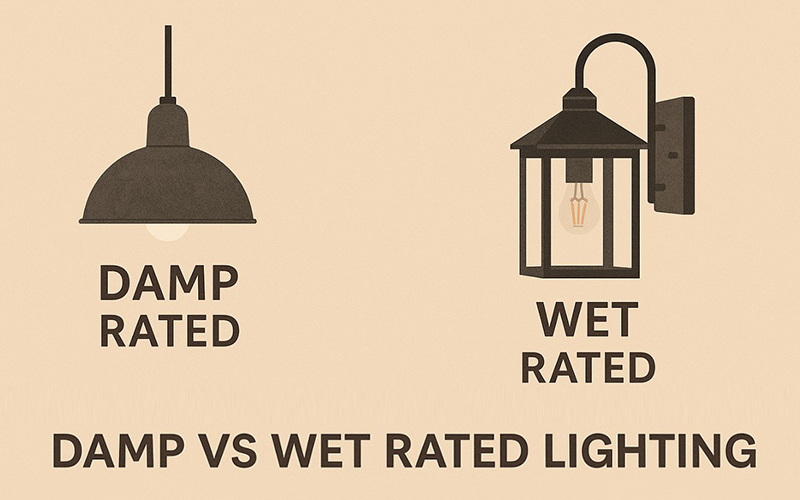
3. Damp Location vs Wet Location: What’s the Difference?
The key difference between a damp location and a wet location is the level of moisture exposure:
- Damp locations are areas where humidity, condensation, or occasional splashes may occur – but the light is protected from direct contact with water.
- Wet locations involve direct water exposure from rain, snow, or splashes, and fixtures must be completely sealed against moisture intrusion.
If you’re unsure which rating to choose, consider this rule of thumb: if the light might get rained on, go with wet rated. If it’s just in a humid or steamy environment, damp rated should be enough.
| Criteria | Damp Location | Wet Location |
|---|---|---|
| Moisture Exposure | High humidity or moisture in the air, but no direct contact with water | Direct exposure to water, such as rain, splashing, or hose spray |
| Typical Examples | Bathrooms (outside shower zone), kitchens, laundry rooms, covered porches | Open patios, pool areas, outdoor walkways, shower stalls, unsheltered entryways |
| Suitable Fixture Type | Damp rated lighting – moisture resistant, not waterproof | Wet rated lighting – fully sealed and waterproof |
| Protection Requirements | Does not require full sealing – just resistant to moisture and condensation | Requires complete sealing with gaskets or waterproof housings |
| Risk of Using the Wrong Fixture | May corrode or fail in high humidity if improperly rated | High risk of short circuit, rust, or failure if not rated for wet conditions |
4. Are Light Bulbs Rated for Damp or Wet Locations Too?
Yes, light bulbs – especially LED bulbs – can also carry damp or wet ratings. It’s important to match the bulb to the fixture’s rating. For example, if you’re installing a wet rated fixture outdoors, pairing it with a bulb that’s only suitable for dry locations can still cause performance issues or pose safety risks.
Always look for labels or manufacturer details that indicate whether a bulb is suitable for damp or wet locations, especially when installing in bathrooms or exposed outdoor areas.
Damp Rated vs Wet Rated Lighting: Key Differences
Now that you understand what each rating means, let’s take a closer look at how damp rated and wet rated lighting differ in terms of design, application, durability, and even aesthetics. These distinctions can help you avoid common mistakes – like installing the wrong fixture in an outdoor space or assuming a covered porch doesn’t need protection from moisture.
1. Water Exposure Tolerance
This is the most critical difference. Damp rated lights are built to resist humidity and indirect moisture, while wet rated lights can handle direct water contact.
- Damp Rated: Designed for areas where moisture is present but doesn’t come in direct contact with the fixture – like steam in a bathroom or mist on a covered porch.
- Wet Rated: Engineered for full water exposure, such as rainfall, splashes from a pool, or even pressure washing.
If you’re unsure whether an area like a screened porch or pergola needs wet rated fixtures, consider how often water might blow in sideways during storms or how exposed the wiring is.
2. Construction and Sealing
Wet rated fixtures are typically sealed with rubber gaskets, watertight enclosures, and corrosion-resistant finishes. They’re built to prevent any water intrusion into the electrical components.
On the other hand, damp rated fixtures offer some protection against moisture but are not sealed tightly enough to handle standing water or rain.
This difference in construction also affects the types of materials used – wet rated lights often use more rugged coatings and weather-resistant finishes to extend their life in outdoor environments.
3. Common Locations of Use
Here’s a simple breakdown of where each type of lighting is most commonly used:
| Location | Recommended Rating |
|---|---|
| Covered porch | Damp rated (if fully shielded) |
| Open deck or balcony | Wet rated |
| Bathroom ceiling (away from shower) | Damp rated |
| Shower enclosure or wet room | Wet rated |
| Kitchen or laundry room ceiling | Damp rated |
| Gazebo with no walls | Wet rated |
| Poolside or garden path lighting | Wet rated |
If you’re installing damp rated pendant lights in a bathroom, they’ll be perfect above a vanity or center ceiling fixture – but not inside the shower.
4. Safety and Code Compliance
Many building codes – especially in states with high humidity or coastal environments – require specific ratings for light fixtures in bathrooms and outdoor spaces. Using the wrong rating can not only result in premature failure but may also violate local safety standards.
Wet rated fixtures often carry more certifications, such as UL or ETL listings, that confirm their suitability for challenging environments.
5. Style, Design & Availability
While damp rated lights are available in a wide range of stylish indoor designs, wet rated lighting has come a long way in recent years. You can now find beautiful, weatherproof wall sconces, pendant lights, and even chandeliers that don’t sacrifice aesthetics for function.
From rustic farmhouse lanterns for outdoor entryways to sleek, modern sconces for walkways, wet rated light fixtures can enhance curb appeal while staying safe and reliable.
6. Cost Considerations
Generally speaking, wet rated lights are slightly more expensive due to their enhanced sealing, materials, and construction. However, the added durability is often worth the investment – especially for areas prone to rain, snow, or hose-down cleaning.
For indoor applications where there’s no risk of water contact, damp rated options provide a cost-effective alternative.

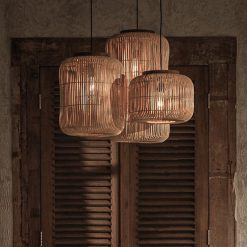
Rattan Pendant Light
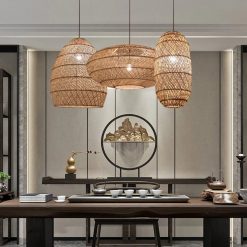
Rattan Pendant Light
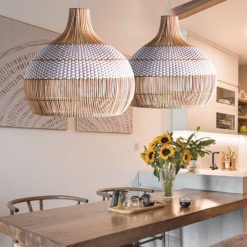
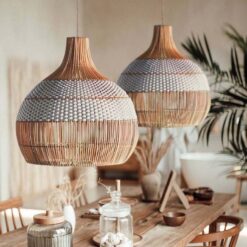
Rattan Pendant Light
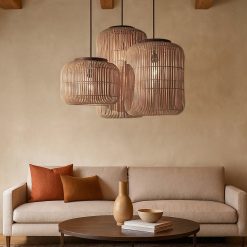
Rattan Pendant Light
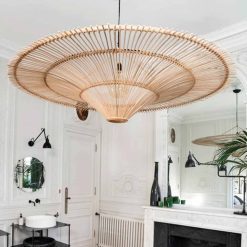

Rattan Pendant Light
Real-Life Applications of Damp and Wet Rated Lighting
Understanding technical differences is important – but what really matters is how these ratings translate into real-world usage. Whether you’re renovating a bathroom, designing an outdoor entertaining area, or simply replacing a ceiling fixture, using the correct rating ensures long-term performance and safety.
Let’s break down the most common spaces in and around the home and which rating is right for each.
1. Bathrooms: Know Your Zones
Bathrooms are tricky because they combine both high humidity and potential water spray. Depending on the exact location, either damp or wet rated lighting may be appropriate:
- Over the vanity (but outside the splash zone):
Damp rated fixtures are usually fine here. A stylish damp rated pendant light or wall sconce will handle the moisture without issue. - Above the shower or inside a wet room:
Wet rated lighting is required. Water exposure from direct spray or steam buildup makes this area too risky for damp rated fixtures.
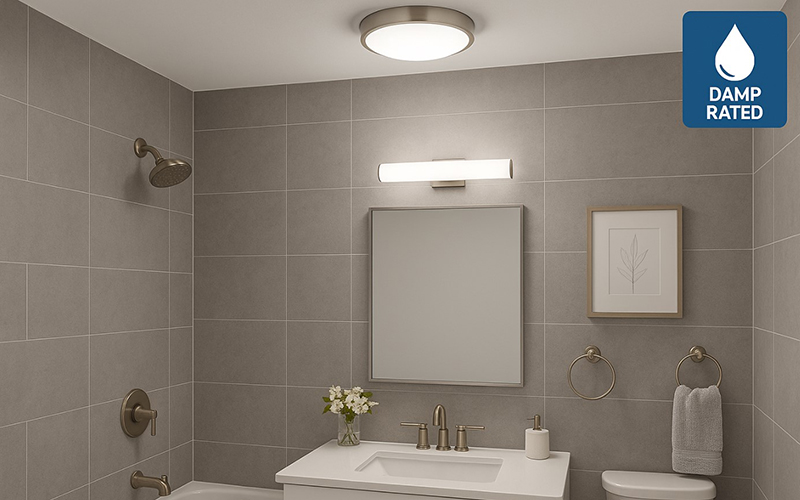
Tip: If you’re unsure, always err on the side of caution and choose wet rated for shower zones – some local building codes even require it.
2. Kitchens & Laundry Rooms
These rooms tend to be hot, humid, and prone to occasional splashes or steam.
- Ceiling fixtures and undercabinet lights in kitchens:
Damp rated lights are ideal, especially near stovetops or dishwashers. - Laundry room ceiling or wall lights:
Damp rated fixtures provide enough protection for fluctuating moisture levels caused by dryers or poor ventilation.
3. Covered Outdoor Spaces
Just because there’s a roof overhead doesn’t mean you’re in the clear. Humidity, windblown rain, and temperature changes all impact lighting performance.
- Covered porches, screened-in patios, and gazebos with a roof:
Damp rated lighting works well as long as the fixture is protected from direct water contact. - Ceiling fans with lights on a covered deck:
Look for damp rated ceiling fan lights designed specifically for semi-outdoor use.
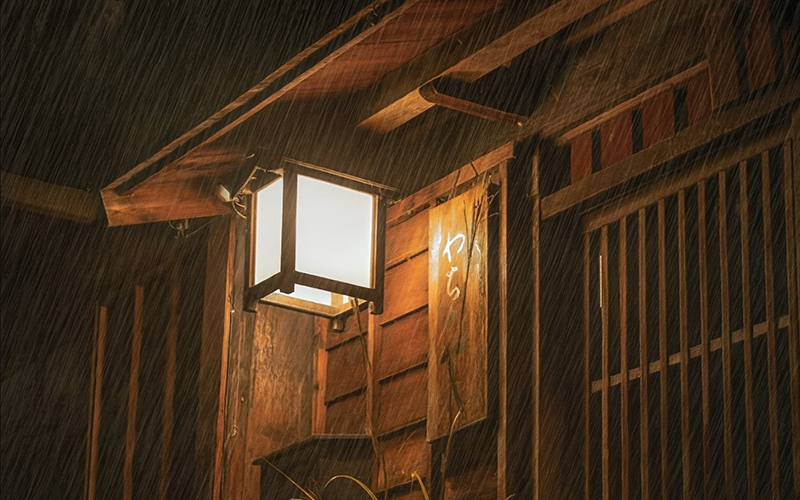
4. Fully Exposed Outdoor Areas
If the fixture is exposed to the elements without any shielding – think open-air patios or exterior walls – it must be wet rated.
- Entryway or garage wall lights (no overhang):
Wet rated wall sconces are a must. - Landscape lighting, garden posts, and driveway lights:
These fixtures endure full weather exposure and need a wet rated build. - Poolside lighting or deck lights near sprinklers or hose-down zones:
Always go with wet rated here – even if water contact seems occasional.
5. Transition Zones & Gray Areas
What about spaces that seem to fall in between? Here’s a quick decision guide:
- Pergola with open slats or lattices:
Go with wet rated. Rain and condensation will still reach the fixtures. - Sunroom with sliding doors and high humidity:
Damp rated is likely fine unless there’s water spray from a nearby hose or fountain. - Uninsulated garages or workshops:
Damp rated lights offer protection from condensation, but consider wet rated if water spills or rain exposure are frequent.
By thinking carefully about how much water or moisture a light fixture might encounter, you can avoid early failure, rusting, and electrical risk – while also staying in compliance with local building codes.
Frequently Asked Questions When Choosing Damp or Wet Rated Fixtures
Even with a good understanding of moisture ratings, many homeowners still have questions – especially when trying to decide which fixture is best for a specific space. Here are some of the most common questions people ask before making a purchase:
1. Can I use a damp rated light outdoors?
Yes – only in covered outdoor areas that are fully shielded from rain and direct water contact. Think screened-in porches, under roof eaves, or breezeways. If water can splash or drip directly onto the fixture, it’s better to go with a wet rated option.
2. Can I use a wet rated fixture indoors?
Absolutely. Wet rated fixtures offer extra protection and durability, even if direct water exposure isn’t expected. In fact, many people use wet rated recessed lights or ceiling fixtures inside showers or steam rooms for added peace of mind. They’re also a smart option in high-moisture indoor environments like saunas or spa-style bathrooms.
3. What happens if I use the wrong type of lighting?
Using a damp rated light in a wet location can lead to serious issues:
- Rust and corrosion
- Electrical failure or short circuiting
- Void manufacturer warranties
- Potential safety hazards
While it might work temporarily, it’s not worth the risk – especially in areas where moisture is unavoidable.
4. Are all LED lights damp or wet rated?
Not necessarily. While many LED fixtures are designed for moisture-prone areas, you still need to check the product label or specifications. Look for clear markings like “suitable for damp locations” or “suitable for wet locations.” The same goes for LED bulbs – match the bulb rating to the fixture and the environment.
5. How can I tell if a fixture is damp or wet rated?
Most lighting products in the U.S. will carry a UL (Underwriters Laboratories) or ETL (Intertek) certification that specifies their moisture rating. You’ll usually find this information:
- On the product label
- In the installation manual
- In the online product description
Look for terms like:
- “Suitable for damp locations”
- “Wet location rated”
- “UL listed for wet location”
- “ETL listed for damp location”
If it’s not stated clearly, check with the manufacturer or avoid using the product in moisture-prone areas.
6. Do building codes require specific moisture ratings?
Yes – especially for bathrooms, outdoor spaces, and garages. While codes vary by state and municipality, many local regulations require wet rated fixtures in showers and outdoor fixtures in exposed locations.
If you’re working with an electrician or contractor, ask them to confirm which ratings meet code for your project.
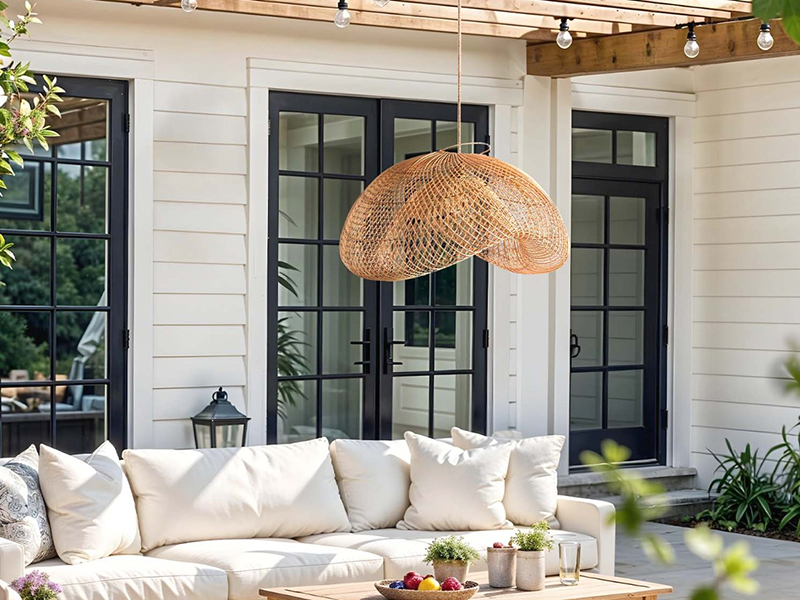
7. Can Rattan or Bamboo Lighting Be Used in Damp Areas?
Rattan and bamboo lights bring a warm, natural charm to any space – but it’s important to remember that these woven materials are not naturally moisture-resistant. In well-ventilated bathrooms or covered outdoor areas, you can safely use damp-rated rattan lighting – as long as it’s kept away from direct rain, splashing water, or constant steam.
If you love the look of rattan light and want to use them in damp areas, choose rattan shades that have been sealed with anti-mold paint coatings and pair them with moisture-resistant electrical fittings. With the right setup, handcrafted bamboo or rattan lighting can be both beautiful and safe in slightly damp environments.
Moisture Ratings and Lighting Certifications
When shopping for lighting – especially for bathrooms, outdoor spaces, or anywhere moisture is involved – it’s essential to go beyond style and wattage. Understanding a fixture’s safety certifications ensures that you’re choosing a light that’s built for your environment and complies with building codes.
Two of the most widely recognized certifications in the United States are UL (Underwriters Laboratories) and ETL (Intertek Testing Services). These independent testing organizations evaluate electrical products for safety, durability, and environmental suitability.
1. What Is UL Listing?
A UL Listed light fixture means it has been tested and approved by Underwriters Laboratories to meet strict safety standards. You’ll often see one of the following phrases associated with lighting:
- “UL Listed for Dry Locations”
- “UL Listed for Damp Locations”
- “UL Listed for Wet Locations”
Each listing corresponds to the environment the fixture is rated for. Wet listed fixtures, for example, have been verified to resist direct water exposure without compromising electrical safety.
2. What Is ETL Listing?
ETL (Intertek) is another recognized testing lab that certifies products to the same safety standards as UL. While the logo may look different, an ETL Listed fixture is just as trustworthy and compliant.
Like UL, ETL will also specify moisture suitability:
- “ETL Listed for damp locations”
- “ETL Listed for wet locations”
Both UL and ETL listings are accepted by inspectors and building departments across the U.S.
3. How to Read Lighting Labels and Product Descriptions
When buying fixtures online or in-store, look for moisture-related labels either:
- On the product box
- In the technical specs
- In the installation guide
- On the manufacturer’s website
If the product doesn’t clearly say “damp rated” or “wet rated,” don’t assume – it may only be suitable for dry indoor use. And just because a fixture is advertised for “outdoor use” doesn’t automatically mean it’s safe for wet environments unless explicitly rated as such.
4. Matching Bulbs with Fixtures
It’s not just the fixture that matters. Your light bulbs must also be rated for the environment they’re used in. This is especially important when using LED bulbs in enclosed or damp-rated fixtures. A mismatch could lead to:
- Premature failure
- Dimming issues
- Voided warranties
- Potential safety risks
Make sure both the bulb and fixture are labeled for the same environment – either damp or wet.
5. Buying Tip: When in Doubt, Go Higher
If you’re ever unsure whether your space counts as damp or wet, or if you’re installing in a borderline area (like a pergola, outdoor shower, or coastal climate), it’s always safest to choose a wet rated fixture. It will offer greater protection and peace of mind – especially in areas where weather or water exposure is unpredictable.
Style & Design Tips for Damp and Wet Rated Lighting
One common concern homeowners have when shopping for moisture-rated fixtures is whether they’ll have to sacrifice style for function. The good news? You don’t have to. Today’s damp rated and wet rated light fixtures come in a wide range of styles – from sleek modern to rustic farmhouse – that blend beautifully with any décor.
Here’s how to find lighting that’s both safe and stylish for moisture-prone areas:
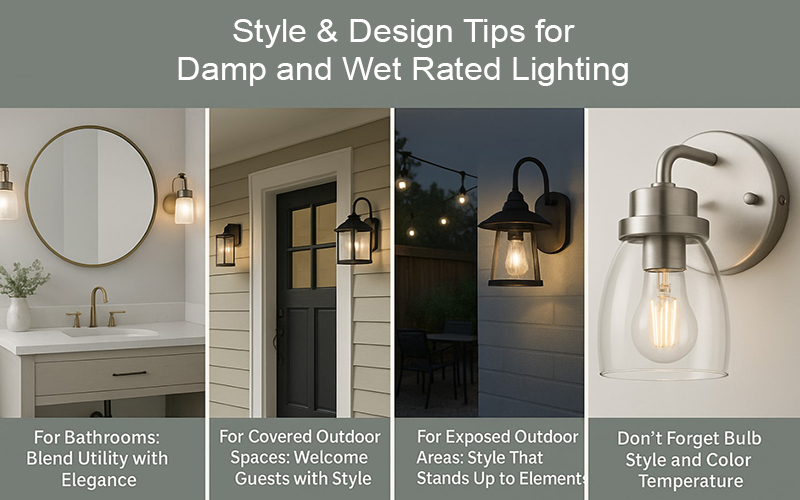
1. For Bathrooms: Blend Utility with Elegance
In bathroom design, lighting serves both practical and aesthetic roles. With the right damp rated lights, you can achieve both.
- Damp rated pendant lights over a vanity add vertical elegance and are perfect for bathrooms with higher ceilings.
- For smaller bathrooms, consider flush-mount or semi-flush damp rated ceiling lights with frosted glass for soft diffusion.
- To create a spa-like feel, choose fixtures with warm finishes like brushed brass or matte black that pair well with stone, tile, or wood.
And don’t forget about mirror lighting – damp rated LED sconces or linear lights offer flattering illumination while resisting steam and humidity.
2. For Covered Outdoor Spaces: Welcome Guests with Style
Your front porch or patio sets the tone for your entire home. Damp rated wall sconces and pendant lights are perfect for covered entryways or screened-in areas.
Design tips:
- Choose lantern-style sconces for a timeless, classic look.
- Go coastal with weathered zinc or aged bronze finishes.
- Prefer a modern vibe? Look for damp rated fixtures with clean lines and opal glass for a soft, contemporary glow.
Matching your lighting finish to other outdoor hardware – like door handles, house numbers, or railings – helps create a cohesive exterior look.
3. For Exposed Outdoor Areas: Style That Stands Up to the Elements
Thanks to modern design innovation, wet rated lighting no longer looks purely utilitarian. You’ll find a wide variety of stylish options built for direct exposure to rain, snow, and sun.
- Wall-mounted wet rated sconces can add architectural interest to garages, garden walls, or outdoor showers.
- For patios or pergolas, wet rated string lights or outdoor chandeliers bring ambiance to evening gatherings.
- Add wet rated recessed lights under roof eaves or soffits for subtle uplighting and added security.
When shopping for wet rated lighting, look for keywords like “all-weather,” “sealed,” or “coastal rated,” especially if you live near the ocean.
4. Don’t Forget Bulb Style and Color Temperature
Choosing the right fixture is only part of the equation. For a polished look and comfortable feel:
- Use warm white LED bulbs (2700K–3000K) in bathrooms and living spaces for a cozy glow.
- In outdoor areas, opt for neutral white (3000K–4000K) for visibility and ambiance.
- For vintage or rustic settings, pair fixtures with damp or wet rated Edison-style bulbs for decorative charm.
Just be sure all bulbs match the fixture’s moisture rating – yes, even decorative ones!
5. Layer Your Lighting for Beauty and Function
In both indoor and outdoor moisture-prone areas, the best lighting schemes combine ambient, task, and accent lighting:
- Ambient: ceiling fixtures or wall sconces
- Task: vanity lights, mirror lights, or focused pendants
- Accent: step lights, uplighting, or hanging lanterns
This approach ensures every area is well-lit and inviting, while also highlighting architectural features or landscaping.
Maintenance and Longevity Tips for Damp & Wet Rated Fixtures
Even the most durable light fixtures require a little care to keep them looking great and working safely – especially in areas where moisture, humidity, and outdoor exposure are part of daily life. Whether you’re dealing with damp bathroom air or unpredictable outdoor weather, regular maintenance will extend the life of your lighting and protect your investment.
Here are simple, effective ways to maintain your damp and wet rated fixtures:
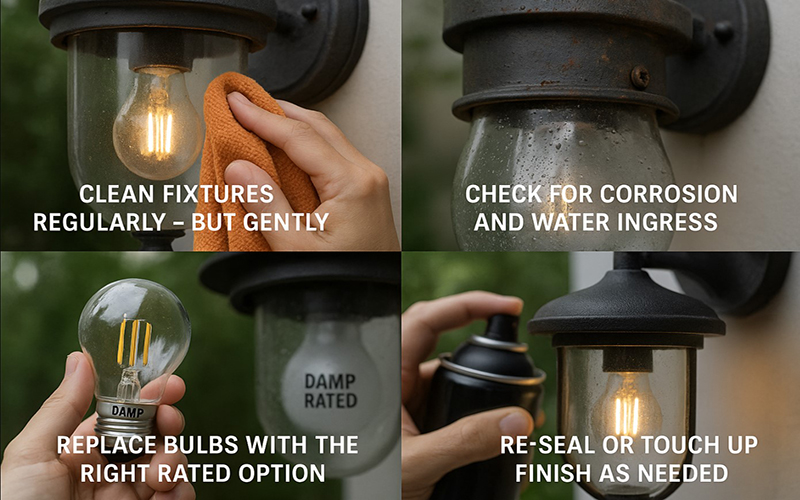
1. Clean Fixtures Regularly – But Gently
Moisture-rated lights often accumulate dust, mineral residue, or insect debris faster than lights in dry areas.
- Indoor damp rated fixtures (like bathroom sconces or laundry room pendants) should be wiped down monthly with a soft, dry or slightly damp microfiber cloth.
- Outdoor wet rated fixtures may need more frequent cleaning, especially after storms. Use a cloth with mild soap and water – but never immerse or spray water directly into the fixture housing.
Avoid abrasive cleaners or scouring pads, which can damage protective finishes or loosen seals.
2. Check for Corrosion and Water Ingress
Even though these fixtures are built for moisture, it’s a good idea to inspect them periodically:
- Look for signs of rust or discoloration, especially on metal parts or around screws.
- If you see fogging or condensation inside the glass, the fixture’s seal may be compromised.
- Tighten any loose mounting hardware to prevent gaps where water could seep in.
Addressing small issues early prevents bigger problems down the road.
3. Replace Bulbs with the Right Rated Option
If a bulb burns out or dims over time, always replace it with a new one that matches the fixture’s moisture rating. Not all bulbs are made for damp or wet conditions, and using the wrong one could:
- Shorten lifespan
- Cause flickering or buzzing
- Increase the risk of failure or fire
When in doubt, choose damp rated bulbs for indoor fixtures and wet rated bulbs for exposed outdoor setups.
4. Re-seal or Touch Up Finish as Needed
Outdoor conditions – especially in coastal or snowy areas – can wear down paint, finishes, and gaskets over time.
- Use clear outdoor-rated sealant spray to refresh exposed metal surfaces.
- Apply touch-up paint that matches the fixture’s finish to prevent rust.
- Replace worn gaskets or rubber seals with manufacturer-recommended parts if they become brittle or cracked.
These small touch-ups go a long way toward preserving appearance and performance.
5. Protect Fixtures from Extreme Conditions
While wet rated lights are tough, a little extra protection helps:
- During winter, brush snow and ice off fixtures regularly to reduce weight and moisture buildup.
- In high-salt coastal environments, rinse outdoor fixtures gently with fresh water every few months to prevent corrosion.
- Use light shields, overhangs, or canopies where possible to minimize exposure to direct rain and sunlight.
Taking these steps will help your damp and wet rated lighting perform at its best – year after year. Good maintenance isn’t just about longevity – it’s also about safety, energy efficiency, and preserving the look and feel of your space.
Common Mistakes to Avoid When Choosing Damp or Wet Rated Lighting
Even with the right intentions, it’s easy to make costly or inconvenient mistakes when shopping for moisture-rated fixtures. From misjudging exposure levels to overlooking product details, these common errors can lead to poor performance, premature wear – and sometimes even safety hazards.
Here’s what to watch out for:
1. Using Damp Rated Fixtures in Wet Locations
This is the most frequent and problematic mistake. Damp rated lights are not designed for direct water contact. Installing one where rain, spray, or heavy condensation is likely – like near a pool, shower, or uncovered patio – can result in:
- Electrical short circuits
- Rust and corrosion
- Flickering or bulb failure
- Voided warranties and code violations
When in doubt, go with wet rated – especially in unpredictable climates.
2. Assuming “Outdoor Use” Automatically Means Wet Rated
Many people assume that if a product is labeled “for outdoor use,” it must be wet rated. That’s not always the case.
Some outdoor fixtures are only safe for covered areas, like porches or eaves. Always look for clear labels that say “wet location rated” before installing lights in fully exposed settings like open patios or entryways with no overhang.
3. Ignoring the Fixture’s Location During Design Planning
You might fall in love with a beautiful pendant or sconce – only to realize later that it’s dry rated or not appropriate for where you want to install it.
Before you shop, map out your lighting zones and determine which ones are exposed to moisture. That way, you’ll be focused on safe, functional options from the start – without compromising on style.
4. Forgetting to Match the Bulb to the Fixture Rating
Even if your fixture is wet or damp rated, using a standard dry-rated bulb can lead to:
- Water damage to the bulb
- Safety issues or poor lighting performance
- Shortened lifespan of the entire setup
Check that both the fixture and the bulb are rated appropriately for the space.
5. Overlooking Local Building Codes
Some areas – especially in coastal regions or high-humidity zones – have strict codes for lighting in bathrooms, garages, and outdoors. For example, many codes require wet rated fixtures in shower ceilings, even if they’re shielded.
If you’re unsure, ask your contractor or electrician. Better safe than sorry – and better to pass inspection the first time.
6. Choosing Based on Price Alone
Wet rated fixtures may cost a bit more than their damp rated counterparts, but trying to save money by using the wrong rating often ends up being more expensive in the long run.
Moisture damage can ruin fixtures prematurely, create safety hazards, and lead to costly replacements. Always prioritize safety and durability first – then style and price.
7. Skipping Regular Maintenance After Installation
Even the best-rated fixture can fail early if it’s neglected. Once installed, some homeowners assume their lighting is “set and forget.”
As covered in the previous section, routine care is key – especially for outdoor wet rated fixtures exposed to rain, snow, or salt air.
Avoiding these mistakes will save you time, frustration, and money – while ensuring that your lighting setup is safe, code-compliant, and long-lasting.
Conclusion: Choose the Right Lighting, Stay Safe and Stylish
Moisture-rated lighting isn’t just a technical detail – it’s a smart investment in the safety, longevity, and style of your home. Whether you’re refreshing your bathroom, upgrading your backyard lighting, or building from scratch, understanding the difference between damp rated and wet rated lighting helps you avoid costly mistakes and ensures every fixture performs as beautifully as it looks.
Here’s a quick recap:
- Damp rated fixtures are perfect for humid but protected areas – like bathrooms, kitchens, covered porches, and laundry rooms.
- Wet rated fixtures are essential for spaces exposed to direct water – like open patios, pool areas, uncovered entries, or inside shower enclosures.
- Always check for trusted certifications like UL or ETL listings, and pair fixtures with properly rated bulbs.
- Maintain your lights regularly to protect your investment and preserve their finish and function.
Ready to Upgrade Your Lighting?
At VietShopDesign, we specialize in woven rattan and bamboo lighting that brings warmth, texture, and character to any space.
👉 Browse our collection now to find lighting that matches your design and stands up to the elements.

Read more articles
25+ Bedroom Floor Lamp Ideas to Brighten & Elevate Your Space
Bedroom floor lamp ideas offer one of the simplest and most stylish ways to elevate [...]
Oct
Best Laundry Room Lighting Ideas for a Brighter, Cleaner Space
Laundry Room Lighting Ideas focus on turning one of the hardest-working spaces in your home [...]
Sep
20+ Guest Bedroom Lighting Ideas for a Warm, Welcoming Space
Guest bedroom lighting ideas focus on creating a warm, welcoming, and comfortable environment for anyone [...]
Sep
Best Study Room Lighting Ideas for a Bright and Focused Space
A well-designed study room is more than just a desk and a chair – it’s [...]
Sep
20+ Master Bedroom Lighting Ideas for a Modern, Elegant Space
Master bedroom lighting ideas go far beyond simply choosing a ceiling fixture. A master bedroom [...]
Sep
10 Home Office Lighting Ideas for a Bright, Productive Workspace
The home office has become one of the most important rooms in modern living. Whether [...]
Aug
How to Fix Eye Strain from Bad Home Office Lighting
You take screen breaks. You’ve adjusted your monitor brightness. You even bought blue-light glasses. And [...]
Aug
25+ Bedside Pendant Light Ideas for a Stylish Modern Bedroom
Bedside Pendant Light Ideas are becoming increasingly popular as homeowners look for smarter, more stylish [...]
Aug
Best Entryway Lighting Ideas to Brighten Your Entry Space
Your entryway sets the tone for your entire home – it’s the first space guests [...]
Aug
30+ Bedroom Pendant Light Ideas for a Stylish, Well-Lit Retreat
Bedroom Pendant Light Ideas can instantly elevate the atmosphere of your room, adding height, character, [...]
Aug
25+ Bedroom Ceiling Light Ideas to Transform Your Room
Bedroom Ceiling Light Ideas play a key role in creating a space that feels bright, [...]
Aug
How to Master Bedroom Lighting Ideas Like a Pro
Finding the right bedroom lighting ideas can completely transform the mood, comfort, and functionality of [...]
Jul
Explore our collections
Rattan Pendant Light
100 Products
Bamboo Pendant Light
39 Products
Fabric Pendant Light
44 Products
Wood Pendant Light
9 Products
Rope Pendant Light
18 Products
Rattan Wall Sconce
6 Products
Rattan Table Lamp
9 Products
Rattan Floor Lamp
9 Products