
Natural Materials & Craftsmanship
What Is Hemp Rope and How Is Hemp Rope Made?
What is hemp rope? This question has become increasingly common as more people look for natural, durable, and eco-friendly materials for home décor, crafting, gardening, and everyday use. Hemp rope – often referred to as natural hemp rope – is widely valued for its strength, rustic beauty, and sustainable origin. Its popularity has grown rapidly, especially among DIY creators, interior designers, and homeowners seeking authentic, environmentally friendly alternatives to synthetic products.
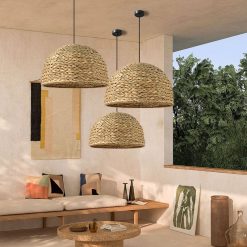
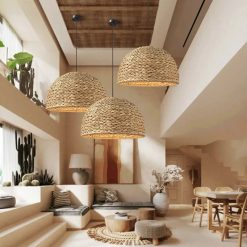
Rope Pendant Light
Woven Water Hyacinth Hanging Light – Organic Modern Ceiling Fixture
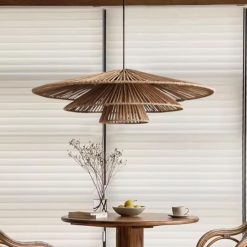
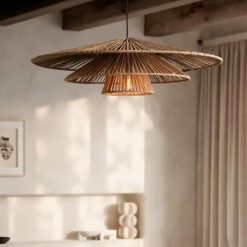
Rope Pendant Light
Rope Pendant Light
Rope Pendant Light

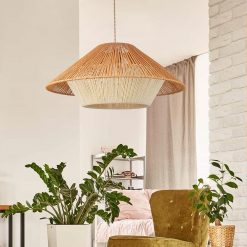
Rope Pendant Light
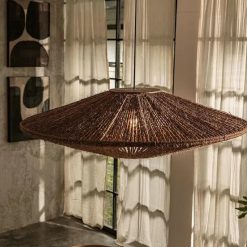
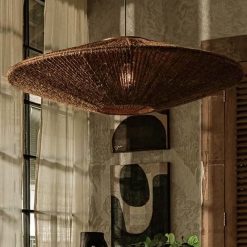
Rope Pendant Light
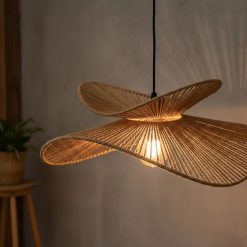
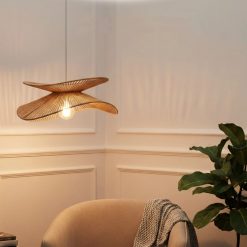
Rope Pendant Light
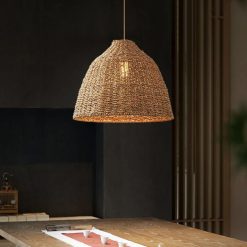
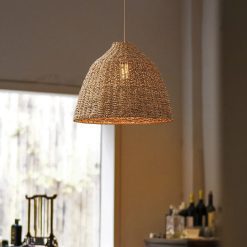
Rope Pendant Light
In this guide, we’ll explore what hemp rope is made from, and how hemp rope is made step by step. Understanding these basics will help you choose the right type of hemp rope for your needs – whether you’re working with organic hemp twine, untreated hemp rope, thick hemp rope, or heavy-duty hemp rope.
Hemp rope is not only functional but also incredibly versatile. From macramé projects and handcrafted furniture to rustic accents like a hemp rope pendant light, this natural fiber has become a staple in both modern and traditional design. As you read on, you’ll discover why hemp rope stands out compared to other natural and synthetic ropes, and how it can elevate your décor or DIY creations.
What Is Hemp Rope?
Definition of Hemp Rope
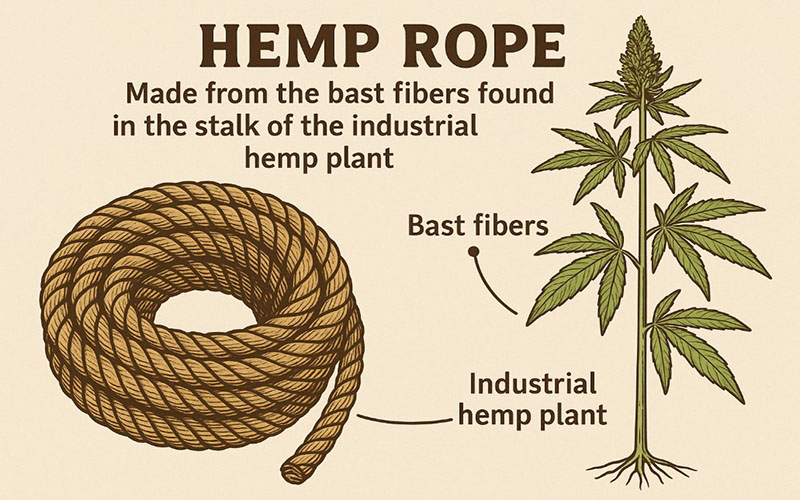
Hemp rope is a type of natural rope made from the long bast fibers of the industrial hemp plant (Cannabis sativa L.). This is not the same as marijuana – industrial hemp contains almost no THC and has been used for thousands of years to make strong, eco-friendly rope.
Unlike many synthetic options, natural hemp rope is biodegradable, durable, moisture-resistant, and incredibly strong. It’s known for its rough-yet-natural texture, earthy appearance, and impressive longevity. These qualities make it a favorite for interior décor, crafts, gardening, pet toys, and even heavy-duty applications.
You may also come across untreated hemp rope, which means the rope has not been bleached, dyed, or coated with chemicals. This is the purest and most eco-friendly version – perfect for natural home décor, DIY lighting, and organic projects.
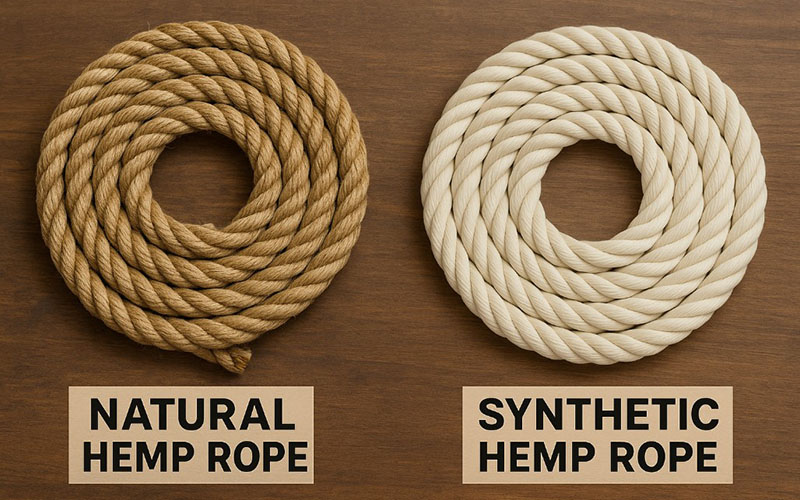
Natural Hemp Rope vs Synthetic Hemp Rope
Although the term “synthetic hemp rope” exists, it refers to polypropylene rope designed to look like hemp. It is not made from hemp fibers at all.
- Natural hemp rope = real fibers, eco-friendly, biodegradable
- Synthetic hemp rope = man-made, lightweight, not biodegradable
Understanding this difference is important, especially if you’re choosing rope for lighting, pet products, or eco-friendly décor.
What Is Hemp Rope Made From?
Consumers often ask, “What is hemp rope made from exactly?” The answer is simple:
👉 Hemp rope is made from the long, durable bast fibers found in the stalk of the industrial hemp plant.
These fibers are among the strongest natural fibers in the world. They naturally resist mold, UV rays, and abrasion, making hemp ideal for both indoor and outdoor use. When processed, these fibers can be spun into different forms such as:
- organic hemp twine for crafting
- hemptique hemp cord for macramé and jewelry
- thick hemp rope for décor, gym use, and heavy tasks
- heavy duty hemp rope for marine, construction, and outdoor applications
Key Characteristics of Hemp Rope
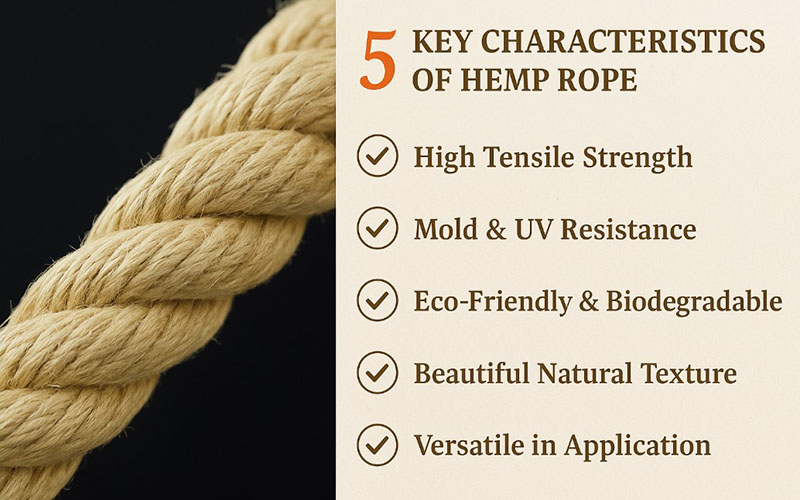
Hemp rope is known for several standout properties that set it apart from other natural ropes:
High Tensile Strength
Hemp fibers are extremely strong, making hemp rope ideal for load-bearing tasks, climbing, tugging, and outdoor uses.
Mold & UV Resistance
Unlike cotton, hemp naturally resists moisture and sunlight, making it perfect for gardens, patios, and even marine environments.
Eco-Friendly & Biodegradable
Hemp grows without much water or pesticides, making it one of the most sustainable rope materials.
Beautiful Natural Texture
The rustic, earthy look makes it popular for:
- rope shelves
- rope wall art
- boho & coastal décor
- hemp rope lighting
- wrapping and embellishing furniture
Versatile in Application
Whether you need hemp rope for macrame, thick rope for statement décor, or lightweight organic twine for crafts, hemp rope comes in many types and thicknesses.
A Brief History of Hemp Rope
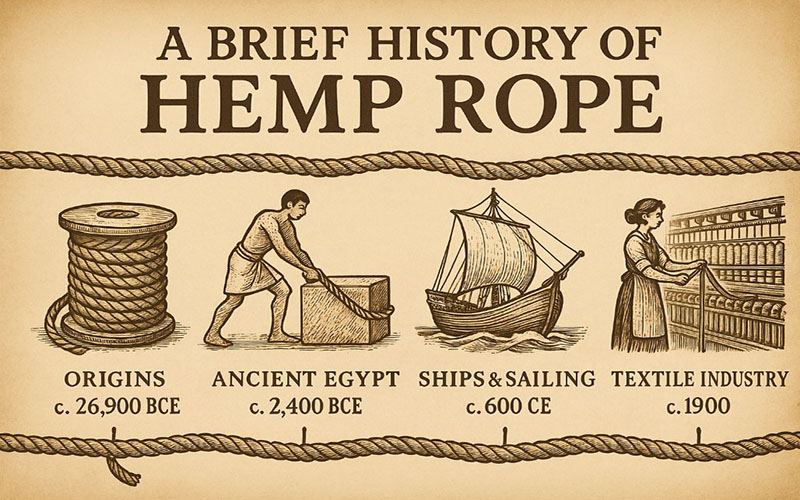
Hemp rope has one of the longest and richest histories among natural fibers. For thousands of years, civilizations across Asia, Europe, and the Middle East relied on natural hemp rope because of its exceptional strength and durability. Ancient Egyptians used hemp fibers in their sails and ropes; Greek and Roman ships depended on heavy-duty hemp rope for rigging; and early Chinese farmers used hemp twine for tools, crafts, and agriculture.
During the Age of Exploration, hemp rope became essential for maritime navigation. Its resistance to salt, sun, and abrasion made it the preferred material for sailors, explorers, and merchants. Even after the industrial revolution introduced synthetic alternatives, hemp rope continued to stand out for its eco-friendly nature and reliable performance.
Today, as sustainable living grows in popularity, hemp rope is making a strong comeback. Homeowners, designers, and artisans are rediscovering its value – not only for functional uses but also for décor, lighting, and crafting projects such as macramé, furniture wrapping, and hemp rope pendant light designs. Hemp’s long history proves one thing: this natural rope has stood the test of time, and its relevance is stronger than ever.
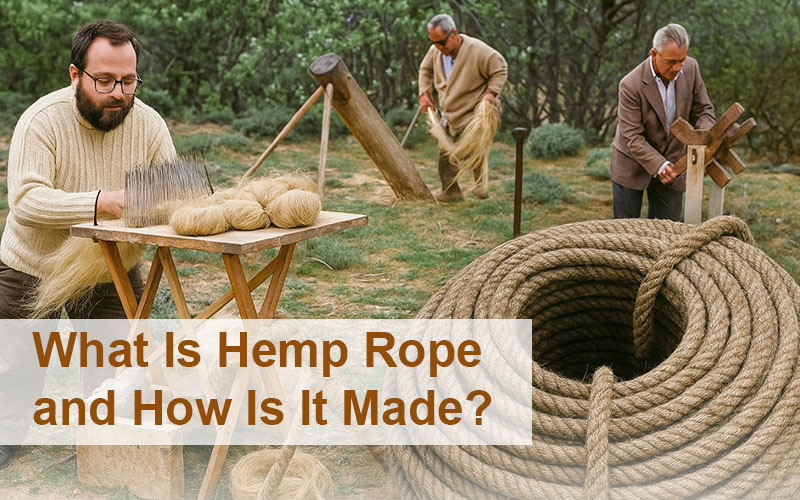
How Is Hemp Rope Made? (Step-by-Step Process Explained)
Consumers often wonder how is hemp rope made or what hemp rope is made from, especially when comparing natural rope to synthetic options. The production process is surprisingly thoughtful and eco-friendly, involving several steps that transform raw hemp stalks into strong, durable rope.
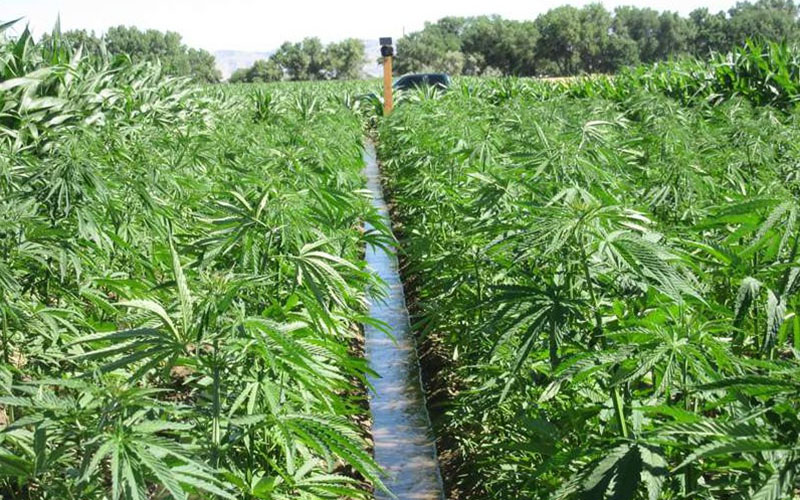
Step 1: Growing Industrial Hemp
Hemp used for rope is grown from industrial hemp, a fast-growing, low-THC variety of the Cannabis sativa plant.
- It matures in 80–120 days.
- Requires minimal water and almost no pesticides.
- Helps regenerate soil and reduces environmental impact.
This makes hemp one of the most sustainable sources for natural fibers, outperforming cotton and many synthetic alternatives.
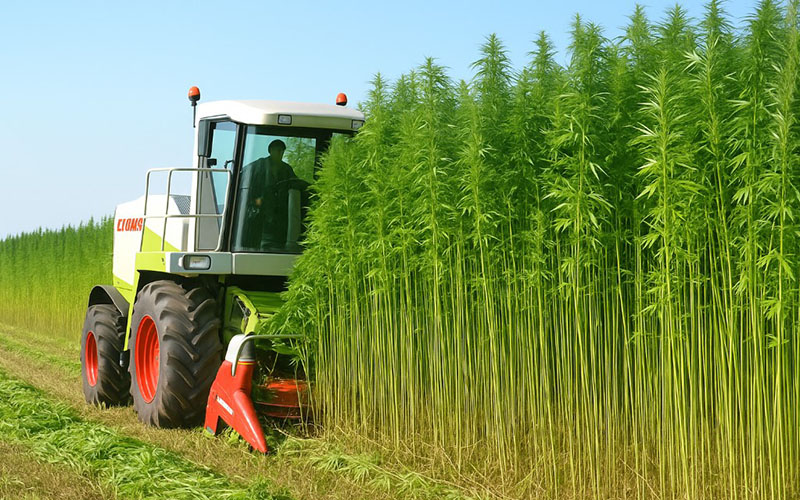
Step 2: Harvesting the Stalks
Once the plants reach full height, farmers cut the stalks and remove the leaves and flowers. The strength of natural hemp rope comes from the long bast fibers inside these stalks, which are later separated and processed.
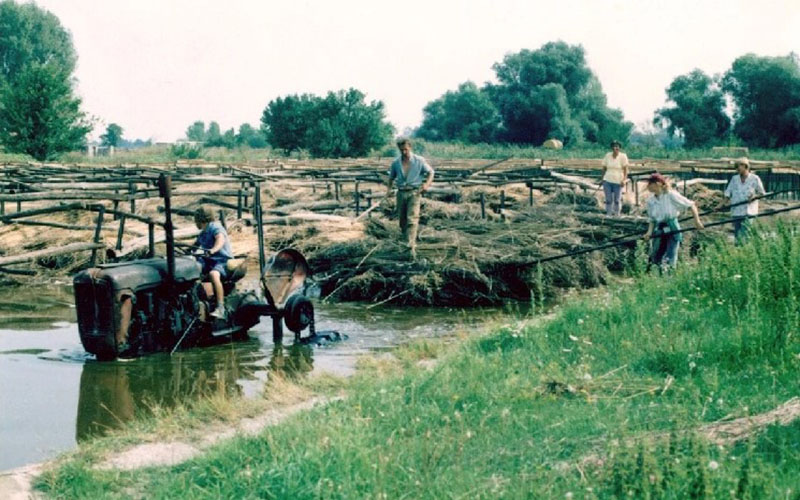
Step 3: Retting (Separating Fiber From the Stem)
Retting is a crucial step where natural moisture – dew, rain, or water soaking – helps loosen the fiber bundles.
This process naturally separates:
- Bast fibers (used to make rope)
- Hurd or woody core (used for construction, bedding, and bio-materials)
Retting ensures the fibers remain long and intact, which is essential for making thick hemp rope and heavy-duty hemp rope.
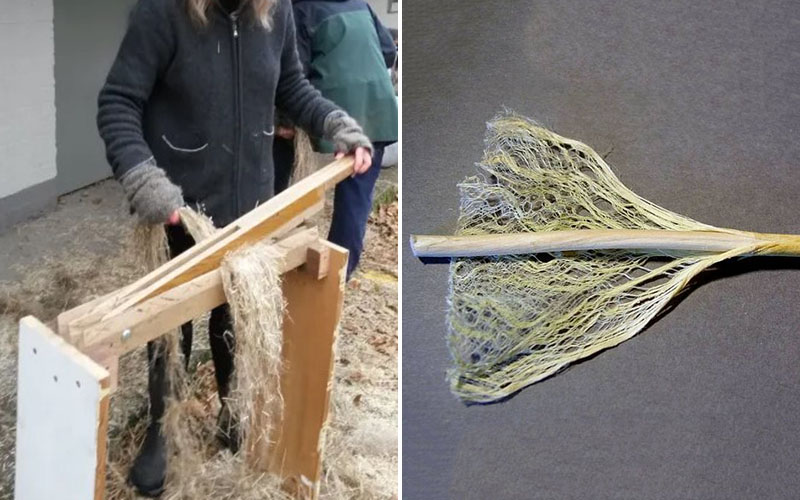
Step 4: Breaking & Scutching
After retting, the stalks are dried and mechanically broken to remove the woody parts. Scutching then scrapes away the remaining fragments, leaving behind clean, long hemp fibers.
These long fibers are the foundation of high-quality hemp rope, organic hemp twine, and untreated hemp rope.
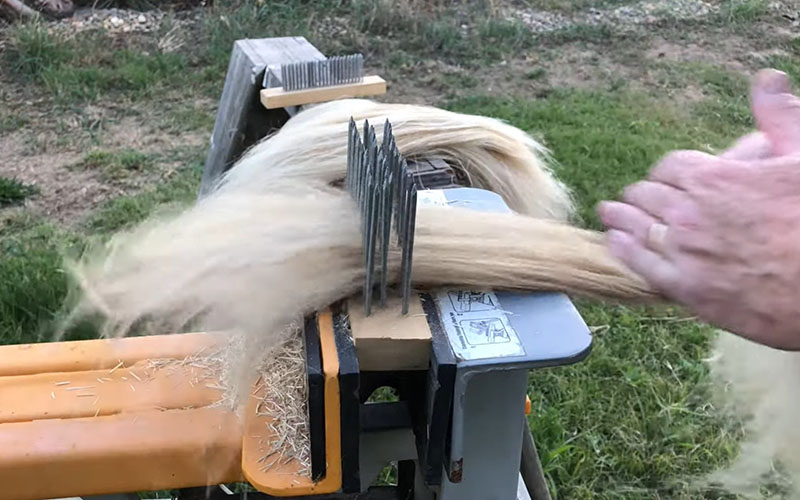
Step 5: Hackling (Combing the Fibers)
Hackling is the process of combing the fibers to:
- Straighten them
- Remove short or damaged pieces
- Prepare them for spinning
This produces clean, smooth, and consistent strands ideal for crafting rope or finer materials like hemptique hemp cord used in macramé and jewelry making.
Step 6: Spinning the hemp Fibers
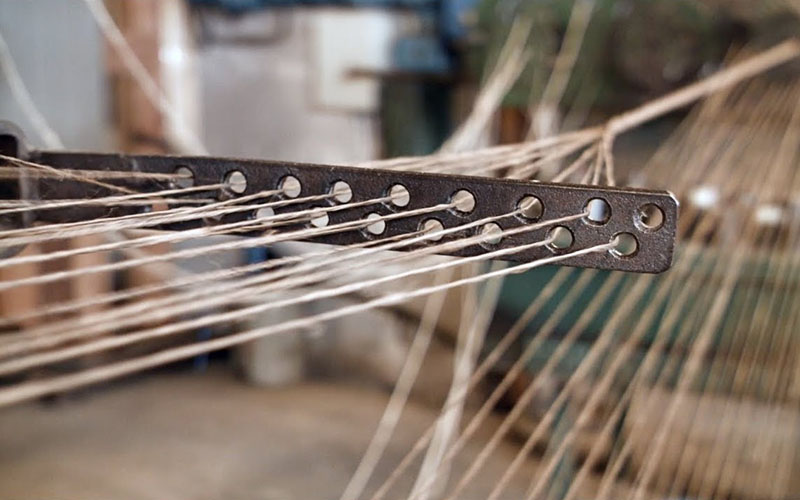
Once combed, the fibers are spun into yarn or twine.
- Thin strands are used for organic hemp twine
- Medium strands become hemp cord
- Thicker strands are twisted into rope
This step determines how soft, thick, or strong the final product will be.
Step 7: Twisting & Rope Forming
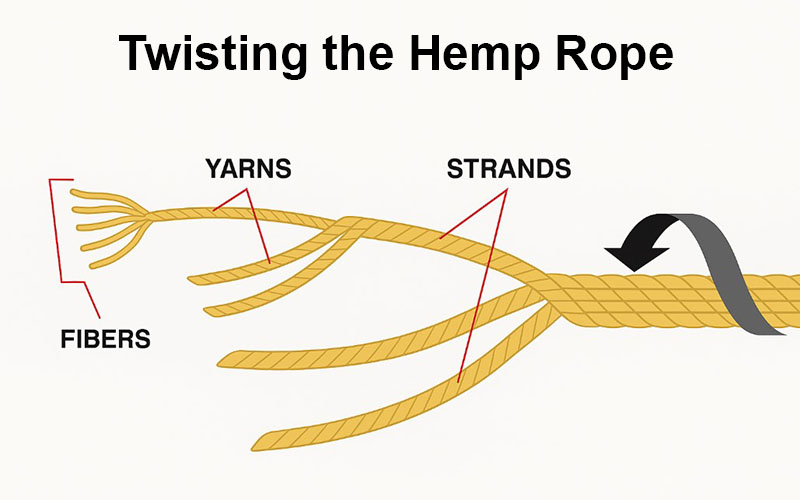
At this stage, the hemp fibers are transformed into a complete rope.
First, the long fibers are aligned, twisted, or braided to form individual strands. These strands act as the core structural units of the rope.
Once the strands are ready, they are:
- Secured at one end,
- Fed into a rope-forming machine,
- Twisted together in synchronized motion to interlock tightly.
This combined twisting process determines the rope’s strength, flexibility, and durability.
Different structures can be produced depending on the intended use:
- 3-strand twisted hemp rope – classic, strong, versatile
- Braided hemp rope – smoother, flexible, decorative
- Thick hemp rope – for décor, gym ropes, nautical themes
- Heavy-duty hemp rope – for outdoor, rigging, or industrial tasks
The result is a fully formed hemp rope that is strong, natural, and ready for a wide range of applications — from crafts and décor to construction and marine use.
Step 8: Finishing Hemp Rope (Natural or Treated Options)
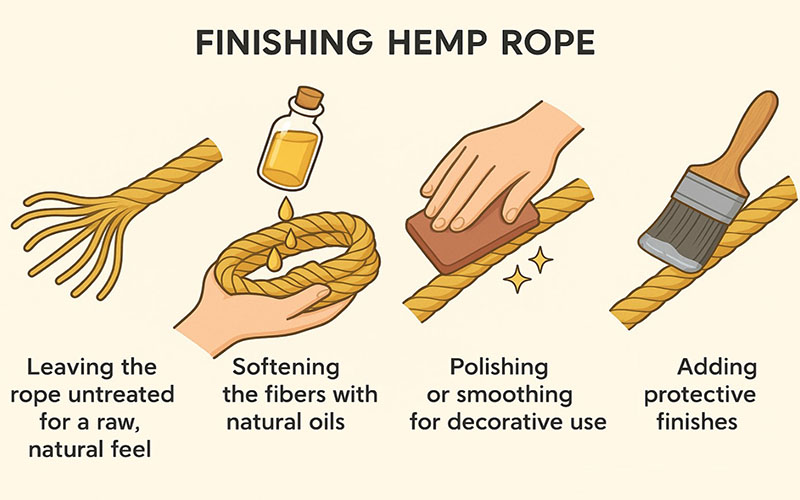
The final step may include:
- Leaving the rope untreated for a raw, natural feel
- Softening the fibers with natural oils
- Polishing or smoothing for decorative use
- Adding protective finishes for heavy-duty outdoor applications
Untreated hemp rope is especially popular in home décor projects, including rustic shelving, furniture accents, and hemp rope light fixture designs.
Types of Hemp Rope
Hemp rope comes in many forms, each designed for different uses – from delicate craft projects to demanding outdoor applications. Understanding the types available will help you choose the right rope for your décor, macramé, gardening, or construction needs.
1. Thick Hemp Rope
Thick hemp rope is a heavy, sturdy rope made from large bundles of tightly twisted hemp fibers.
Best for:
- Rustic home décor
- Rope shelves and curtain tie-backs
- Gym climbing ropes
- Nautical or coastal-style accents
- Large hemp rope pendant light designs
It has a bold, natural texture that instantly adds character to any space.
2. Heavy-Duty Hemp Rope
Heavy-duty hemp rope is designed for maximum strength. It is tightly twisted or braided to withstand high tension and outdoor conditions.
Common uses include:
- Marine work and boating
- Construction and rigging
- Farm, ranch, and outdoor environments
- Tugging, pulling, and load-bearing tasks
This is the strongest category of hemp rope and is favored for industrial-grade applications.
3. Organic Hemp Twine
Organic hemp twine is much thinner than rope, making it perfect for crafting.
Ideal for:
- Gift wrapping
- Gardening and plant support
- Jewelry making
- Small DIY décor projects
- Natural packaging
It’s biodegradable and chemical-free, making it an excellent eco-friendly alternative to synthetic options.
4. Hemp Cord (Including Hemptique Hemp Cord)
Hemptique hemp cord is one of the most popular hemp cords on the market, especially in the U.S. This brand is known for high-quality, tightly spun cord that’s smooth, consistent, and available in multiple colors.
Perfect for:
- Macramé
- Bracelets and necklaces
- Craft knotting
- Textile art
It offers a softer, finer texture compared to standard hemp rope or twine.
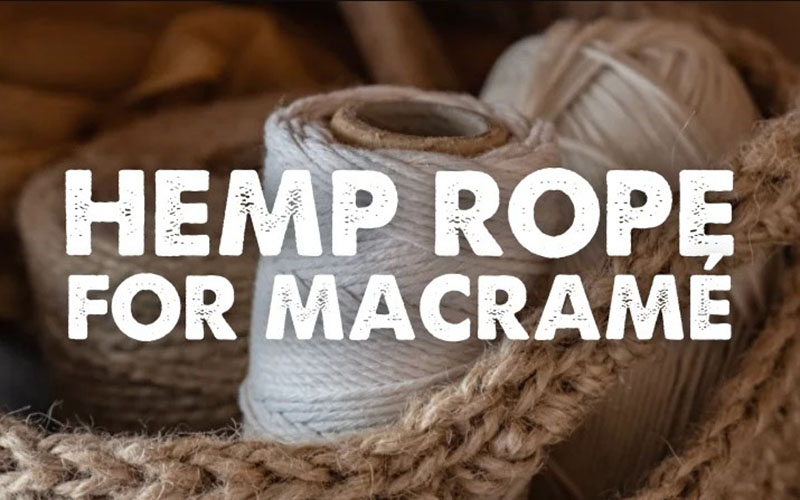
5. Hemp Rope for Macramé
For macramé artists, hemp rope for macrame provides excellent strength and a beautifully organic look. It holds knots well and creates an authentic boho, rustic, or earthy aesthetic.
Great for:
- Wall hangings
- Plant hangers
- DIY hemp rope pendant light shades
- Decorative room dividers
Many artists prefer hemp over cotton for its durability and raw texture.
6. Untreated Hemp Rope
Untreated hemp rope contains no dyes, chemicals, or coatings. This makes it safe for indoor projects, pet toys, and natural décor.
Popular for:
- Farmhouse, rustic, or coastal décor
- Crafts and artistic displays
- Packaging and natural-themed decorations
It has the purest color and texture of all hemp rope types.
7. Synthetic Hemp Rope (Look-Alike Rope)
Synthetic hemp rope is NOT made from hemp. Instead, it’s typically polypropylene rope designed to look like hemp through color and texture.
Pros:
- Lightweight
- Waterproof
- UV-resistant
Cons:
- Not eco-friendly
- Not biodegradable
- Lacks the natural feel of hemp
This is more common in outdoor marine settings but should not be confused with real natural hemp rope.
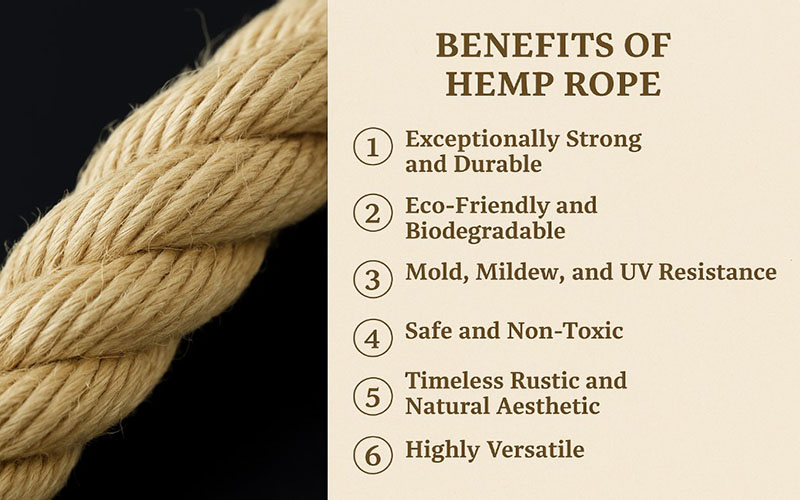
Benefits of Hemp Rope
Hemp rope has earned its reputation for good reason. It offers a combination of strength, sustainability, and natural beauty that few other materials can match. Below are the key benefits that make hemp rope a top choice for both practical and decorative uses.
1. Exceptionally Strong and Durable
Hemp fibers have one of the highest tensile strengths among natural fibers. This makes hemp rope ideal for everything from heavy-duty hemp rope used in construction to everyday decorative uses like crafting and shelving.
2. Eco-Friendly and Biodegradable
Unlike plastic-based ropes or synthetic hemp rope, natural hemp rope is completely biodegradable. Industrial hemp grows with minimal water, no harsh chemicals, and supports sustainable farming – making hemp rope one of the most environmentally responsible choices available.
3. Mold, Mildew, and UV Resistance
Hemp naturally resists:
- Moisture
- Mold and mildew
- UV exposure
- This makes it ideal for gardens, patios, boats, and outdoor décor. It also helps hemp rope pendant light designs stay durable even in semi-outdoor environments.
4. Safe and Non-Toxic
Untreated hemp rope contains no chemicals, making it safe for pets, kids, home décor, and crafting. It’s a healthier alternative to synthetic materials and strongly preferred by eco-conscious consumers.
5. Timeless Rustic and Natural Aesthetic
Hemp provides a warm, earthy look that blends beautifully with:
- Coastal décor
- Boho interiors
- Farmhouse and rustic themes
- Minimalist and natural-inspired styling
It’s also a top material choice for handcrafted lighting pieces like hemp rope pendant lights, and offers a more textured, organic look compared to jute rope pendant light designs.
6. Highly Versatile
From organic hemp twine to thick hemp rope, the material comes in many thicknesses and finishes. You can use it for:
- Macramé
- Wall art
- Garden work
- Marine tasks
- Packing
- Furniture wrapping
- DIY lighting projects
- Seasonal decorations
Few materials offer this level of versatility while staying natural and sustainable.
Common Uses of Hemp Rope
Hemp rope is incredibly versatile, making it suitable for everything from heavy-duty outdoor work to delicate indoor décor. Its combination of strength, natural texture, and eco-friendly appeal has allowed it to become a staple material in many industries.
1. Home Décor & Interior Styling
One of the most popular modern uses of hemp rope is in interior décor. Its raw, natural look blends seamlessly with rustic, boho, coastal, and minimalist design styles.
Popular décor applications include:
- Wrapping columns, railings, and furniture
- Creating wall art, rope boards, and rustic shelving
- Adding texture to vases, lamps, and decorative accents
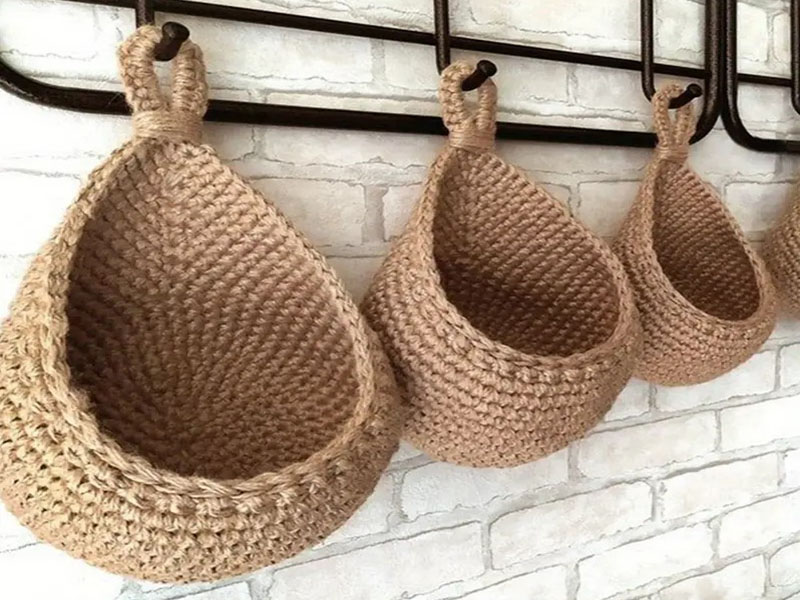
- Using rope to craft home accessories like baskets or coasters
Hemp rope is also commonly used in handcrafted lighting designs such as hemp rope pendant light fixtures. Similar to a rattan pendant light, these fixtures bring a warm, organic feel and serve as standout statement pieces in living rooms, dining rooms, and kitchens.
For comparison, some homeowners also consider jute rope pendant light styles, which offer a softer, lighter-colored look. Hemp rope, however, is stronger and lasts longer, especially in humidity-prone areas.
2. Gardening & Outdoor Use
Gardeners love hemp rope because it is biodegradable, sturdy, and gentle on plants.
Common uses include:
- Supporting climbing plants
- Tying garden structures
- Creating trellises
- Bundling branches or firewood
- Landscaping accents
Organic hemp twine is especially popular for delicate tasks like tying stems, seedling support, or floral arrangements.
3. DIY Crafts & Handmade Projects
Crafters and DIY enthusiasts rely on hemp rope and twine for a variety of creative projects.
Examples include:
- Macramé wall hangings and plant hangers
- Jewelry such as bracelets and necklaces
- Keychains, coasters, and knotted accessories
- Decorative knots and nautical crafts
- Wrapping gifts with organic hemp twine
- Creating frames, shelves, or customized décor items
Many creators prefer hemp rope for macrame because it holds knots firmly and has a beautiful, earthy finish. For smaller, more refined crafts, hemptique hemp cord is a go-to choice thanks to its consistency and soft texture.
4. Outdoor, Marine & Heavy-Duty Applications
Thanks to its natural resistance to abrasion, moisture, and sunlight, hemp rope has long been used in demanding outdoor environments.
Typical uses include:
- Sailing and boating
- Towing and rigging
- Farm and ranch tasks
- Camping and survival gear
- Load securing
- Construction work
When maximum strength is needed, heavy-duty hemp rope is the preferred option, offering the durability required for intense outdoor conditions.
5. Packaging, Storage & Utility
Hemp rope and twine also serve practical everyday uses:
- Bundling boxes
- Packing fragile items
- Storage organization
- Eco-friendly gift wrapping
- Craft markets and handmade product packaging
Because untreated hemp rope contains no chemicals, it’s safe to use for food packaging, natural skincare brands, eco-friendly merchandise, and pet products.
Is Hemp Rope Safe?
Many consumers wonder whether natural rope materials are safe for home use, especially when comparing hemp to synthetic alternatives.
The short answer is yes – natural hemp rope is very safe when properly used, especially untreated hemp rope that contains no harsh chemicals or dyes.
Below is a detailed look at hemp rope safety considerations:
1. Safe for Indoor Use and Home Décor
Hemp rope is a non-toxic, biodegradable material. It doesn’t emit harmful fumes and is safe for use around children, pets, and sensitive individuals. This makes it ideal for indoor décor such as:
- Wall art
- Furniture accents
- Craft projects
- Hemp rope pendant light designs
It’s also preferred over synthetic materials, which may contain plastics or chemical additives.
2. Chemical-Free Options Available
If you want the safest version, choose untreated hemp rope.
This type is free from:
- Coatings
- Oils
- Chemical treatments
- Coloring agents
It is the purest and most natural form, perfect for pet toys, baby décor, kitchen storage, and eco-friendly projects.
3. Hypoallergenic and Skin-Friendly
Natural hemp fibers are generally hypoallergenic and less irritating than some synthetic rope varieties. When used as organic hemp twine or fine hemp cord, it’s gentle enough for crafting wearable items like jewelry.
4. Safe for Plants, Pets, and Food Products
Hemp rope is widely used in gardening because it doesn’t release toxins into the soil.
It is also used for:
- Pet toys
- Bird perches
- Cat scratching posts
- Natural food packaging
In contrast, synthetic hemp rope (polypropylene rope designed to look like hemp) is not recommended for pets or food contact because it is made from plastic fibers.
5. Comparison: Hemp Rope vs Synthetic Hemp Rope Safety
| Feature | Natural Hemp Rope | Synthetic Hemp Rope |
|---|---|---|
| Biodegradable | ✔ Yes | ✘ No |
| Chemical-free | ✔ Yes (especially untreated) | ✘ Usually not |
| Safe for pets/kids | ✔ Yes | ✘ Not recommended |
| Eco-friendly | ✔ Very | ✘ No |
| Heat resistance | ✔ Good | ✘ Melts under heat |
This comparison clearly shows why homeowners and artisans prefer natural hemp rope for indoor applications.
Hemp Rope vs Other Types of Natural Rope
When choosing the right rope for décor, crafting, or heavy-duty tasks, many people compare hemp rope to other popular natural fibers. Each material has its own strengths, appearance, and ideal uses. Understanding these differences will help you decide whether hemp is the best option for your project.
Below is a comparison of hemp rope against the most commonly used natural ropes: jute, sisal, and cotton.
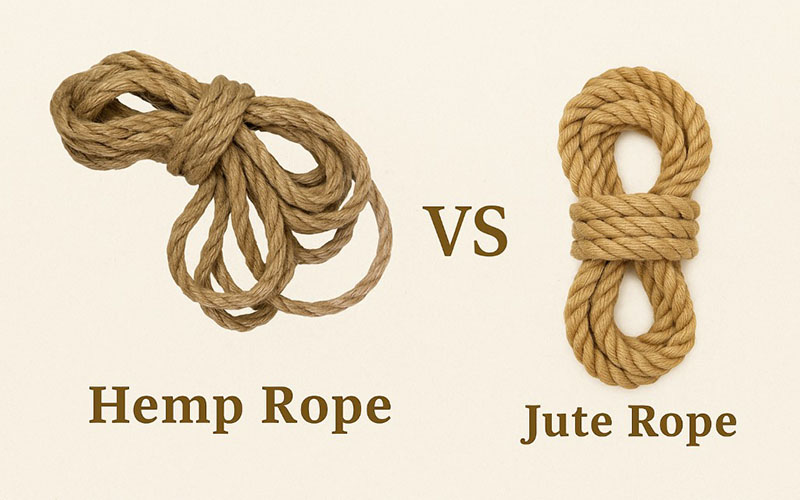
1. Hemp Rope vs Jute Rope
Jute rope and Hemp rope are often confused because they both have a rustic look, but they differ in strength and appearance.
Hemp Rope
- Stronger and more durable
- Coarser texture and darker natural color
- Better outdoor performance
- Longer lifespan
- Ideal for hemp rope pendant light designs requiring durability
Jute Rope
- Softer and lighter in color
- Less durable, especially outdoors
- More affordable
- Great for delicate décor
Many homeowners love jute rope lighting for their soft, beachy aesthetic. However, hemp rope is preferred when durability, texture, and long-term performance matter more.
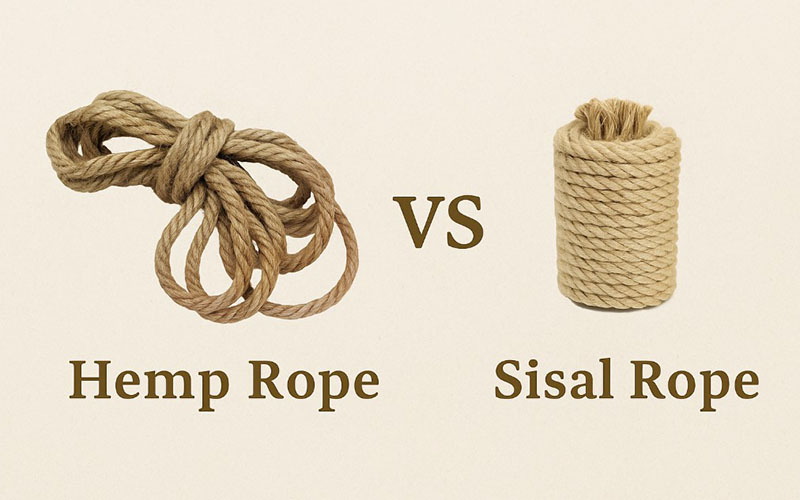
2. Hemp Rope vs Sisal Rope
Sisal is another strong natural fiber, but it differs from hemp in key ways.
Hemp Rope
- More flexible
- Better knot retention
- Less prone to fraying
- More resistant to moisture
Sisal Rope
- Stiffer and rougher
- More likely to splinter
- Not ideal for crafts or indoor décor
Sisal is great for cat scratching posts and agricultural use, but hemp is better suited for décor and crafting projects.
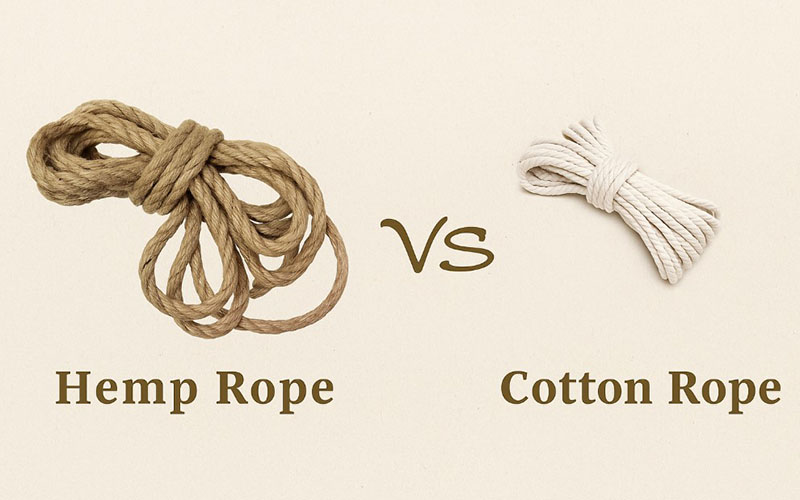
3. Hemp Rope vs Cotton Rope
Cotton rope is soft and gentle but lacks the durability of hemp.
Cotton Rope
- Very soft and flexible
- Perfect for baby-friendly crafts
- Not moisture-resistant
- Not strong enough for heavy-duty tasks
If you need strength, moisture resistance, and a natural rustic appearance, natural hemp rope far outperforms cotton.
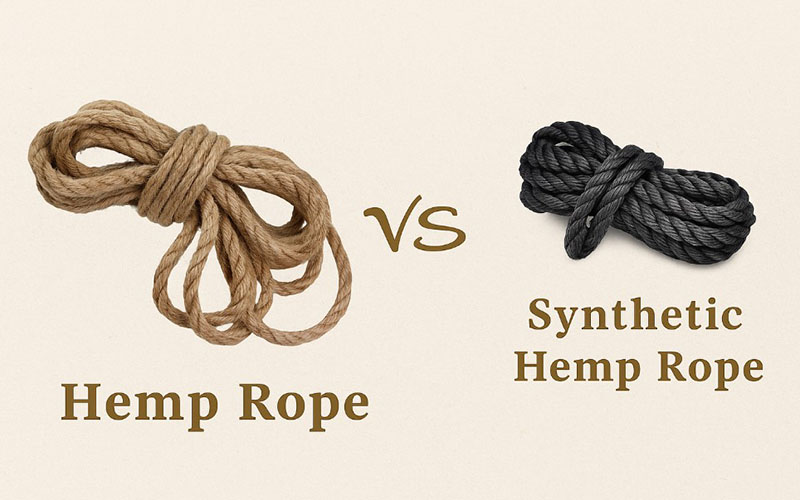
4. Hemp Rope vs Synthetic Hemp Rope
Synthetic hemp rope (polypropylene rope) is designed to look like hemp, but the similarity ends with appearance.
Natural Hemp Rope
- Biodegradable, eco-friendly
- Strong natural fiber
- Safe for pets, kids, plants
- Offers authentic texture
- Suitable for hemp rope pendant light and indoor décor
Synthetic Hemp Rope
- Made from plastic fibers
- Not biodegradable
- Melts under heat
- Not recommended for indoor décor or pet use
For sustainability and natural aesthetics, hemp rope is the top choice.
How to Care for Hemp Rope
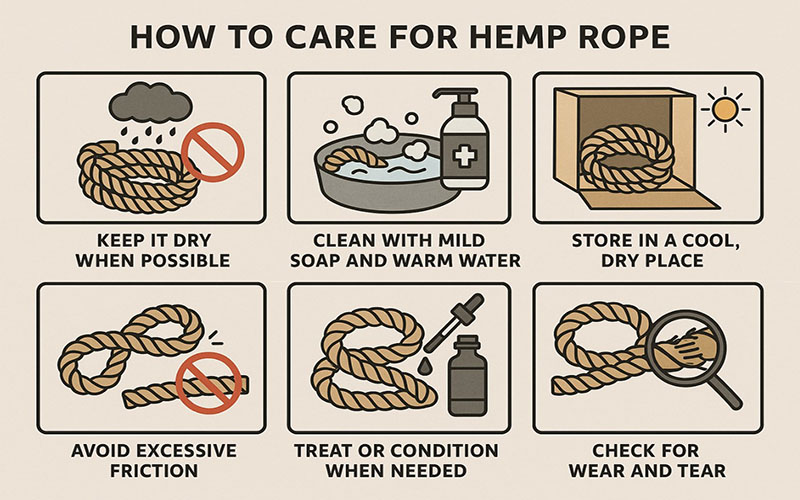
Proper care helps extend the life of your hemp rope and keeps it looking beautiful. Whether you’re using organic hemp twine, untreated hemp rope, thick hemp rope, or a handcrafted hemp rope pendant light, these maintenance tips will help preserve its quality.
1. Keep It Dry When Possible
Although hemp rope is more moisture-resistant than most natural ropes, it can still weaken if left wet for long periods.
Tips:
- Dry it completely before storing
- Avoid constant water exposure
- Hang outdoor ropes when not in use
2. Clean With Mild Soap and Warm Water
Dirt and dust can settle between the rope fibers. To clean it safely:
- Use mild dish soap
- Scrub gently with a soft brush
- Rinse lightly
- Let it air-dry completely
Avoid harsh detergents, which can damage natural fibers.
3. Store in a Cool, Dry Place
To prevent mold and premature wear:
- Keep rope away from direct sun when stored
- Store in breathable bags or open shelves
- Avoid sealed plastic containers that trap moisture
4. Avoid Excessive Friction
Rubbing hemp rope against sharp edges can cause fraying. If you’re using it for décor or a hemp rope pendant light, ensure the rope doesn’t rub against metal or rough surfaces.
5. Treat or Condition When Needed
Some hemp ropes come untreated. Over time, untreated hemp rope may benefit from occasional conditioning.
You can apply:
- Natural oils (linseed, coconut, or tung oil)
- Beeswax for added water resistance
This helps extend durability, especially for outdoor use.
6. Check for Wear and Tear
If you’re using hemp rope for functional or heavy-duty tasks:
- Inspect it regularly
- Look for thinning areas
- Replace sections when necessary
For decorative items like hemp rope pendant lights, occasional dusting and cleaning are typically enough.
FAQs About Hemp Rope
Hemp rope is made from the long, strong bast fibers of the industrial hemp plant. These fibers are naturally durable, mold-resistant, and biodegradable, making natural hemp rope one of the most eco-friendly options available.
Hemp rope is made through a multi-step process that includes harvesting hemp stalks, retting, breaking, hackling, spinning the fibers, and twisting or braiding them into rope. The process preserves the strength of the fibers and makes them suitable for everything from hemp rope for macrame to heavy-duty hemp rope for outdoor use.
Yes. Natural hemp rope is biodegradable, chemical-free, and safe for home décor, pets, and gardening. Synthetic hemp rope, on the other hand, is typically made from polypropylene and only mimics the look of hemp. It’s not eco-friendly and is less safe for pets and indoor applications.
Hemp rope is naturally mold-resistant and performs better outdoors than cotton or jute. However, like all natural fibers, prolonged exposure to water can weaken it. For long-term outdoor use, choose heavy-duty hemp rope or apply natural oils for added protection.
Yes. Organic hemp twine is strong, flexible, and gentle on plants. It’s widely used for tying stems, supporting vines, bundling herbs, and general garden organization.
Conclusion
Hemp rope is one of the most versatile and eco-friendly natural materials available today. From its impressive strength and durability to its rustic beauty and biodegradable nature, natural hemp rope continues to be a timeless choice for both functional and decorative projects. Whether you’re crafting with organic hemp twine, designing a hemp rope pendant light, or selecting heavy-duty hemp rope for outdoor tasks, hemp offers unmatched performance and sustainability.
As consumers increasingly move toward environmentally conscious living, hemp rope stands out as a smart, stylish, and responsible choice. Its natural texture brings warmth to any space, and its durability ensures long-lasting results in both indoor and outdoor settings.
👉 If you’re looking for handcrafted hemp rope lighting, eco-friendly décor pieces, or artisan-made natural fiber products, explore our collection at VietShopDesign.com. Each piece is handmade with care, using premium hemp, bamboo, and rattan to elevate your home with natural beauty and sustainable design.

Read more articles
25+ Bedroom Floor Lamp Ideas to Brighten & Elevate Your Space
Bedroom floor lamp ideas offer one of the simplest and most stylish ways to elevate [...]
Oct
Best Laundry Room Lighting Ideas for a Brighter, Cleaner Space
Laundry Room Lighting Ideas focus on turning one of the hardest-working spaces in your home [...]
Sep
20+ Guest Bedroom Lighting Ideas for a Warm, Welcoming Space
Guest bedroom lighting ideas focus on creating a warm, welcoming, and comfortable environment for anyone [...]
Sep
Best Study Room Lighting Ideas for a Bright and Focused Space
A well-designed study room is more than just a desk and a chair – it’s [...]
Sep
20+ Master Bedroom Lighting Ideas for a Modern, Elegant Space
Master bedroom lighting ideas go far beyond simply choosing a ceiling fixture. A master bedroom [...]
Sep
10 Home Office Lighting Ideas for a Bright, Productive Workspace
The home office has become one of the most important rooms in modern living. Whether [...]
Aug
How to Fix Eye Strain from Bad Home Office Lighting
You take screen breaks. You’ve adjusted your monitor brightness. You even bought blue-light glasses. And [...]
Aug
25+ Bedside Pendant Light Ideas for a Stylish Modern Bedroom
Bedside Pendant Light Ideas are becoming increasingly popular as homeowners look for smarter, more stylish [...]
Aug
Best Entryway Lighting Ideas to Brighten Your Entry Space
Your entryway sets the tone for your entire home – it’s the first space guests [...]
Aug
30+ Bedroom Pendant Light Ideas for a Stylish, Well-Lit Retreat
Bedroom Pendant Light Ideas can instantly elevate the atmosphere of your room, adding height, character, [...]
Aug
25+ Bedroom Ceiling Light Ideas to Transform Your Room
Bedroom Ceiling Light Ideas play a key role in creating a space that feels bright, [...]
Aug
How to Master Bedroom Lighting Ideas Like a Pro
Finding the right bedroom lighting ideas can completely transform the mood, comfort, and functionality of [...]
Jul
Explore our collections
Rattan Pendant Light
100 Products
Bamboo Pendant Light
39 Products
Fabric Pendant Light
44 Products
Wood Pendant Light
9 Products
Rope Pendant Light
18 Products
Rattan Wall Sconce
6 Products
Rattan Table Lamp
9 Products
Rattan Floor Lamp
9 Products