
Natural Materials & Craftsmanship
What Is Jute Rope, What Is Jute Twine? Uses & Benefits
What is jute rope? This is a question many homeowners, crafters, and designers ask as natural materials become more popular in eco-friendly décor, gardening, and handmade projects. Jute rope, along with jute twine, jute cord, and jute string, has become a go-to material thanks to its soft texture, warm golden color, and sustainable origin.
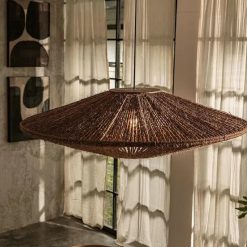
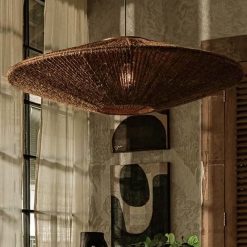
Rope Pendant Light
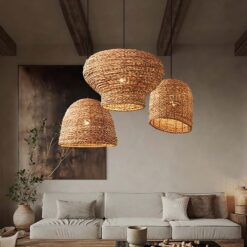

Rope Pendant Light
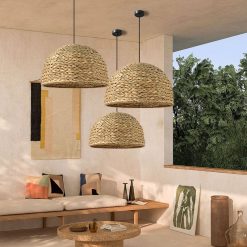
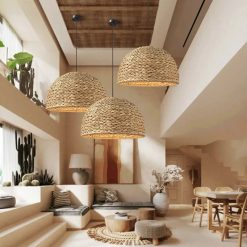
Rope Pendant Light
Woven Water Hyacinth Hanging Light – Organic Modern Ceiling Fixture

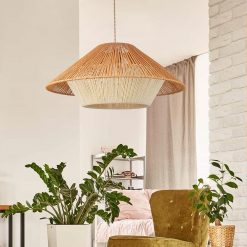
Rope Pendant Light
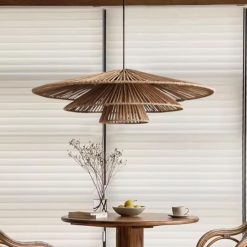
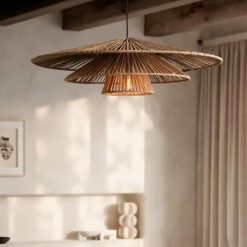
Rope Pendant Light
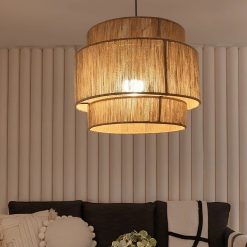
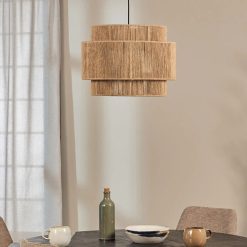
Rope Pendant Light
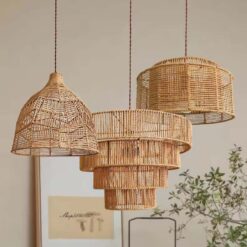
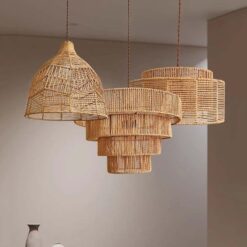
Rope Pendant Light
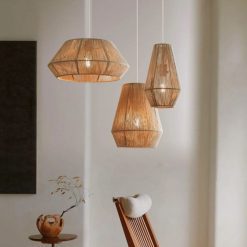
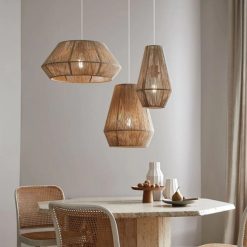
Rope Pendant Light
As people increasingly search for natural alternatives to synthetic fibers, jute stands out as one of the most affordable and environmentally friendly options available. Whether you’re decorating your home, creating DIY crafts, styling rustic displays, or wrapping gifts with an organic touch, jute rope brings a simple, earthy beauty to every project.
In this guide, we’ll break down everything you need to know – from what is jute rope made of, how it’s produced, and how it differs from jute twine, jute cord, and jute string. You’ll also discover its benefits, uses, and how it compares with other natural ropes like hemp, sisal, and cotton. By the end, you’ll have a complete understanding of how this timeless natural fiber can elevate your décor and crafting projects.
What Is Jute Rope?
1. Definition of Jute Rope
Jute rope is a natural, plant-based rope made from the soft, golden bast fibers of the Corchorus plant. Known worldwide as the “Golden Fiber,” jute is valued for its warm natural color, gentle texture, and lightweight feel – making it one of the most popular materials for home décor, crafting, packaging, gardening, and event styling.
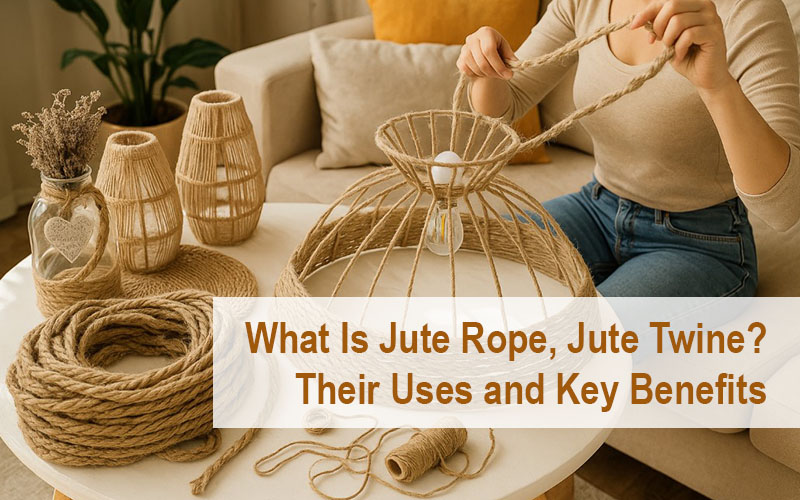
Because jute fibers are naturally smooth and flexible, jute rope is easier to handle than hemp or sisal. This makes it ideal for projects that require a soft, rustic aesthetic such as rope bowls, wall hangings, furniture wrapping, woven décor, and even jute rope light fixture.
2. Characteristics of Jute Rope
Jute rope has several distinct characteristics that make it stand out:
- Soft and Lightweight: Compared to hemp or sisal rope, jute is much softer, making it ideal for indoor décor and safe handling.
- Beautiful Natural Color: Its golden-brown hue makes jute extremely popular for rustic, boho, farmhouse, and coastal interiors.
- Excellent for Light-Duty Use: Jute rope is best used for decorative or light-support tasks – not for heavy loads or long-term exposure to moisture.
- Eco-Friendly and Compostable: Jute fibers break down naturally and contain no harmful chemicals. This makes jute rope perfect for gardening, packaging, and sustainable home décor projects.
- Easy to Work With: From crafting DIY rope bowls to wrapping furniture legs or creating a jute rope pendant light, jute is flexible, beginner-friendly, and versatile.
A Brief History of Jute Fiber & Rope
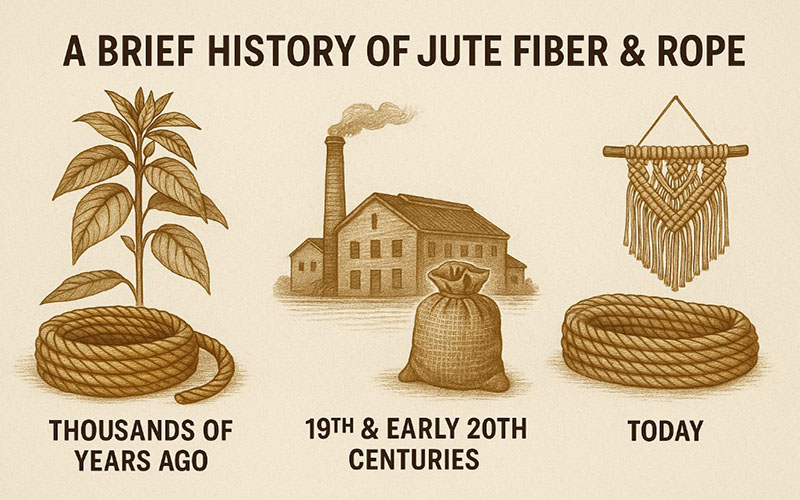
Jute is one of the oldest natural fibers used by humans, with a history dating back thousands of years. Originating primarily in India and Bangladesh, jute quickly became known as the “Golden Fiber” thanks to its natural sheen, warm golden-brown color, and essential role in everyday life. For centuries, jute fibers were used to create ropes, mats, sacks, nets, and agricultural tools.
During the 19th and early 20th centuries, jute became a cornerstone of the global fiber industry. It played a major role in packaging, transportation, and farming before synthetic materials became widespread. Even today, jute remains a vital natural resource in South Asia, supporting millions of farmers and local artisans.
In recent years, the demand for eco-friendly and sustainable materials has brought jute back into the spotlight. Designers, decorators, and DIY creators now use jute rope, jute cord, jute twine, and jute string for home décor, gardening, gift wrapping, and handmade products. Its affordability, biodegradability, and soft aesthetic make it a favorite for natural-inspired interior design, rustic décor, and zero-waste living.
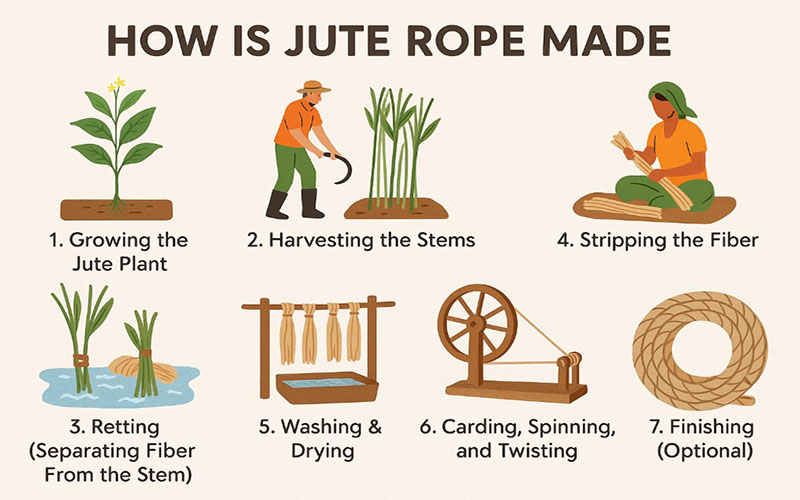
How Is Jute Rope Made? (Step-by-Step Process)
Understanding how jute rope is made helps explain why this natural fiber is so soft, flexible, and environmentally friendly. The process is deeply traditional, using simple but effective techniques that preserve the fiber’s natural qualities.
- Growing the Jute Plant
Jute grows best in warm, humid, tropical climates with plenty of rainfall – which is why India and Bangladesh lead global production. The plant grows quickly, reaching 10–15 feet in just 4–5 months, making it one of the world’s most renewable fiber sources.
- Harvesting the Stems
Once the plants are mature, farmers cut the tall stems close to the ground. The leaves are removed, and the stems are bundled and prepared for the retting process.
- Retting (Separating Fiber From the Stem)
Retting is one of the most important steps in jute fiber production.
The stems are submerged in ponds, rivers, or slow-moving water to soften the outer bark. Over time, the fibers loosen and separate from the woody core.
This natural water-soaking process allows the fiber to keep its length and flexibility – essential qualities for making jute rope, jute cord, jute string, and jute twine. - Stripping the Fiber
After retting, farmers peel the softened bark by hand to extract the long, shiny jute fibers. These fibers are rinsed, washed, and carefully cleaned to remove impurities.
- Washing & Drying
The cleaned fibers are washed again and hung under the sun to dry completely. Sun-drying enhances their natural golden color and preserves their strength.
- Carding, Spinning, and Twisting
Once dry, the fibers go through carding machines that align and soften them. The fibers are then:
✔ spun into yarn for jute twine and jute string
✔ twisted into medium strands for jute cord
✔ twisted into thicker bundles for jute rope - Finishing (Optional)
Depending on the purpose, jute rope may be:
✔ Softened with natural oils
✔ Polished for a smoother appearance
✔ Dyed for decorative use
✔ Left completely natural (most eco-friendly option)
Traditional, untreated jute rope retains its rustic look and natural texture, making it ideal for décor, crafting, gardening, and packaging.
What Is Jute Twine?
Jute is such a versatile natural fiber that it’s processed into multiple forms – jute rope, jute cord, jute string, and jute twine. Among them, jute twine is one of the most widely used because of its thinness, flexibility, and eco-friendly nature.
1. What Is Jute Twine?
Jute twine is a thin, lightweight cord made from natural jute fibers. It is typically produced as single-ply or two-ply, making it much finer than jute rope or jute cord.
Jute twine is simply the thinnest, most flexible version of jute fiber used for tying, gardening, packaging, and delicate crafts.
Jute twine is often confused with jute string, but twine usually has a more defined twist and better knot strength.
2. What Is Jute Twine Made Of?
Jute twine is made of the same bast fibers used for jute rope – but processed into finer, smoother strands.
The fibers are spun tightly into thin threads, giving jute twine strength while keeping it lightweight. This makes it perfect for projects that require flexibility and precision.
3. What Is Jute Twine Used For?
Jute twine is extremely versatile and commonly used in:
✔ Gardening & Landscaping
- Supporting plant stems
- Tying vines, tomatoes, and flowers
- Training indoor houseplants
Because jute twine is biodegradable, it breaks down naturally in soil – making it ideal for eco-friendly gardening.
✔ Gift Wrapping & Packaging
- Rustic gift wrapping
- Attaching product tags
- Branding for handmade or artisan goods
- Tying boxes, envelopes, and craft bundles
Its natural, earthy look gives products a handcrafted, organic feel.
✔ DIY Crafts & Creative Projects
- Scrapbooking
- Candle wrapping
- Mini macramé projects
- Handmade décor
- School art projects
✔ Household Use
- Tying newspapers
- Bundling small items
- Quick fixes around the house
4. Jute Rope vs Jute Twine vs Jute Cord vs Jute String
| Type | Thickness | Main Uses | Texture & Features |
|---|---|---|---|
| Jute Rope | Thickest | Home décor, shelves, pendant lights, furniture wrapping | Strong twist, chunky texture, rustic look |
| Jute Twine | Thinnest | Gardening, packaging, light crafts | Highly flexible, eco-friendly, easy to tie |
| Jute Cord | Medium thickness | Macramé, jewelry, decorative tying, craft knots | Stronger and more durable than twine; smooth, defined twist |
| Jute String | Thin & soft | Gift wrapping, labeling, hanging décor, small crafts | Softer, slightly less structured than twine; lightweight and easy to handle |
Types of Jute Rope & Their Uses
Jute rope comes in multiple styles, each suited for different purposes. Depending on thickness, twist, and finishing, jute rope can serve as décor, craft material, or lightweight utility rope.
1. Soft Jute Rope
Soft jute rope is loosely twisted, giving it a gentle feel and flexible movement.
Best for:
- Indoor décor
- Wrapping vases, jars, bottles
- DIY wall art
- Light macramé projects
- Kids’ school crafts
Its softness makes it very beginner-friendly.
2. Braided Jute Rope
Braided jute rope has a more refined, uniform appearance thanks to multiple fibers being woven together rather than twisted.
Used for:
- Decorative elements
- Stylish baskets & trays
- Rope coasters
- Woven lighting designs
- Rustic accents
It offers a cleaner, more polished look than regular twisted rope.
3. Thick Jute Rope
Thick jute rope is chunky, bold, and highly decorative.
Perfect for:
- Nautical or coastal décor
- Rope handrails
- Large rope shelves
- Farmhouse-style projects
- Statement pieces like a jute rope pendant light
Its visual impact makes it a favorite in interior styling.
4. Polished Jute Rope
Polished jute rope is treated with natural oils or starches to create a smooth finish.
Ideal for:
- Clean decorative displays
- Retail product presentation
- Furniture accents
- High-end craft projects
It looks neater and cleaner compared to raw jute.
5. Colored or Dyed Jute Rope
Dyed jute rope allows for more creativity and customization.
Popular uses:
- Holiday decorations
- Craft kits
- Children’s art
- Event décor
- Colorful wall hangings
Available in many colors, it brings a fun and modern twist to a classic natural fiber.
| Type of Jute Rope | Key Features | Best Uses |
|---|---|---|
| 1. Soft Jute Rope | Loosely twisted, soft, flexible, gentle feel | Indoor décor; wrapping vases/jars; light macramé; DIY crafts; kids’ school projects |
| 2. Braided Jute Rope | Fibers braided (not twisted), smooth and uniform look | Decorative elements; baskets & trays; rope coasters; woven lighting designs; rustic accents |
| 3. Thick Jute Rope | Chunky, bold, visually impactful | Nautical décor; rope handrails; rope shelves; farmhouse décor; jute rope pendant light |
| 4. Polished Jute Rope | Treated for smooth, neat, refined finish | Clean displays; retail presentation; furniture accents; premium craft projects |
| 5. Colored/Dyed Jute Rope | Available in many colors; creative and fun | Holiday décor; event décor; craft kits; children’s art; colorful wall hangings |
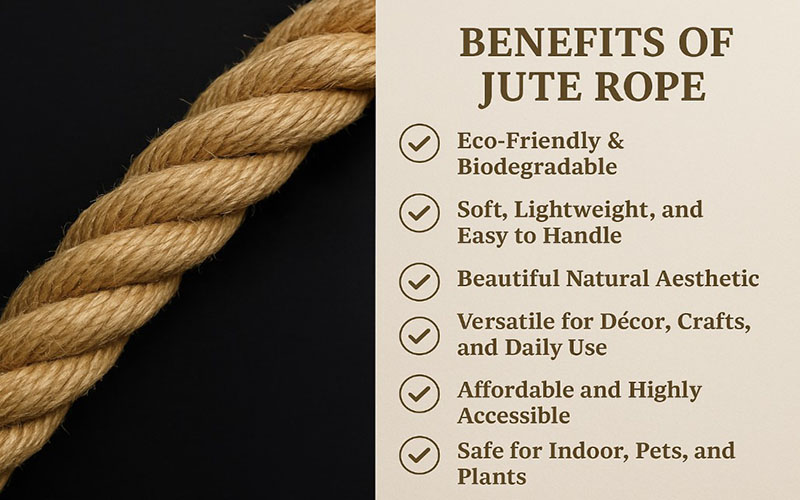
Benefits of Jute Rope
Jute rope is loved not only for its natural beauty but also for its practical advantages. As consumers shift toward eco-friendly lifestyles, jute rope has become one of the most widely used natural fibers in décor, gardening, packaging, and crafting.
1. Eco-Friendly & Biodegradable
One of the biggest advantages of jute rope is its sustainability. Jute is a rapidly renewable plant that requires minimal chemicals and grows with natural rainfall. Because jute rope is made of plant fibers, it is:
- 100% biodegradable
- Compostable
- Non-toxic
- Safe for plants, pets, and people
This makes it an excellent choice for anyone seeking earth-friendly alternatives to plastic or synthetic ropes.
2. Soft, Lightweight, and Easy to Handle
Compared to hemp or sisal rope, jute rope is much softer and more lightweight. This gentle texture makes it ideal for:
- Indoor décor
- Craft projects
- Tying, wrapping, and shaping
- DIY displays and event decorations
It’s beginner-friendly and perfect for those just starting with DIY or crafting.
3. Beautiful Natural Aesthetic
Jute is known as the Golden Fiber for a reason. Its warm, earthy tones complement:
- Boho interiors
- Rustic farmhouse décor
- Minimalist spaces
- Coastal and nautical styles
- Japandi and Wabi-Sabi aesthetics
From jute rope lighting to woven baskets, the natural color adds a timeless, organic charm to any space.
4. Versatile for Décor, Crafts, and Daily Use
Because jute rope is produced in multiple thicknesses (rope, cord, twine, and string), it’s extremely versatile.
Common uses include:
- Wrapping furniture legs
- DIY wall décor
- Crafting rope bowls and placemats
- Rustic shelf designs
- Macramé art (light-duty)
- Seasonal decorations
- Eco-friendly gift wrapping
Jute cord and jute twine are especially useful in smaller-scale projects that require flexibility.
5. Affordable and Highly Accessible
Jute is one of the most cost-effective natural fibers. It’s cheaper than hemp rope, sisal rope, and cotton rope – making it an excellent option for decorators, small businesses, and DIY creators who want a natural material without high cost.
6. Safe for Indoor, Pets, and Plants
Because jute rope is made of natural plant fibers, it contains no harmful chemicals. This makes it ideal for:
- Gardening
- Pet toys and cat furniture
- Baby-safe décor
- Natural packaging
- Indoor hanging décor
This is also why jute twine used for gardening is so popular among eco-friendly growers – it’s safe for soil and compostable after use.
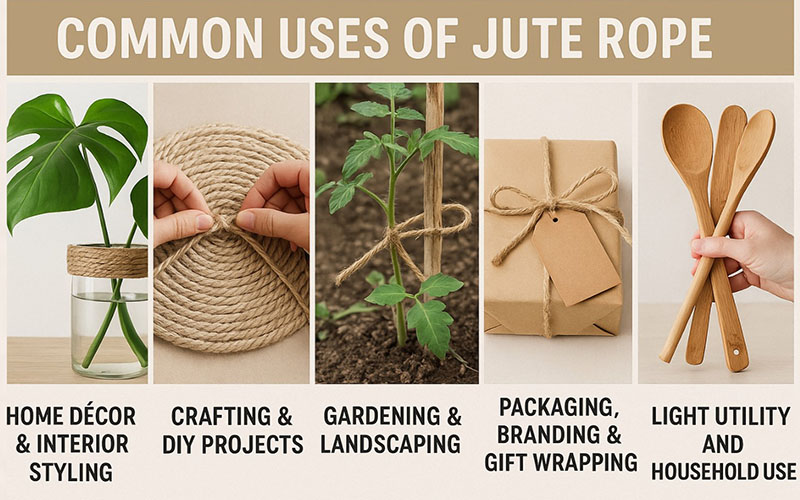
Common Uses of Jute Rope
Jute rope is one of the most flexible natural materials, offering hundreds of practical and decorative uses. Below are the most common applications for homeowners, designers, gardeners, and DIY makers.
1. Home Décor & Interior Styling
Jute rope’s soft, warm texture makes it a favorite in home décor, especially for rustic, boho, farmhouse, and coastal styles.
Popular Home Décor Uses:
- DIY rope baskets and bowls
- Wrapping vases, jars, and candle holders
- Rope mirrors and picture frames
- Rope-wrapped furniture legs
- Jute wall hangings and woven décor
- Rope coasters, placemats, and trays
- Interior accents for natural and earthy spaces
Designers also use jute in lighting, just like they do with rattan fixtures:
- Jute rope pendant lights
- Lampshades wrapped with jute cord
- Coastal and farmhouse-inspired lighting fixtures
Jute offers a softer, more delicate look compared to hemp rope, making it perfect for interiors that want a gentle, welcoming vibe.
2. Crafting & DIY Projects
Jute is a dream material for crafters because it’s soft, flexible, and easy to cut, tie, and manipulate.
Crafts That Use Jute Rope, Cord, Twine, or String:
- Macramé (light-duty)
- Scrapbook decoration
- Candle wrapping
- Seasonal décor (Christmas, weddings, parties)
- Handmade ornaments
- DIY garlands
- Kids’ art projects
- Jewelry using jute cord
For smaller tasks, jute twine or jute string is ideal. They’re perfect for detailed knotting, tying, and decorative accents.
3. Gardening & Landscaping
Because jute is biodegradable and gentle on plants, it’s one of the most common natural materials used in gardening.
Popular Uses:
- Supporting tomato plants
- Securing vines
- Training indoor houseplants
- Tying flowers and herbs
- Bundling branches
- Creating rustic garden décor
Gardeners love jute twine because:
- It’s compostable
- It breaks down naturally
- It’s safe for soil and plants
- It’s cheap and easy to replace
4. Packaging, Branding & Gift Wrapping
Jute rope, jute cord, and jute twine are commonly used in artisan packaging and rustic branding.
Common Uses:
- Wrapping gift boxes
- Tying product tags
- Packaging handmade items
- Rustic wedding favors
- Holiday gift wrapping
- Branding for eco-friendly products
Small businesses that sell handmade goods often use jute cord or jute string to elevate their packaging with a natural touch.
5. Light Utility and Household Use
Jute rope is useful around the home for simple, non-load-bearing tasks:
- Bundling newspapers
- Tying storage items
- Hanging lightweight décor
- Household organization
- Quick craft repairs
While jute rope is not designed for heavy-duty applications, it’s perfect for everyday tying tasks.
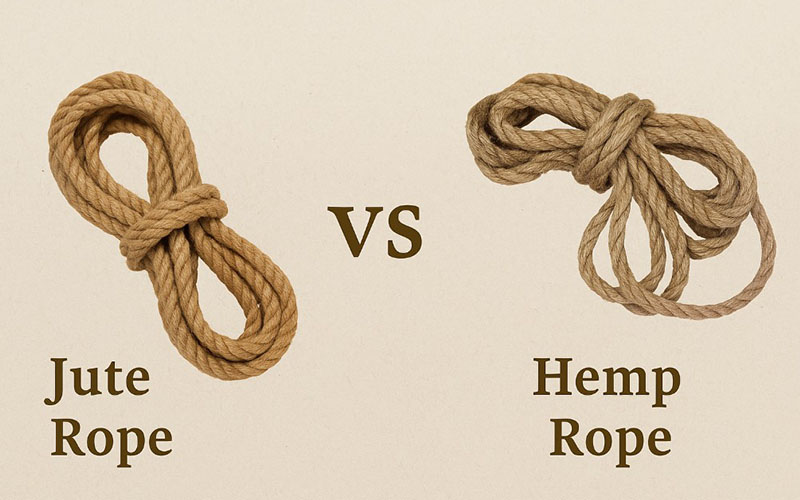
Jute Rope vs Other Natural Ropes
Because jute is often compared with other natural fibers, understanding these differences helps readers choose the right material – whether it’s for décor, gardening, crafting, or packaging. Below are the three most common comparisons: jute vs hemp, jute vs sisal, and jute vs cotton.
1. Jute Rope vs Hemp Rope
Jute and hemp are frequently used in similar décor styles, but they differ significantly in performance and texture.
Jute Rope
- Softer and lighter
- Better for indoor décor
- Ideal for crafts, baskets, jute cord lights
- More affordable
- Warmer golden color
Hemp Rope
- Stronger and more durable
- Better for outdoor use
- Coarser texture
- Longer lifespan
- Higher tensile strength
When to choose jute: aesthetic décor, crafting, packaging
When to choose hemp: heavy-duty tasks, outdoor décor, marine use
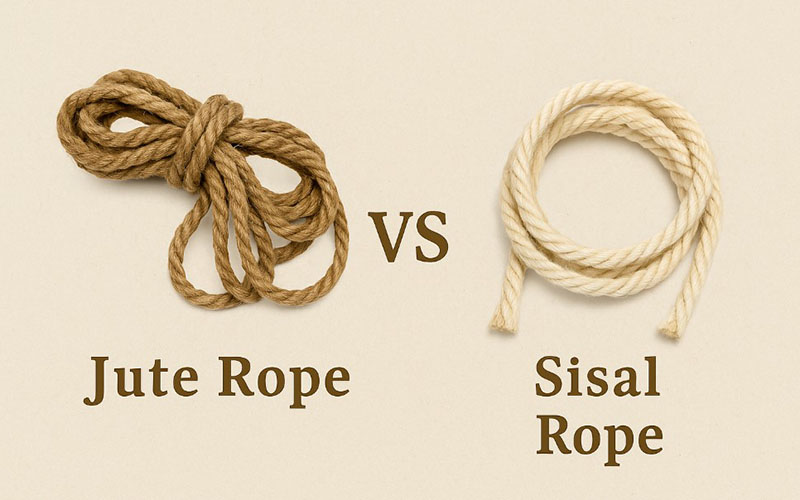
2. Jute Rope vs Sisal Rope
Both jute and sisal are popular in rustic and farmhouse décor – but they behave differently.
Jute Rope
- Soft and smooth
- Great for indoor items
- Not ideal in wet environments
Sisal Rope
- Rougher and stiffer
- Much stronger
- Holds up better outdoors
Choose jute if you want a gentle, refined look.
Choose sisal if you need strength and durability.
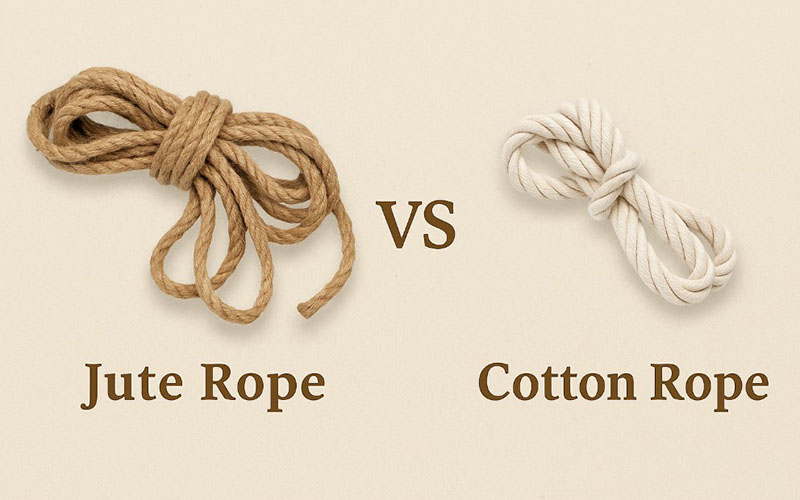
3. Jute Rope vs Cotton Rope
Cotton rope is extremely soft and flexible, while jute brings a natural, rustic charm.
Cotton Rope
- Very soft and gentle
- Perfect for baby-friendly crafts
- Less rustic and more polished
Jute Rope
- More textured
- More affordable
- Better for earthy, organic décor
Cotton is ideal for indoor macramé projects, while jute is perfect for natural-style décor pieces.
Is Jute Rope Safe?
Jute rope is widely used in homes, gardens, events, crafts, and small businesses because it is extremely safe, non-toxic, and environmentally friendly. Below are the key safety considerations:
1. Safe for Indoor Use
Jute rope is made from 100% natural plant fibers, making it free from harmful chemicals and safe for:
- Home décor
- Indoor crafting
- Kids’ school projects
- Lightweight hanging décor
- DIY artwork
Because it is biodegradable, jute does not release plastic fibers or toxic residues into the air.
2. Safe for Gardening & Landscaping
Gardeners love jute because it is gentle on plant stems and naturally composts over time.
Using jute twine or jute string for gardening ensures:
- No harm to soil
- No chemicals added to plant beds
- A fully biodegradable tying material
This is why, when people ask what jute twine is used for, they immediately associate it with safe, eco-friendly gardening applications.
3. Safe for Pets and the Environment
Since jute rope is plant-based and chemical-free, it is safer than synthetic plastic ropes for pets, birds, and small animals.
However: Jute is not ideal for heavy chewing (choose cotton rope for pets that chew aggressively).
But for general pet-related décor or scratching posts, jute remains a safe choice.
4. Limitations and Safety Notes
While jute is safe and natural, it has some limitations:
- Not suitable for heavy loads
- Not designed for climbing or towing
- Absorbs moisture → weakens over time
- Not ideal for long-term outdoor exposure
If you need strength or weather resistance, hemp or sisal rope will perform better.
5. Comparison: Jute Rope vs Synthetic Rope Safety
Some people confuse jute rope with synthetic alternatives (often polypropylene colored to look natural). Natural jute is much safer.
| Feature | Natural Jute Rope | Synthetic Rope (Polypropylene) |
|---|---|---|
| Material | Plant fiber | Plastic fiber |
| Biodegradable | ✔ Yes | ✘ No |
| Safe for plants/pets | ✔ Yes | ✘ Not recommended |
| Chemical-free | ✔ Yes | ✘ Usually treated |
| Eco-friendly | ✔ Very | ✘ No |
| Outdoor durability | Moderate | High |
Jute is the better choice for indoor décor, eco-friendly packaging, and gardening.
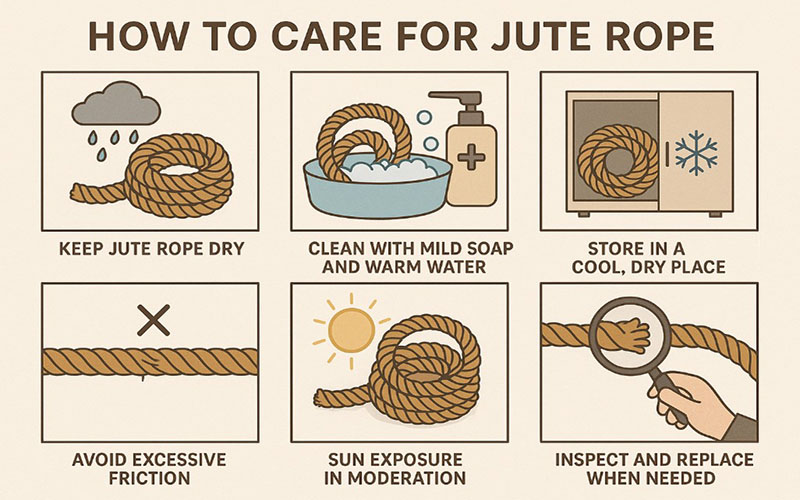
How to Care for Jute Rope
Jute rope is a natural material, and with the right care, it can maintain its color, texture, and longevity for years. Whether you’re using jute rope in home décor, crafting, gardening, or packaging, these simple maintenance tips will help you get the most out of it.
1. Keep Jute Rope Dry
Jute fibers absorb moisture easily. When left damp for long periods, the rope can weaken or develop a musty odor.
Tips:
- Avoid soaking jute in water
- Keep it dry after gardening or décor use
- Air-dry completely before storage
If you need rope for long-term outdoor exposure, hemp or sisal rope performs better.
2. Clean With Mild Soap and Warm Water
Jute rope, jute cord, and jute twine can collect dirt and dust over time. To safely clean them:
- Mix mild soap with warm water
- Gently scrub with a soft brush
- Rinse lightly
- Allow to air-dry in sunlight or a dry room
Do not use harsh detergents; they can break down natural fibers.
3. Store in a Cool, Dry Place
To maintain jute’s quality:
- Keep rope away from humidity
- Avoid sealed plastic bags (they trap moisture)
- Use breathable storage baskets or fabric bags
- Store in a well-ventilated room
Good airflow prevents mold and maintains jute’s natural scent and texture.
4. Avoid Excessive Friction
Jute fibers can fray when rubbed against sharp edges or rough surfaces.
If using jute rope for décor, macramé, or hanging displays:
- Sand rough contact points
- Avoid dragging the rope
- Handle gently when knotting
This prevents unraveling and extends the lifespan of the material.
5. Sun Exposure in Moderation
A little sun helps kill bacteria and refresh fibers, but long-term UV exposure can fade jute’s natural golden color.
For best results:
- Sun-dry occasionally
- Avoid storing in direct sunlight
6. Inspect and Replace When Needed
For utility tasks or gardening, check your jute rope or jute twine regularly.
Replace it if you notice:
- Fraying
- Significant thinning
- Discoloration from moisture
- Mold spots
Jute rope is affordable and easy to replace, especially when used outdoors.
Frequently Asked Questions
Jute rope is a natural rope made from the long bast fibers of the jute plant. It is soft, lightweight, and ideal for décor, crafting, and light-duty tying.
Jute twine is a thin, lightweight, single- or double-ply version of jute rope used for gardening, packaging, gift wrapping, and small DIY crafts.
Jute twine is used for gardening, tying plants, packaging products, gift wrapping, labeling, event décor, scrapbooking, and lightweight DIY projects.
Yes, but only for short-term use. Jute absorbs moisture and can weaken in wet or humid conditions. For long-term outdoor exposure, hemp or sisal rope is more durable.
Absolutely. Jute is 100% biodegradable, compostable, and free from synthetic materials. It’s one of the most environmentally responsible rope options.
Conclusion
Jute rope is one of the most versatile and accessible natural fibers available today. From home décor and DIY crafts to gardening, packaging, and everyday household tasks, jute offers a unique blend of softness, beauty, and eco-friendly appeal. Its warm golden color, gentle texture, and biodegradable nature make it a perfect choice for anyone seeking sustainable alternatives to synthetic materials.
Understanding the differences between jute rope, jute twine, jute cord, and jute string helps you choose the right type for your project – whether you’re crafting macramé, wrapping gifts, supporting plants, or designing rustic décor pieces. And because jute rope is made of natural plant fibers, it is safe for homes, gardens, pets, and the environment.
Affordable, stylish, and environmentally responsible, jute remains one of the best natural fibers for modern décor and creative living. Its timeless beauty and broad applications ensure that this “Golden Fiber” will continue to inspire homeowners, designers, and makers around the world.
👉 If you love natural materials like jute, hemp, bamboo, and rattan, explore our handcrafted lighting and décor collections at VietShopDesign.com. Each piece is artisan-made with sustainable materials to help you create a warm, natural, and eco-friendly home.



Unlock VIP Perks
Join as a priority member to receive gifts and be the first to access exclusive deals, our newest collections, and more...
Read more articles
25+ Best Outdoor Bamboo Pendant Lights for a Warm, Natural & Inviting Space
Outdoor bamboo pendant lighting transforms a pergola, patio, or covered garden dining space from a [...]
Jun
11 Best Organic Modern Rope Lighting Ideas for a Warm, Inviting Space
Wicker, hemp rope, jute, and water hyacinth bring the most authentically textural and the most [...]
Jun
25+ Trending Organic Modern Rattan Lights for a Cozy Living Space
The most beautifully designed organic modern interiors today are built not on safe pendant choices [...]
Jun
8 Organic Modern Rattan Dome Pendant Lights for a Soft, Natural Interior
The dome form is rattan’s most naturally generous and most softly organic pendant silhouette – [...]
Jun
9 Organic Modern Rattan Chandeliers for a Soft, Natural Interior
A rattan chandelier in an organic modern interior creates the most complete expression of what [...]
Jun
11 Organic Modern Brown Rattan Lights for a Warm, Earthy Home
Brown rattan brings the most warmly grounded and most gently earthy pendant tone to an [...]
May
15+ Organic Modern Black Rattan Lights for a Warm, Bold Home
Black rattan in an organic modern interior creates a precisely beautiful design tension – the [...]
May
12 Organic Modern Beige Rattan Lights for a Natural Interior
Beige rattan is the pendant material that organic modern design was made for – its [...]
May
25+ Organic Modern Bamboo Lights for a Soft, Natural Interior
Organic modern design lives at the most beautiful intersection of clean contemporary form and warm [...]
May
8 Best Organic Modern Wood Pendant Lights for a Warm, Natural Home
Wood pendant lighting brings a quality to an organic modern interior that no softer natural [...]
May
8 Modern Rustic Wood Lighting for a Warm, Architectural Interior
Wood pendant lighting belongs in a modern rustic interior the way exposed timber belongs in [...]
May
12 Modern Rustic Wicker Rope Pendant Lights for a Warm, Textural Interior
In a modern rustic interior built around exposed timber beams, rough stone walls, worn leather [...]
May
Explore our collections
Rattan Pendant Light
95 Products
Bamboo Pendant Light
38 Products
Fabric Pendant Light
41 Products
Wood Pendant Light
7 Products
Rope Pendant Light
14 Products
Rattan Wall Sconce
6 Products
Rattan Table Lamp
6 Products
Rattan Floor Lamp
9 Products