
Lighting Guides & Tips
How Many Watts to Light a Room? A Practical Guide for Your Home
When planning your home lighting, one of the most common questions is: “How many watts to light a room?” or “How much watt LED bulb is required for a room?”
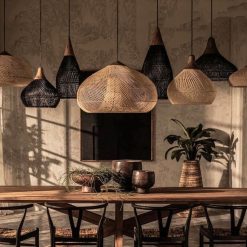
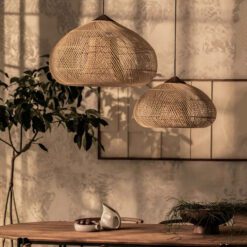
Rattan Pendant Light
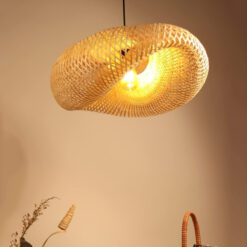
Vintage Rattan Pendant Light Fixture High Quality Lamp Shades
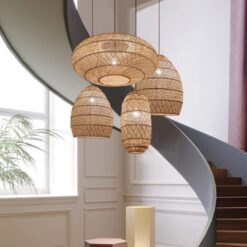
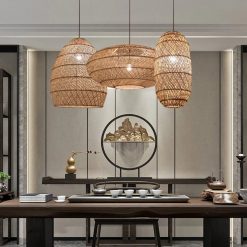
Rattan Pendant Light
Rattan Pendant Light
Rattan Pendant Light

Rattan Pendant Light
Choosing the right wattage for each space in your home isn’t just about brightness – it’s about creating comfort, ambiance, and energy efficiency. Every room has a unique purpose, and therefore, different lighting needs. Your bedroom calls for a calm, relaxing glow; your kitchen requires bright, focused light; while your living room benefits from layered illumination that feels both cozy and functional.
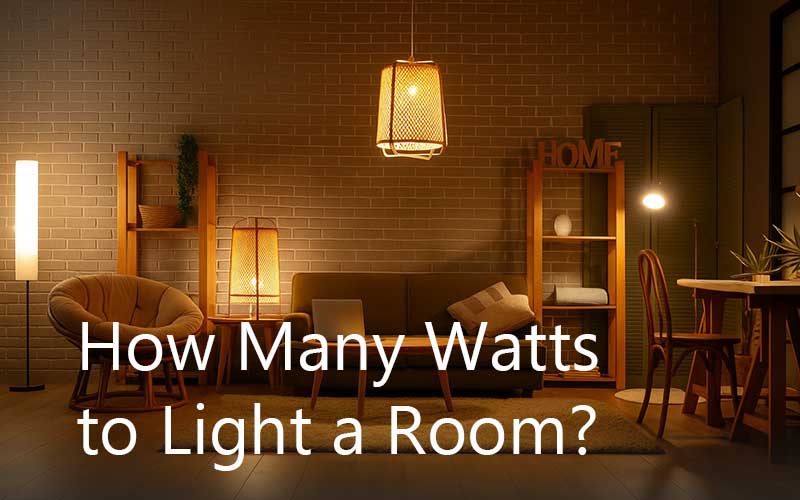
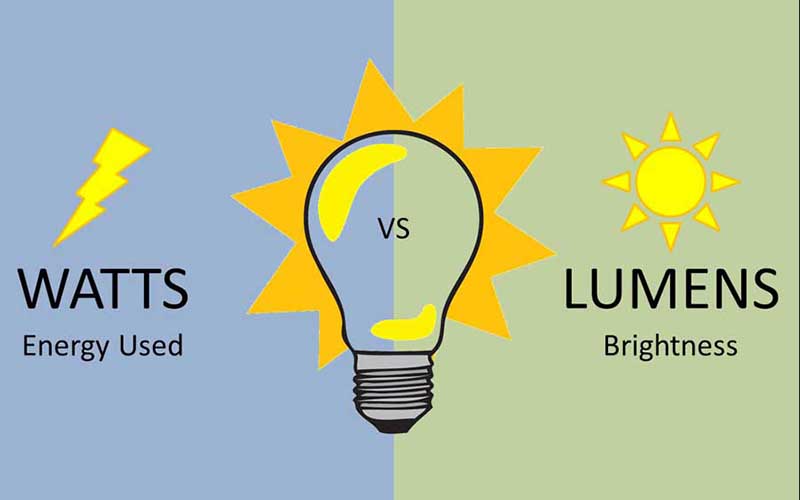
Before you grab a random 60-watt bulb, it’s important to understand that watts measure power consumption, not brightness. A 10-watt LED bulb can easily replace a 60-watt incandescent bulb and still provide the same level of light. That’s why wattage should always be chosen based on your room’s size, layout, and function – not just the number on the bulb’s packaging.
This guide will help you determine how many watts of light you need for bedrooms, living rooms, kitchens, and more, along with easy formulas to calculate wattage based on room size and lumens.
Understanding Lumens vs Watts
Before deciding how many watts for bedroom light or how many watts for kitchen lighting, you first need to understand two key terms that often get confused: lumens and watts.
1. What Are Watts?
Watts (W) measure the amount of electricity a bulb consumes. In the past, when incandescent bulbs were the norm, more watts meant more light. For example, a 100-watt bulb was brighter than a 60-watt bulb. However, this is no longer true with modern lighting technology.
2. What Are Lumens?
Lumens (lm) measure the brightness output – the actual amount of light a bulb produces. The higher the lumens, the brighter the light, regardless of wattage.
This shift matters because LED bulbs use far fewer watts to produce the same brightness as traditional bulbs.
For example:
| Traditional Bulb | LED Equivalent | Brightness (Lumens) |
|---|---|---|
| 40W Incandescent | 6–9W LED | ~450 lumens |
| 60W Incandescent | 10–12W LED | ~800 lumens |
| 100W Incandescent | 16–20W LED | ~1600 lumens |
So if you’re wondering how many watt light bulb for living room or how many watt light bulb for bedroom, the answer depends on how many lumens you actually need, not just the watt rating.
3. Why Lumens Matter When Choosing Wattage
Instead of focusing on the power your bulb uses, think about the brightness you want.
Here’s the rule of thumb:
- Lumens = Brightness
- Watts = Energy consumption
When comparing bulbs, check the lumen rating on the package – this number will help you decide whether a 10W LED or a 12W LED is better for your space.
4. The Relationship Between Lumens and Watts
Different bulb types produce varying amounts of lumens per watt:
- Incandescent: ~15 lumens per watt
- CFL: ~50 lumens per watt
- LED: ~80–100 lumens per watt
That means a 1,000-lumen LED bulb consumes only about 10–12 watts, while an incandescent bulb would need nearly 70 watts to deliver the same brightness.
5. Why You Should Care
Knowing the relationship between lumens and watts helps you answer bigger questions like:
- How much watt LED bulb required for a room?
- How many watts of light for a room that’s 150 square feet?
- How many watts for kitchen light vs bedroom light?
You’ll soon see that the total wattage depends on your room size, purpose, and preferred brightness level – all of which we’ll calculate next.
How to Calculate Watts Needed Based on Lumens
Now that you understand the difference between lumens and watts, let’s learn how to calculate how much watt LED bulb is required for a room based on its size and purpose. This helps you choose lighting that’s bright enough – but not wasteful.
Step 1: Measure Your Room Size
Start by calculating the area of your room:
Room area (sq. ft) = Length × Width
For example, if your living room is 15 feet wide and 20 feet long:
15 × 20 = 300 sq. ft
You’ll use this number to find out how many total lumens and watts your room needs.
Step 2: Know the Recommended Lumens per Square Foot
Each room type requires a different lighting level depending on its function.
Here’s a general guide:
| Room Type | Recommended Lumens per sq. ft | Typical Use |
|---|---|---|
| Living Room | 10–20 | General lighting and ambiance |
| Bedroom | 10–20 | Relaxed, cozy lighting |
| Kitchen | 30–40 | Task lighting for food prep |
| Dining Room | 20–30 | Warm, inviting meals |
| Bathroom | 20–30 | Grooming and makeup |
| Office | 30–50 | Reading, writing, computer work |
| Hallway | 10–15 | Safe walking path |
Read more: How Many Lumens Per Square Foot (Room-by-Room Guide)
Step 3: Calculate Total Lumens Needed
Multiply your room area by the recommended lumens per square foot.
Example:
For a 200 sq. ft living room needing around 15 lumens/ft²:
200 × 15 = 3,000 lumens total
That’s the total brightness you need from all light sources combined.
Step 4: Convert Lumens to Watts (for LED Bulbs)
To find the total wattage, divide lumens by the efficiency of your bulb type.
Most LED bulbs produce 80–100 lumens per watt.
Watts = Total Lumens ÷ Lumens per Watt
Example:
3,000 lumens ÷ 90 = ~33 watts of total LED power
So, if you’re wondering how many watts to light a room that’s around 200 sq. ft, about 30–35 watts of LED lighting (spread across multiple fixtures) should be perfect.
Step 5: Adjust for Ceiling Height and Décor
- High ceilings (9–12 ft): add 10–20% more watts.
- Dark walls or furniture: add 10–15% more watts to compensate for light absorption.
- Bright or white interiors: reduce wattage by 10–20%.
Quick Conversion Reference (LED bulbs)
| Room Type | Avg Size (sq. ft) | Total Lumens Needed | Approx. LED Watts |
|---|---|---|---|
| Bedroom | 150 | 2,250 | 20–25W |
| Living Room | 200 | 3,000 | 30–35W |
| Kitchen | 150 | 5,000 | 45–55W |
| Bathroom | 100 | 2,000 | 20–25W |
| Office | 120 | 3,600 | 35–40W |
With this formula, you can quickly figure out how many watts of light for a room of any type – without over- or under-lighting your space.
Alternative Method: Estimating Lighting by How Many Watts Per Square Foot
If you prefer a simpler method, you can estimate lighting needs using watts per square foot instead of lumens. This approach works well for quick calculations or older lighting systems.
As a general rule:
- Living rooms and bedrooms: 0.5–1 watt per sq. ft
- Kitchens and offices: 1.5–2.5 watts per sq. ft
- Bathrooms and task areas: 1–1.5 watts per sq. ft
- Hallways or accent spaces: 0.3–0.6 watt per sq. ft
For example, a 200 sq. ft living room × 1 watt per sq. ft = 200 watts total.
When using LED bulbs, divide this number by the lumens-per-watt efficiency (typically 80–100) to get the total brightness required.
This “How Many Watts Per Square Foot” method gives a quick estimate that’s especially useful when comparing older incandescent systems or checking if your lighting plan provides enough brightness.
Recommended Watts by Room Type
Every room has its own mood and function, meaning each one needs a different lighting setup. Let’s explore exactly how many watts for bedroom light, living room light, and kitchen lighting you’ll need to achieve the perfect balance of brightness and comfort.
1. How Many Watt Light Bulb for Living Room?
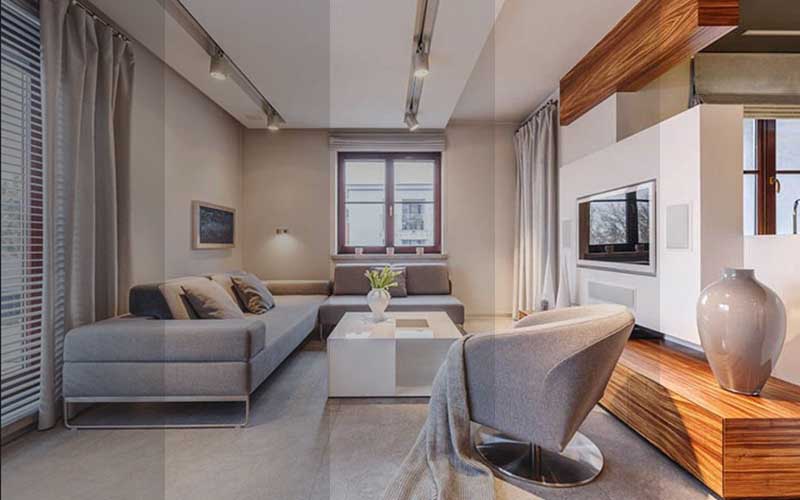
The living room is where you relax, entertain guests, and spend time with family. It needs a versatile lighting plan that can shift from bright and lively to warm and cozy.
Recommended range:
- 2–3 watts per sq. ft (20–30W/m²)
- For a 200 sq. ft room → 40–60W total LED power
Example setup:
- One 25W LED pendant light as ambient lighting
- Two 6W LED wall sconces for accent lighting
- One 10W LED floor lamp near your sofa
Lighting tips:
- Choose warm white bulbs (2700–3000K) to create a cozy atmosphere.
- Consider dimmable bulbs to easily adjust brightness for movie nights or gatherings.
- For a natural, organic touch, rattan or bamboo pendant lights work beautifully to diffuse light softly and evenly.
If you’re wondering how many watt light bulb for living room areas, one 10–12W LED per 100 sq. ft is usually enough for general lighting.
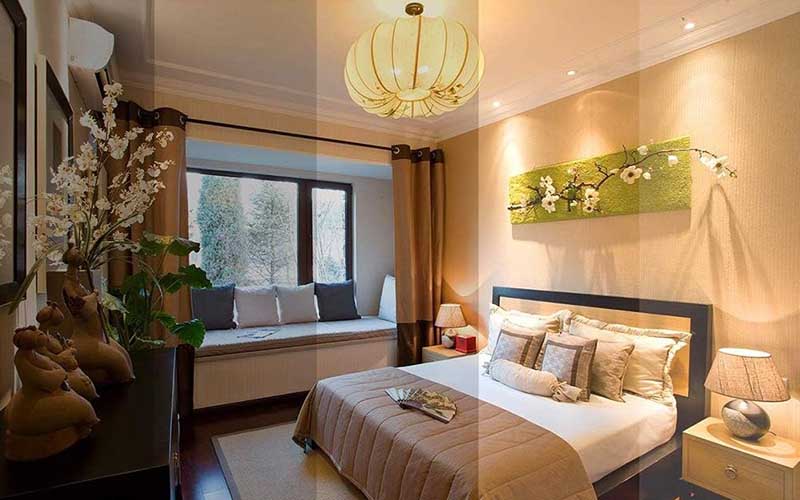
2. How Many Watts for Bedroom Light?
Your bedroom should feel peaceful, soft, and relaxing. Overly bright lighting can disturb your sleep quality and mood, while too little light makes the space feel dull.
Recommended range:
- 1–2 watts per sq. ft (10–20W/m²)
- For a 150 sq. ft bedroom → 15–25W total LED lighting
Example setup:
- One 12W ceiling light or pendant for ambient glow
- Two 5W bedside lamps or wall sconces for task lighting
Lighting tips:
- Use warm white (2700K) for a calming environment.
- If you enjoy reading before bed, add adjustable reading lights near the bedhead.
- Dimmable LEDs help transition from evening activities to sleep mode smoothly.
So if you’re searching how many watt light bulb for bedroom or how many watts for a bedroom light, start around 15–25W total LED power depending on your layout and style.
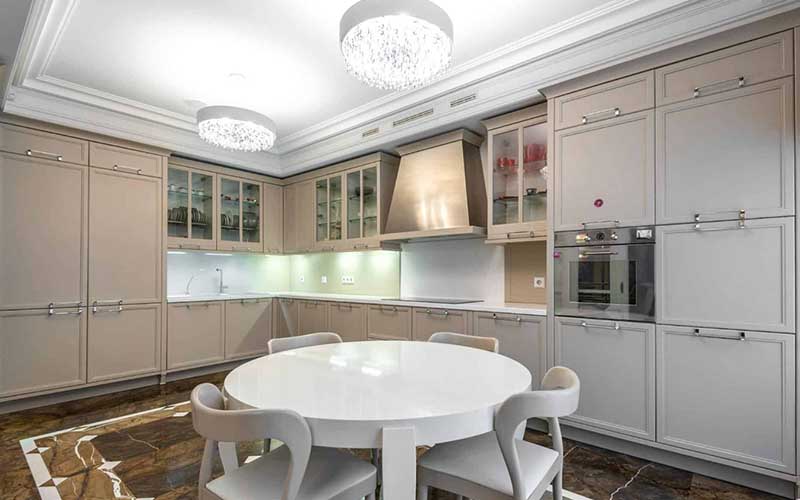
3. How Many Watts for Kitchen Lighting?
Your kitchen is one of the most important rooms for visibility. You need enough brightness for safe cooking, cleaning, and food prep – without harsh glare.
Recommended range:
- 3–4 watts per sq. ft (30–40W/m²)
- For a 150 sq. ft kitchen → 45–60W total LED power
Example setup:
- One 20W LED ceiling fixture or linear light for ambient lighting
- Two 10W LED pendant lights over the kitchen island
- Under-cabinet task lighting totaling 10–15W LED
Lighting tips:
- Choose cool or neutral white (4000–4500K) for true color accuracy while cooking.
- Avoid warm yellow light in kitchens – it can distort food colors.
- If you have a large island, use multiple low-wattage pendants instead of one bright bulb for even light spread.
If you’re asking how many watts for kitchen lighting, aim for 45–60W total LED brightness for a medium-sized kitchen.
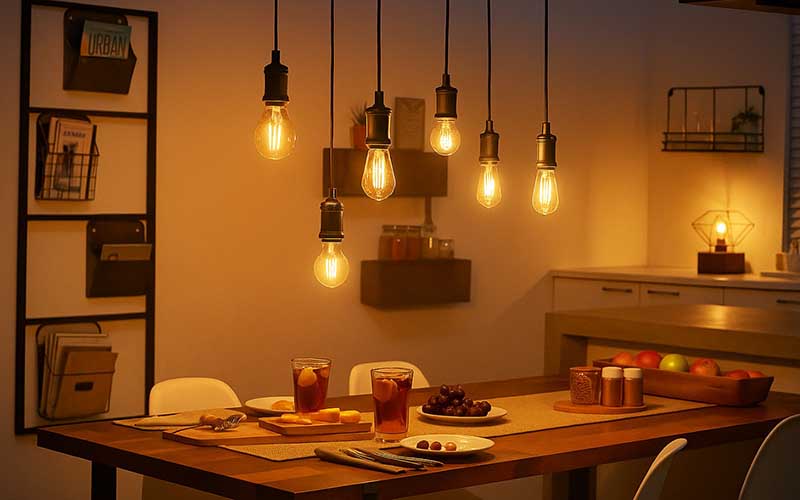
4. How Many Watts For Dining Room Light?
Dining areas benefit from balanced lighting that’s bright enough for meals but warm enough for comfort and mood.
Recommended range:
- 2–3 watts per sq. ft (20–30W/m²)
- For a 200 sq. ft dining room → 30–35W total LED lighting
Example setup:
- One 25W LED pendant or chandelier centered over the dining table
- Two 5W wall sconces or corner accent lights
Lighting tips:
- Use warm white bulbs (2700–3000K) to make food look more appealing.
- A dimmable fixture allows you to switch between bright family dinners and soft, romantic lighting.
- Consider woven rattan pendants or fabric shades to diffuse the light gently.
The right wattage for dining spaces is similar to what’s used in a cozy living room – bright enough for visibility, yet comfortable for gatherings.
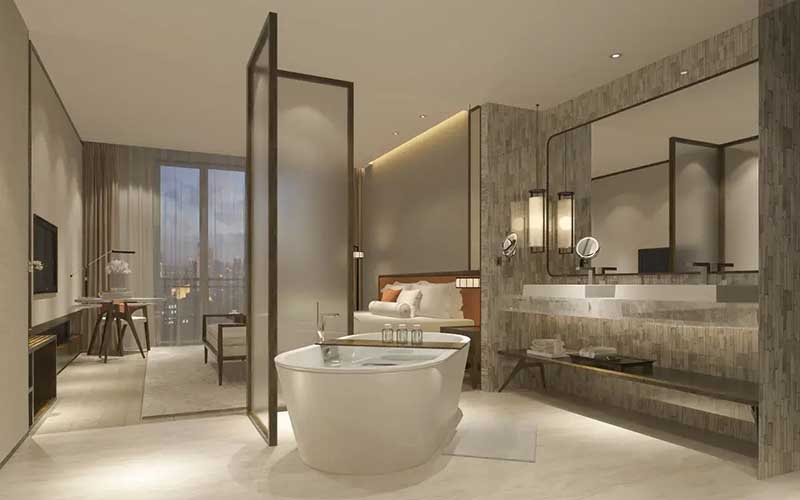
5. How Many Watts for a Bathroom Light?
Bathrooms require precise lighting for tasks like shaving, applying makeup, or skincare. A poorly lit bathroom can make colors appear dull or shadows too harsh.
Recommended range:
- 2–3 watts per sq. ft (20–30W/m²)
- For a 100 sq. ft bathroom → 20–25W total LED power
Example setup:
- One 10–12W LED ceiling light for general illumination
- Two 5–6W vanity lights placed on either side of the mirror
Lighting tips:
- Use neutral to cool white (3500–4000K) for accurate reflection and color tone.
- Avoid installing light directly above the mirror – it creates unwanted shadows.
- Opt for UL-listed fixtures rated for damp areas to ensure safety and longevity.
If you’re wondering how many watts of light for a bathroom, 20–25W LED total (distributed across ceiling and vanity lights) usually provides perfect balance.
6. How Many Watts of Light for Home Office?
Your home office or study area needs functional lighting that prevents eye strain and boosts focus.
Recommended range:
- 3–5 watts per sq. ft (30–50W/m²)
- For a 120 sq. ft office → 35–40W total LED lighting
Example setup:
- One 20W ceiling light or flush mount fixture for general illumination
- One 10W adjustable desk lamp
- Optional 5–10W wall light or bookshelf lamp
Lighting tips:
- Use cool white light (4000–5000K) to maintain focus during long hours.
- Place your desk lamp on the opposite side of your writing hand to minimize shadows.
- If your workspace doubles as a reading area, add a secondary dimmable light to relax your eyes during breaks.
When determining how many watts of light for a room used as an office, balance both ambient and task lighting – around 35–40W LED total is ideal.
7. How Many Watts for Entryway?
Hallways and entryways don’t require intense lighting but should be bright enough to move safely and make a welcoming impression.
Recommended range:
- 1–1.5 watts per sq. ft (10–15W/m²)
- For an 80 sq. ft hallway → 8–12W total LED power
Example setup:
- One or two 6W flush mount fixtures or downlights
- Optional 2–3W wall sconces for decorative glow
Lighting tips:
- Choose 3000–3500K color temperature for a warm, inviting tone.
- Consider motion-sensor lights for convenience and energy savings.
- If your hallway connects multiple rooms, keep lighting consistent for visual flow.
Quick Reference Table – Room-by-Room Wattage Guide
| Room Type | Average Size (sq. ft) | Recommended LED Watts | Ideal Color Temperature | Lighting Tip |
|---|---|---|---|---|
| Living Room | 200 | 40–60W | 2700–3000K | Use layered lighting |
| Bedroom | 150 | 15–25W | 2700K | Choose dimmable lamps |
| Kitchen | 150 | 45–60W | 4000–4500K | Focus on task lighting |
| Dining Room | 200 | 30–35W | 2700–3000K | Use pendant chandelier |
| Bathroom | 100 | 20–25W | 3500–4000K | Balance vanity + ceiling lights |
| Office | 120 | 35–40W | 4000–5000K | Add desk lamp for focus |
| Hallway | 80 | 8–12W | 3000–3500K | Consider motion sensors |
Tips for Efficient and Comfortable Lighting
Even when you know exactly how many watts to light a room, small design choices can make a big difference in comfort and energy use.
Go for LEDs:
LED bulbs consume up to 80% less energy than incandescent bulbs while providing the same brightness.
Use Layered Lighting:
Combine ambient (general), task, and accent lighting for flexibility and depth.
Install Dimmers:
Being able to reduce brightness saves energy and lets you adjust lighting to your mood.
Mind Color Temperature:
- Warm white (2700–3000K): bedrooms, dining rooms, living rooms.
- Neutral white (3500–4000K): bathrooms and hallways.
- Cool white (4000–5000K): kitchens and offices.
Choose Certified Fixtures:
Look for UL-listed or Energy Star-certified lights for safety and efficiency.
Keep Maintenance Simple:
Dust lampshades and light fixtures regularly – clean bulbs emit up to 20% more light!
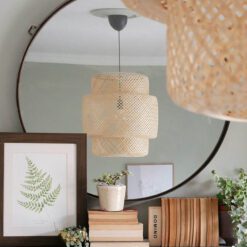
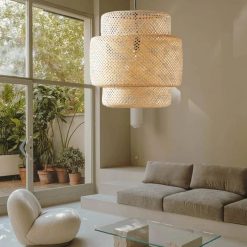
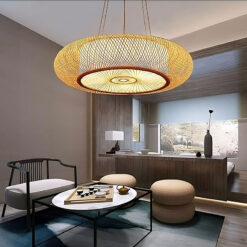
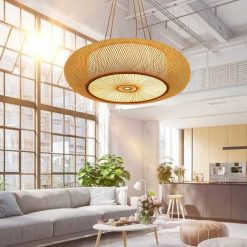
Bamboo Pendant Light
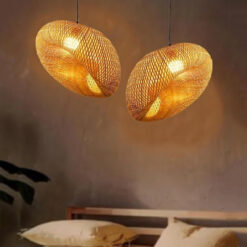
Bamboo Sinnerlig Pendant Lamp Wicker Lantern for Cozy Interiors
Bamboo Pendant Light
Bamboo Pendant Light
Bamboo Pendant Light
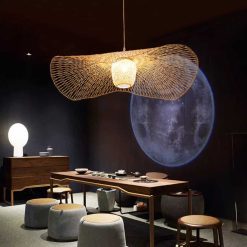
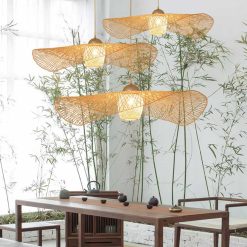
Creative Lotus Bamboo Pendant Light Fixture for Natural Interiors
Bamboo Pendant Light
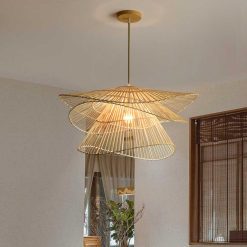
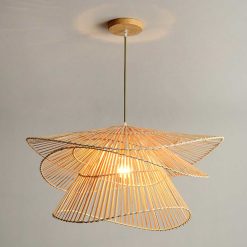
Rattan Pendant Light
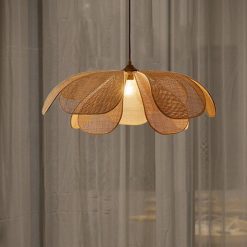
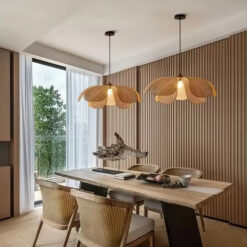
Rattan Flower Pendant Light – Woven Petal Ceiling Lamp for Dining Room
Conclusion
Determining how many watts to light a room isn’t about picking the brightest bulb – it’s about choosing lighting that fits your space, lifestyle, and mood.
By understanding the relationship between lumens and watts, and following the wattage recommendations for each room, you’ll create a home that feels both bright and energy-smart.
Whether you’re figuring out how many watts for bedroom light, how many watts for kitchen lighting, or how many watt light bulb for living room, the key is to balance comfort, function, and efficiency.
Lighting isn’t just about seeing better – it’s about living better.
Ready to elevate your space?
Explore our handcrafted rattan and bamboo pendant lights designed for every room – eco-friendly, artistic, and perfectly balanced for natural warmth.
👉 Discover Handmade Lighting at VietShopDesign.com
Quick Answers to Common Questions
That depends on your room size and purpose. For example, a 150 sq. ft bedroom needs around 15–25 watts of LED light, while a 150 sq. ft kitchen may need 45–60 watts.
Use 1–2 watts per square foot. A medium bedroom usually needs a 12–20W LED bulb for ambient lighting plus smaller bedside lamps.
About 3–4 watts per square foot. Kitchens require the highest brightness level due to food preparation and detailed tasks.
Roughly 2–3 watts per square foot. A 200 sq. ft living room needs about 40–60 watts of total LED power.
Most rooms range between 15–60 watts total LED lighting, depending on their function. Always consider lumens first, then calculate watts based on efficiency.



Unlock VIP Perks
Join as a priority member to receive gifts and be the first to access exclusive deals, our newest collections, and more...
Read more articles
25+ Best Outdoor Bamboo Pendant Lights for a Warm, Natural & Inviting Space
Outdoor bamboo pendant lighting transforms a pergola, patio, or covered garden dining space from a [...]
Jun
11 Best Organic Modern Rope Lighting Ideas for a Warm, Inviting Space
Wicker, hemp rope, jute, and water hyacinth bring the most authentically textural and the most [...]
Jun
25+ Trending Organic Modern Rattan Lights for a Cozy Living Space
The most beautifully designed organic modern interiors today are built not on safe pendant choices [...]
Jun
8 Organic Modern Rattan Dome Pendant Lights for a Soft, Natural Interior
The dome form is rattan’s most naturally generous and most softly organic pendant silhouette – [...]
Jun
9 Organic Modern Rattan Chandeliers for a Soft, Natural Interior
A rattan chandelier in an organic modern interior creates the most complete expression of what [...]
Jun
11 Organic Modern Brown Rattan Lights for a Warm, Earthy Home
Brown rattan brings the most warmly grounded and most gently earthy pendant tone to an [...]
May
15+ Organic Modern Black Rattan Lights for a Warm, Bold Home
Black rattan in an organic modern interior creates a precisely beautiful design tension – the [...]
May
12 Organic Modern Beige Rattan Lights for a Natural Interior
Beige rattan is the pendant material that organic modern design was made for – its [...]
May
25+ Organic Modern Bamboo Lights for a Soft, Natural Interior
Organic modern design lives at the most beautiful intersection of clean contemporary form and warm [...]
May
8 Best Organic Modern Wood Pendant Lights for a Warm, Natural Home
Wood pendant lighting brings a quality to an organic modern interior that no softer natural [...]
May
8 Modern Rustic Wood Lighting for a Warm, Architectural Interior
Wood pendant lighting belongs in a modern rustic interior the way exposed timber belongs in [...]
May
12 Modern Rustic Wicker Rope Pendant Lights for a Warm, Textural Interior
In a modern rustic interior built around exposed timber beams, rough stone walls, worn leather [...]
May
Explore our collections
Rattan Pendant Light
95 Products
Bamboo Pendant Light
38 Products
Fabric Pendant Light
41 Products
Wood Pendant Light
7 Products
Rope Pendant Light
14 Products
Rattan Wall Sconce
6 Products
Rattan Table Lamp
6 Products
Rattan Floor Lamp
9 Products