
Natural Materials & Craftsmanship
How to Repair Rattan Furniture – DIY Guide to Fix Rattan & Wicker Chairs
Rattan furniture adds natural warmth, texture, and charm to any space – whether it’s your cozy reading nook or your sun-drenched patio. But as beautiful as it is, rattan can wear down over time. You might start noticing broken strands, sagging seats, or peeling finish. The good news? You don’t have to throw it out. In this complete guide, we’ll walk you through how to repair rattan furniture step-by-step.
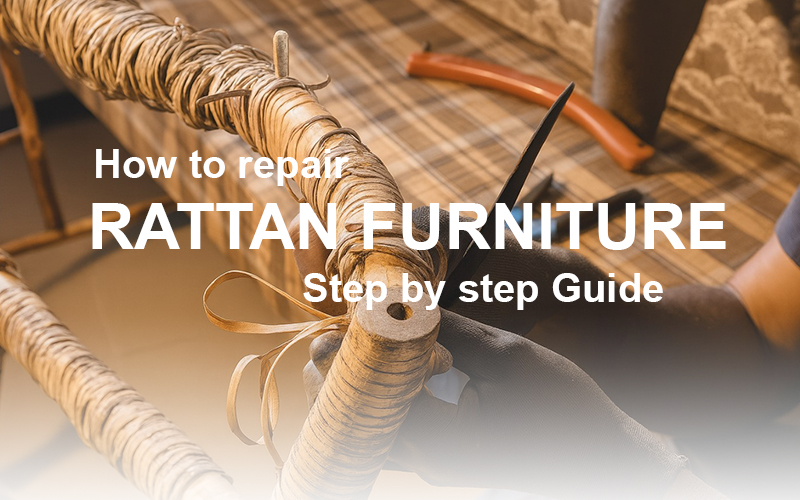
Whether you’re dealing with a loose weave, cracked rattan, or even wondering how to fix wicker furniture or restore an old rattan chair, you’ll find practical solutions here. We’ll also help you understand the differences between rattan and wicker, so you can apply the right repair techniques based on your furniture’s material.
Let’s bring your rattan or wicker piece back to life – beautiful, sturdy, and ready to impress again.
Understanding the Materials: Rattan vs. Wicker
Before diving into repairs, it’s important to understand what you’re working with. Many people confuse rattan and wicker, thinking they’re the same – but they’re not. This confusion can lead to using the wrong repair methods or materials.
- Rattan is a natural material. It’s a type of climbing palm with long, flexible stems that are harvested, dried, and shaped into furniture. It’s strong yet lightweight, and most traditional rattan furniture is made from this natural material.
- Wicker, on the other hand, is not a material – it’s a technique. Wicker refers to the method of weaving materials (like rattan, bamboo, reed, or even resin) into a woven structure. That’s why you’ll see terms like rattan wicker, bamboo wicker, or resin wicker furniture.
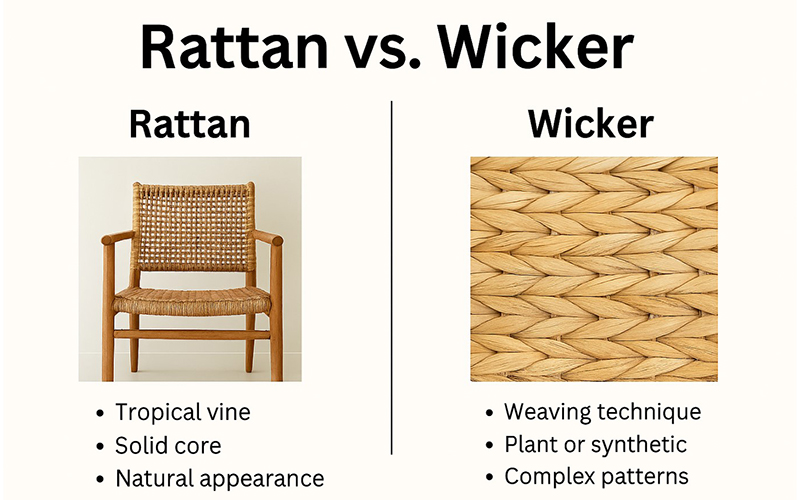
Why does this matter? Because how to repair wicker furniture depends on what it’s made from. Resin wicker, for instance, needs different adhesives and techniques compared to natural rattan. Similarly, cane furniture restoration (a type of woven rattan) may require specialized tools like spline and cane strips.
Throughout this guide, we’ll note these differences so you can be sure you’re using the right fix for your exact furniture type.


Boho Rattan Pendant Lights


Rattan Pendant Light


Boho Rattan Pendant Lights


Boho Rattan Pendant Lights


Boho Rattan Pendant Lights
Common Problems with Rattan & Wicker Furniture
Rattan and wicker furniture are admired for their intricate craftsmanship, but that same woven beauty can also be vulnerable to damage over time. Exposure to sunlight, moisture, and everyday use can all contribute to wear and tear.
Here are the most common issues you might encounter with rattan or wicker furniture:
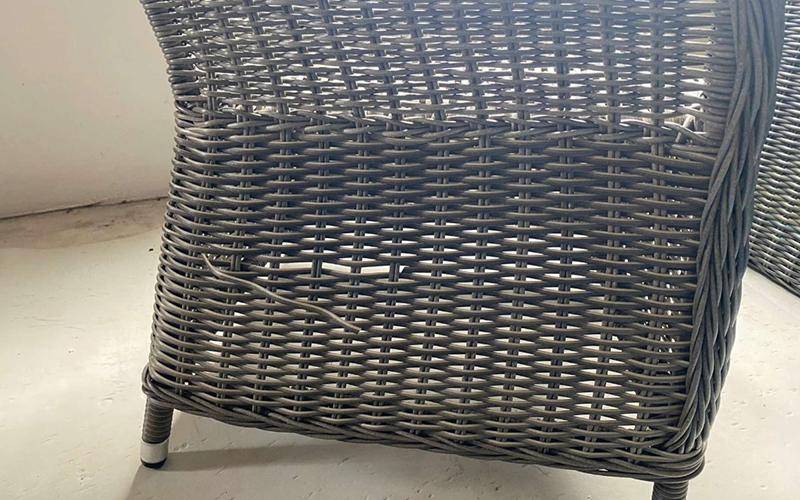
1. Broken or Damaged Strands
Loose or snapped rattan strands are one of the most frequent problems, especially on seats, armrests, or chair backs. These weak points may occur due to weight stress or simply aging material. If you’ve been searching for how to fix rattan chair or broken damaged rattan furniture, you’re not alone – this is a top repair concern.
2. Sagging or Soft Seats
Woven cane or rattan seats may sag over time, especially if the tension in the weaving loosens. This can affect comfort and aesthetics. It’s often a sign that the support underneath needs reinforcement or the weave must be tightened or replaced.
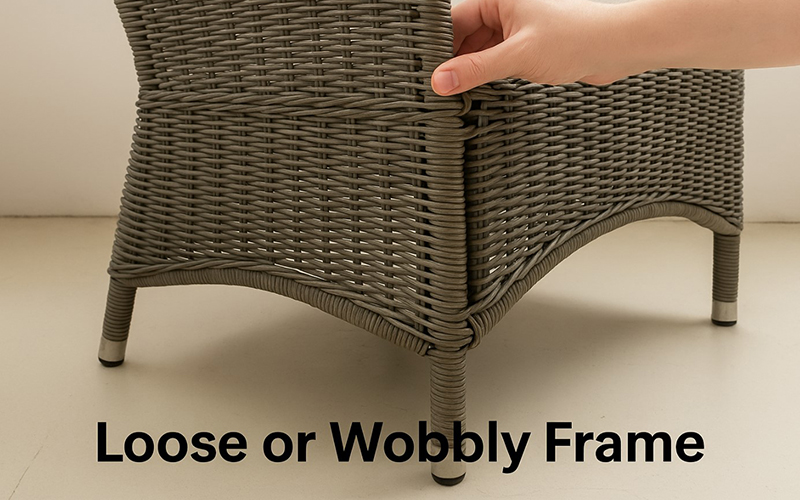
3. Loose or Wobbly Frame
If the joints of your rattan chair or sofa creak or wobble, it may indicate that the frame is coming apart. Over time, glued joints may dry out, or screws may loosen. Searching rattan chair repair near me might be an option – but in many cases, a DIY fix can work just as well.
4. Peeling, Fading, or Discoloration
Prolonged sun exposure or humidity can cause the finish on rattan to crack, peel, or fade. White spots, mildew, or dark patches may also appear. That’s when you’ll start looking into how to restore rattan furniture or repaint it for a refreshed look.
5. Unraveling Wicker Weave
For wicker furniture, especially outdoor types, resin or natural strands may start to unravel or lift out of place. If you’re dealing with this, you’re likely Googling how to repair wicker patio furniture or how to fix wicker outdoor furniture – and we’ve got you covered in the next sections.
Tools & Materials You’ll Need to Repair Rattan Furniture
Before you roll up your sleeves, gather the right tools to make your repair process smoother and more effective. The materials you’ll need can vary depending on whether your furniture is made of natural rattan, cane, or synthetic wicker.
Here’s a basic checklist for most rattan furniture repair jobs:
Tools to repair rattan furniture
- Sharp scissors or wire cutters (for trimming loose strands)
- Needle-nose pliers (to tuck or pull weave into place)
- Flathead screwdriver (to lift old spline or loosen joints)
- Small hammer or rubber mallet
- Clamps (to hold glued parts in place while drying)
- Fine-grit sandpaper or sanding sponge
- Small paintbrush or sponge for applying finishes
Materials to repair rattan furniture
- Replacement rattan cane or reed (can be bought online or at craft stores)
- Wood glue or strong adhesive (like epoxy, depending on the material)
- Replacement spline (for cane seat repair)
- Wood filler (for minor frame damage)
- Touch-up stain or paint (to match original color)
- Clear varnish, sealant, or polyurethane for protection
- Cleaning supplies: mild soap, white vinegar, soft cloths
If you’re working on how to repair a wicker chair, particularly a synthetic one, you may also need:
- Heat gun (to soften resin wicker strands for reshaping)
- Synthetic wicker replacement strips (matched by color)
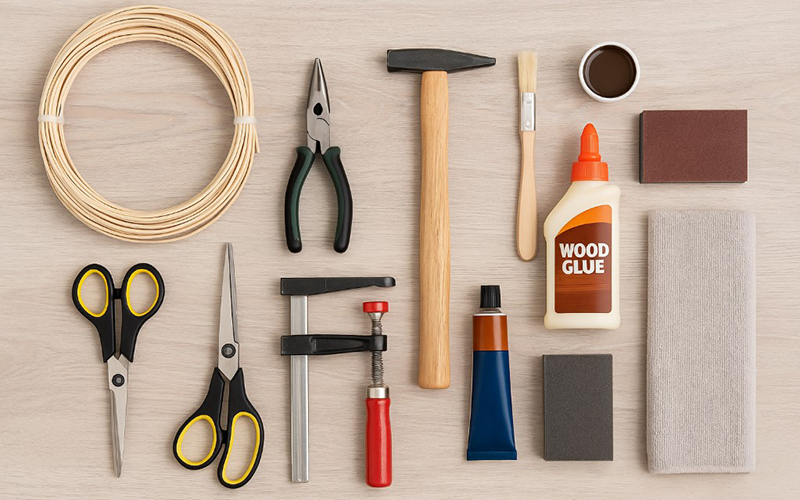
Pro tip: You can often buy a rattan repair kit that includes cane strips, spline, glue, and tools – especially useful for seat restoration projects.
Step-by-Step: How to Repair Rattan Furniture
Whether you’re working on a beloved vintage chair or trying to salvage a weather-worn patio piece, follow these steps to fix your rattan or wicker furniture effectively. Each type of damage requires a slightly different approach – so we’ll break it down by issue.
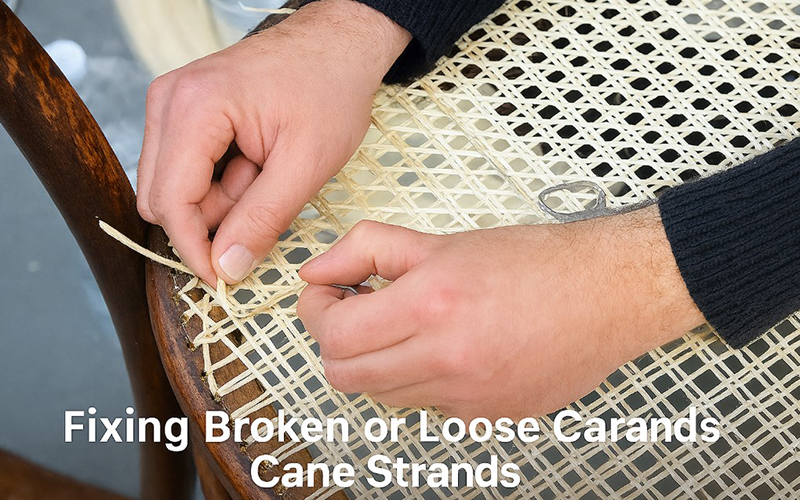
1. Fixing Broken or Loose Rattan Strands
If you’re wondering how to fix rattan furniture that’s unraveling or cracking, here’s how to handle individual strands:
Steps:
- Clean the area with a damp cloth to remove dust and debris.
- Trim broken strands cleanly using scissors or wire cutters.
- Soak replacement cane (if natural) in warm water for 30 minutes to increase flexibility.
- Weave the new strand into place, mimicking the original pattern.
- Apply wood glue at the ends and tuck them securely into the existing weave.
- Clamp or hold the strand in place until dry.
This method works well for chairs, baskets, and woven accents. It’s one of the most common types of rattan chair repair or cane furniture restoration.
2. Reinforcing a Loose or Wobbly Frame
Loose joints can make a chair feel unstable or unsafe.
Steps:
- Turn the furniture upside down and inspect all joints.
- If screws are present, tighten them gently.
- If the joints were glued, use a wood-safe adhesive to reapply.
- Clamp the area or use tension straps to keep it in place while drying.
- Wipe off any excess glue before it hardens.
If you’re not comfortable doing this yourself, you can look up rattan furniture repair near me, but often this fix is quick and doable at home.
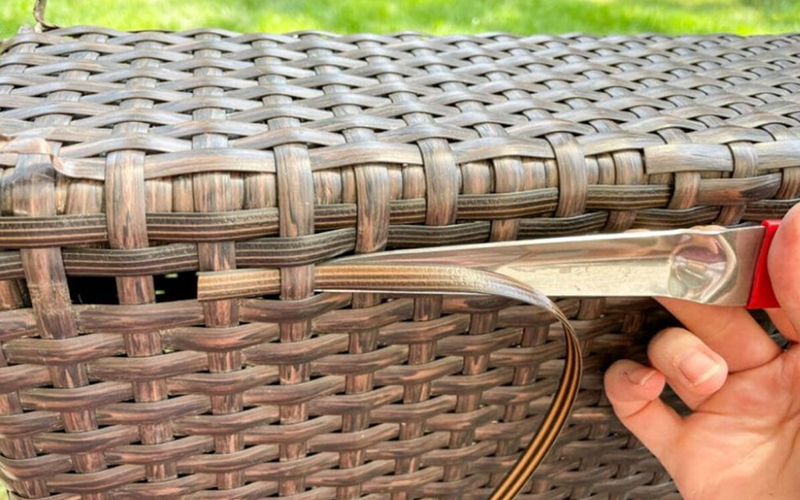
3. Repairing the Wicker Weave (Natural or Synthetic)
Loose or damaged wicker furniture weave – whether natural or resin – can often be fixed similarly to rattan.
For natural wicker:
- Use damp cane or rattan strips.
- Replace individual strands with glue and careful weaving.
For synthetic wicker:
- Use a heat gun to soften curled or bent resin strands.
- Apply hot glue or epoxy, and press the strand into place.
- Let it set completely before using the furniture again.
Searching how to repair wicker patio furniture or how to fix wicker outdoor furniture? This method works great for both.
4. Fixing Sagging Seats or Panels
For chairs with sagging cane or woven panels:
Steps:
- Cut away the damaged cane area using a utility knife or chisel.
- Measure and cut new cane or pre-woven sheet to size.
- Soak the new cane to soften.
- Press it into the groove and insert spline over it with wood glue.
- Wipe off glue and let it dry 24 hours before use.
5. Sanding, Repainting & Finishing
For a fresh look or to restore rattan furniture that’s faded or peeling:
Steps:
- Use fine sandpaper to gently smooth peeling finish or minor scratches.
- Wipe clean with a damp cloth.
- Apply wood stain or touch-up paint to match original tone.
- Once dry, seal with a clear varnish or polyurethane to protect it from moisture and UV.
Rattan Furniture Preventive Care Tips
Once your furniture is repaired, a little maintenance can go a long way in extending its lifespan and avoiding future fixes.
1. Protect from Sun & Moisture
- Keep rattan and wicker furniture indoors or under shade.
- Use furniture covers outdoors.
- Avoid placing furniture directly on damp ground or lawn.
2. Clean Gently but Regularly
- Wipe dust with a dry cloth weekly.
- Deep-clean monthly with a mix of mild soap and water, using a soft brush.
- Avoid soaking – moisture can weaken rattan strands.
Learn more: How to clean Rattan Furniture
3. Refinish Every 1–2 Years
- If your furniture is outdoors, apply a fresh coat of UV-protective varnish every few seasons to keep the color and structure intact.
4. Distribute Weight Evenly
- Don’t lean or bounce on one side of a chair.
- Use cushions to reduce pressure on the weave and to improve comfort.
Following these tips can help you avoid the need for frequent rattan chair repair or cane furniture restoration in the future.

How to Repair Rattan Light Fixtures (Pendant Lamps, Sconces & More)
Rattan light fixtures include rattan pendant lamps, rattan wall sconces, rattan standing lamp and more – are beloved for their soft glow and handcrafted charm. In many homes, these woven lights are not just functional objects but are also considered an extension of natural rattan furniture. They bring warmth, texture, and character to a space – making them very much a part of your interior decor ensemble. But just like rattan chairs or furniture, these delicate pieces can suffer wear and tear over time. Whether your light has a cracked weave, warped frame, or simple discoloration, many issues are fixable with the right tools and a gentle touch.
Common Issues with Rattan or Bamboo Lights
- Cracked or broken weave near the rim, base, or around openings
- Warped shape from exposure to humidity or heat
- Stains, dust buildup, or discoloration after prolonged use
- Loose fittings or damaged socket holders inside the lamp
These issues are not very common, but they can still occur and should be addressed properly – especially with woven floor lights, bamboo lamps, and other natural fiber light fixtures.

How to Fix a Rattan Light (Step-by-Step)
Clean Carefully
Use a soft microfiber cloth or brush to remove surface dust. For deeper cleaning:
- Mix warm water and mild soap
- Dampen a cloth (never soak) and gently wipe the surface
- Use a soft toothbrush for woven areas
Tip: Always remove the bulb and unplug the light before cleaning.
2. Repair Cracked or Broken Weave
- For small breaks, use thin rattan cane or jute twine to reweave the damaged area from the inside.
- Apply a small amount of wood glue to secure the patch.
- Hold in place with clips or pins until fully dry.
3. Fix Warped Shape
- Lightly steam the affected area using a garment steamer or a bowl of hot water (at a safe distance).
- Gently reshape the lamp by hand and secure it with clips or string to hold the desired shape until dry.
4. Refresh Color or Remove Stains
- Mix equal parts white vinegar and water to gently lighten mold spots or water stains.
- Let air dry completely in a shaded, well-ventilated area.
- Optionally, apply a clear varnish or natural oil to restore luster and protect the material.
5. Check Electrical Components
- If the cord grip, socket, or hanging kit becomes loose, tighten the parts or consider replacing the fixture kit.
- For any exposed wiring or damage to internal parts, consult a qualified electrician for safety.
Love the natural look but your light is beyond repair?
Don’t worry – you can always replace it with something even more beautiful and handmade.
👉 At vietshopdesign.com, we offer a collection of artisan-crafted bamboo and rattan light fixtures – from cozy pendant lights to statement chandeliers – all made with sustainable materials and traditional techniques by Vietnamese artisans.
Bring timeless elegance and natural warmth into your home with a piece that’s both functional and full of soul.
When to Repair vs Replace Rattan Furniture
Sometimes it’s worth putting in the effort to repair your rattan or wicker piece – other times, replacement might be the more practical option. Here’s how to decide.
When to Repair Rattan Furniture
- The damage is minor or localized – like a few broken strands or a loose joint.
- The frame is still solid and stable.
- The piece has sentimental value, vintage appeal, or unique design.
- You’re comfortable with basic DIY tasks and already have the tools.
- You’ve searched for rattan repair near me but found it costly or inconvenient.
With the right materials and some patience, many issues – like rattan chair repair or how to fix a rattan table – can be tackled at home.
When to Replace Rattan Furniture
- The rattan or cane is severely dry-rotted, crumbling to the touch.
- The frame is warped, cracked, or broken beyond reinforcement.
- The cost or time to repair exceeds the value of the item.
- The item is made of low-quality synthetic wicker that can’t be repaired effectively.
That said, even an unsalvageable piece can be upcycled. Many creative DIYers repurpose old broken damaged rattan furniture into wall art, mirrors, or shelving accents.
FAQs
1. Can I repair rattan furniture myself, or should I look for “rattan furniture repair near me”?
If the damage is minor – like a few loose strands or a sagging seat – you can likely fix it yourself using basic tools and materials. But if the frame is damaged or the entire weave needs replacing, you might consider searching rattan furniture repair near me or rattan chair repair near me for a local expert.
2. What kind of glue should I use for rattan or wicker repairs?
Use wood glue for natural rattan and epoxy or hot glue for synthetic wicker. Always test on a small area first to make sure the glue doesn’t discolor the material.
3. How do I fix a sagging rattan chair seat?
Sagging often means the cane or weave has stretched. You can replace the woven seat with new cane or pre-woven material. Soak the new cane in water, then secure it with wood glue and spline. This is a classic cane furniture restoration process.
4. Where can I buy replacement rattan or cane?
You can find rattan cane, reed spline, and even full rattan repair kits online through craft stores, woodworking suppliers, or marketplaces like Etsy and Amazon. Local upholstery shops may also carry them.
5. Can resin wicker be repaired the same way as natural wicker?
Not exactly. Resin wicker (common in outdoor sets) requires different handling. You may need a heat gun to shape replacement strands and a strong synthetic adhesive. If you’re searching how to repair wicker patio furniture, be sure to identify the material first.
Conclusion
Rattan and wicker furniture offer timeless style and natural elegance – but like all beautiful things, they require care and the occasional fix. Whether you’ve been searching for how to repair rattan furniture, restore a cherished heirloom, or simply fix a sagging seat, you now have the tools and know-how to do it yourself.
From rattan chair repair to wicker weave restoration, most common problems can be solved with a bit of patience, the right materials, and a love for craftsmanship. And remember – repairing isn’t just practical, it’s sustainable. Each piece you restore helps reduce waste and preserves a piece of artistry worth keeping.

Read more articles
Best Attic Lighting Ideas for Cozy, Functional Spaces
Transforming an attic into a functional, inviting space starts with the right lighting. Because attics [...]
Oct
Home Office Lighting Guide: Design a Space That Boosts Focus
If you’ve ever finished a workday with a headache, tired eyes, or a strange feeling [...]
Oct
Best Pantry Lighting Ideas to Brighten Your Storage Space
A well-lit pantry doesn’t just make your kitchen look more organized – it also transforms [...]
Oct
25+ Bedroom Floor Lamp Ideas to Brighten & Elevate Your Space
Bedroom floor lamp ideas offer one of the simplest and most stylish ways to elevate [...]
Oct
Best Laundry Room Lighting Ideas for a Brighter, Cleaner Space
Laundry Room Lighting Ideas focus on turning one of the hardest-working spaces in your home [...]
Sep
20+ Guest Bedroom Lighting Ideas for a Warm, Welcoming Space
Guest bedroom lighting ideas focus on creating a warm, welcoming, and comfortable environment for anyone [...]
Sep
Best Study Room Lighting Ideas for a Bright and Focused Space
A well-designed study room is more than just a desk and a chair – it’s [...]
Sep
20+ Master Bedroom Lighting Ideas for a Modern, Elegant Space
Master bedroom lighting ideas go far beyond simply choosing a ceiling fixture. A master bedroom [...]
Sep
10 Home Office Lighting Ideas for a Bright, Productive Workspace
The home office has become one of the most important rooms in modern living. Whether [...]
Aug
How to Fix Eye Strain from Bad Home Office Lighting
You take screen breaks. You’ve adjusted your monitor brightness. You even bought blue-light glasses. And [...]
Aug
25+ Bedside Pendant Light Ideas for a Stylish Modern Bedroom
Bedside Pendant Light Ideas are becoming increasingly popular as homeowners look for smarter, more stylish [...]
Aug
Best Entryway Lighting Ideas to Brighten Your Entry Space
Your entryway sets the tone for your entire home – it’s the first space guests [...]
Aug
Explore our collections
Rattan Pendant Light
102 Products
Bamboo Pendant Light
39 Products
Fabric Pendant Light
44 Products
Wood Pendant Light
13 Products
Rope Pendant Light
20 Products
Rattan Wall Sconce
6 Products
Rattan Table Lamp
9 Products
Rattan Floor Lamp
9 Products