
Natural Materials & Craftsmanship
What Is PE Wicker? Full Guide to Materials, Benefits & Uses
Today, wicker furniture has become incredibly popular in modern homes, resorts, and outdoor spaces- but not all wicker is the same. One term appears everywhere: PE wicker (also known as PE rattan, polyethylene rattan, or synthetic wicker). Many homeowners wonder: What is PE wicker? What is PE rattan made of? And why is it used so widely in patio and outdoor furniture?
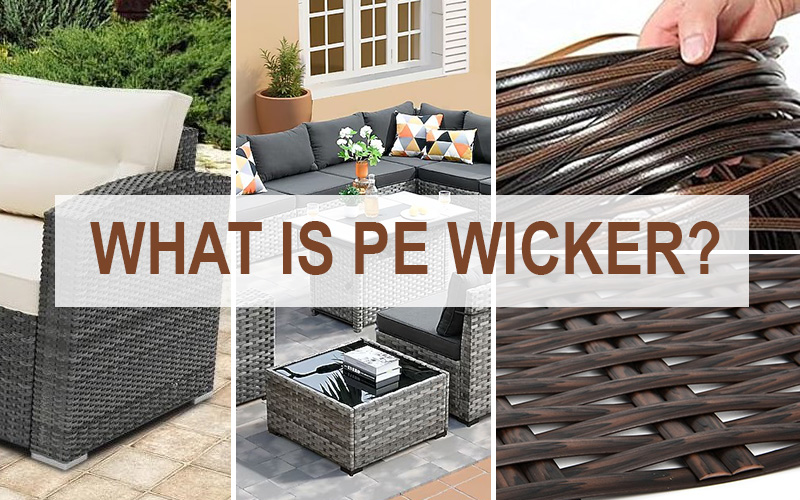
This comprehensive guide explains everything you need to know about PE wicker – its meaning, material composition, how it is made, how it compares to natural rattan, and why it has become the leading choice for outdoor and garden furniture around the world.
By the end, you’ll understand whether PE wicker is right for your home, how durable it really is, and how to choose high-quality PE rattan furniture for your patio, balcony, backyard, or indoor spaces.
What Is PE Wicker Meaning? PE Rattan
PE wicker – also called PE rattan or synthetic rattan – is a man-made woven material crafted from polyethylene (PE). As a high-quality member of the synthetic materials family, it is designed to replicate the natural beauty and hand-woven texture of real rattan while delivering far greater durability for outdoor environments.
In simple terms:
👉 PE wicker = woven furniture made from polyethylene fibers instead of natural plant vines.
It maintains the same woven appearance as natural rattan, but because it is engineered from PE, the material withstands sunlight, moisture, rain, and temperature changes significantly better.
1. Definition: What Is PE Wicker Material?
- PE = polyethylene, a strong, flexible, and recyclable plastic.
- PE wicker = a synthetic wicker material made by extruding PE into thin, rattan-like strands.
- These strands are then hand-woven around a metal frame (usually aluminum) to create furniture.
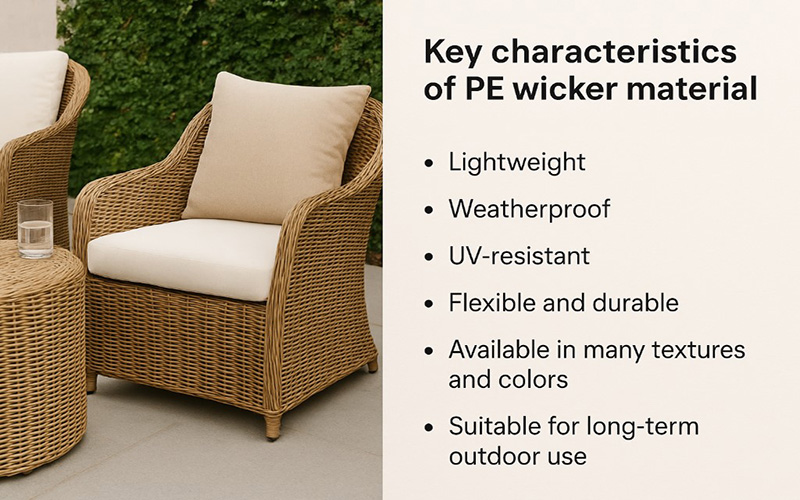
Key characteristics of PE wicker material:
- Lightweight
- Weatherproof
- UV-resistant
- Flexible and durable
- Available in many textures and colors
- Suitable for long-term outdoor use
Because of these properties, PE wicker is the standard material for high-quality patio furniture, outdoor dining sets, poolside lounge chairs, and garden seating.
2. What Is PE Rattan Made Of?
PE rattan is primarily made of:
High-Density Polyethylene (HDPE)
HDPE is the premium version of polyethylene used for luxury outdoor furniture.
It provides:
- Excellent outdoor durability
- No cracking or splitting
- Strong UV resistance
- Long lifespan (5–15+ years outdoors)
UV Stabilizers
PE rattan includes UV additives to protect it from sun damage, preventing fading and brittleness.
Color Pigments
High-quality PE wicker is colored throughout the entire strand – not just surface-coated – so scratches do not reveal white or pale plastic underneath.
Textured Patterns
Advanced manufacturing can imprint natural rattan textures onto the PE fibers for a realistic look.
In contrast, cheap synthetic wicker is usually made of PVC (polyvinyl chloride) – which is less flexible, prone to cracking, and not UV stable.
Why PE Wicker Was Created
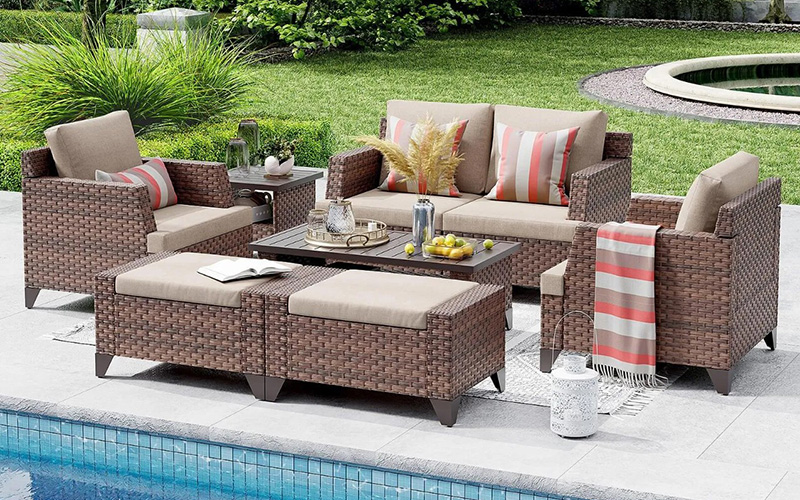
PE wicker was developed as a durable alternative to natural rattan, which cannot withstand long-term outdoor exposure.
While natural rattan is beautiful, lightweight, and ideal for indoor furniture, it performs very poorly outdoors due to moisture, sunlight, and temperature changes. This created a huge demand for a material that looked like rattan but could survive rain, sun, and daily outdoor exposure.
The main reasons PE wicker was developed:
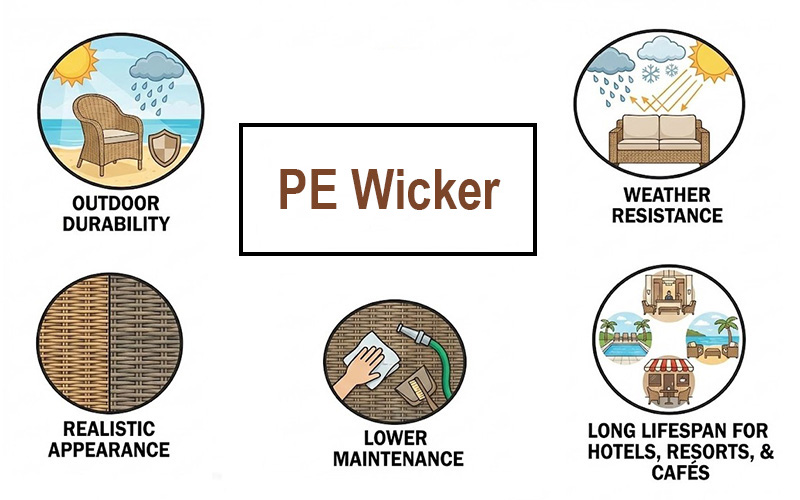
1. Outdoor Durability
Outdoor areas such as patios, balconies, pool decks, and gardens require materials that won’t crack, fade, or grow mold. Natural rattan simply cannot survive long in these environments.
2. Weather Resistance
PE wicker is resistant to:
- UV rays
- Rain and moisture
- Heat and cold
- Mold and mildew
- Poolside water (chlorine/splashing)
This makes it the perfect material for outdoor furniture used year-round.
3. Long Lifespan for Hotels, Resorts, and Cafés
Commercial spaces like resorts and restaurants wanted furniture that looked warm and natural – but lasted for years with minimal maintenance. PE wicker became the ideal solution.
4. Lower Maintenance
Unlike natural rattan, PE rattan does not need:
- Regular oiling
- Moisture control
- Indoor-only use
- Special cleaning
It can simply be wiped with soap and water.
5. Realistic Appearance
Advances in manufacturing make PE wicker look incredibly realistic – almost identical to natural rattan, especially HDPE wicker with hand-woven patterns.
Because of all these benefits, PE wicker quickly became the #1 material for outdoor wicker furniture worldwide.
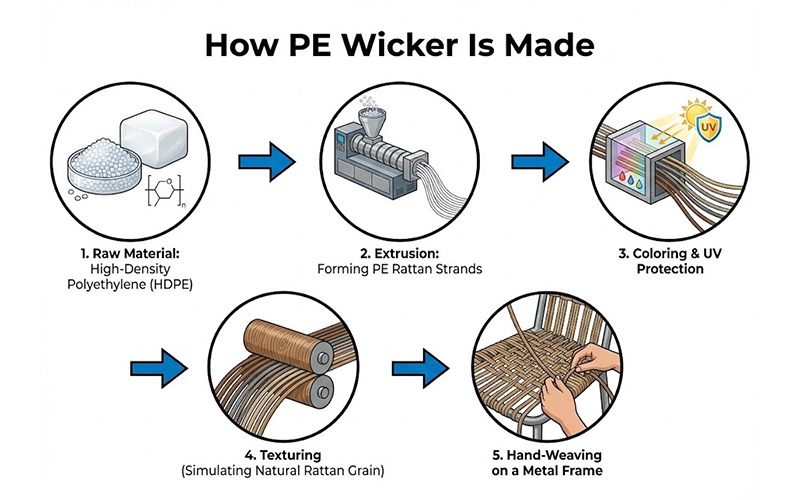
How PE Wicker Is Made
Understanding how PE wicker is made helps explain why it’s so durable and long-lasting, especially outdoors. Below is a clear, detailed breakdown of the manufacturing process – incorporating the keyword what is PE rattan made of in a natural way.
1. Raw Material: High-Density Polyethylene (HDPE)
The process begins with HDPE pellets, which are premium-grade polyethylene.
HDPE is used because it is:
- Strong
- Flexible
- UV-resistant
- Recyclable
- Non-toxic
Cheap outdoor furniture uses PVC instead – which is brittle, toxic, and far less durable.
2. Extrusion: Forming PE Rattan Strands
The HDPE pellets are melted and extruded into long, thin strands that mimic natural rattan vines.
During this stage, manufacturers can control:
- Strand thickness
- Texture
- Flexibility
- Color
- Finish (matte, semi-gloss, rough, smooth)
This step creates the base appearance of polyethylene rattan furniture.
3. Coloring & UV Protection
To ensure the wicker looks good and lasts outdoors, manufacturers add:
Color pigments
Mixed through the entire strand, not just surface-coated – meaning scratches won’t show white plastic underneath.
UV stabilizers
Protect the material from:
- Sun damage
- Fading
- Brittleness
- Cracking
High-quality PE rattan uses premium UV-resistant additives, allowing it to last 5–15+ years outdoors.
4. Texturing (Simulating Natural Rattan Grain)
Advanced machinery can apply realistic patterns onto the surface of the strands:
- Cane texture
- Half-round rattan
- Flat-weave patterns
- Round-core wicker
- “Natural look” two-tone colors
This step ensures PE wicker looks handcrafted, organic, and close to real rattan.
5. Hand-Weaving on a Metal Frame
Once the strands are ready, skilled artisans hand-weave them onto a sturdy frame – usually powder-coated aluminum, the best choice for outdoor longevity.
Aluminum is used because it is:
- Rust-proof
- Lightweight
- Strong
- Suitable for outdoor furniture
Some cheaper manufacturers use steel, which can rust over time.
6. Quality Grades of PE Wicker
Not all PE wicker is the same. There are two main categories:
1. HDPE Wicker (High-End, Premium)
- Best outdoor performance
- Longest lifespan
- Non-toxic, recyclable
- Soft, flexible texture
- Highly resistant to UV and weather
2. PVC Wicker (Cheap, Low-Quality)
- Harder and more brittle
- Fades quickly
- Cracks under heat
- Strong chemical smell
- Not recommended for long-term outdoor use
High-quality outdoor furniture always uses HDPE PE wicker, not PVC.
PE Wicker vs Natural Rattan
Many homeowners compare PE wicker with natural rattan because they look similar – but their performance and ideal usage are completely different. This section helps clarify the differences so you can choose the right material for your home.
| Category | PE Wicker (Synthetic – HDPE) | Natural Rattan (Organic Material) |
|---|---|---|
| 1. Material Composition | • Made from polyethylene (HDPE) • Engineered for high strength, UV resistance, and waterproof performance • Can replicate the look of natural rattan extremely well | • Made from real rattan vines harvested from tropical forests • 100% natural with warm, organic texture • Best suited for long-term indoor use |
| 2. Durability & Outdoor Performance | • 100% waterproof • UV-resistant • Mold-resistant • Handles heat, cold, rain, and humidity very well • Ideal for patios, balconies, gardens, poolside, and beach resorts | • Absorbs moisture → prone to mold • Fades quickly under sunlight • Can crack under heat • Warps when exposed to rain • Not suitable for outdoor furniture |
| 3. Appearance & Style | • Available in smooth or textured finishes • Many color options: natural, brown, grey, black, beige • High-quality HDPE can look up to 95% identical to natural rattan | • Richer, more organic texture • Visually warmer and more expressive • Ideal for indoor décor such as pendant lights, chairs, and baskets |
| 4. Maintenance Requirements | • Very low maintenance • Easy cleaning with soap and water | • Requires controlled indoor humidity • Needs occasional polishing or oiling • Can crack or dry out if not cared for |
| 5. Lifespan | • 5–15+ years outdoors (longer in shaded or semi-covered areas) | • Can last for decades indoors • Only lasts a few months outdoors |
| Final Conclusion | PE wicker is the global standard for outdoor furniture due to its durability, weather resistance, and low maintenance. | Natural rattan is not recommended for outdoor use, but it’s unmatched for indoor décor thanks to its natural beauty, warmth, and handcrafted appeal. |
Conclusion of Comparison
PE wicker is the best choice for outdoor furniture, while natural rattan is unmatched for indoor beauty and warmth.
PE Wicker vs PVC Wicker (Low-Quality Synthetic Rattan)
Not all synthetic rattan is made equal. The two most common materials are:
- PE (HDPE) Wicker = Premium Quality
- PVC Wicker = Cheap, Low-Quality Synthetic
Understanding the difference is essential before buying any outdoor furniture.
1. PE Wicker (HDPE) – Premium Outdoor Material
Features:
- Soft, flexible
- Long-lasting
- UV-resistant
- Doesn’t crack
- Eco-friendlier (recyclable)
- Handwoven for realistic appearance
Ideal For:
- Patio furniture
- Garden furniture
- Poolside lounges
- Hotel + resort outdoor sets
PE wicker is engineered for long-term outdoor use.
2. PVC Wicker – Budget, Low-Quality Synthetic
Features:
- Hard, plastic-like feel
- Prone to cracking in heat
- Fades under UV rays
- Strong chemical smell
- Not eco-friendly
- Short lifespan outdoors
PVC wicker is used in cheap, mass-produced outdoor sets that often last only 1–2 years under sunlight.
3. How to Tell PE Wicker from PVC Wicker
PE / HDPE Wicker
- Smooth but flexible
- Natural matte finish
- No chemical smell
- Soft but strong
- Textured like real rattan
PVC Wicker
- Hard, stiff, plastic-like
- Glossy or overly shiny
- Chemical or plastic smell
- Brittle when bent
Always choose HDPE wicker for long-term durability.
4. Price & Quality Comparison
| Feature | PE Wicker (HDPE) | PVC Wicker |
|---|---|---|
| Durability | ★★★★★ | ★★☆☆☆ |
| UV Resistance | ★★★★★ | ★☆☆☆☆ |
| Texture | Natural, soft | Hard, plastic-like |
| Lifespan | 5–15+ years | 1–2 years |
| Eco-Friendliness | Recyclable | Not eco-friendly |
| Outdoor Use | Excellent | Poor |
5. Which One Should You Choose?
If you want furniture that lasts, looks high-quality, and withstands the weather, choose: PE wicker (HDPE synthetic rattan). It’s the gold standard for patio, outdoor, garden, balcony, and resort furniture.
PVC is only for temporary, cheap setups – and not recommended for long-term use.
Advantages of PE Wicker
PE wicker has become the top choice worldwide for outdoor and patio furniture – and for good reason. Its durability, weather resistance, and low maintenance make it far superior to natural rattan and cheaper synthetic alternatives like PVC wicker.
Here are the most important advantages:
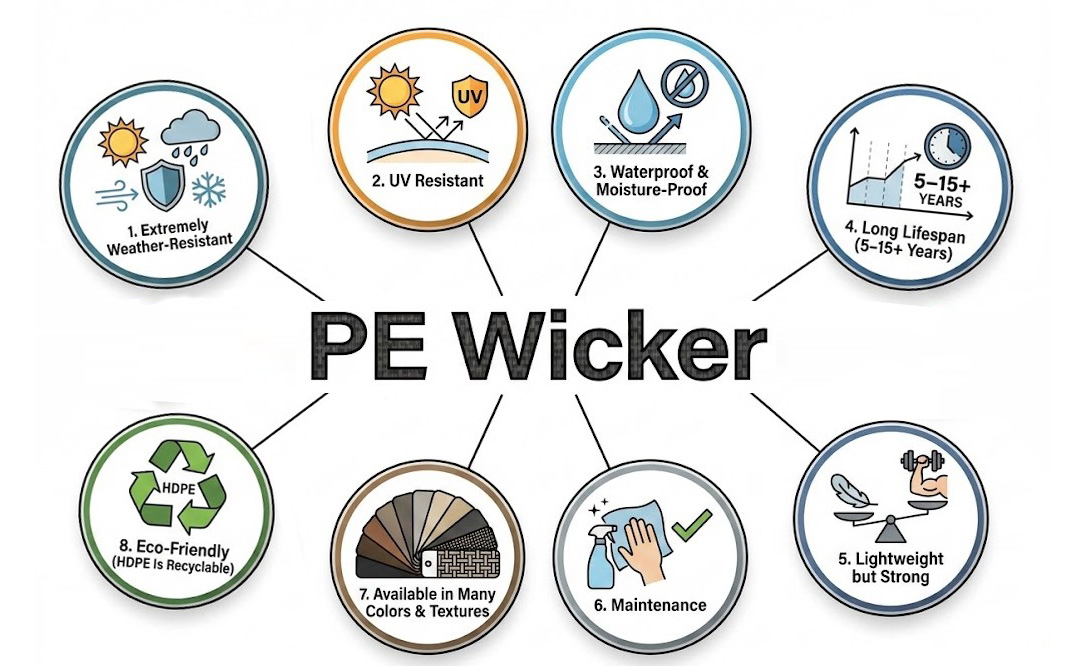
1. Extremely Weather-Resistant
PE wicker is designed specifically for outdoor conditions.
Resistant to:
- Sun / UV rays
- Rain
- Moisture & humidity
- Heat & cold temperature changes
- Mold & mildew
- Pool chlorine splashes
This is why almost all patio sets, poolside lounges, and garden chairs use PE wicker.
2. UV Resistant (Does Not Fade Easily)
High-quality PE wicker contains UV stabilizers that prevent:
- Color fading
- Cracking
- Brittleness
- Surface peeling
This keeps the furniture looking new even under strong sunlight.
3. Waterproof & Moisture-Proof
Unlike natural rattan, PE wicker:
- Does not absorb water
- Does not rot or mold
- Dries quickly
- Is safe for rain and high humidity
Perfect for tropical climates, coastal areas, pool decks, and gardens.
4. Long Lifespan (5–15+ Years)
High-quality HDPE wicker can last:
- 5–10 years under constant outdoor exposure
- 10–15+ years in shaded or partially protected areas
This longevity makes it a smart long-term investment.
5. Lightweight but Strong
PE wicker furniture is easy to move but still sturdy, especially when woven around aluminum frames.
Benefits:
- Easy to clean
- Easy to rearrange
- Suitable for balconies, terraces, and cafés
6. Low Maintenance
No special oils, varnishes, or care routines needed.
Cleaning only requires:
- Mild soap
- Water
- Soft brush or cloth
This is a major advantage for busy households.
7. Available in Many Colors & Textures
PE wicker can be customized to look like:
- Natural rattan
- Dark brown wicker
- Grey, black, beige
- Flat-weave or round-weave textures
This flexibility makes it suitable for all styles:
modern, boho, coastal, minimalist, farmhouse, resort-inspired.
8. Eco-Friendly (HDPE Is Recyclable)
Although synthetic, HDPE wicker is:
- Recyclable
- Non-toxic
- Safer than PVC wicker
- Longer lasting (less waste over time)
PE wicker is considered a more sustainable option than many petroleum-based plastics.
Disadvantages of PE Wicker
While PE wicker has many strengths, it’s important to understand its limitations. This ensures buyers choose the right furniture for their needs and avoid unrealistic expectations.
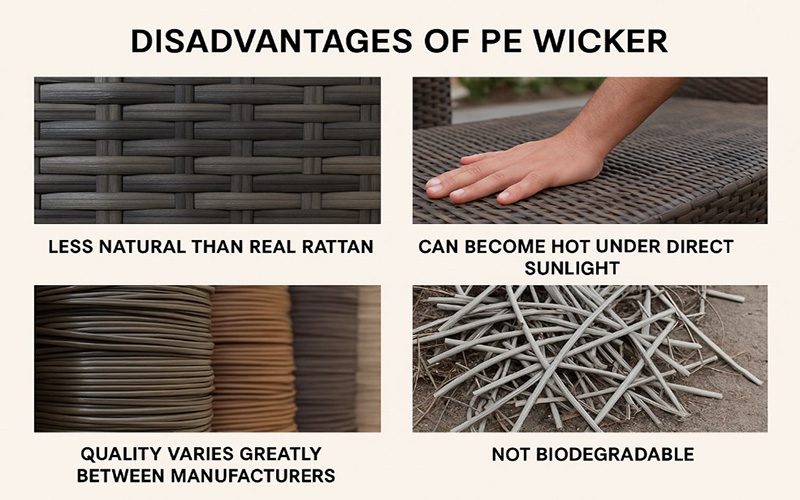
1. Less Natural Than Real Rattan
PE wicker can look realistic, but it still cannot replicate:
- the warm touch
- the organic imperfections
- the handcrafted charm
…of natural rattan.
For indoor décor lovers who want true natural texture, rattan remains the better choice.
2. Can Become Hot Under Direct Sunlight
Because PE wicker is synthetic:
- Surfaces may warm up
- Dark colors absorb more heat
This can make the furniture uncomfortable on very hot days unless cushions are used.
3. Quality Varies Greatly Between Manufacturers
Not all PE wicker is equal.
Low-quality PE wicker may:
- Crack within 1–2 years
- Fade under sunlight
- Feel hard or plasticky
- Use PVC instead of HDPE
Consumers must choose brands that clearly state: HDPE wicker + aluminum frame + UV stabilizers
4. Not Biodegradable
Although recyclable, PE wicker is not biodegradable. Use HDPE wicker and long-lasting products to minimize environmental impact.
5. Cheap PE Wicker Looks Plastic-Like
Low-end options may:
- Have a shiny finish
- Look artificial
- Feel stiff
High-quality PE wicker, however, is textured and matte, closely resembling natural rattan.
Where Is PE Wicker Used?
Thanks to its weather resistance, durability, and realistic appearance, PE wicker (PE rattan) has become the #1 material for outdoor and commercial furniture worldwide. Below are the most common applications, each naturally integrating the keywords related to outdoor and patio furniture.
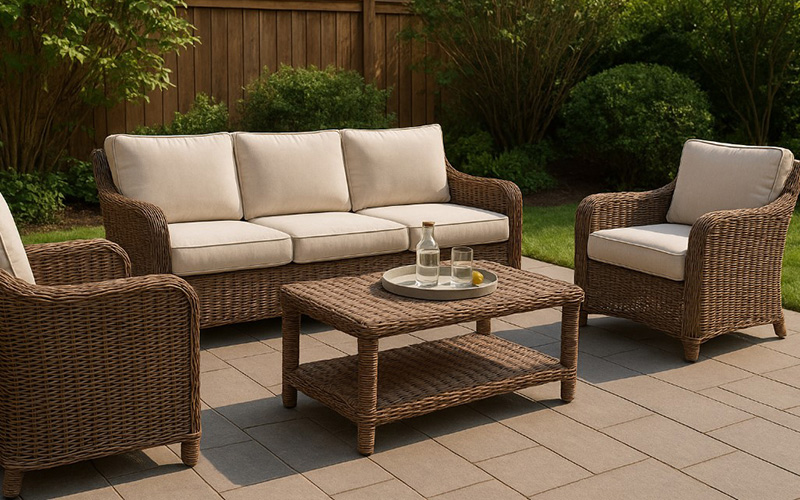
1. PE Wicker Patio Furniture
PE wicker is the gold standard for patio furniture because it withstands year-round outdoor conditions.
Typical PE wicker patio furniture includes:
- Patio lounge chairs
- Outdoor sectional sofas
- Patio dining sets
- Balcony seating
- Coffee tables & side tables
- Modular patio sets
Homeowners choose PE wicker patio furniture because it:
- Resists rain, UV, and humidity
- Requires almost no maintenance
- Remains lightweight and stylish
- Lasts much longer than natural rattan outdoors
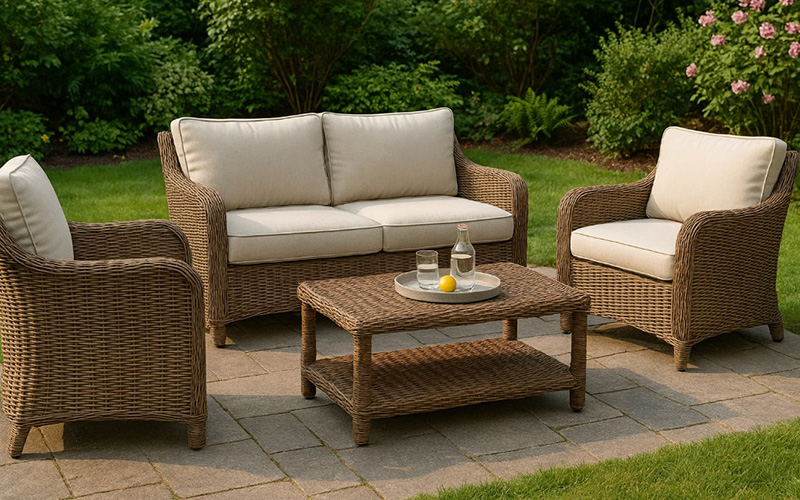
2. PE Rattan Garden Furniture
Garden furniture must handle moisture, soil contact, rain, and morning dew – conditions natural rattan cannot survive.
Common products:
- Garden lounges
- Outdoor bistro sets
- Garden daybeds
- Benches and swing chairs
- Gazebo and pergola seating
PE rattan garden furniture stays intact and attractive even when placed among plants, next to a lawn, or beside garden water features.
3. Indoor Use of PE Wicker
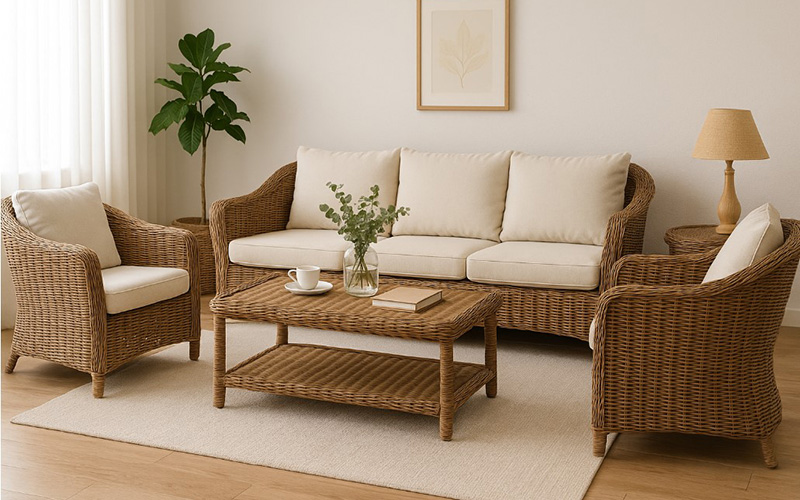
Although best known for outdoor furniture, PE wicker can also be used indoors in:
Indoor-friendly items:
- Laundry baskets
- Decorative storage boxes
- Indoor rattan-look chairs
- Coffee tables
- Magazine holders
- Planters
Indoor use is ideal for households with kids or pets because PE wicker is:
- Strong
- Flexible
- Easy to clean
- Resistant to scratches and staining
4. Commercial & Hospitality Use
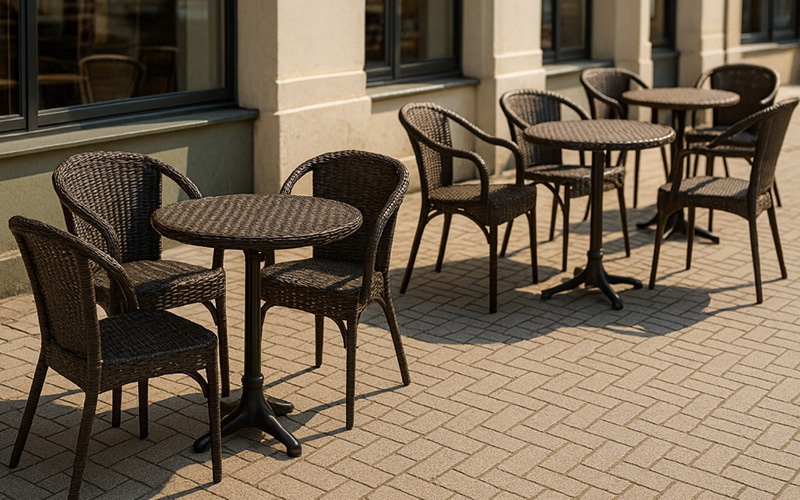
PE wicker is the preferred choice for:
- Resorts
- Beach clubs
- Cafés
- Restaurants with outdoor seating
- Hotel pools
- Cruise ships
Businesses value it because it stays beautiful and functional regardless of weather conditions.
Maintenance Guide for PE Wicker
PE wicker is known for its low-maintenance nature – one of the top reasons it’s preferred over natural rattan. With just a few simple care practices, your PE wicker furniture can stay beautiful and durable for many years.
1. Regular Cleaning Tips
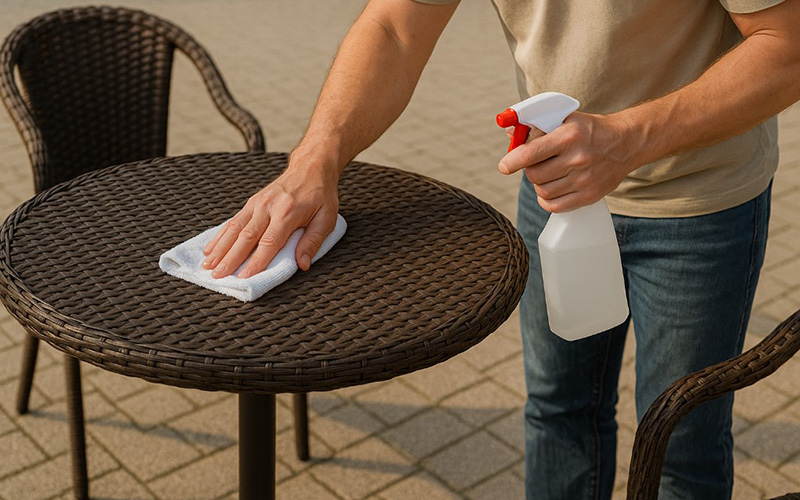
Cleaning PE wicker is extremely easy and does not require special chemicals.
How to clean it:
- Mix mild soap with warm water.
- Use a soft brush or cloth to remove dirt.
- Rinse with clean water.
- Let it air dry completely.
Avoid:
- Bleach
- Strong chemicals
- Abrasive scrubbers
- High-pressure water jets (can loosen weaving)
2. Removing Stubborn Dirt
For mud, food stains, or pollen buildup:
- Use a soft brush to loosen debris.
- Apply soap-water solution.
- Rinse gently.
If needed, use a soft toothbrush to reach tight weaves.
3. Seasonal Protection
Although PE wicker is weather-resistant, protecting your outdoor furniture extends its lifespan significantly.
Recommended:
- Use protective covers when furniture is not in use.
- Move pieces into a covered area during storms or long winter seasons.
- Store cushions separately in waterproof bags.
4. Avoiding Common Mistakes
Do NOT:
- Leave PVC wicker furniture outdoors (if unsure, test flexibility).
- Drag furniture across rough surfaces – it may loosen the weaving.
- Place furniture directly next to fire pits or heat sources.
- Sit on armrests or thin woven sections (even PE has limits).
5. Frame Maintenance
Most PE wicker furniture uses aluminum frames, which are rustproof and ideal for outdoor use.
Maintenance:
- Wipe frames occasionally
- Check screws and joints twice a year
- Avoid standing water under furniture legs
If the furniture uses steel frames, be cautious:
- Keep away from constant moisture
- Protect from rain
- Dry thoroughly
6. Extending Lifespan
To maximize the lifespan of PE wicker patio furniture / PE rattan outdoor furniture, follow these habits:
- Keep in shaded or semi-covered areas when possible
- Rotate furniture pieces for even sun exposure
- Clean regularly
- Use outdoor covers
- Store indoors during extreme winters
With proper care, good-quality HDPE wicker can last 10–15+ years outdoors.
Is PE Wicker Eco-Friendly?
When it comes to sustainability, many homeowners wonder whether PE wicker (polyethylene wicker) is an environmentally friendly material. While PE wicker is synthetic, it still has several eco-friendly advantages – especially when compared to PVC wicker or other low-quality plastics.
1. Made From Recyclable HDPE
High-quality PE wicker is made from HDPE (High-Density Polyethylene), one of the safest and most eco-friendly plastics available.
HDPE is:
- Fully recyclable
- Non-toxic
- BPA-free
- Food-grade safe
- Highly durable (reduces waste)
Because HDPE has a long lifespan and can be recycled at the end of use, it is much more sustainable than PVC or other petroleum-based materials used in cheap wicker furniture.
2. Longer Lifespan = Less Waste
One of the biggest advantages of polyethylene rattan furniture is its impressive durability.
Long lifespan means:
- Fewer replacements
- Less landfill waste
- More responsible consumption
While natural rattan is biodegradable, it cannot survive outdoors – so it must be replaced more often if misused. PE wicker solves this issue for outdoor environments by lasting 10–15+ years.
3. More Eco-Friendly Than PVC Wicker
Cheap synthetic wicker is often made from PVC (polyvinyl chloride), which is:
- Non-recyclable
- Toxic during manufacturing
- Easily damaged by UV
- Quick to end up as waste
By contrast, PE rattan (HDPE wicker) is safer, cleaner to produce, and significantly more environmentally responsible.
4. Lower Maintenance, No Chemical Treatments
PE wicker does not require:
- Varnish
- Oil
- Chemical treatments
- Anti-mold sprays
- Special coatings
This further reduces chemical pollution and makes it a more sustainable choice long-term.
5. Not Biodegradable, But Still Sustainable
Although PE wicker is not biodegradable, its combination of:
- Recyclability
- Long lifespan
- Low maintenance
- Reduced chemical use
makes it a more sustainable alternative to most synthetic materials used in outdoor furniture today.
How to Choose High-Quality PE Wicker
Buying PE wicker patio furniture or PE rattan outdoor furniture can be confusing because quality varies widely. Here is a simple guide to help you choose furniture that lasts for many years and avoids cheap, low-quality pieces.
1. Choose HDPE, Not PVC
The most important rule: Always choose HDPE wicker, not PVC wicker.
How to identify HDPE:
- Soft, flexible texture
- Matte or natural-looking finish
- No chemical smell
- Slight elasticity when bent
- Looks similar to real rattan
How to identify PVC (avoid):
- Shiny, plastic-like surface
- Hard and brittle
- Strong plastic smell
- Cracks when exposed to heat
2. Look for Aluminum Frames (Rust-Proof)
High-quality PE wicker furniture uses powder-coated aluminum frames, which are:
- Lightweight
- Rust-resistant
- Long-lasting
Avoid furniture with steel frames, especially for coastal or humid climates, as steel can rust over time.
3. Check the Weaving Quality
Good PE wicker weaving should be:
- Tight
- Even
- Smooth
- Well-secured at the edges
Handwoven HDPE wicker gives a more premium look and better durability.
4. Ensure UV Stabilizers Are Included
Ask the manufacturer if the PE wicker contains UV-resistant additives.
Why it matters:
- Prevents fading
- Prevents cracking
- Ensures outdoor longevity
Cheap wicker fades or cracks within a year if UV protection is poor.
5. Look for Color-Through Strands
High-quality PE wicker uses color-through fibers, meaning the color goes all the way through the strand – not just on the surface.
Benefits:
- Scratches are less visible
- Color remains consistent
- Furniture looks newer for longer
6. Confirm Warranty & Brand Reputation
Good brands usually offer 2–5 year warranties on outdoor furniture.
Look for:
- Clear labeling: “HDPE Wicker” / “Polyethylene Rattan”
- Aluminum frame certification
- Customer reviews
- Commercial-grade furniture options
Avoid brands that use vague terms like “resin wicker” without specifying the actual material.
7. Choose Weather-Appropriate Designs
Some designs perform better in certain climates:
- Flat weave → good for modern patios
- Half-round or round weave → thicker, more premium appearance
- Dark colors → can get hotter in direct sun
- Light colors → better for coastal and tropical climates
8. Budget vs Quality
A quick guide:
| Furniture Type | Material | Lifespan | Price Range |
|---|---|---|---|
| High-End | HDPE + Aluminum | 10–15+ yrs | Higher |
| Mid-Range | PE + Steel | 5–8 yrs | Medium |
| Low-End | PVC + Steel | 1–3 yrs | Cheap |
Always invest in HDPE wicker + aluminum frame for the best combination of beauty, durability, and value.
Frequently Asked Questions About PE Wicker
Here are the most frequently searched questions related to PE wicker, PE rattan, and polyethylene wicker furniture. The answers are SEO-optimized and designed to strengthen the overall content of your article.
PE wicker is a synthetic wicker material made from polyethylene (HDPE). It is designed to mimic natural rattan while offering superior durability, waterproof performance, and UV resistance – making it ideal for outdoor furniture.
PE rattan is made from high-density polyethylene, combined with: UV stabilizers, Color-through pigments, Textured surface patterns
The result is a flexible, durable material that looks like real rattan but lasts much longer outdoors.
Yes. PE wicker is 100% waterproof and will not absorb moisture, rot, mold, or warp – even in heavy rain or high humidity.
High-quality HDPE wicker can last:
• 5–10 years under constant direct sunlight
• 10–15+ years in partially shaded or protected areas
Cheap PVC wicker, however, may only last 1
• PE wicker = synthetic, weatherproof, outdoor-safe
• Natural rattan = organic, beautiful, best suited for indoor use
Natural rattan cannot withstand direct sun, rain, or high humidity for long periods, so it is recommended for indoor spaces rather than outdoor environments.
Conclusion
PE wicker, also known as PE rattan or polyethylene wicker, has become the leading material for outdoor furniture thanks to its durability, waterproof performance, UV resistance, and long lifespan. While natural rattan offers unmatched organic beauty for indoor settings, PE wicker is the clear winner for outdoor spaces such as patios, decks, gardens, balconies, and poolside areas.
Whether you’re furnishing a modern patio, designing a relaxing garden lounge, or upgrading your outdoor dining area, PE wicker furniture provides the perfect balance between style, strength, and low maintenance.
With proper care and by choosing HDPE wicker + aluminum frames, your outdoor furniture can stay beautiful for more than a decade – even in harsh climates.
⭐ Looking for nature-inspired indoor lighting instead?
Explore our handcrafted rattan and bamboo pendant lights, made from 100% natural fibers – perfect for adding warmth, texture, and organic beauty to any room.
👉 Discover more at VietShopDesign and bring natural elegance into your home.
See more:
- What Are Natural Materials? Definitions, Benefits & Applications
- What Is Bamboo? Definition, Uses & Eco-Friendly Benefits
- What Is Hemp Rope and How Is Hemp Rope Made?
- What Is Jute Rope, What Is Jute Twine? Uses & Benefits



Unlock VIP Perks
Join as a priority member to receive gifts and be the first to access exclusive deals, our newest collections, and more...
Read more articles
30+ Small Space Trending Rattan Light Ideas for Every Shape & Style
This is the most diverse and exciting small-space rattan collection available. From sculptural beehives to [...]
Jun
9 Small Space Rattan Dome Light Ideas for Classic, Perfectly Scaled Style
Dome, bell, gourd, egg – these are the shapes that have defined pendant lighting for [...]
Jun
10+ Small Space Rattan Chandelier Ideas for Grand, Compact Style
Who says small rooms can’t have a chandelier moment? These compact rattan chandeliers and statement [...]
Jun
10+ Small Space Brown Rattan Light Ideas for Warm, Earthy Style
Brown rattan pendant lights bring a depth and richness to small spaces that lighter beige [...]
Jun
15+ Small Space Black Rattan Light Ideas for Bold, Stylish Impact
Black rattan in a small space is a power move. While many people play it [...]
Jun
10+ Small Space Beige Rattan Light Ideas for Soft, Warm Style
Beige rattan pendant lights are a dream solution for small spaces. Their neutral warmth never [...]
Jun
30+ Small Space Bamboo Light Ideas for Stylish Compact Interiors
Small rooms deserve beautiful lighting too – and bamboo pendant lights are one of the [...]
Jun
9 Scandinavian Wood Pendant Light Ideas for Warm, Natural Style
Wood pendant lights occupy a special place in Scandinavian design. Where rattan brings organic softness [...]
Jun
12+ Scandinavian Wicker Rope Pendant Light Ideas for Warm, Natural Style
Hemp rope, jute, paper rope, water hyacinth – these are the materials that give this [...]
Jun
30+ Trending Scandinavian Rattan Pendant Light Ideas for a Warm, Natural Home
This is rattan lighting at its most diverse and exciting. From sculptural flower forms to [...]
Jun
10+ Scandinavian Rattan Dome Pendant Light Ideas for Natural Style
The dome pendant is one of interior design’s most enduring forms – and in natural [...]
Jun
9 Scandinavian Rattan Chandelier Ideas for Organic Elegance
Natural rattan chandeliers and pendant lights are the ultimate expression of Scandinavian design at its [...]
Jun
Explore our collections
Rattan Pendant Light
95 Products
Bamboo Pendant Light
38 Products
Fabric Pendant Light
41 Products
Wood Pendant Light
7 Products
Rope Pendant Light
14 Products
Rattan Wall Sconce
6 Products
Rattan Table Lamp
6 Products
Rattan Floor Lamp
9 Products