
Natural Materials & Craftsmanship
What Is Synthetic Materials? Definitions, Benefits & Uses
Synthetic materials are all around us – woven into our clothes, molded into our home products, built into our cars, and even used in the devices we rely on every day. They have become an essential part of modern life because they offer durability, versatility, and affordability that natural materials sometimes cannot match.
Yet despite how common they are, many people still wonder what synthetic materials actually are, how they differ from natural materials like bamboo or rattan, and what advantages and drawbacks they bring. Understanding this helps homeowners, designers, and consumers make smarter decisions – especially when choosing between natural décor and synthetic options for furniture, lighting, or indoor–outdoor spaces.
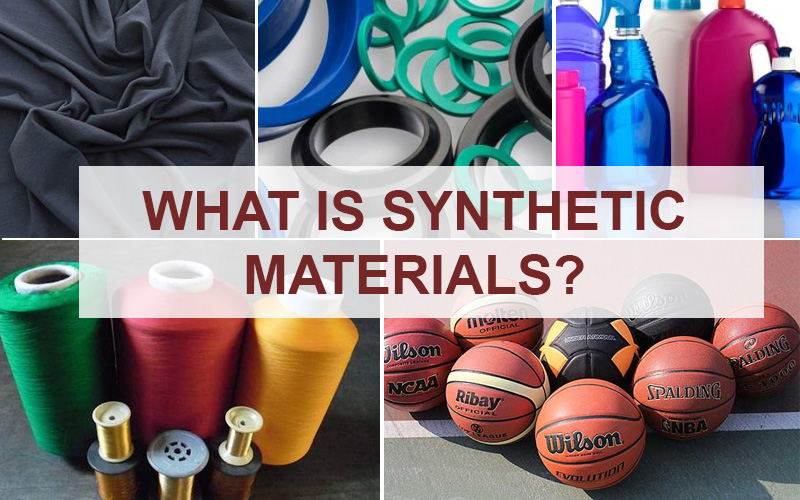
This article gives you a clear, complete, and easy-to-understand explanation of synthetic materials: What is synthetic materials, how they’re made, and why they play such an important role in today’s world.
What Are Synthetic Materials – Definition
Synthetic materials are man-made materials created through chemical or industrial processes, rather than being sourced directly from nature. Instead of coming from plants, animals, or minerals, synthetic materials are produced in factories using chemical compounds – often derived from petroleum, natural gas, or engineered chemicals.
A simple way to understand it is this:
- Natural materials → come from nature (wood, rattan, bamboo, cotton, leather, wool, clay, stone)
- Synthetic materials → are created by humans through science and technology (plastic, polyester, nylon, PVC, acrylic, HDPE wicker)
These man-made materials are engineered to offer specific qualities such as water resistance, flexibility, durability, or UV protection – making them extremely useful for a wide range of applications.
Many everyday items are synthetic, including:
- Plastic containers
- Synthetic fabrics like polyester and nylon
- PVC pipes
- Outdoor PE wicker furniture
- Automotive parts
- Microfiber cleaning cloths
- Electronics casings
Synthetic materials are especially common in areas where natural materials would break down quickly – such as outdoor furniture exposed to rain, sun, and humidity.
In short: Synthetic materials = engineered materials designed for performance, durability, and mass production.
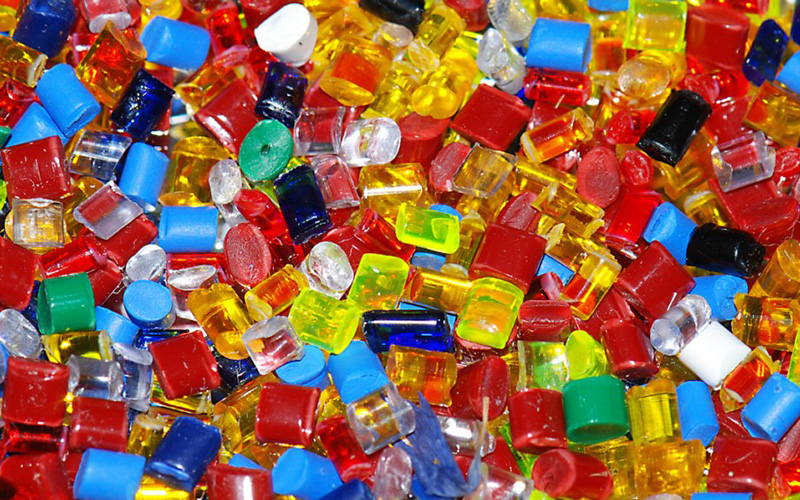
How Synthetic Materials Are Made
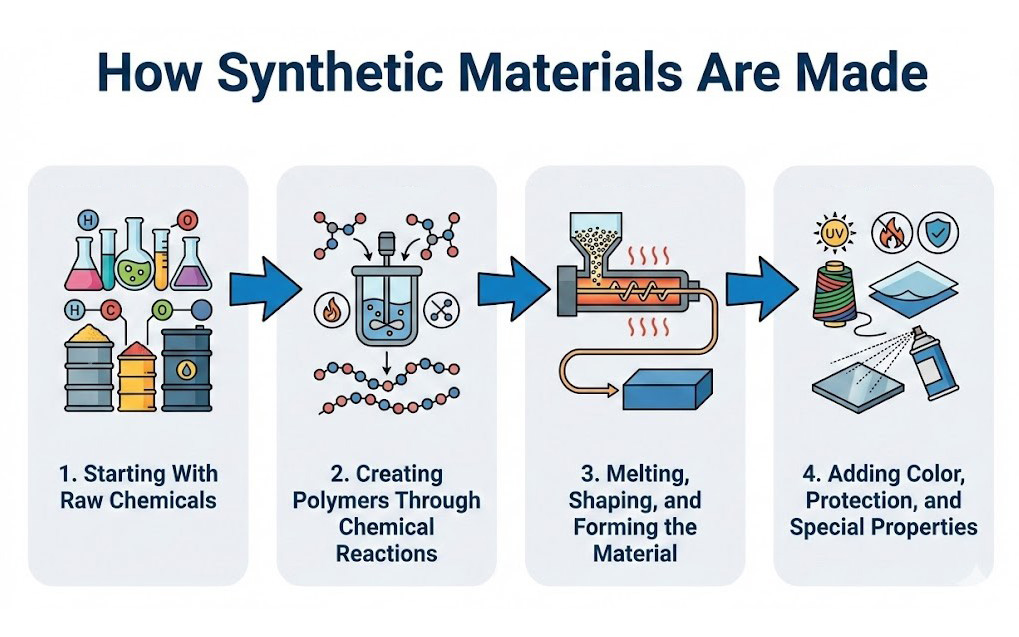
Although synthetic materials sound complex, the process behind them can be explained in a few simple steps. Most of these materials – whether plastics, synthetic fibers, or engineered composites – are created using chemical reactions and industrial machinery to achieve specific performance characteristics.
1. Starting With Raw Chemicals
The production process begins with base chemicals, often derived from:
- Petroleum
- Natural gas
- Chemical compounds engineered in laboratories
These raw substances contain hydrocarbons – the essential building blocks for many synthetic materials.
2. Creating Polymers Through Chemical Reactions
The next step is polymerization, a chemical reaction that links small molecules together to form large chains called polymers.
Polymers are the foundation of most synthetic materials, including:
- Polyethylene (PE)
- Polypropylene (PP)
- Polyvinyl chloride (PVC)
- Polyester
- Nylon
Different chemical structures result in different types of materials – each with its own level of strength, flexibility, and durability.
3. Melting, Shaping, and Forming the Material
Once the polymer is created, it is processed using industrial machines:
- Extrusion: forcing melted material through a mold to create fibers, sheets, or tubes
- Injection molding: injecting molten material into a mold to create objects (like furniture parts or casings)
- Spinning: turning polymers into synthetic fibers used for clothing or upholstery
- Blow molding: forming hollow shapes like bottles or containers
At this stage, the material begins to look like the final product.
4. Adding Color, Protection, and Special Properties
To enhance performance, manufacturers may add:
- UV protection (for outdoor use)
- Fire-retardant chemicals
- Color pigments
- Waterproof coatings
- Anti-mold additives
This is why synthetic materials can be extremely consistent and customized – something that natural materials cannot offer.
Natural vs Synthetic Materials Simple Comparison
- Natural materials require harvesting, cleaning, drying, crafting
- Synthetic materials require chemical engineering and industrial shaping
Both have their purpose, but synthetic materials offer performance characteristics that nature alone cannot provide.
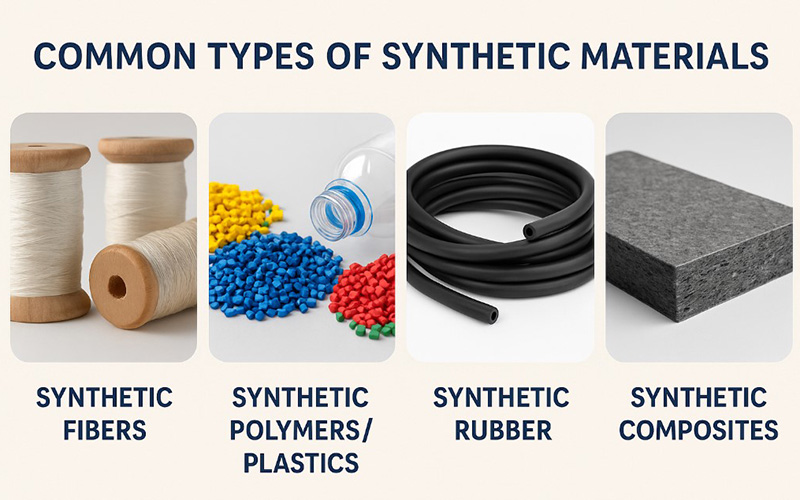
Common Types of Synthetic Materials
Synthetic materials come in many forms, each designed for different uses in fashion, construction, home décor, lighting, furniture, and everyday household items. Below is a clear breakdown of the most common categories.
1. Synthetic Fibers
These materials are spun into threads and used in textiles, upholstery, rugs, curtains, and clothing.
Popular synthetic fibers include:
- Polyester: strong, wrinkle-resistant, quick-drying
- Nylon: smooth, durable, elastic
- Acrylic: lightweight, warm, often used as a wool substitute
- Spandex / Elastane: extremely stretchy, often used in fitted clothing
- Microfiber: soft, dense fibers used for cleaning cloths, bedding, and upholstery
Where they appear in the home:
sofas, cushions, blankets, rugs, curtains, outdoor fabrics, bedding.
2. Synthetic Polymers / Plastics
Plastics are the most well-known type of synthetic material. They can be soft, flexible, rigid, or extremely strong depending on their chemical structure.
Common plastics include:
- Polyethylene (PE): used in outdoor PE wicker, containers, packaging
- Polypropylene (PP): lightweight plastic used for storage boxes and decor
- Polyvinyl chloride (PVC): used in pipes, flooring, faux leather materials
- Polycarbonate (PC): tough, impact-resistant, used in electronics
- ABS: sturdy plastic used in casings, toys, small appliances
Where they appear in the home: outdoor furniture, storage bins, lamp parts, wall panels, home accessories.
3. Synthetic Rubber
Created to mimic natural rubber but with improved resistance to heat, chemicals, or moisture.
Types include:
- Neoprene: flexible, water-resistant
- Styrene-butadiene rubber (SBR): durable, commonly used in shoes and automotive parts
Where they appear: shoe soles, protective gear, seals, gaskets, exercise equipment.
4. Synthetic Composites
These are advanced materials made by combining fibers and resins for high strength and low weight.
Examples:
- Fiberglass: used in insulation, furniture frames, outdoor structures
- Carbon fiber: extremely strong and lightweight
Where they appear: premium furniture, automotive parts, sporting goods, architectural elements.
Why This Matters for Homeowners and Designers
Understanding synthetic material types helps you choose wisely:
- Outdoor spaces → PE wicker, HDPE, PVC
- Indoor natural aesthetics → rattan, bamboo, seagrass, wood
- High-durability areas → PP, PC, ABS
- Soft furnishings → polyester, microfiber, nylon
Synthetic materials offer performance and practicality, but each type comes with different characteristics that affect comfort, durability, and sustainability.
Key Characteristics of Synthetic Materials
Synthetic materials are engineered to deliver performance, durability, and consistency that natural materials cannot always achieve. Because they are created under controlled industrial processes, manufacturers can fine-tune their properties to match specific needs. Below are the most important characteristics that define synthetic materials.
1. High Durability
Synthetic materials are designed to withstand repeated use and harsh conditions.
They are resistant to:
- Abrasion
- Impact
- Moisture
- Heat and cold
- Insects, mold, and mildew
This is why materials like PE wicker, HDPE rattan, PVC, and polypropylene are widely used for outdoor furniture – areas where natural rattan would deteriorate quickly.
2. Uniform and Consistent Appearance
Unlike natural materials, which have organic variations, synthetic materials maintain:
- Consistent color
- Consistent fiber thickness
- Predictable texture
- Smooth, even surfaces
This consistency makes them ideal for mass production and modern décor styles that favor clean lines and symmetry.
3. Water and Moisture Resistance
Most synthetic materials are naturally water-resistant or fully waterproof.
As a result, they:
- Do not rot
- Do not absorb moisture
- Do not grow mold
- Do not warp or crack in humid environments
This makes them perfect for bathrooms, patios, poolside areas, and coastal regions.
4. Lightweight Yet Strong
Synthetic materials are often surprisingly strong for their weight.
This combination allows:
- Easier shipping
- Easier installation
- Easier assembly
- Greater design flexibility
Manufacturers can create large items that remain lightweight and practical.
5. Highly Customizable
One of the biggest advantages of synthetic materials is that they can be engineered to achieve very specific features, such as:
- UV resistance
- Flexibility or rigidity
- Heat resistance
- Various surface textures
- Matte, satin, or glossy finishes
- A wide range of colors
This level of customization is difficult to achieve with natural materials.
6. Cost-Effective
Because they can be mass-produced efficiently, synthetic materials are generally more affordable than handcrafted natural materials.
They are ideal for:
- Budget-friendly furniture
- Large-scale manufacturing
- Commercial use
7. Potential Drawbacks
Despite their benefits, synthetic materials can have certain limitations:
- They may feel “artificial” compared to natural textures.
- Some types may fade or become brittle under prolonged UV exposure if not high quality.
- They are often less breathable than natural fibers.
- They can contribute to environmental waste if not properly recycled.
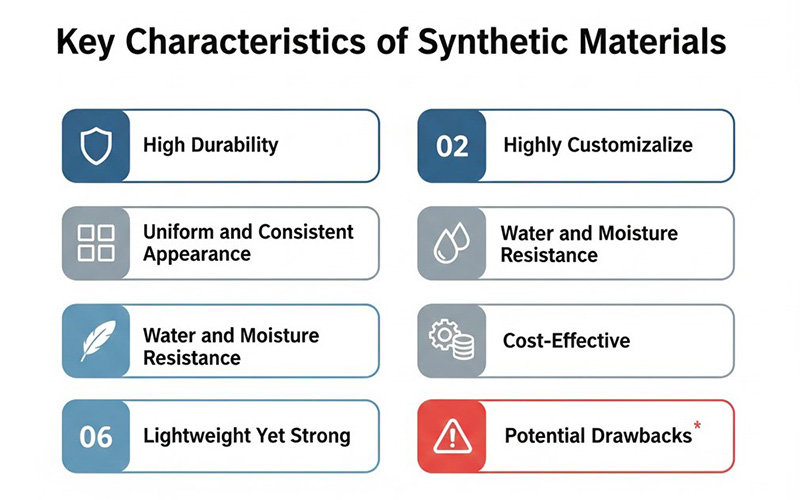
In Summary: Synthetic materials are durable, customizable, consistent, and cost-effective, but sometimes lack the natural warmth and environmental benefits of materials like bamboo, rattan, or solid wood.
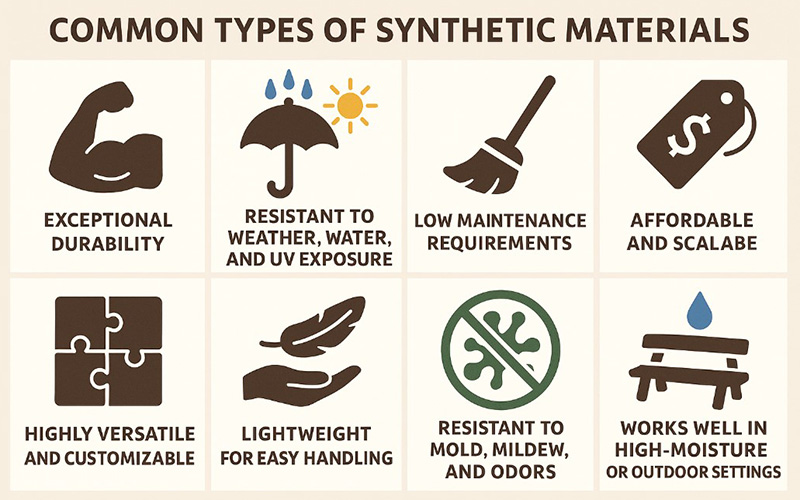
Advantages of Synthetic Materials
Synthetic materials have become essential in modern design, manufacturing, and everyday living because they offer unique strengths that natural materials cannot always match. Below are the most important advantages.
1. Exceptional Durability
Synthetic materials are engineered to last.
They resist:
- Cracking
- Warping
- Rotting
- UV damage (especially HDPE)
- Insect attacks
This durability makes them ideal for outdoor furniture, high-traffic areas, and commercial environments.
2. Resistant to Weather, Water, and UV Exposure
One of their greatest strengths is weather resistance.
Most synthetic materials:
- Repel water
- Withstand heavy rain
- Resist humidity
- Survive strong sunlight
- Adapt to sudden temperature changes
This is why PE wicker and HDPE wicker dominate the outdoor furniture market today.
3. Low Maintenance Requirements
Synthetic materials are extremely easy to care for.
They do not require:
- Oiling
- Sealing
- Polishing
- Special cleaning products
A simple wipe with a damp cloth is usually all they need.
This makes them practical for resorts, hotels, restaurants, and busy households.
4. Affordable and Scalable
They can be produced in large quantities at a low cost.
This ensures:
- Competitive pricing
- Consistent supply
- Accessibility for all budgets
Compared to handcrafted natural materials, synthetic options offer excellent value.
5. Highly Versatile and Customizable
Manufacturers can shape synthetic materials into almost any form – something that is often impossible with natural fibers. They can be made to resemble:
- Natural rattan
- Bamboo
- Leather
- Stone
- Metal
- Wood grain
Or they can take on completely modern looks.
This versatility supports endless creativity in product design.
6. Lightweight for Easy Handling
Synthetic materials are easier to move, ship, and assemble, making them especially useful in:
- E-commerce
- Interior design
- Event setups
- Commercial spaces
7. Resistant to Mold, Mildew, and Odors
Synthetic materials do not absorb moisture, so they resist:
- Mold
- Mildew
- Musty smells
This makes them perfect for humid climates and outdoor settings.
8. Works Well in High-Moisture or Outdoor Settings
Synthetic materials are ideal for:
- Patios
- Gardens
- Balconies
- Poolside lounges
- Bathrooms
- Coastal homes
They maintain their structure and beauty even in challenging environments.
Summary of Advantages: Synthetic materials offer durability, weather resistance, low maintenance, affordability, and limitless design flexibility, making them one of the most practical choices for modern homes and commercial spaces.
Disadvantages of Synthetic Materials
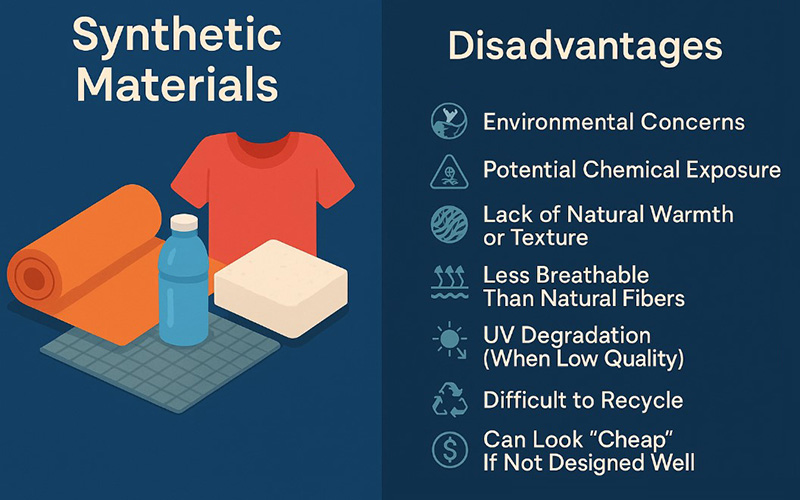
While synthetic materials offer durability, affordability, and versatility, they also come with several drawbacks that consumers, designers, and homeowners should understand. These limitations are especially important when choosing materials for indoor living spaces, eco-friendly homes, or long-term sustainability.
1. Environmental Concerns
One of the most significant disadvantages is the environmental impact.
Most synthetic materials:
- Are non-biodegradable
- Contribute to landfill waste
- Release microplastics as they degrade
- Require high-energy manufacturing processes
- Rely on petroleum-based resources
This raises concerns about long-term pollution and environmental health.
2. Potential Chemical Exposure
Some synthetic materials may release chemicals – especially low-quality plastics or vinyl-based products.
Potential risks include:
- VOC emissions (volatile organic compounds)
- BPA or phthalates in certain plastics
- off-gassing in new furniture or flooring
While high-quality, certified materials are generally safe, low-quality products may pose health risks in poorly ventilated indoor environments.
3. Lack of Natural Warmth or Texture
Synthetic materials often lack the natural warmth, character, and “organic beauty” of materials like bamboo, rattan, seagrass, or wood.
They may feel:
- Artificial
- Overly uniform
- Cold or visually flat
This can be a disadvantage for interior styles that emphasize natural textures such as Japandi, Wabi-Sabi, Scandinavian, or Bohemian design.
4. Less Breathable Than Natural Fibers
Synthetic fibers like polyester, nylon, and acrylic often trap heat and moisture instead of allowing them to breathe.
This can impact:
- Comfort in clothing
- Airflow in upholstery
- Indoor humidity regulation
Natural fibers typically perform better in these areas.
5. UV Degradation (When Low Quality)
Not all synthetic materials are created equal.
Lower-quality plastics may:
- Become brittle
- Crack
- Fade in strong sunlight
- Warp over time
For example: cheap PVC wicker or low-grade plastic furniture may only last 1–2 years outdoors, unlike high-quality HDPE wicker that can last 5–15+ years.
6. Difficult to Recycle
Many synthetic materials are technically recyclable but rarely recycled in practice because:
- They require specialized facilities
- They may be mixed with additives
- There is low economic incentive
This contributes to long-term environmental impact.
7. Can Look “Cheap” If Not Designed Well
Some synthetic products – especially low-cost ones – may look low-quality compared to natural, handcrafted items.
They can appear:
- Overly glossy
- Plasticky
- Mass-produced
This is a design drawback for premium interiors.
Summary of Disadvantages: Synthetic materials are practical and long-lasting but can raise concerns about environmental impact, recyclability, chemical exposure, and visual authenticity, especially in indoor interior design.
Environmental Impact & Sustainability Considerations
Synthetic materials play a major role in modern life, but their environmental footprint is significant. Understanding this impact helps consumers make responsible decisions and choose the most sustainable options available.
1. Non-Biodegradable Waste
Most synthetic materials – especially plastics – do not decompose naturally.
They can persist in the environment for:
- Hundreds of years (plastic bottles)
- Decades (synthetic fabrics)
- Indefinitely in some cases
This long lifespan contributes heavily to global waste accumulation.
2. Microplastics Pollution
As synthetic materials break down, they release tiny particles called microplastics, which:
- Contaminate soil
- Pollute rivers and oceans
- Enter the food chain
- Affect marine life
- May impact human health
Synthetic textiles and PE/PVC-based products are major contributors.
3. Resource-Intensive Manufacturing
Producing synthetic materials often requires:
- Large amounts of energy
- Petroleum or natural gas
- Chemical processing
- High heat and pressure systems
This leads to increased carbon emissions and environmental strain.
4. Chemical Release During Production
Manufacturing synthetic materials can release:
- Toxic byproducts
- Industrial waste
- Greenhouse gases
While modern factories follow stricter environmental standards, the impact is still notable.
5. Limited Recycling Options
Although many synthetics are recyclable, the reality is:
- Infrastructure is limited
- Recycling rates are low
- Contamination reduces efficiency
- Some plastics degrade in quality after recycling
This means most synthetic products end up in landfills or the environment.
6. Sustainability Improvements and Future Innovations
Despite the challenges, positive advancements are emerging:
- Recycled plastics (rPE, rPET) used in furniture, textiles, and lighting
- Bio-based polymers derived from plants
- Closed-loop recycling systems adopted by some manufacturers
- Eco-friendly dyes and additives reducing toxic waste
- High-quality HDPE that lasts longer and reduces frequent replacement
These innovations are helping reduce the environmental footprint of synthetic materials.
7. Comparison With Natural Materials
Natural materials such as bamboo, rattan, jute, seagrass, and solid wood offer:
- Renewability
- Biodegradability
- Lower carbon footprint
- Fewer chemical processes
This makes them a preferred choice for sustainable design – especially for indoor décor, lighting, and artisanal furniture.
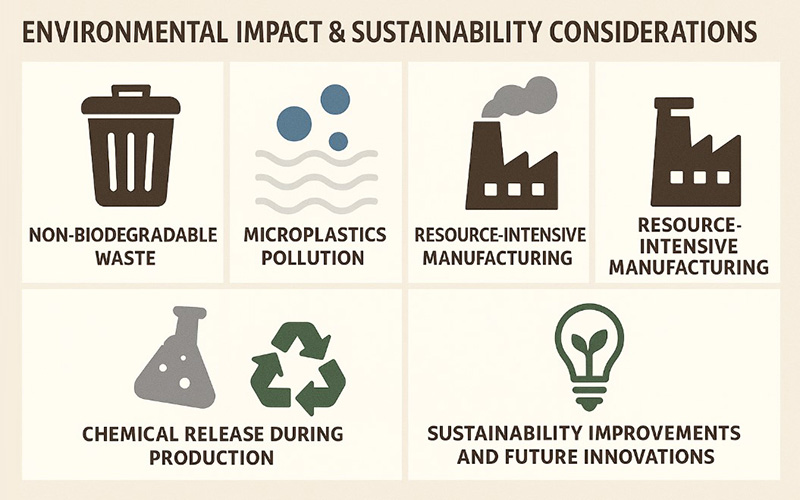
In Summary
Synthetic materials offer performance and convenience, but their environmental impact is significant. The future lies in:
- Higher-quality, longer-lasting synthetic products
- Recycled materials
- Responsible manufacturing
- And increased use of natural, renewable alternatives where possible
Synthetic Materials vs Natural Materials Comparison
Choosing between synthetic and natural materials can dramatically influence the look, performance, and sustainability of your space. Each category brings different strengths, limitations, and design characteristics. Understanding these differences helps homeowners, designers, and consumers make informed decisions – especially when selecting furniture, lighting, and home décor.
| Category | Synthetic Materials | Natural Materials |
|---|---|---|
| 1. Origin & Composition | • Man-made through industrial and chemical processes • Usually derived from petroleum, natural gas, or engineered compounds • Highly controlled and uniform | • Come directly from plants, animals, or minerals • Examples: rattan, bamboo, solid wood, cotton, wool, seagrass, jute, stone • Organic, renewable, and naturally varied |
| 2. Aesthetic Qualities | • Uniform in color and texture • Can mimic natural materials (e.g., PE wicker that looks like rattan) • Sometimes feels artificial or overly smooth • Ideal for minimal, modern, and industrial styles | • Unique variations in grain, fibers, and texture • Warm, tactile, and visually rich • Adds authenticity and natural beauty • Perfect for Japandi, Wabi-Sabi, Scandinavian, Boho, Coastal, and modern rustic interiors |
| 3. Durability & Performance | • Excellent resistance to water, UV rays, humidity, temperature changes • Ideal for outdoor furniture and high-moisture areas • Handles heavy use and harsh environments well | • Performs beautifully indoors • Sensitive to moisture, sunlight, and temperature shifts • May crack, mold, or fade outdoors unless protected • Example: Natural rattan is perfect for indoor lighting; PE/HDPE rattan is required outdoors |
| 4. Environmental Impact | • Non-biodegradable • Can release microplastics as they age • Production relies heavily on fossil fuels | • Renewable, biodegradable, and low-impact • Often sustainably harvested (bamboo grows extremely fast) • Produces less pollution during processing |
| 5. Cost & Production | • Cheaper and easier to mass-produce • Consistent supply • Lower labor requirements | • Requires skilled craftsmanship • Longer harvesting and processing times • Higher cost due to handmade techniques and natural sourcing |
| 6. Best Use Cases | • Outdoor furniture • Poolside lounges • High-traffic commercial areas • Budget-friendly products • Long-term durability needs | • Indoor décor and lighting • Handmade and artisanal goods • Eco-conscious homes • Warm, nature-inspired interiors • Spaces requiring breathability and low chemical exposure |
In Summary
- Synthetic materials provide superior durability, weather resistance, and affordability, making them ideal for outdoor or commercial use.
- Natural materials offer beauty, sustainability, and indoor comfort, making them the best choice for handcrafted décor, warm interiors, and eco-friendly homes.
Synthetic vs Natural Materials in Real-World Applications
To make the differences easier to understand, here are practical examples of how synthetic and natural materials appear in everyday homes – especially in décor, furniture, and lighting.
| Category | Synthetic Materials (HDPE Wicker, PVC, PP, Polyester, etc.) | Natural Materials (Rattan, Bamboo, Seagrass, Jute, Cotton, etc.) |
|---|---|---|
| 1. Outdoor Furniture | • Used for patio sets, garden chairs, pool loungers• Resist rain, humidity, UV rays, and temperature changes• Long lifespan: 5–15+ years outdoors | • Not suitable for outdoor use• Crack, mold, fade, and weaken within months• Natural rattan lasts only a few months outdoors |
| 2. Indoor Lighting & Pendant Lamps | • Plastic/PVC shades are uniform and budget-friendly• Lack handcrafted texture• Common in mass-market lighting | • Rattan, bamboo, seagrass → warm, organic glow• Perfect for dining rooms, bedrooms, living rooms• Ideal for Japandi & Wabi-Sabi interiors |
| 3. Home Accessories | • Plastic baskets → durable, water-resistant, easy to clean• Lower artisanal value | • Seagrass, jute, water hyacinth baskets → warm, natural, handcrafted• Add authenticity and texture |
| 4. Textiles & Upholstery | • Polyester, nylon, acrylic → durable, easy to clean, stain-resistant | • Cotton, linen, wool → breathable, soft, luxurious feel |
| 5. Bathroom & High-Moisture Areas | • Excellent for bathroom shelves, stools, and accessories• Resist swelling, mold, and discoloration | • Prone to swelling, mold, and color changes in humidity |
| 6. Commercial Spaces (Cafés, Hotels, Restaurants) | • Great for heavy use, cleaning chemicals, and outdoor seating• Longer lifespan, easier maintenance | • Best for indoor lounges, boutique décor, premium ambiance• Require care and controlled environments |
| 7. Faux Materials in Modern Homes | • Can mimic rattan, wood, leather, stone, marble• Lower price, minimal maintenance• Consistent and durable | • Natural materials offer authenticity and unique texture• Higher craftsmanship value |
In Summary
Real-life applications clearly show when to choose synthetic materials (outdoors, high-moisture, high-traffic) and when natural materials are the smarter choice (indoor décor, artisanal products, eco-friendly homes, and warm interior design).
Are Synthetic Materials Safe?
Safety is one of the most common concerns consumers have when it comes to synthetic materials. The truth is that most modern synthetic materials are safe when they are produced according to international standards and used correctly. However, there are important factors to understand.
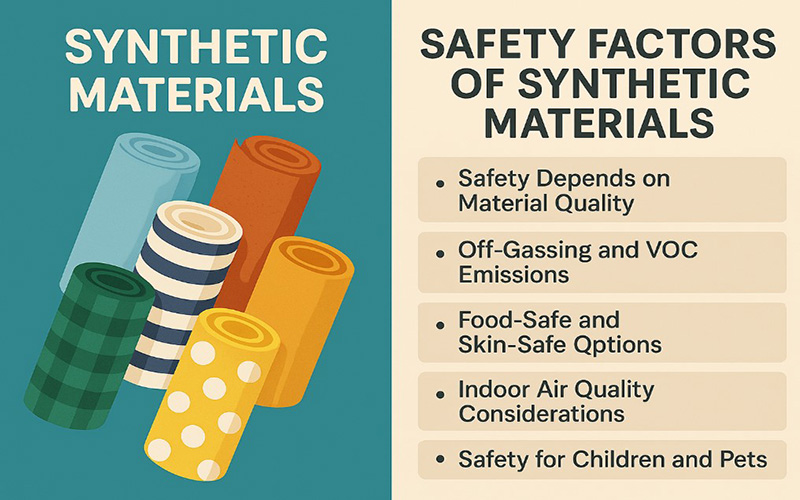
1. Safety Depends on Material Quality
Not all synthetic materials are created equal.
High-quality, certified plastics or fibers are generally safe, while low-quality or unregulated products may release unwanted chemicals.
High-quality synthetic materials typically meet certifications such as:
- OEKO-TEX® (for fabrics and textiles)
- REACH compliance (European chemical safety standard)
- RoHS (restricts hazardous substances in manufactured items)
- BPA-free labels for consumer plastics
- ASTM or ISO standards for safety and durability
Cheap, non-certified products – especially low-cost PVC or poorly processed plastics – may off-gas or release chemicals over time.
2. Off-Gassing and VOC Emissions
Some synthetic materials may emit volatile organic compounds (VOCs) when new.
Common sources include:
- Vinyl flooring
- Plastic furniture
- Inexpensive foam products
- Some synthetic textiles
While these emissions typically fade over time, good ventilation and choosing certified, high-quality materials reduce risk.
3. Food-Safe and Skin-Safe Options
Many synthetic materials are specially designed to be:
- non-toxic
- food-safe
- skin-safe
- hypoallergenic
For example:
- Polypropylene (PP) is widely used in food containers.
- Polyester used in upholstery is considered skin-safe.
- HDPE is one of the safest and cleanest plastics, often used in medical applications.
4. Indoor Air Quality Considerations
Synthetic materials that contain additives or adhesives may affect indoor air quality if they are:
- Low quality
- Poorly manufactured
- Used in large quantities in enclosed spaces
To minimize issues:
- Choose certified materials
- Avoid cheap vinyl products
- Ventilate newly furnished spaces
5. Safety for Children and Pets
Most high-quality synthetic items – especially HDPE, PP, and OEKO-TEX fabrics – are safe for kids and pets.
However, avoid:
- Cheap foam toys
- Heavily scented plastics
- Uncertified vinyl products
In Summary: Synthetic materials can be very safe when they meet proper standards. Choosing high-quality, certified, and non-toxic products ensures you enjoy durability without compromising health or indoor air quality.
When Should You Choose Synthetic Materials?
Synthetic materials excel in certain environments and applications where natural materials fall short. Knowing when to choose them helps you optimize both performance and cost.
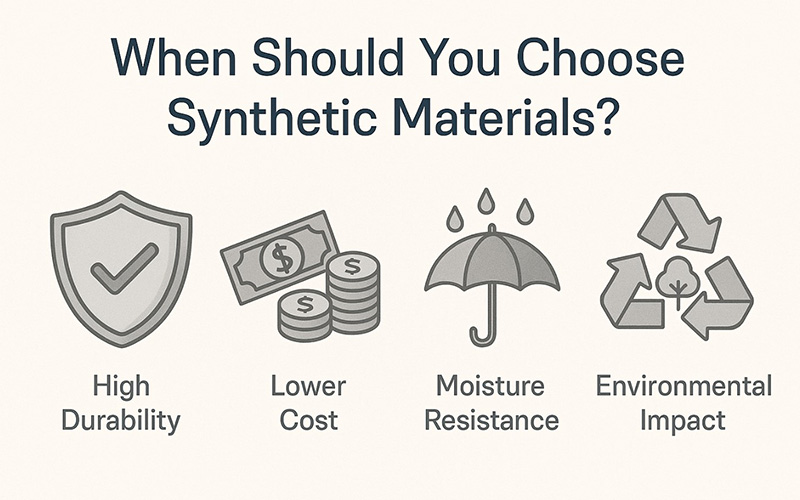
1. Outdoor Use
Synthetic materials are the best choice for outdoor environments, including:
- Patios
- Balconies
- Gardens
- Rooftops
- Poolside seating
- Outdoor cafés
Reasons:
- Fully waterproof
- UV resistant
- Mold and mildew resistant
- Require almost zero maintenance
Example: HDPE wicker patio chairs last years longer than natural rattan chairs left outdoors.
2. High-Moisture or Coastal Areas
For regions with:
- High humidity
- Frequent rainfall
- Salt air
- Large temperature fluctuations
synthetic materials perform far better than natural fibers.
Perfect for:
- Bathrooms
- Beach houses
- Basements
- Spa areas
- Tropical climates
3. Heavy-Duty or High-Traffic Applications
Choose synthetic materials when your furniture or décor must withstand constant use.
Great for:
- Hotels
- Restaurants
- Resorts
- Coffee shops
- Rental properties
- Co-working spaces
They are durable, easy to clean, and resistant to stains.
4. When Low Maintenance Is a Priority
If you want products that require little to no upkeep, synthetic materials are ideal.
They do not require:
- Refinishing
- Oiling
- Polishing
- Special cleaning products
Just a quick wipe-down.
5. Budget-Friendly Projects
Synthetic materials are more affordable and easier to produce at scale, making them ideal for:
- Starter homes
- Rental apartments
- Commercial fit-outs
- Large family households
They deliver good value without sacrificing durability.
6. When You Need Specific Performance Features
Synthetic materials can be engineered to deliver:
- Fire resistance
- UV protection
- Extreme flexibility
- Extreme rigidity
- Lightweight strength
- Chemical resistance
Natural materials simply cannot achieve some of these engineered properties.
7. For Products Shaped or Molded Into Complex Forms
Synthetic materials can be extruded, molded, and shaped into forms that are impossible with natural materials.
Ideal for:
- Modern furniture frames
- Lighting fixtures
- Appliance casings
- Storage solutions
In Summary
You should choose synthetic materials when you need outdoor durability, weather resistance, low maintenance, affordability, and high-performance engineering. They shine in practical, functional, and high-use environments where natural fibers may fail.
When Should You Choose Natural Materials Instead?
While synthetic materials offer strength, durability, and weather resistance, there are many situations where natural materials are the better choice. For homeowners who value aesthetics, sustainability, and indoor comfort, natural materials often deliver qualities that synthetics simply cannot replicate.
1. When You Want a Warm, Organic, and Authentic Aesthetic
Natural materials like rattan, bamboo, seagrass, jute, wood, clay, and linen bring:
- Warmth
- Texture
- Natural variation
- Handcrafted beauty
- A calming, earthy presence
These qualities are perfect for interior design styles such as:
- Japandi
- Wabi-Sabi
- Scandinavian
- Boho
- Mediterranean
- Coastal
Synthetic materials rarely capture the same emotional or visual depth.
2. Indoor Décor, Lighting, and Furniture
Natural fibers thrive indoors because they are:
- Protected from humidity
- Away from UV exposure
- Used in stable temperatures
Best natural material applications include:
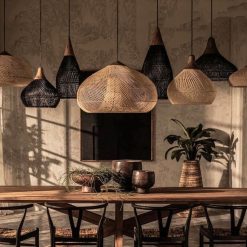
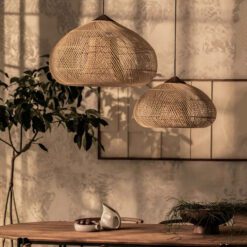
- Rattan pendant lights
- Bamboo lamps
- Seagrass or jute baskets
- Indoor chairs and side tables
- Decorative accents
- Wall art
- Woven trays
These pieces make interior spaces feel more inviting and personal.
3. When Sustainability and Eco-Friendliness Matter
Natural materials are often:
- Renewable
- Biodegradable
- Low-impact
- Free from microplastics
Examples:
- Bamboo grows rapidly with minimal environmental footprint.
- Rattan is harvested in ways that support forest ecosystems.
- Seagrass and jute are biodegradable and eco-friendly.
If environmental responsibility is a priority, natural materials are the clear winner.
4. When You Prefer Low Chemical Exposure
Natural materials contain fewer processed chemicals than synthetic ones.
They minimize:
- VOC emissions
- Chemical additives
- Artificial coatings
- Plastic-based off-gassing
Great for people who prefer eco-conscious or non-toxic interiors.
5. When You Want Unique, Handcrafted Pieces
Natural materials shine when craftsmanship is important.
Each piece has:
- Natural imperfections
- Unique patterns
- Organic shapes
- Visible craftsmanship
This uniqueness adds character and depth to a home – something mass-produced synthetic pieces cannot replace.
6. For Comfortable, Breathable Textiles
Natural fibers like cotton, linen, wool, and hemp are:
- Breathable
- Moisture-wicking
- Soft to the touch
- Comfortable year-round
Synthetic textiles are more durable but often less breathable.
In Summary
Choose natural materials when your goal is to create a warm, eco-friendly, comfortable, and authentic interior – especially for indoor furniture, lighting, décor, and artisan products.
Boho Rattan Pendant Lights
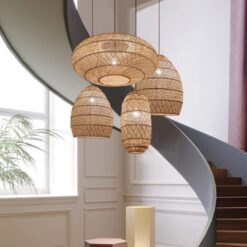
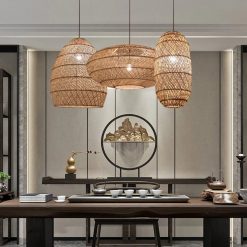
Rattan Pendant Light

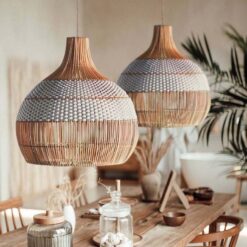
Boho Rattan Pendant Lights
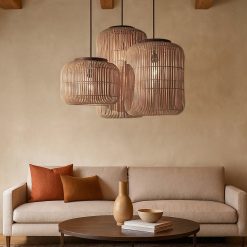
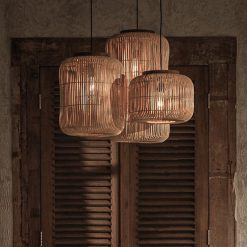
Boho Rattan Pendant Lights


Boho Rattan Pendant Lights
Frequently Asked Questions
Below are the most searched, SEO-friendly questions related to synthetic materials, plastics, PE wicker, synthetic fibers, and their differences from natural materials. The answers are concise, clear, and optimized for search engines.
Synthetic materials are made from chemical compounds – often derived from petroleum, natural gas, or engineered polymers created through industrial processes.
Not usually. Most synthetic materials are non-biodegradable and can contribute to landfill waste and microplastic pollution. However, recycled plastics and bio-based polymers are improving sustainability.
Yes and no. PE wicker is a type of plastic (polyethylene), but it is designed specifically to mimic the look of natural rattan while being far more durable and weather-resistant. High-quality HDPE wicker is considered the best outdoor option.
HDPE (High-Density Polyethylene) is one of the strongest, most UV-resistant, and longest-lasting outdoor plastics.
Most synthetic fabrics are less breathable than natural fibers like cotton or linen. However, they are more durable and often easier to maintain.
Conclusion
Synthetic materials play an essential role in modern life. They offer durability, weather resistance, versatility, and affordability – qualities that natural materials cannot always match, especially in outdoor or high-moisture environments. At the same time, natural materials bring warmth, authenticity, and sustainability that synthetic products often lack.
Understanding the differences between synthetic and natural materials helps you make smarter decisions for your home, your lifestyle, and your long-term values. Whether you prioritize performance, environmental impact, or the beauty of handcrafted design, the key is choosing the right material for the right purpose.
Outdoors, synthetic materials like HDPE and PE wicker deliver unmatched longevity. Indoors, natural materials such as rattan, bamboo, wood, seagrass, and jute create the calming, organic atmosphere that so many homeowners love – especially in Japandi, Scandinavian, and Wabi-Sabi inspired interiors.
The goal isn’t to choose one over the other. It’s knowing when to choose each.
If you love warm, natural, handcrafted décor for your home, explore our collection of artisan-made rattan and bamboo pendant lights, woven interiors, and eco-friendly home accessories at vietshopdesign.com.
Bring nature’s beauty into your space – with timeless pieces designed for modern living.
Read more:
- What Is Wicker? A Complete Guide to the Craft, Materials & Uses
- What Is Bamboo? Definition, Uses & Eco-Friendly Benefits
- What Is Rattan? Definition, Uses & Benefits of This Natural Material

Read more articles
Best Attic Lighting Ideas for Cozy, Functional Spaces
Transforming an attic into a functional, inviting space starts with the right lighting. Because attics [...]
Oct
Home Office Lighting Guide: Design a Space That Boosts Focus
If you’ve ever finished a workday with a headache, tired eyes, or a strange feeling [...]
Oct
Best Pantry Lighting Ideas to Brighten Your Storage Space
A well-lit pantry doesn’t just make your kitchen look more organized – it also transforms [...]
Oct
25+ Bedroom Floor Lamp Ideas to Brighten & Elevate Your Space
Bedroom floor lamp ideas offer one of the simplest and most stylish ways to elevate [...]
Oct
Best Laundry Room Lighting Ideas for a Brighter, Cleaner Space
Laundry Room Lighting Ideas focus on turning one of the hardest-working spaces in your home [...]
Sep
20+ Guest Bedroom Lighting Ideas for a Warm, Welcoming Space
Guest bedroom lighting ideas focus on creating a warm, welcoming, and comfortable environment for anyone [...]
Sep
Best Study Room Lighting Ideas for a Bright and Focused Space
A well-designed study room is more than just a desk and a chair – it’s [...]
Sep
20+ Master Bedroom Lighting Ideas for a Modern, Elegant Space
Master bedroom lighting ideas go far beyond simply choosing a ceiling fixture. A master bedroom [...]
Sep
10 Home Office Lighting Ideas for a Bright, Productive Workspace
The home office has become one of the most important rooms in modern living. Whether [...]
Aug
How to Fix Eye Strain from Bad Home Office Lighting
You take screen breaks. You’ve adjusted your monitor brightness. You even bought blue-light glasses. And [...]
Aug
25+ Bedside Pendant Light Ideas for a Stylish Modern Bedroom
Bedside Pendant Light Ideas are becoming increasingly popular as homeowners look for smarter, more stylish [...]
Aug
Best Entryway Lighting Ideas to Brighten Your Entry Space
Your entryway sets the tone for your entire home – it’s the first space guests [...]
Aug
Explore our collections
Rattan Pendant Light
102 Products
Bamboo Pendant Light
39 Products
Fabric Pendant Light
44 Products
Wood Pendant Light
13 Products
Rope Pendant Light
20 Products
Rattan Wall Sconce
6 Products
Rattan Table Lamp
9 Products
Rattan Floor Lamp
9 Products