
Natural Materials & Craftsmanship
What Is Wicker? A Complete Guide to the Craft, Materials & Uses
What is wicker? Is wicker the same as rattan?
Many homeowners search for this question because wicker furniture, wicker décor, and wicker lighting are becoming more popular than ever. Yet the term “wicker” is often misunderstood. Some people think wicker is a material, others think it’s a type of rattan, and many assume wicker can only be used indoors.
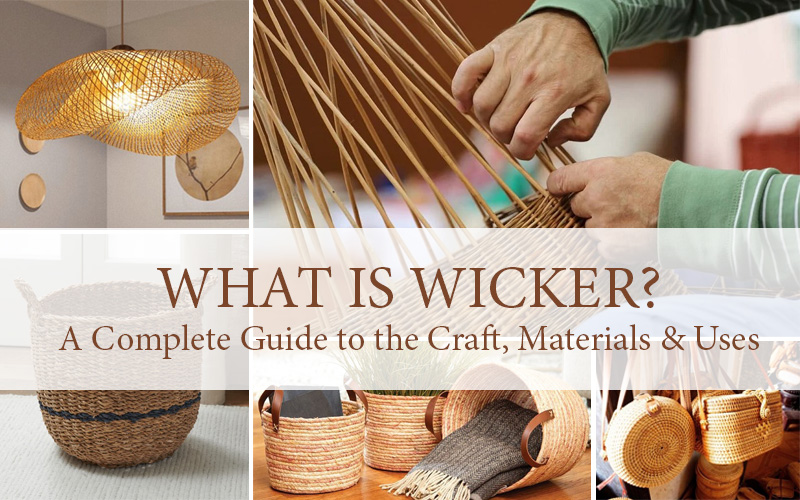
In reality, wicker is a weaving technique, not a material. It can be made from many different natural and synthetic fibers – each affecting durability, appearance, and ideal usage. This guide helps you understand exactly what wicker is, what it’s made of, and why it remains one of the most timeless crafts in home décor.
What Does Wicker Mean?
Wicker is a method of weaving used to make products such as furniture and baskets, as well as a descriptor to classify such products.
Wicker Is a Weaving Technique – Not a Material
👉 The most important thing to understand is this: “Wicker” refers to the weaving method, not the ingredient used to create it.
It’s similar to how “knitting” describes a technique, and the yarn can vary – cotton, wool, acrylic, etc.
Likewise, wicker can be woven using many materials, from natural material including rattan, bamboo, seagrass, water hyacinth, or synthetic fibers like PE wicker.
Key characteristics of wicker weaving include:
- Flexibility: materials must bend without breaking
- Strength: tightly woven patterns create durable structures
- Breathability: the open weave allows airflow
- Lightweight feel: making wicker furniture easy to move
- Handcrafted charm: each piece has subtle variations
Because wicker describes the craftsmanship, not the ingredient, two wicker chairs can look identical but be made from completely different materials – with very different durability levels.
A Brief History of Wicker
Wicker has a long, fascinating history that spans thousands of years:
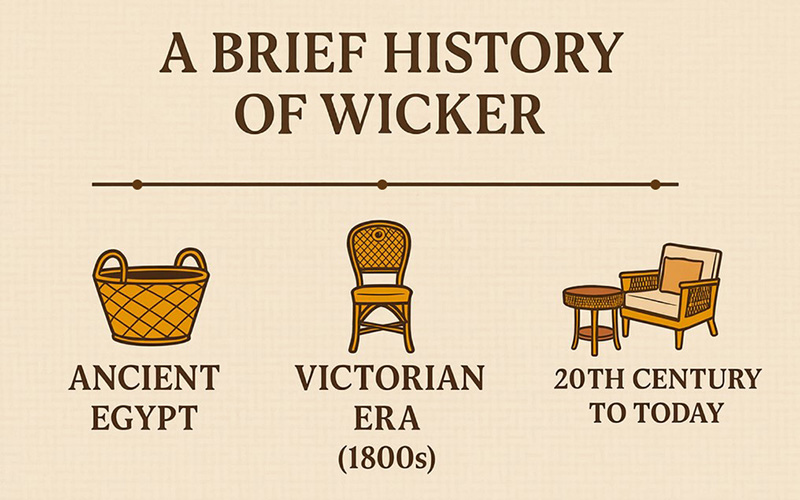
- Ancient Egypt: Archaeologists discovered wicker baskets, chests, and chairs in Egyptian tombs. These early pieces were crafted from reeds and swamp grasses.
- Victorian Era (1800s): Wicker became extremely popular in Europe and America as people loved its airy, elegant look. It was especially favored for sunrooms, verandas, and conservatories.
- 20th Century to Today: Wicker evolved into modern applications – indoor décor, outdoor furniture, pendant lights, and artisanal crafts. With the rise of PE wicker and HDPE rattan, wicker now performs exceptionally well outdoors.
Throughout history, wicker has stayed relevant because it blends beauty, comfort, functionality, and artisanal craftsmanship – qualities still loved today.
What Materials Are Used to Make Wicker?
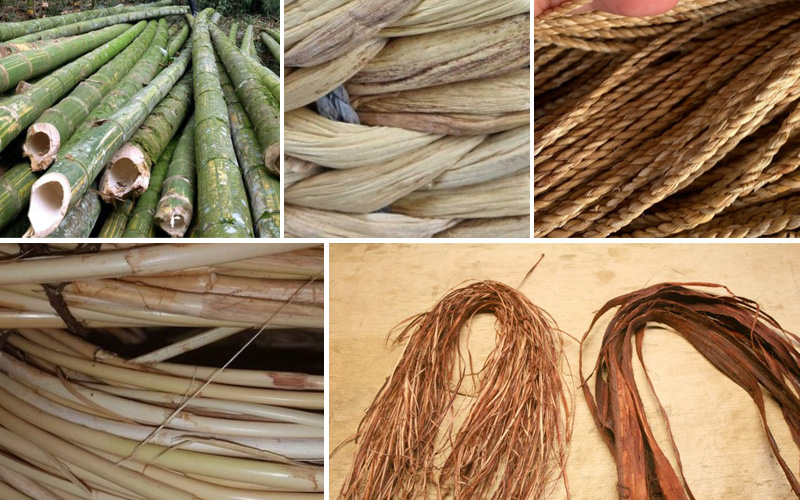
Because wicker is a technique, not a material, it can be made from a wide range of fibers. These materials fall into two main categories: natural wicker and synthetic wicker.
Natural Wicker Materials
These material come directly from nature and are often used for indoor furniture, décor, and lighting.
Rattan (Most Common Natural Material)
Rattan is the most traditional and widely used material for wicker. It is:
- Strong and flexible
- Lightweight
- Beautiful with natural grain
- Perfect for weaving intricate patterns
Bamboo
- Bamboo harder and less flexible than rattan
- Often used in strips
- Creates a more structured, minimal look
Seagrass
- Soft & thick strands
- Adds an earthy, coastal feel
- Common in baskets and décor
Water Hyacinth
- Very soft and bulky fibers
- Great for indoor baskets and accent furniture
- Not suitable for outdoor use
Willow, Reed, and Cane
- Traditional European materials
- Often used in artisan baskets and woven décor
Natural wicker delivers warmth, organic beauty, and handcrafted authenticity, but its performance depends heavily on indoor conditions.
Synthetic Wicker Materials
Created to overcome the limitations of natural fibers – especially outdoors.
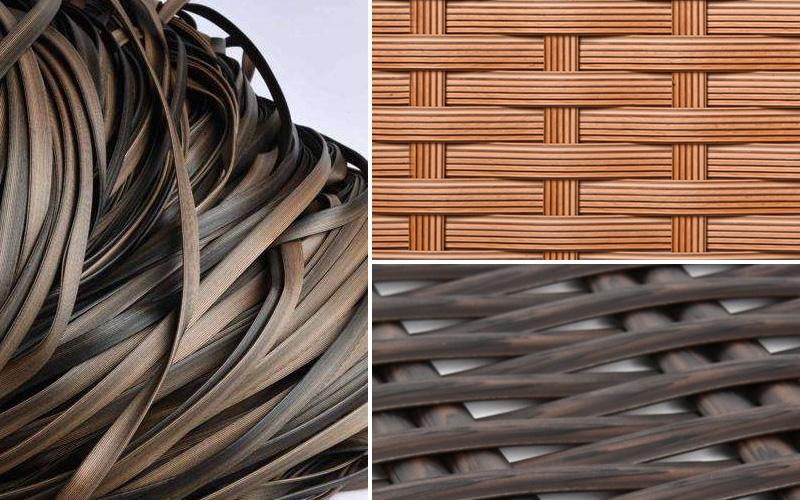
PE Wicker (HDPE Rattan) – Best Quality Synthetic
- Made from high-density polyethylene
- UV-resistant
- Waterproof
- Mold-resistant
- Can mimic natural rattan up to 95%
This is the material used in almost all high-quality outdoor wicker furniture today.
Read the detailed explanation in What Is PE Wicker?
PVC Wicker (Lower Quality Synthetic)
- Less durable
- Can crack under sunlight
- Cheaper but not recommended for long-term outdoor use
Synthetic wicker allows homeowners to enjoy the classic wicker look with much better outdoor performance.
Natural vs Synthetic Wicker: Key Differences
Here’s a quick overview to help readers understand the material differences:
| Feature | Natural Wicker | PE Wicker (Synthetic) | PVC Wicker (Synthetic) |
|---|---|---|---|
| Material | Plant-based fibers (rattan, willow, bamboo, seagrass) | Polyethylene (PE) – high-quality synthetic material | Polyvinyl chloride (PVC) – low-cost plastic |
| Best Use | Indoor décor | Outdoor furniture | Low-budget outdoor/indoor |
| Durability | Moderate – sensitive to moisture, UV, and temperature | Excellent – weatherproof, UV-resistant, long-lasting | Low to moderate – can crack or fade over time |
| Look & Feel | Warm, organic, handcrafted aesthetic | Very similar to natural rattan, available in many textures/colors | Less realistic appearance |
| Maintenance | Needs careful care (avoid sunlight/water) | Very low maintenance | Low maintenance |
| Pros | Natural beauty, artisanal craft | Extremely durable, ideal for all-weather use | Affordable |
| Cons | Not suitable for long-term outdoor use | Slightly more expensive than PVC | Lower quality, less durable |
Choosing the right material depends on where and how the wicker piece will be used.
Appearance & Style: How Wicker Looks in Different Materials
Wicker is beloved not only for its craftsmanship but also for the unique aesthetic it brings to a space. Depending on the material – natural or synthetic – its appearance can vary significantly.
Natural Wicker: Warm, Organic, and Full of Character
Natural materials like rattan, bamboo, seagrass, and water hyacinth offer a level of depth and character that synthetic fibers can’t fully replicate.
Appearance Features of Natural Wicker
Because these materials come from nature, each strand carries subtle variations in:
- Color
- Texture
- Thickness
- Grain pattern
This creates a finish that feels warm, handcrafted, and authentically organic.
Where Natural Wicker Excels in Style
Natural wicker is a favorite for:
- Wicker pendant lights (especially rattan and bamboo designs)
- Indoor chairs and accent furniture
- Decorative baskets and organizers
- Wall décor and handmade craft pieces
It pairs beautifully with interior styles like:
- Japandi
- Wabi-sabi
- Bohemian
- Scandinavian
- Coastal
- Modern organic
Because of its softer, imperfect, and artisanal look, natural wicker adds a sense of comfort and intimacy to interiors.
Synthetic Wicker: Versatile, Consistent, and Highly Customizable
High-quality PE wicker – made from HDPE – has improved dramatically over the last decade. Today, it can look up to 95% identical to natural rattan, especially when manufactured with textured strands and natural color tones.
Appearance Features of PE Wicker
- Available in smooth or textured finishes
- Comes in many color choices: natural, honey brown, dark brown, beige, grey, black
- Can be uniform or patterned
- Often used in contemporary or resort-style designs
Because it’s manufactured, PE wicker offers visual consistency, which many homeowners prefer for larger sets like outdoor sofas and dining sets.
Where PE Wicker Excels in Style
- Outdoor sofas
- Patio dining sets
- Poolside loungers
- Balcony chairs
- Resort furniture
Its clean, consistent look pairs well with:
- Modern outdoor décor
- Minimalist patios
- Coastal terraces
- Tropical resort aesthetics
Which One Looks Better?
It depends on the purpose:
- Natural wicker wins for indoor aesthetics → Richer texture, warmer tones, handcrafted feel.
- PE wicker wins for outdoor practicality plus style → Weatherproof, stylish, and consistent across large furniture sets.
Both deliver beauty, but in different contexts.
How Long Does Wicker Last?
Wicker furniture and décor can last anywhere from a few months to several decades – depending almost entirely on the material and where it’s used. Understanding lifespan helps homeowners choose the right type of wicker for indoor or outdoor environments.
| Category | Natural Wicker (Rattan, Bamboo, Seagrass, Water Hyacinth) | PE Wicker (HDPE Synthetic Wicker) |
|---|---|---|
| Overall Durability | Durable indoors, but very weak outdoors | Extremely durable both outdoors and indoors |
| Indoor Lifespan | • Furniture: 10–30+ years • Baskets & décor: lifetime • Rattan lighting: can last indefinitely | • Can exceed 15–20+ years indoors (minimal environmental exposure) |
| Outdoor Lifespan | • Only a few months • Not recommended for patio, garden, or poolside use | • 5–15+ years outdoors • Designed to withstand harsh environments |
| Environmental Resistance | Sensitive to: • humidity • rain • dew • UV radiation • heat • temperature swings | Highly resistant to: • intense sun • heavy rain • humidity • cold weather • salty coastal air |
| Common Damage Outdoors | Exposure causes: • cracks • mold • fading • warping • breakage | Rarely damaged; UV stabilizers + waterproof structure prevent: • fading • cracking • peeling |
| Why It Performs This Way | Natural fibers cannot tolerate moisture or UV; structure weakens quickly outdoors | Engineered to overcome natural material weaknesses; HDPE is UV-stabilized and fully waterproof |
| Best Use Locations | • Living rooms • Bedrooms • Dining rooms • Indoor cafés • Indoor décor & lighting | • Patios • Decks • Gardens • Poolside • Balconies • Beach areas |
| Factors That Increase Lifespan | • Keeping fully indoors • Avoiding sunlight and moisture | • Partial shade placement • Using protective covers • Choosing HDPE instead of PVC • Aluminum frame (better than steel/iron) |
| Modern Usage Trend | Rarely used in outdoor furniture due to poor weather resistance | Industry standard for outdoor wicker furniture worldwide |
What is the difference between wicker and rattan
Many homeowners confuse wicker with rattan because they often appear together in the same products. However, the difference is simple – and important:
👉 Wicker is a weaving technique. Rattan is a natural material used to create wicker.
This distinction helps homeowners understand which products are suitable for indoor use versus outdoor environments.
Comparison Table: Wicker vs Rattan
| Category | Rattan | Wicker |
|---|---|---|
| What It Is | A material — a natural climbing vine native to Southeast Asia. | A weaving method — the technique of interlacing materials to create furniture and décor. |
| Material Type | • 100% natural fiber • Strong, flexible, lightweight • Naturally beautiful | • Can be natural or synthetic • Depends on the material used (rattan, bamboo, HDPE, etc.) |
| Core Characteristics | • Strong • Flexible • Lightweight • Easy to weave | • Depends on weaving skill and chosen material • Can be highly durable (HDPE) or organic (rattan) |
| Common Uses | • Pendant lights • Indoor chairs • Furniture frames • Handmade décor • Basket weaving | • Furniture • Lighting fixtures • Baskets • Storage décor • Accessories |
| Materials Used | Only rattan vine | Many materials: • rattan • bamboo • seagrass • water hyacinth • HDPE/PE wicker • PVC wicker • willow & reed |
| Indoor vs Outdoor Use | • Best for indoor use • Sensitive to moisture & UV exposure | • Depends entirely on the material used • Natural wicker = indoor • PE/HDPE wicker = ideal for outdoor |
| Durability Outdoors | Poor — natural rattan is not weather-resistant | Excellent when made from PE/HDPE synthetic wicker |
| Role in Crafting | Provides the material for weaving | Refers to the method used to weave the material |
| Modern Trend | Popular for indoor artisanal décor and lighting | Outdoor wicker is mostly synthetic for long-lasting durability |
Why People Often Confuse the Two
- Most natural wicker furniture historically used rattan
- Many sellers advertise “rattan wicker” or “rattan furniture,” mixing terms
- Both share similar visual characteristics
- Many outdoor products mimic natural rattan using PE wicker
Understanding the difference helps homeowners make better choices – especially when deciding between indoor beauty and outdoor durability.
Types of Wicker Furniture & Décor
Wicker is incredibly versatile because it can be shaped, woven, and styled in countless ways. Whether crafted from natural rattan or durable PE wicker, it appears across many types of furniture and décor – both indoors and outdoors.
Dưới đây là các nhóm sản phẩm wicker phổ biến nhất.
Wicker Seating Furniture
- Wicker Armchairs & Lounge Chairs: Lightweight, breathable, and comfortable – perfect for living rooms, sunrooms, patios, and balconies.
- Wicker Dining Chairs: Often made from natural rattan for indoor use or PE wicker for outdoor dining sets.
- Wicker Rocking Chairs: Classic, cozy, and ideal for nurseries, reading corners, or porches.
- Wicker Bar Stools: Common in coastal, tropical, or boho-style kitchens.
Wicker Storage & Organization
- Baskets: The most iconic wicker item – found in nearly every home. Useful for: laundry, toys, blankets, pantry storage, decorative styling
- Lidded Hampers: Stylish alternatives to plastic hampers with better airflow.
- Storage Boxes & Organizers: Perfect for closets, shelves, and cabinets.
Wicker Lighting
Natural wicker materials – especially rattan and bamboo – are among the most popular materials for handcrafted lighting.
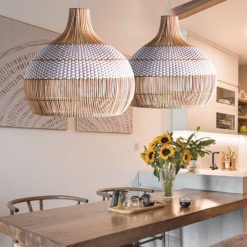
Pendant Lights
Rattan pendant lights and bamboo shades create warm, organic lighting perfect for:
- Dining rooms
- Bedrooms
- Living rooms
- Kitchens
- Cafés
- Boutique hotels
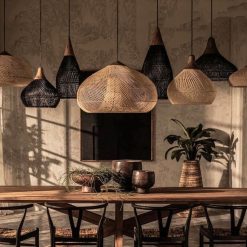
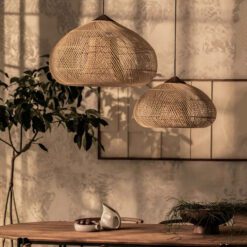
Boho Rattan Pendant Lights
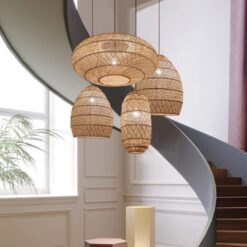
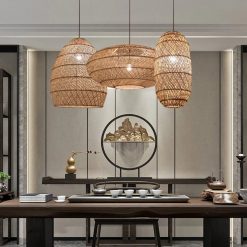
Rattan Pendant Light
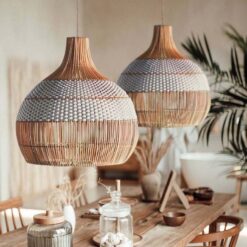
Boho Rattan Pendant Lights
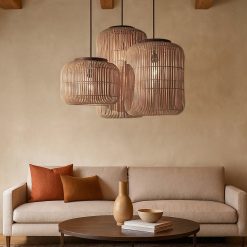
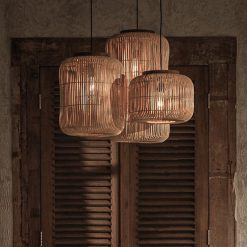
Boho Rattan Pendant Lights
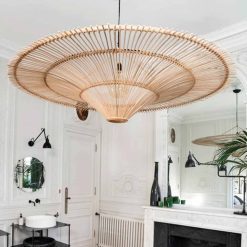
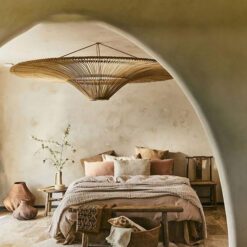
Boho Rattan Pendant Lights
Table Lamps & Floor Lamps
Rattan table lamp and rattan floor lamp, beautifully enhancing your space with a warm, organic, and inviting glow. Or combined with linen or cotton shades for a natural aesthetic.
Wall Sconces
Ideal for creating cozy ambiance in hallways or bedrooms.
Wicker wall lighting is one of the strongest interior design trends today, especially in Wabi-sabi, Japandi, and organic modern spaces.
Outdoor Wicker Furniture
Almost all outdoor wicker furniture is made from PE wicker rather than natural materials.
Popular categories include:
- Outdoor sofas
- Sectional sets
- Coffee tables
- Dining sets
- Daybeds
- Chaise loungers
- Patio chairs
PE wicker is chosen because it combines the beauty of woven textures with real outdoor durability.
Decorative Wicker Accessories
Wicker décor adds warmth and texture to any room:
- Trays
- Wall art
- Mirror frames
- Plant baskets
- Woven trays for entryways
- Magazine racks
These pieces instantly add character and a natural touch to interior spaces.
Indoor vs Outdoor Wicker: Key Differences
Although wicker is a single weaving technique, the materials used determine whether the product is suitable for indoors or outdoors. This distinction is critical for choosing long-lasting pieces.
| Category | Indoor Wicker (Natural Wicker) | Outdoor Wicker (PE/HDPE Wicker) |
|---|---|---|
| Common Materials | – Rattan, Bamboo, Seagrass, Water hyacinth | – PE wicker (HDPE synthetic rattan) |
| Key Benefits | – Rich, organic textures – Warm, earthy tones – Handcrafted imperfections – Lightweight and artisanal | – 100% waterproof – UV-resistant – Mold-resistant – Resistant to cracking, fading, warping – Ideal for heat, humidity, and cold |
| Best For | – Living rooms, Bedrooms, Entryways, Dining rooms, Indoor cafés | – Patios, Balconies, Gardens, Poolside areas, Rooftop terraces, Beach resorts |
| Design Styles | – Scandinavian – Japandi – Wabi-sabi – Boho – Mediterranean – Coastal | – Modern outdoor décor – Resort-style seating – Contemporary patios |
| Limitations | – Sensitive to moisture – Not UV-resistant – Should not be placed in gardens, patios, or poolside spaces – Must avoid direct harsh sunlight | – May look plastic if low-quality PVC is used – Needs sturdy frame support (aluminum recommended) |
| Frame Compatibility | – Works with wood or light metal frames indoors | – Aluminum frames: rust-proof & lightweight – Steel frames: cheaper but can rust over time (not recommended long-term) |
| Overall Summary | Natural wicker is beautiful, warm, and perfect for interior spaces – but is recommended for long-term indoor use. | PE/HDPE wicker is engineered for durability and built to survive harsh outdoor conditions. |
Pros & Cons of Wicker Furniture
Wicker furniture has been admired for centuries – not just for its beauty but also for its practicality. However, like any material or craft, wicker has advantages and limitations depending on whether it is made from natural fibers or synthetic PE wicker.
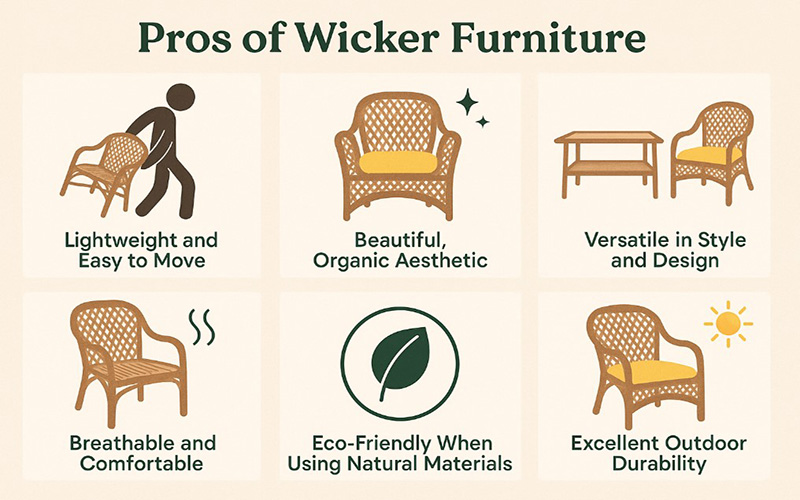
Pros of Wicker Furniture
Lightweight and Easy to Move
Wicker furniture is much lighter than wood or metal, making it:
- easy to rearrange
- convenient for cleaning
- ideal for small spaces or flexible layouts
Beautiful, Organic Aesthetic
Wicker brings warmth, natural texture, and visual softness to any room. Its handcrafted weaving creates a cozy and inviting atmosphere, complementing interior styles such as Wabi-sabi, Japandi, Organic Modern, Scandinavian, and Coastal.
Versatile in Style and Design
Wicker can be styled in:
- Natural warm tones
- Modern monochromes
- Coastal neutrals
- Contemporary weaves
It works well across living rooms, patios, bedrooms, dining areas, cafés, and resorts.
Breathable and Comfortable
The woven structure allows airflow, keeping seating surfaces cool – especially useful in tropical or humid climates.
Eco-Friendly When Using Natural Materials
Natural rattan, bamboo, and seagrass are renewable, fast-growing, and require minimal processing. Many eco-conscious designers prefer natural wicker for sustainable interior décor.
Excellent Outdoor Durability (PE Wicker)
Synthetic PE wicker offers:
- UV resistance
- waterproof performance
- mold resistance
- long-term stability outdoors
This makes PE wicker the leading global material for modern outdoor furniture.
Cons of Wicker Furniture
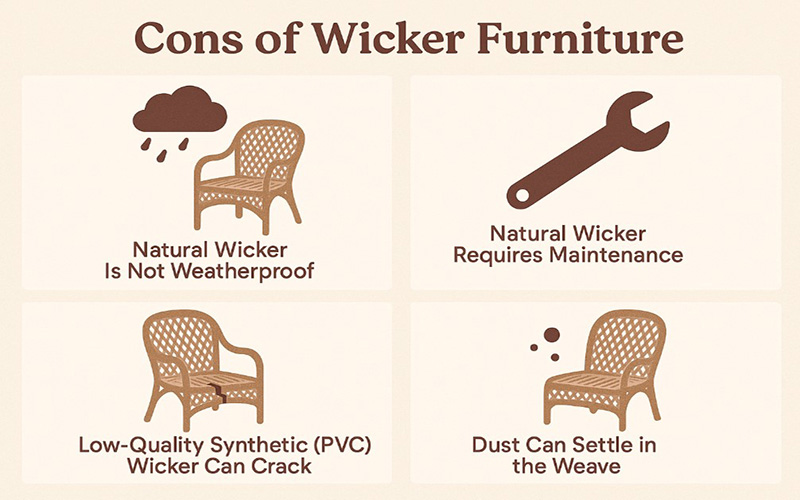
Natural Wicker Is Not Weatherproof
Rattan, bamboo, and other natural fibers absorb moisture and degrade quickly outdoors, making them unsuitable for rain, humidity, or strong sunlight.
Natural Wicker Requires Maintenance
To prevent dryness, cracking, or mold, natural wicker needs:
- controlled indoor humidity
- regular dusting and gentle cleaning
- occasional oiling or polishing
Low-Quality Synthetic (PVC) Wicker Can Crack
Not all synthetic wicker is equal. PVC wicker:
- becomes brittle
- fades in sunlight
- cracks over time
- has a plastic-like appearance
High-quality HDPE wicker is the preferred choice for durability.
Dust Can Settle in the Weave
The intricate weave can trap dust and small debris, requiring occasional brushing or vacuuming.
Not Designed for Heavy Loads
Although strong, wicker is still lighter and more flexible than solid wood or metal. Weight capacity depends on the frame and construction quality.
Is Wicker Durable?
Many homeowners wonder whether wicker is truly durable. The correct answer depends on two factors: the type of material and where the furniture is used.
👉 Natural wicker is very durable indoors, while PE wicker is durable both indoors and outdoors.
Durability of Natural Wicker
Natural wicker (rattan, bamboo, seagrass, water hyacinth) is surprisingly strong when kept indoors. It can last decades because:
- The fibers are naturally tough and flexible
- Handwoven construction adds strength
- Indoor conditions are stable and gentle
Why Natural Wicker Doesn’t Last Outdoors
Natural wicker is vulnerable to:
- Humidity → mold and mildew
- Sunlight → fading and brittleness
- Heat → cracking
- Rain → swelling and warping
- Temperature swings → structural damage
Even on a shaded patio, morning dew and moisture can quickly weaken the weave.
Durability of Synthetic Wicker (PE Wicker)
PE wicker is engineered specifically to overcome the limitations of natural materials.
Why PE Wicker Is Highly Durable
High-quality HDPE wicker is:
- UV-resistant
- Waterproof
- Mold-resistant
- Resistant to cracking and fading
- Strong in heat, cold, and humidity
Outdoor furniture made with HDPE wicker often lasts 5–15+ years, especially when paired with aluminum frames.
Frame Materials Also Affect Durability
PE wicker is typically woven over:
- Aluminum frames → lightweight, rust-proof, premium
- Steel frames → more affordable but may rust over time
For best long-term durability, the combination of HDPE wicker + aluminum frame is considered the industry standard.
Which One Is More Durable Overall?
| Feature | Natural Wicker | PE Wicker |
|---|---|---|
| Indoor Durability | Excellent | Excellent |
| Outdoor Durability | Poor | Excellent |
| Weather Resistance | Low | High |
| Lifespan Outdoors | Months | 5–15+ years |
| Lifespan Indoors | Very long | Very long |
Conclusion:
- Natural wicker offers long-lasting beauty indoors.
- PE wicker delivers superior durability in both indoor and outdoor environments.
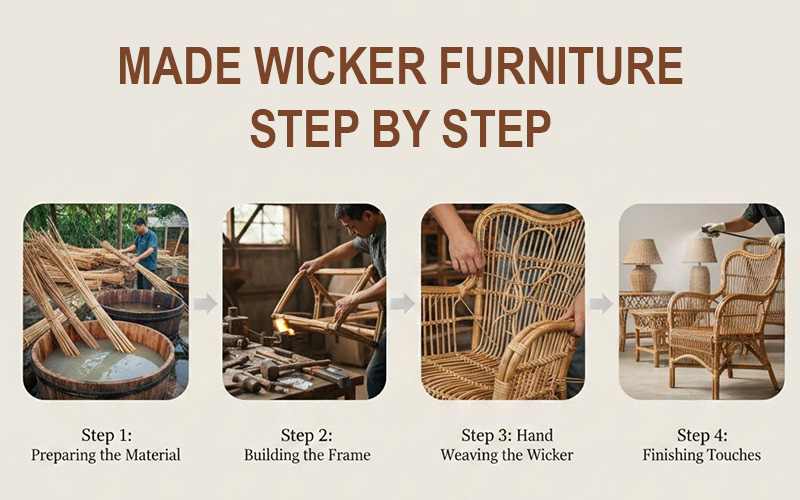
How Wicker Furniture Is Made
The beauty and durability of wicker come from the craftsmanship behind it. Whether made from natural fibers or synthetic materials, wicker weaving is a highly skilled process that blends traditional artisanship with modern techniques.
Below is a clear breakdown of how wicker furniture is created.
Step 1: Preparing the Material
Natural Wicker Materials
Natural fibers such as rattan, bamboo, seagrass, or water hyacinth undergo several steps before weaving:
- Harvesting: Rattan vines or other fibers are gathered from tropical forests or farms.
- Cleaning and Drying: Fibers are washed, dried, and sorted.
- Cutting and Splitting: Rattan poles are split into smaller strands or peeled into thin cane strips.
- Conditioning: Fibers may be soaked or heated to improve flexibility.
Synthetic Wicker Materials (PE Wicker)
PE wicker strands are produced in factories:
- Extrusion Process: HDPE plastic is melted and extruded into strands of different shapes and textures.
- Coloring: UV-resistant pigments are added during production to prevent fading.
- Texturing: Strands can be smooth or embossed to mimic natural rattan.
HDPE strands require no soaking or conditioning – making them ready for weaving immediately.
Step 2: Building the Frame
Most wicker furniture is woven around a frame that determines its shape and structural stability. Common frame materials include:
Aluminum Frames
- Lightweight
- Rust-proof
- Most durable option
- Preferred for high-quality outdoor furniture
Steel Frames
- Strong and affordable
- May rust over time without proper coating
Rattan Frames (for Natural Wicker)
- Used mostly in indoor furniture
- Offers a fully natural construction
The frame is usually welded or fastened into a complete furniture shape before weaving begins.
Step 3: Hand Weaving the Wicker
This is the heart of wicker craftsmanship.
Skilled weavers interlace the strands over the frame using traditional or modern patterns. The process involves:
- Pulling and tightening the strands consistently
- Creating uniform spacing between weaves
- Maintaining tension for strength and durability
- Following a specific pattern, such as open weave, closed weave, or decorative twists
Even with synthetic materials, the weaving process is often 100% handmade due to the complexity of the craft.
Step 4: Finishing Touches
After weaving, the furniture undergoes several finishing steps:
- Trimming excess strands
- Sanding or smoothing joints (for natural materials)
- Applying protective coatings (for natural wicker)
- Quality inspection
- Adding cushions, hardware, or accessories
The final piece is a beautifully handwoven item that showcases both artistry and function.
Why Handweaving Matters
The quality of wicker depends heavily on craftsmanship. Handwoven pieces:
- Last longer
- Maintain tension better
- Look more refined
- Feel more authentic
This is why high-quality wicker furniture – especially natural rattan or premium PE wicker – carries value that machine-made imitations cannot match.
How to Maintain Wicker Furniture
Wicker can last many years when properly cared for. However, maintenance differs significantly between natural wicker and synthetic PE wicker. Below is a clear guide to help homeowners preserve the beauty and lifespan of their furniture.
How to Maintain Natural Wicker
Natural wicker is delicate and needs careful indoor maintenance. The goal is to protect the fibers from drying, cracking, mold, and UV damage.
Keep It in a Controlled Indoor Environment
Natural wicker should stay:
- Away from direct sunlight
- Away from outdoor humidity
- In a well-ventilated room
Stable humidity prevents cracking, while reduced sunlight prevents fading.
Clean Gently
Natural wicker can be cleaned using:
- A soft brush
- A vacuum with a brush attachment
- A slightly damp cloth (never soak the fibers)
Small crevices should be dusted regularly to prevent buildup.
Apply Oils or Protective Coatings
To maintain flexibility and prevent dryness:
- Apply linseed oil, lemon oil, or rattan-specific polish
- Wipe off excess and allow proper drying
- Repeat every few months depending on climate
Avoid Weight and Impact
Natural wicker is resilient but not designed for heavy loads or sharp impacts. Avoid:
- Sitting on decorative baskets
- Placing heavy objects on lightweight pieces
- Dragging wicker furniture across the floor
How to Maintain Synthetic Wicker (PE Wicker)
PE wicker is very easy to maintain and designed for outdoor durability.
Clean With Soap and Water
Use:
- Mild detergent
- A soft brush or cloth
- Garden hose for rinsing
Avoid power washing, which can damage the weave.
Protect From Extreme Conditions (Optional but Recommended)
Even though HDPE wicker is weather-resistant, you can extend its lifespan by:
- Using furniture covers during heavy storms
- Placing pieces under partial shade
- Storing indoors during harsh winters (colder regions)
Avoid Harsh Chemicals
Bleach, strong solvents, and abrasive cleaners can weaken the fibers or discolor them.
Inspect the Frame
Check aluminum or steel frames annually for:
- Loose screws
- Rust (if steel)
- Structural integrity
This ensures long-term stability.
Maintenance Summary
| Type | Maintenance Level | Key Requirements |
|---|---|---|
| Natural Wicker | Medium to High | Indoor humidity control, gentle cleaning, occasional oiling |
| PE Wicker | Very Low | Simple washing, optional sun/rain protection |
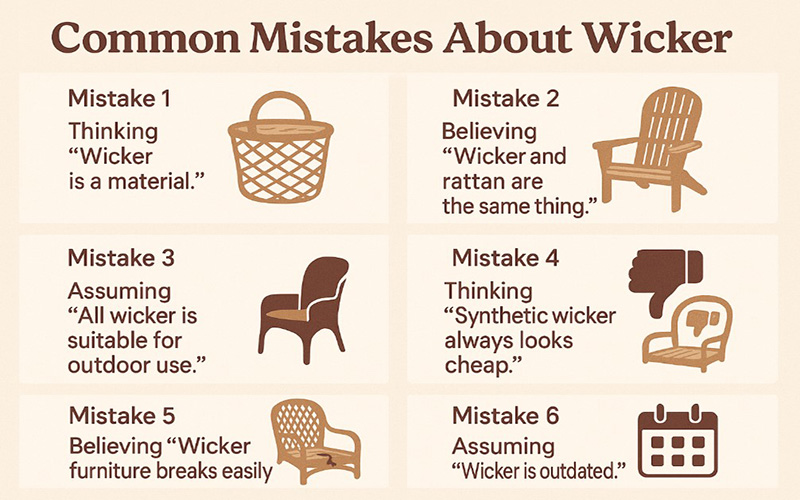
Common Mistakes About Wicker
Mistake 1: Thinking “Wicker is a material.”
This is one of the most common misconceptions. Wicker is a weaving technique, not a material. It can be made from:
- Natural fibers (rattan, bamboo, seagrass, willow)
- Synthetic fibers (PE wicker, PVC wicker)
People often confuse the two because rattan – one of the most common natural materials – is frequently used in wicker furniture.
Mistake 2: Believing “Wicker and rattan are the same thing.”
They are not the same.
- Rattan = a natural vine (the material)
- Wicker = the weaving method
A wicker chair may be made of rattan, but it can also be woven from bamboo, seagrass, or synthetic fibers.
Mistake 3: Assuming “All wicker is suitable for outdoor use.”
This mistake often leads to damaged furniture.
Only PE wicker (HDPE) is designed for outdoor environments.
Natural wicker absorbs moisture, fades in sunlight, and can crack in heat – making it unsuitable for patios, gardens, or poolside spaces.
Mistake 4: Thinking “Synthetic wicker always looks cheap.”
Not necessarily.
- Low-quality PVC wicker can look plastic and may crack easily.
- High-quality HDPE wicker can look: very realistic, richly textured, up to 95% similar to natural rattan
Premium PE wicker is the standard in high-end outdoor furniture collections.
Mistake 5: Believing “Wicker furniture breaks easily.”
This is false when the piece is well-constructed.
High-quality wicker – especially when woven over a sturdy frame – can last for many years.
- Natural wicker is durable indoors.
- PE wicker is durable indoors and outdoors.
Mistake 6: Assuming “Wicker is outdated.”
Absolutely not.
Wicker is experiencing a strong comeback thanks to popular design styles like:
- Japandi
- Wabi-Sabi
- Organic Modern
- Coastal
- Mediterranean
- Scandinavian
Its natural texture and handcrafted character make it more desirable than ever.
Should You Choose Wicker Furniture?
Wicker is one of the most versatile, beautiful, and practical options for both home interiors and outdoor spaces. But the right type of wicker depends on your needs, environment, and preferred style.
Below is a clear guide to help you choose wisely.
Choose Natural Wicker If…
- You want warmth, organic texture, and handcrafted charm
- Your furniture or décor should be used indoors for long-term durability
- You prefer sustainable, biodegradable materials
- You love artisanal craftsmanship and subtle natural variations
- You’re decorating with styles like Wabi-sabi, Japandi, Bohemian, Scandinavian, or Organic Modern
Natural wicker is perfect for:
- Pendant lights (rattan, bamboo)
- Accent chairs
- Baskets
- Wall décor
- Storage solutions
- Interior styling
Indoors, natural wicker ages beautifully and can last for decades.
Choose PE Wicker (HDPE) If…
- You need furniture that withstands sun, rain, humidity, and heat
- You want long-term durability with minimal maintenance
- You live in a tropical, coastal, or humid climate
- You want furniture for patios, gardens, balconies, or pool areas
- You prefer consistent colors and patterns in large furniture sets
PE wicker is ideal for:
- Outdoor sofas
- Sectional lounges
- Patio dining sets
- Sun loungers
- Balcony chairs
- Resort furniture
High-quality HDPE wicker can last 5–15+ years outdoors, making it the best option for long-term outdoor use.
Choose a Mix of Both If…
- You want indoor–outdoor harmony in your design
- You use natural wicker for interior décor and PE wicker for exterior spaces
- You want a cohesive, textured aesthetic throughout your home
This combination is especially popular in:
- Vacation homes
- Tropical villas
- Hotels and resorts
- Indoor–outdoor living spaces
Conclusion: Is Wicker Right for Your Home?
Wicker remains one of the most timeless and versatile crafts in home design, loved for its natural charm, lightweight structure, and handcrafted appeal. But choosing the right type of wicker depends on where you plan to use it and the performance you expect.
Natural wicker – made from rattan, bamboo, seagrass, or other organic fibers – is unmatched for indoor beauty. It brings warmth, texture, and artisanal character to your home, making it ideal for pendant lights, chairs, baskets, and decorative accents. With proper indoor care, it can last for decades.
PE wicker (HDPE) is the clear winner for outdoor furniture. Engineered to resist UV rays, rain, humidity, and temperature changes, it delivers long-lasting durability with minimal maintenance. If you want wicker on your patio, balcony, garden, or poolside, PE wicker is the most practical and dependable choice.
In essence:
- Choose natural wicker for indoor aesthetics.
- Choose PE wicker for outdoor performance.
No matter which type you prefer, wicker offers a unique blend of style, function, and craftsmanship that few materials can match. When chosen and used correctly, wicker furniture and décor add a timeless, organic, and welcoming feel to any home.
Frequently Asked Questions About Wicker Furniture
No. Wicker and rattan are not the same. Rattan is a natural vine used as a material, while wicker refers to the weaving technique used to create furniture and décor. A wicker chair can be made of rattan, but it can also be woven from bamboo, seagrass, PE wicker, or other natural and synthetic fibers.
Wicker can be made from a wide range of materials. Traditional wicker uses natural fibers such as rattan, willow, bamboo, and seagrass. Modern outdoor wicker is often made from synthetic materials, especially PE wicker (HDPE), which offers better resistance to sunlight, rain, humidity, and temperature changes.
Natural wicker is not ideal for outdoor conditions. Fibers like rattan and bamboo can absorb moisture, fade under sunlight, and crack in heat. For outdoor furniture, PE wicker (synthetic rattan) is the best choice because it is weather-resistant, UV-resistant, and designed specifically for exterior environments.
Not necessarily. While low-quality PVC wicker can look plastic, modern high-quality HDPE wicker (also known as PE rattan) closely mimics the texture and appearance of natural rattan. Many premium outdoor furniture brands use HDPE wicker because it looks realistic, lasts longer, and requires very little maintenance.
High-quality wicker furniture can last for many years when properly maintained. Natural wicker is durable indoors, especially when kept away from direct sunlight and moisture. Outdoor wicker made from HDPE or PE rattan can withstand harsh weather conditions and typically lasts much longer than natural wicker.
Maintenance depends on the material. Natural wicker should be dusted regularly and kept indoors to prevent moisture damage. Synthetic wicker requires very little care – simply clean it with mild soap and water. Avoid abrasive cleaners to maintain the texture and color of the wicker weave.
See more:
- What Is Hemp Rope and How Is Hemp Rope Made?
- What Is Jute Rope, What Is Jute Twine? Uses & Benefits
- What Is Bamboo? Definition, Uses & Eco-Friendly Benefits

Read more articles
Best Attic Lighting Ideas for Cozy, Functional Spaces
Transforming an attic into a functional, inviting space starts with the right lighting. Because attics [...]
Oct
Home Office Lighting Guide: Design a Space That Boosts Focus
If you’ve ever finished a workday with a headache, tired eyes, or a strange feeling [...]
Oct
Best Pantry Lighting Ideas to Brighten Your Storage Space
A well-lit pantry doesn’t just make your kitchen look more organized – it also transforms [...]
Oct
25+ Bedroom Floor Lamp Ideas to Brighten & Elevate Your Space
Bedroom floor lamp ideas offer one of the simplest and most stylish ways to elevate [...]
Oct
Best Laundry Room Lighting Ideas for a Brighter, Cleaner Space
Laundry Room Lighting Ideas focus on turning one of the hardest-working spaces in your home [...]
Sep
20+ Guest Bedroom Lighting Ideas for a Warm, Welcoming Space
Guest bedroom lighting ideas focus on creating a warm, welcoming, and comfortable environment for anyone [...]
Sep
Best Study Room Lighting Ideas for a Bright and Focused Space
A well-designed study room is more than just a desk and a chair – it’s [...]
Sep
20+ Master Bedroom Lighting Ideas for a Modern, Elegant Space
Master bedroom lighting ideas go far beyond simply choosing a ceiling fixture. A master bedroom [...]
Sep
10 Home Office Lighting Ideas for a Bright, Productive Workspace
The home office has become one of the most important rooms in modern living. Whether [...]
Aug
How to Fix Eye Strain from Bad Home Office Lighting
You take screen breaks. You’ve adjusted your monitor brightness. You even bought blue-light glasses. And [...]
Aug
25+ Bedside Pendant Light Ideas for a Stylish Modern Bedroom
Bedside Pendant Light Ideas are becoming increasingly popular as homeowners look for smarter, more stylish [...]
Aug
Best Entryway Lighting Ideas to Brighten Your Entry Space
Your entryway sets the tone for your entire home – it’s the first space guests [...]
Aug
Explore our collections
Rattan Pendant Light
102 Products
Bamboo Pendant Light
39 Products
Fabric Pendant Light
44 Products
Wood Pendant Light
13 Products
Rope Pendant Light
20 Products
Rattan Wall Sconce
6 Products
Rattan Table Lamp
9 Products
Rattan Floor Lamp
9 Products