
Interior Design Styles
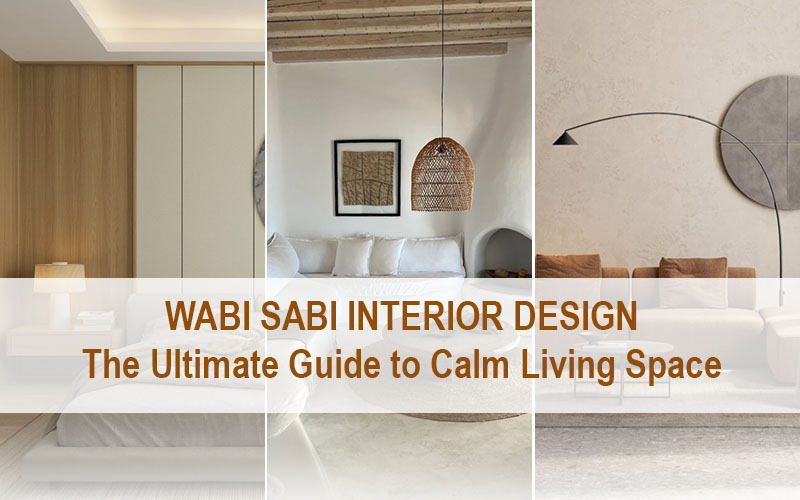
Wabi Sabi Interior Design: The Ultimate Guide to Calm Living
Wabi Sabi Interior Design is a calming, nature-inspired style that celebrates simplicity, authenticity, and the quiet beauty of imperfection. Rooted in Japanese philosophy, this design approach focuses on natural materials, soft lighting, and organic textures to create warm, peaceful, and meaningful living spaces. As modern homeowners embrace slow living and nature-connected interiors, Wabi Sabi has become one of the most sought-after decorating styles in the U.S.
Don’t miss this collection – it pairs beautifully with Wabi-Sabi interiors.
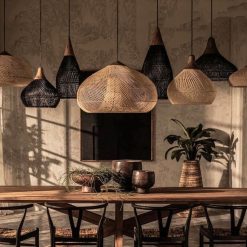
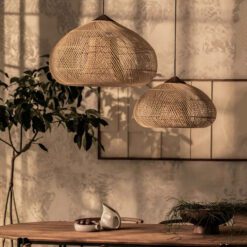
Rattan Pendant Light
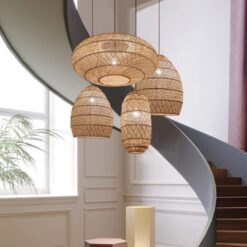
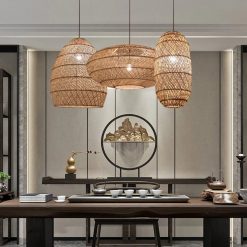
Rattan Pendant Light
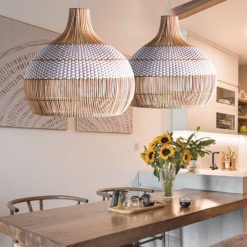
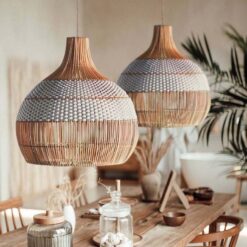
Rattan Pendant Light
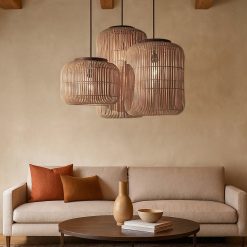
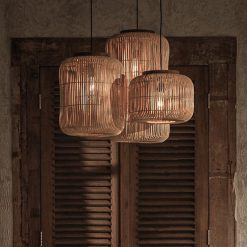
Rattan Pendant Light
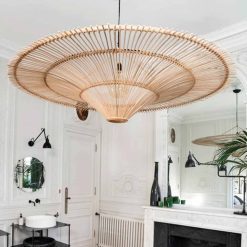
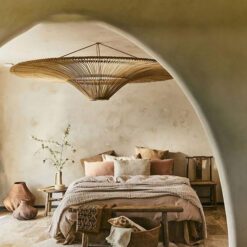
Rattan Pendant Light
By blending gentle minimalism with handcrafted details – such as rattan lighting, linen fabrics, wood, stone, and pottery – Wabi Sabi home decor brings comfort and emotional depth into every room. Whether you’re updating a single space or transforming your entire home, the Wabi Sabi design style encourages you to embrace imperfection, live intentionally, and create a home that truly reflects who you are.
What Is Wabi Sabi Interior Design?
Wabi Sabi interior design is rooted in ancient Japanese philosophy. The term combines two concepts:
- Wabi – the beauty of simplicity, humility, and living with intention.
- Sabi – the grace of aging, natural wear, and the quiet charm of things that change over time.
Together, Wabi Sabi shapes an interior style that honors authenticity, organic forms, and the emotional comfort of natural materials. It’s not about creating a picture-perfect space; it’s about designing a home that feels real, human, warm, and deeply connected to nature.
To truly understand this aesthetic, it’s essential to explore the Principles of Wabi Sabi, which include imperfection, naturalness, and simplicity. These principles guide every design choice – from color palettes and furniture selection to textures, lighting, decor, and layout. They encourage us to value things that feel handmade, raw, and meaningful rather than overly polished or mass-produced.
Core Principles of Wabi Sabi Interior Design (Key Characteristics)
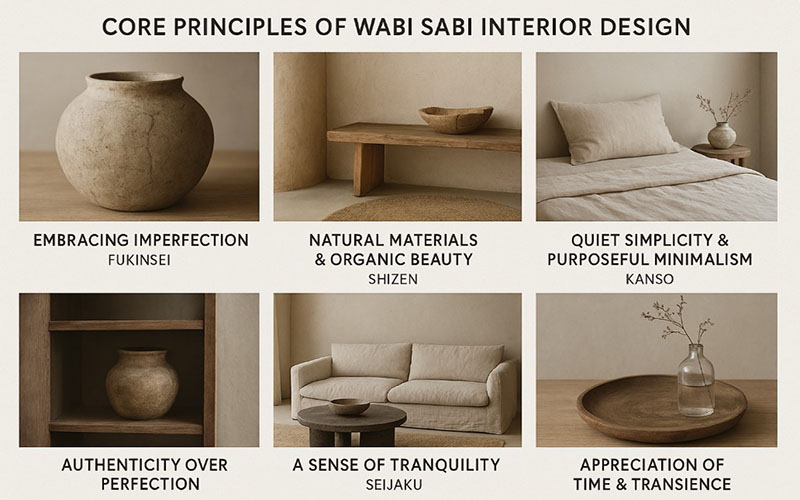
To design an authentic Wabi Sabi home, it’s important to understand the core Principles of Wabi Sabi – the philosophical foundations that influence every texture, color, and object in your space. These guiding ideas form the backbone of the Wabi Sabi interior design style, giving it its unique emotional warmth and natural elegance.
Below are the most essential Wabi Sabi interior design characteristics:
1. Embracing Imperfection (Fukinsei)
One of the most iconic principles is the appreciation of imperfection. Cracks in pottery, uneven textures on walls, asymmetrical vases, or handmade woven décor pieces all add soul and depth to a Wabi Sabi space. Instead of hiding flaws, this design style highlights them as expressions of individuality and authenticity.
2. Natural Materials & Organic Beauty (Shizen)
Wabi Sabi thrives on the beauty of raw materials: aged wood, stone, clay, linen, rattan, bamboo, and natural fibers. These elements introduce texture and warmth, grounding your interior with an earthy, organic feel. This is why Wabi Sabi home decor often includes woven baskets, rustic pottery, reclaimed wood furniture, and handwoven lighting fixtures like rattan pendant lights.
3. Quiet Simplicity & Purposeful Minimalism (Kanso)
Unlike strict minimalism, which focuses on removing everything unnecessary, Wabi Sabi minimalism embraces “less but meaningful.” Every item in the home has a purpose. The space feels simple yet lived-in, uncluttered but not empty – calm, soft, and emotionally grounding.
4. Authenticity Over Perfection
Wabi Sabi values honesty in materials and craftsmanship. Instead of polished stone or glossy metal, the aesthetic favors matte finishes, visible grain patterns, rough textures, and handmade imperfections. These authentic touches make the home feel more genuine and personal.
5. A Sense of Tranquility (Seijaku)
Stillness is a defining principle of Wabi Sabi interiors. Soft lighting, muted tones, and natural materials help create a sanctuary-like environment where the mind can rest. This is why many people adopt Wabi Sabi for bedrooms, meditation corners, and cozy reading nooks.
6. Appreciation of Time & Transience
Wabi Sabi honors the natural aging process. Wood that softens with use, fabric that fades slightly under sunlight, or pottery that shows patina is seen not as deterioration – but as beauty. These changes tell a story and deepen the emotional connection with your home.
Together, these principles form the heart of the Wabi Sabi design style, helping homeowners create spaces that are visually calming, emotionally rich, and deeply connected to nature.
Wabi Sabi Color Palette for Calm & Natural Interiors
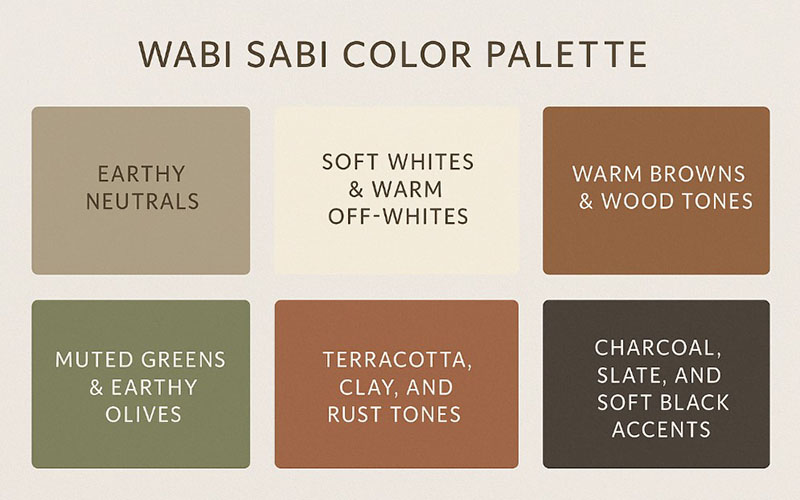
A Wabi Sabi interior is instantly recognizable by its serene and earthy color palette. Instead of bold, saturated hues, this style embraces soft neutrals, warm earth tones, and gentle natural shades that mirror the outdoors. These tones help cultivate a calming and harmonious atmosphere – one of the key goals of Wabi Sabi interior design.
Below are the main color groups that define the Wabi Sabi aesthetic:
1. Earthy Neutrals
Shades like sand, beige, taupe, clay, and stone gray form the foundation of the Wabi Sabi palette. These colors are timeless, adaptable, and provide a soothing backdrop that pairs perfectly with natural textures.
2. Soft Whites & Warm Off-Whites
Muted whites, cream, bone, and ivory bring light into the room without feeling stark or sterile. They help create a sense of openness while maintaining warmth and softness.
3. Warm Browns & Wood Tones
Natural wood colors – from driftwood gray to honey brown – add depth and a grounded feel. Furniture pieces like rustic benches, reclaimed wood tables, or bamboo accents blend seamlessly with Wabi Sabi interiors.
4. Muted Greens & Earthy Olives
Inspired by nature, these hues connect the home to the outdoors. Olive green, sage, moss, and eucalyptus tones work beautifully in living rooms, bedrooms, and bathrooms.
5. Terracotta, Clay, and Rust Tones
These warm, weathered colors bring subtle contrast without breaking the serene aesthetic. They echo the look of handmade pottery, clay tiles, and natural earth pigments – key elements of Wabi Sabi home design.
6. Charcoal, Slate, and Soft Black Accents
Used sparingly, darker tones add balance and structure. They help highlight organic shapes and create depth, especially in modern Wabi Sabi interiors.
How to Use the Wabi Sabi Palette Effectively
- Start with a neutral base, then add warm tones for depth.
- Incorporate natural textures through fabrics, wood, and pottery.
- Keep contrast low to maintain visual harmony.
- Use daylight and soft ambient lighting to enhance muted colors.
The right Wabi Sabi color palette transforms any space into a calm, grounded retreat – one that feels effortlessly natural and beautifully imperfect.
Essential Materials in Wabi Sabi Interior Design
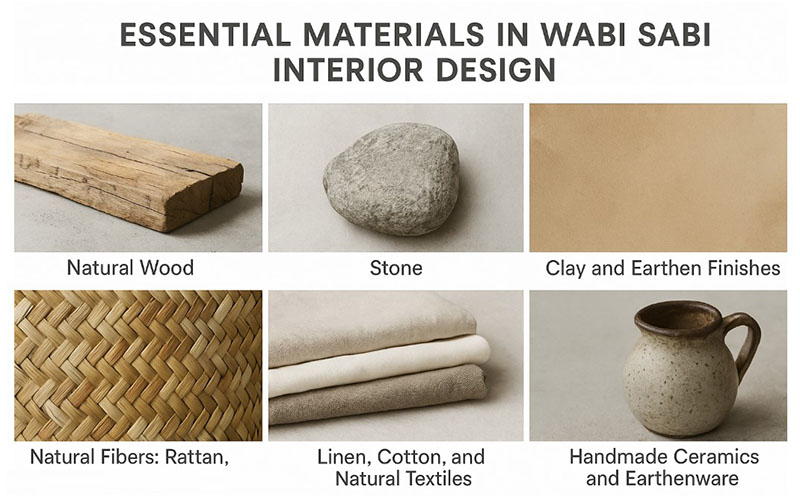
Materials are at the heart of Wabi Sabi interior design, shaping the emotional warmth and natural character that define this aesthetic. Unlike contemporary styles filled with synthetic surfaces and glossy finishes, Wabi Sabi interiors rely on organic textures that feel authentic, lived-in, and deeply connected to nature. These materials reflect the Principles of Wabi Sabi by highlighting imperfection, simplicity, and the beauty of time.
1. Natural Wood (Raw, Aged, or Reclaimed)
Wood is one of the most iconic materials in Wabi Sabi interiors. Aged timber, reclaimed beams, driftwood, and unfinished wood all bring a sense of history and authenticity into the home. Knots, grain variations, and subtle imperfections communicate honesty and craftsmanship, making them ideal for Wabi Sabi furniture design such as low benches, dining tables, open shelves, or rustic sideboards.
2. Stone, Clay, and Earthen Finishes
Unpolished stone, textured clay walls, and handmade ceramics introduce tactile richness into the space. Their irregular shapes, matte surfaces, and natural imperfections fit beautifully into traditional and modern Wabi Sabi decorating styles. These materials work well in kitchens, bathrooms, entryways, or anywhere you want to create a grounded, peaceful atmosphere.
3. Natural Fibers: Rattan, Bamboo, Wicker, and Seagrass
Natural fibers bring warmth, softness, and artisanal charm to Wabi Sabi interiors. They embody the Wabi Sabi interior design philosophy because each piece carries its own subtle irregularities. Rattan pendant lights, bamboo chandeliers, wicker baskets, and seagrass storage accents are particularly effective, helping blend Japanese Wabi Sabi influences with modern Western homes. These pieces are also perfect for Wabi Sabi home decor thanks to their organic forms and handcrafted textures.
4. Linen, Cotton, and Natural Textiles
Soft, breathable textiles like linen and cotton add comfort and serenity. Their wrinkled, lived-in appearance is not only acceptable but desirable within the Wabi Sabi interior style. Linen curtains, cotton throws, natural-fiber rugs, and textured cushions make any space feel calm, inviting, and emotionally grounding.
5. Aged Iron, Bronze, and Dark Metals
Although Wabi Sabi interiors avoid shiny metals, aged or patinated metals can provide subtle balance. Dark bronze, charcoal iron, and weathered steel add visual weight and contrast, especially when used in small accents such as lamp bases, cabinet handles, or picture frames.
6. Handmade Ceramics and Earthenware
Handcrafted ceramics embody imperfection better than almost any other material. Uneven glazes, natural cracks, color variations, and organic shapes make each piece unique. They are essential in Wabi Sabi home decor, whether displayed as decorative bowls, vases, pottery sets, or sculptural accents.
Overall, the materials used in Wabi Sabi interior design help create homes that feel organic, warm, grounded, and beautifully imperfect. Every texture tells a story, and every object reflects the quiet authenticity that makes this style so meaningful.
Wabi Sabi Lighting Design for Calm & Natural Interiors
Lighting plays a transformative role in Wabi Sabi interiors. It is not merely a functional element but a key component in shaping the calm, meditative atmosphere that defines this aesthetic. Instead of harsh, cool lighting, the Wabi Sabi interior embraces warm, diffused, and ambient illumination that enhances the natural textures throughout the space.
1. Why Lighting Matters in Wabi Sabi Interiors
Lighting influences how materials look, how shadows fall, and how the entire environment feels. Soft, indirect lighting complements the Principles of Wabi Sabi by emphasizing stillness, warmth, and emotional comfort. It highlights the natural grain of wood, the texture of stone, the softness of linen, and the organic patterns in woven materials. Good lighting turns a simple room into a serene retreat.
2. Best Lighting Types for a Wabi Sabi Home
Rattan Pendant Lights
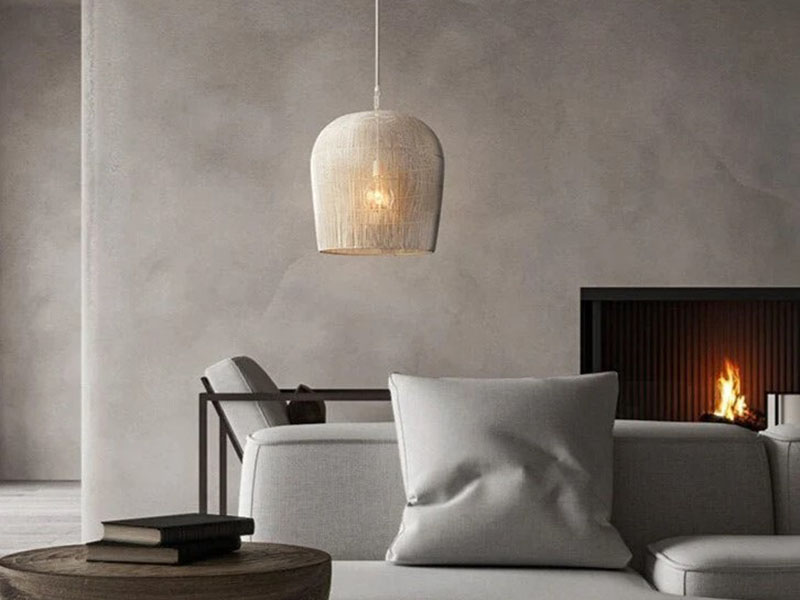
Rattan brings warmth, softness, and texture to the Wabi Sabi interior. Its woven structure creates gentle, diffused light patterns that feel natural and soothing. This makes rattan pendant lights one of the best choices for Wabi Sabi decorating styles and Wabi Sabi home decor, especially in living rooms, dining areas, or bedrooms.
Bamboo Pendant Lights and Chandeliers
Bamboo reflects Japanese sensibilities while blending seamlessly into modern Wabi Sabi interiors. The lightness and organic feel of bamboo make bamboo light ideal for creating a peaceful, minimalist look without feeling cold or sterile.
Woven Lampshades (Wicker, Seagrass, Jute)
Woven lighting introduces beautiful shadows and textures that align perfectly with Wabi Sabi interior aesthetics. Their natural variations make each piece unique, reinforcing the authenticity and handcrafted beauty central to Wabi Sabi design style.
Ceramic or Clay Table Lamps
Clay and ceramic lamps with linen or cotton shades add softness and warmth to a room. Their handcrafted imperfections make them excellent choices for bedrooms, reading corners, and entryways.
Floor Lamps (Rattan, Bamboo, and Linen Shades)
Floor lamps add soft, indirect lighting at eye level, creating a warm and grounded atmosphere. Rattan floor lamps offer natural texture and organic patterns, while bamboo designs bring a clean, minimalist silhouette inspired by Japanese craft. Options with linen or natural-fiber shades diffuse light beautifully, making them ideal for living rooms, bedrooms, and cozy meditation corners. They are an excellent way to layer gentle light without relying on harsh overhead fixtures.
Paper Lanterns and Soft Fabric Light
Inspired by traditional Japanese interiors, paper lanterns provide diffused, cloud-like illumination that feels gentle and organic. Soft fabric lights – especially linen or cotton shades – create a similar warm, calming glow while adding subtle natural texture to the room. Both options embody the Wabi Sabi approach to lighting, offering soft ambience and simple, handcrafted beauty that enhance any peaceful, minimalist interior.
Ambient Lighting Instead of Bright Overhead Lights
The Wabi Sabi interior avoids harsh white LEDs and direct overhead lighting. Instead, use multiple small sources of warm light: table lamps, floor lamps, wall sconces, and pendants. The layering of light creates intimacy and enhances the quiet, meditative quality of the home.
3. How to Use Lighting in Each Room
- Living Room: A rattan or bamboo pendant light can serve as the central focal point. Layer with a floor lamp and ceramic table lamps to create soft, welcoming ambience.
- Bedroom: Use warm bedside lamps, paper lanterns, or woven shades. Soft lighting enhances tranquility, making the bedroom a peaceful retreat inspired by modern Wabi Sabi interior design.
- Dining Room: A bamboo or rattan chandelier above the table creates an intimate, grounded atmosphere that encourages slow, mindful dining.
- Bathroom: Subtle wall sconces or small ceramic lamps create a spa-like environment. Lighting should be soft enough to relax the senses but bright enough for daily use.
- Entryway: A warm pendant light sets the tone for the entire home. Pair it with natural materials such as a wooden bench or an irregularly shaped mirror.
4. How Lighting Reflects the Principles of Wabi Sabi
Wabi Sabi lighting celebrates imperfection and natural beauty. The interplay of shadows, the warmth of handcrafted materials, and the softness of diffused light highlight the emotional essence of the home. Lighting becomes a way to express authenticity, simplicity, and inner calm – core values within the Principles of Wabi Sabi.
Room-by-Room Wabi Sabi Interior Design Guide
Designing a Wabi Sabi home becomes easier when you approach it one room at a time. Each space offers unique opportunities to embrace natural materials, soft lighting, and the Principles of Wabi Sabi while still maintaining practicality and comfort. Below is a detailed breakdown of how to apply Wabi Sabi interior design in every part of your home.
1. Wabi Sabi Living Room
The living room is the heart of a Wabi Sabi interior. This is where muted colors, organic materials, and handcrafted décor come together to create a calm and grounding atmosphere.
- Choose a neutral palette of beige, stone, olive, and warm wood tones.
- Incorporate natural textures through linen sofas, cotton pillows, woven rugs, or pottery accents.
- Use furniture with simple, low-profile silhouettes inspired by Japanese design.
- Add rattan pendant lights or bamboo chandeliers to enhance warmth and ambient lighting.
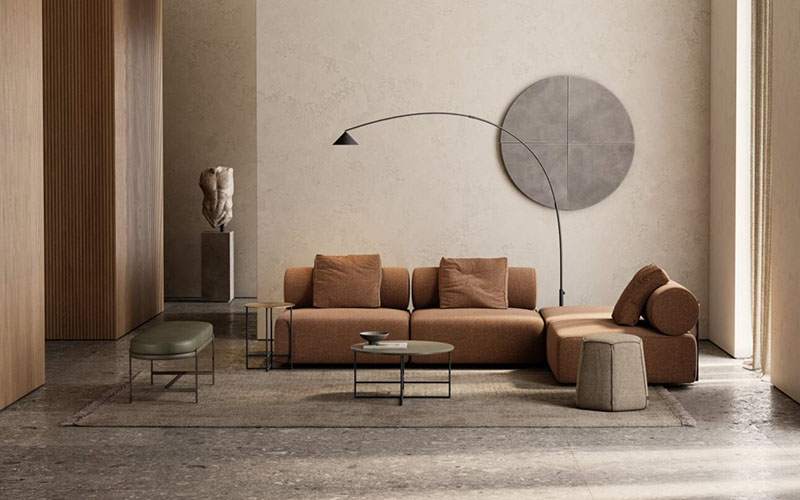
A Wabi Sabi living room should feel open, uncluttered, and intentionally imperfect – an inviting place to slow down and unwind.
Learn more: Wabi Sabi Living Room Design: Create a Calm, Natural Space
2. Wabi Sabi Bedroom Design
The bedroom is one of the best spaces to apply Wabi Sabi principles because it naturally lends itself to quiet, restful energy.
- Start with soft linen bedding in neutral colors.
- Choose a wooden bed frame with a simple silhouette or a natural-edge headboard.
- Limit décor to a few meaningful items such as handmade ceramics or a small vase with dried branches.
- Add soft ambient lighting using paper lanterns, woven lampshades, or ceramic table lamps.
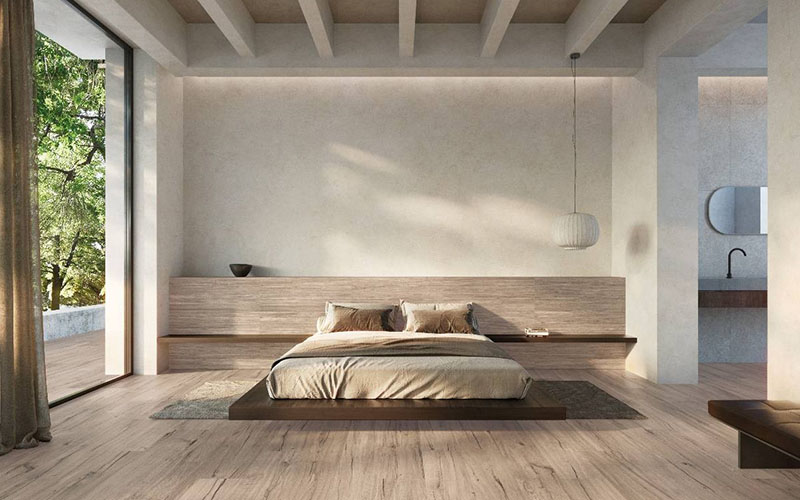
A Wabi Sabi style bedroom is meant to feel serene and cocoon-like, focusing on comfort, stillness, and gentle textures.
3. Wabi Sabi Dining Room
A Wabi Sabi dining room focuses on togetherness and mindful living.
- Use a solid wood table with visible grain and natural imperfections.
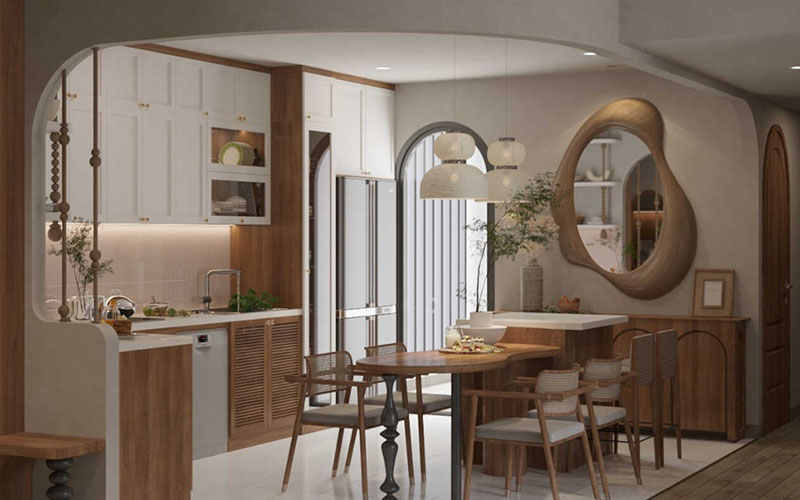
- Opt for simple wooden chairs or rattan seating to bring warmth and texture.
- Hang a bamboo or rattan pendant light above the table for intimate, diffused lighting.
- Keep the table minimally styled with one handcrafted ceramic piece or a single branch arrangement.
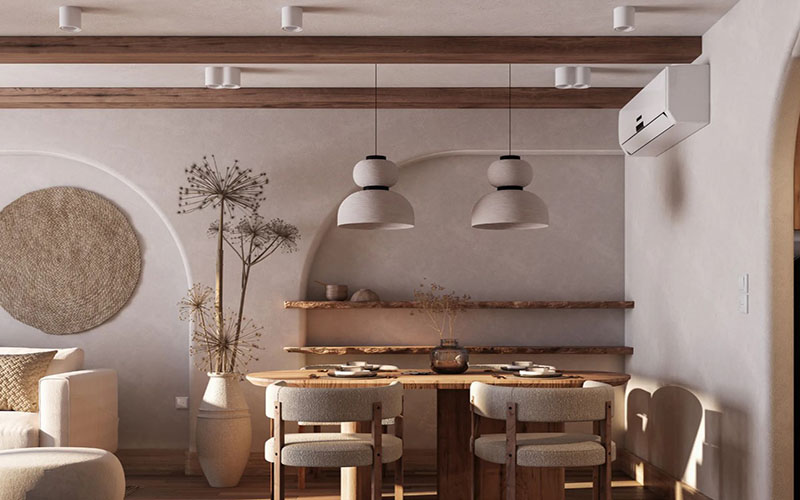
This space should encourage slow, meaningful meals rather than fast, distracted dining.
Learn more: Wabi Sabi Dining Room Ideas for a Warm and Natured Home
4. Wabi Sabi Kitchen
The kitchen becomes more peaceful and functional when designed through Wabi Sabi principles.
- Use natural materials like stone, clay tiles, or raw wood cabinetry.
- Incorporate open shelving to display pottery, clay bowls, and handmade dishes.
- Keep the color palette muted with warm neutrals and earthy textures.
- Add woven baskets for storage and linen tea towels for softness.
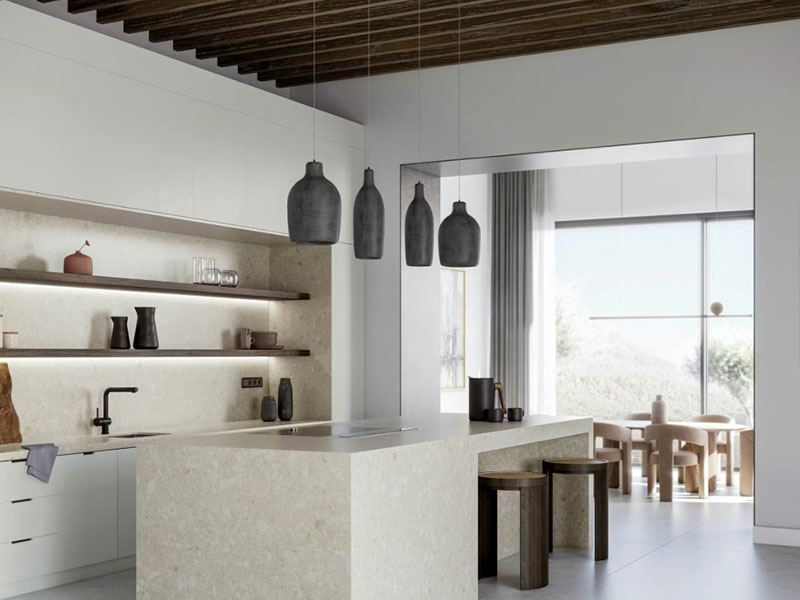
A Wabi Sabi kitchen celebrates everyday rituals – brewing tea, preparing food, washing dishes – as meaningful moments rather than rushed tasks.
Learn more: Wabi Sabi Kitchen Design for a Warm, Peaceful, and Nature Home
5. Wabi Sabi Bathroom
Bathrooms can become spa-like sanctuaries when inspired by Bathroom Wabi Sabi interior design.
- Choose stone basins, matte tiles, or textured walls.
- Add natural wood elements through stools, shelves, or vanity details.
- Use soft, warm lighting instead of bright LED strips.
- Keep accessories minimal: a single ceramic soap dish, a linen towel, or a handmade vase.
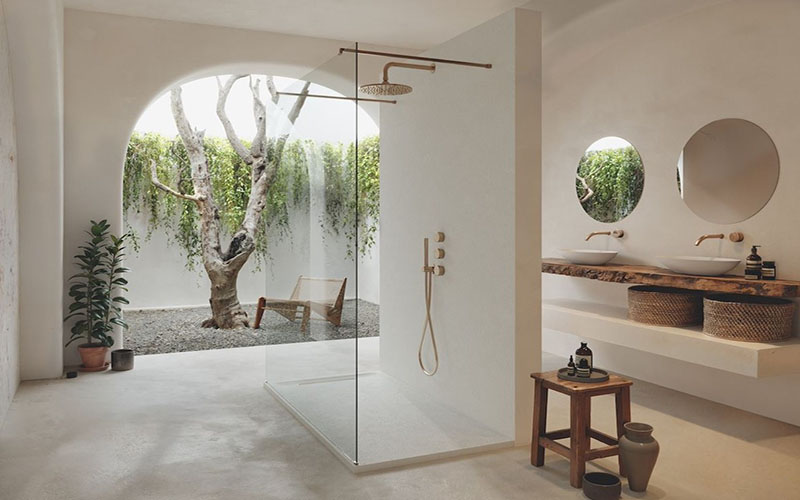
This room should evoke calmness and simplicity, helping you begin and end each day peacefully.
Learn more: Wabi Sabi Bathroom Design: The Ultimate Guide
6. Wabi Sabi Entryway
As the first impression of your home, the entryway should communicate warmth, natural beauty, and intention.
- Use a wooden bench, a woven basket, or a rattan tray for functional storage.
- Choose an irregular, organic-shaped mirror to introduce natural asymmetry.
- Hang a warm pendant light to create a soft, welcoming ambience.
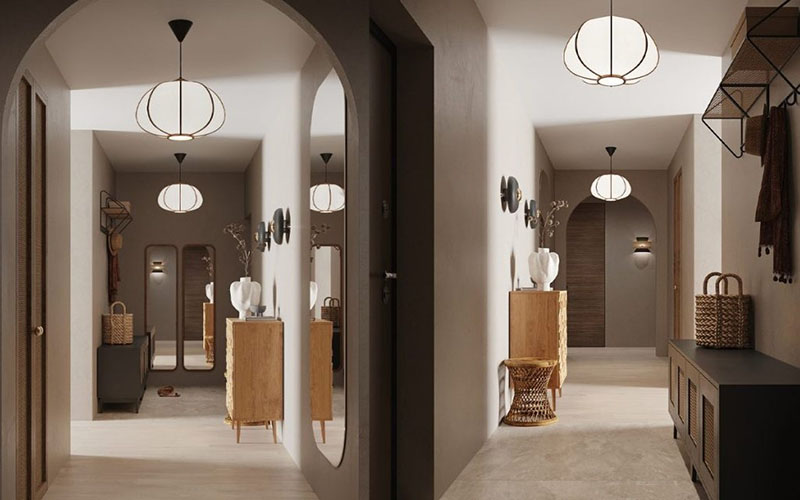
A well-designed entryway immediately sets the tone for the rest of your Wabi Sabi interior.
Learn more: Wabi Sabi Entryway Ideas: Simple, Natural, Beautifully Design Tips
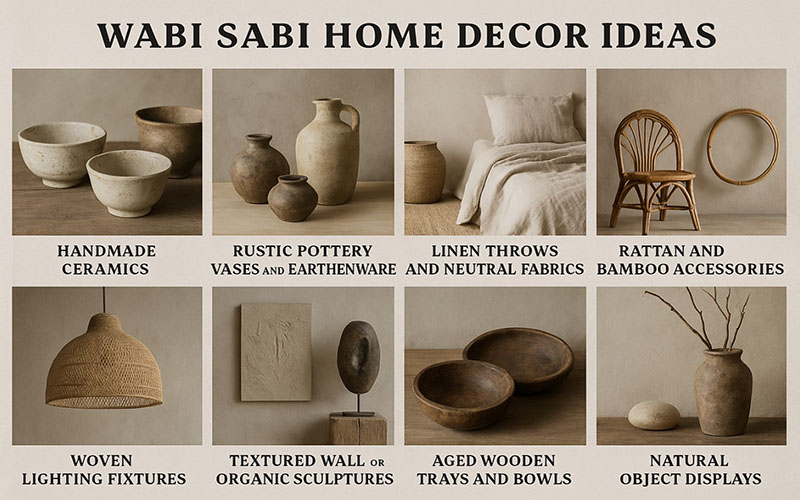
Wabi Sabi Home Decor Ideas
Wabi Sabi home decor is all about expressing authenticity, nature, and craftsmanship through simple yet meaningful objects. Instead of flashy or overly decorative pieces, this style favors items with organic shapes, handmade details, and natural imperfections. Below are some inspiring ideas that seamlessly blend with modern Wabi Sabi interior design and traditional Wabi Sabi decorating styles.
1. Handmade Ceramics
Uneven shapes, natural glazes, and subtle cracks make handcrafted pottery one of the most iconic elements of Wabi Sabi decor. Display vases, bowls, clay cups, or sculptural pieces on open shelves for a simple yet soulful touch.
2. Rustic Pottery Vases and Earthenware
Textured vases, terracotta jars, and clay pitchers add gentle warmth and depth to the home. Fill them with dried branches, pampas grass, or simple wildflowers for an organic display.
3. Linen Throws and Neutral Fabrics
Soft, crinkled linen throws, cotton cushions, and natural-fiber rugs create layers of comfort while keeping the color palette calm. Their lived-in look perfectly reflects the Principles of Wabi Sabi.
4. Rattan and Bamboo Accessories
Rattan baskets, bamboo trays, cane-back chairs, or woven trays add subtle texture and reinforce the handcrafted essence of Wabi Sabi interiors. These accents pair effortlessly with Wabi Sabi furniture design and modern minimalist spaces.
5. Woven Lighting Fixtures
Wicker, rattan, or seagrass lamps bring both function and artistry to your home. Their soft, diffused glow enhances the meditative quality of Wabi Sabi interiors while adding organic texture.
6. Textured Wall Art or Organic Sculptures
Avoid glossy framed prints and choose instead:
- Handmade paper art
- Clay or wooden sculptures
- Organic-shaped textile art
These pieces add quiet visual interest without overwhelming the space.
7. Aged Wooden Trays and Bowls
Reclaimed wood trays, wooden bowls with patina, and natural-edge platters emphasize simplicity and craftsmanship. They blend beautifully with both rustic and modern Wabi Sabi interiors.
8. Natural Object Displays
Incorporate simple nature-inspired decor such as smooth stones, driftwood, dried leaves, or shells. These small items serve as visual poetry – quiet reminders of the natural world.
Every piece of Wabi Sabi home decor should feel intentional, meaningful, and emotionally resonant. By choosing handcrafted, nature-inspired items, you reinforce the authentic, calming essence of Wabi Sabi design throughout your home.
Wabi Sabi Furniture Design
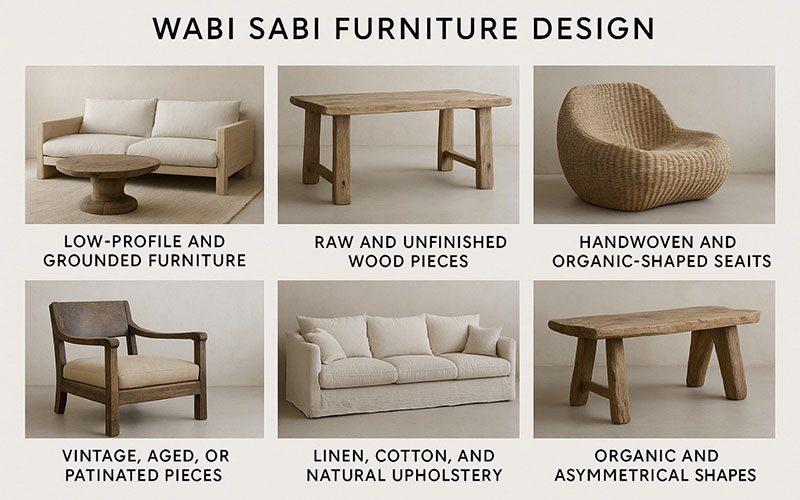
Furniture in a Wabi Sabi interior plays a crucial role in shaping the flow, function, and emotional tone of a home. Unlike modern furniture that often focuses on symmetry, sleek surfaces, and precision, Wabi Sabi furniture design embraces natural forms, raw materials, and understated beauty. Each piece feels meaningful, grounded, and intentionally imperfect – reflecting the core Principles of Wabi Sabi.
1. Low-Profile and Grounded Furniture
Inspired by traditional Japanese interiors, low-profile furniture helps create a sense of closeness to the earth.
- Low wooden beds
- Minimalist platform sofas
- Grounded coffee tables made from solid wood
These pieces promote calmness and simplicity, making the home feel more centered and harmonious.
2. Raw and Unfinished Wood Pieces
Wood with visible knots, irregular edges, and textured grain patterns fits seamlessly into Wabi Sabi interior styles.
- Live-edge tables
- Rustic benches
- Simple wooden shelves
- Reclaimed wood consoles
The natural imperfections in wood highlight authenticity, giving the furniture a soulful, handcrafted character.
3. Handwoven and Organic-Shaped Seating
Rattan chairs, bamboo stools, and woven benches add warmth and artisanal texture.
Their organic silhouettes create a natural contrast to straight architectural lines, which is essential for Wabi Sabi decorating styles.
4. Vintage, Aged, or Patinated Pieces
Wabi Sabi celebrates the beauty of age. Incorporating vintage furniture or pieces with gentle wear and patina adds history and depth.
- Distressed wooden cabinets
- Weathered trunks
- Antique side tables
These items make the space feel lived-in and emotionally rich.
5. Linen, Cotton, and Natural Upholstery
Textiles should look soft, understated, and naturally textured.
- Linen sofas
- Cotton cushions
- Wool throws
Their relaxed appearance perfectly complements both modern Wabi Sabi interior design and more traditional interpretations.
6. Organic and Asymmetrical Shapes
Furniture doesn’t need to look perfectly uniform. Slightly curved forms, irregular silhouettes, and sculptural details introduce subtle movement and visual interest.
- Asymmetrical wooden stools
- Hand-carved side tables
- Rounded, organic coffee tables
These shapes echo the natural world and feel both calming and artistic.
A well-curated Wabi Sabi home design uses furniture that feels honest, grounded, and intentionally simple – pieces that contribute to peace, comfort, and meaningful living.
Wabi Sabi and Natural Lighting
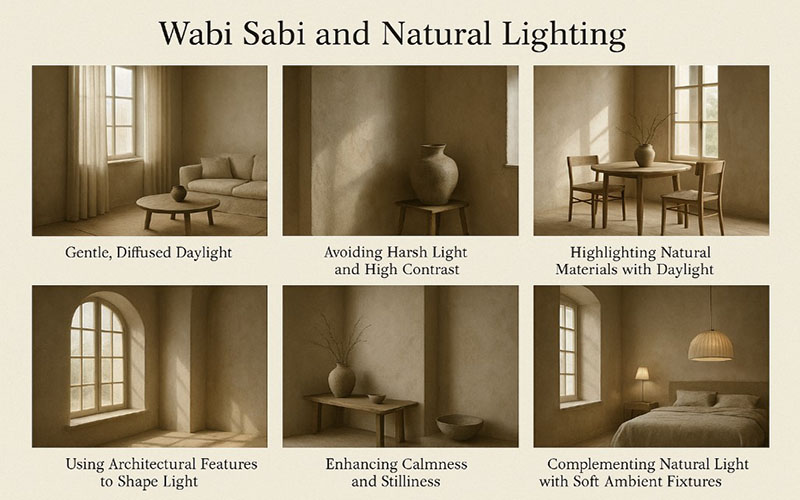
Natural lighting is one of the most influential elements in Wabi Sabi interior design. It enhances textures, softens imperfections, and creates a serene, meditative atmosphere that artificial lighting alone cannot replicate. Instead of manipulating light, Wabi Sabi interiors allow daylight to speak softly, shifting naturally throughout the day.
1. Gentle, Diffused Daylight
Wabi Sabi interiors prefer soft daylight that filters through sheer curtains or natural fabrics.
- Linen or cotton drapes
- Rice paper blinds
- Lightweight woven shades
These filter sunlight into a warm, muted glow that accentuates the grain of wood, the texture of clay, and the organic qualities of natural materials.
2. Avoiding Harsh Light and High Contrast
Spaces inspired by Wabi Sabi avoid strong contrasts or harsh direct lighting. Instead, light is allowed to fall naturally, creating subtle shadows and gentle gradients. This approach aligns perfectly with the Principles of Wabi Sabi by emphasizing calmness, modesty, and understated beauty.
3. Highlighting Natural Materials with Daylight
Natural light enhances:
- raw wood
- unpolished stone
- textured walls
- woven elements
- handmade pottery
Because these materials change appearance with sunlight, they help express the Wabi Sabi philosophy of aging, impermanence, and organic beauty.
4. Using Architectural Features to Shape Light
Thoughtful use of architectural elements can help create a softer, more contemplative environment.
- Deep window sills
- Wooden shutters
- Alcoves
- Light wells or skylights
These subtle features direct daylight in ways that feel natural and quiet rather than dramatic or overpowering.
5. Enhancing Calmness and Stillness
Natural lighting supports the emotional purpose of a Wabi Sabi home:
- creating a peaceful environment
- encouraging slower living
- shifting focus toward simplicity and intention
- promoting connection with the present moment
When daylight interacts with organic materials, the entire room feels rooted, grounded, and deeply human.
6. Complementing Natural Light with Soft Ambient Fixtures
Although natural lighting is essential, Wabi Sabi interiors also rely on soft artificial lighting to maintain ambience at night. Warm-toned lamps, woven pendant lights, ceramic lamps, and bamboo lanterns extend the peaceful atmosphere even when the sun goes down.
Together, natural light and handcrafted fixtures create an environment that feels warm, soothing, and authentic – perfectly expressing the timeless beauty of the Wabi Sabi design style.
Wabi Sabi Japanese Interior Design vs Modern Wabi Sabi
Although rooted in traditional Japanese philosophy, Wabi Sabi has evolved into a global design language embraced in contemporary homes. Understanding the difference between Wabi Sabi Japanese interior design and modern Wabi Sabi interior design helps homeowners adopt the style more authentically while adapting it to Western lifestyles.
1. Traditional Wabi Sabi Japanese Interior Design
Classic Japanese Wabi Sabi interiors focus heavily on Zen principles, nature, and simplicity. They are deeply spiritual spaces that reflect humility and an appreciation for the passage of time.
Characteristics include:
- Tatami mats and low wooden furniture
- Shoji screens made from wood and rice paper
- Natural materials like bamboo, clay, stone, and aged wood
- Minimal decoration, emphasizing negative space
- Organic asymmetry and handcrafted objects
- Soft, diffused lighting to enhance calmness
Traditional Wabi Sabi homes are quiet, meditative, and intentionally uncluttered. They reflect the purest Principles of Wabi Sabi: imperfection, transience, naturalness, and simplicity.
2. Modern Wabi Sabi Interior Design
In Western homes, Wabi Sabi is often blended with Scandinavian minimalism, organic modernism, or contemporary Japanese design. The result is a warm, lived-in aesthetic that is both functional and visually calming.
Key features include:
- Neutral color palettes with warm undertones
- Linen sofas, minimalist platform beds, and wooden coffee tables
- Rattan pendant lights, bamboo lighting, and woven accents
- Open-plan layouts and modern amenities
- Natural textures mixed with clean architectural lines
- Light imperfections in furniture or décor
- A focus on comfort, serenity, and connection to nature
Modern Wabi Sabi interiors retain the spirit of the traditional aesthetic while allowing more flexibility, practicality, and Western comfort.
3. The Role of Axel Vervoordt in Western Wabi Sabi Design
The Belgian designer Axel Vervoordt is often credited for bringing Wabi Sabi concepts into contemporary Western design. His work champions simplicity, organic materials, muted tones, and handmade objects – perfectly aligned with the Principles of Wabi Sabi.
Through his influence, modern Wabi Sabi homes now blend rustic elegance with minimalist sophistication.
4. What Both Styles Have in Common
Despite cultural differences, both Japanese and modern interpretations share essential qualities:
- A preference for natural, unrefined materials
- Calm, muted color palettes
- Humility and modesty in design
- Appreciation for handcrafted and imperfect objects
- A close connection to nature
- Spaces designed for quiet living and emotional clarity
Whether you prefer the purity of traditional Japanese interiors or the warmth of modern Wabi Sabi homes, both styles express the same beautiful philosophy: finding peace and beauty in simplicity and imperfection.
| Category | Traditional Wabi Sabi Japanese Interior Design | Modern Wabi Sabi Interior Design |
|---|---|---|
| Origins | Rooted in Japanese Zen philosophy and nature | Blended with Scandinavian, Organic Modern, and Contemporary design |
| Essence | Quiet, meditative, deeply minimal | Warm, comfortable, and adapted for Western living |
| Materials | Aged wood, bamboo, clay, stone, tatami, washi paper | Natural wood, linen, rattan, bamboo lighting, handcrafted décor |
| Color Palette | Soft neutrals, earthy tones, diffused lighting | Warm neutrals, beige, greige, earthy browns |
| Spatial Layout | Very minimal, lots of negative space | Minimal but functional, often open-plan |
| Furniture | Low furniture, tatami mats, shoji screens | Linen sofas, platform beds, wooden coffee tables |
| Lighting | Soft, natural, diffused light | Warm lighting with rattan pendant lights and modern fixtures |
| Décor Approach | Extremely restrained, focused on emptiness | More flexible, includes ceramics, woven accents, organic textures |
| Overall Mood | Stillness, humility, and ritual-like simplicity | Cozy, lived-in, serene, and practical |
| Key Influence | Traditional Japanese aesthetics | Axel Vervoordt shaping Western Wabi Sabi style |
Wabi Sabi vs Related Interior Design Styles
Although Wabi Sabi shares similarities with several design styles, each one expresses a different philosophy and creates a distinct atmosphere. Understanding these differences helps you choose the aesthetic that aligns best with your home.
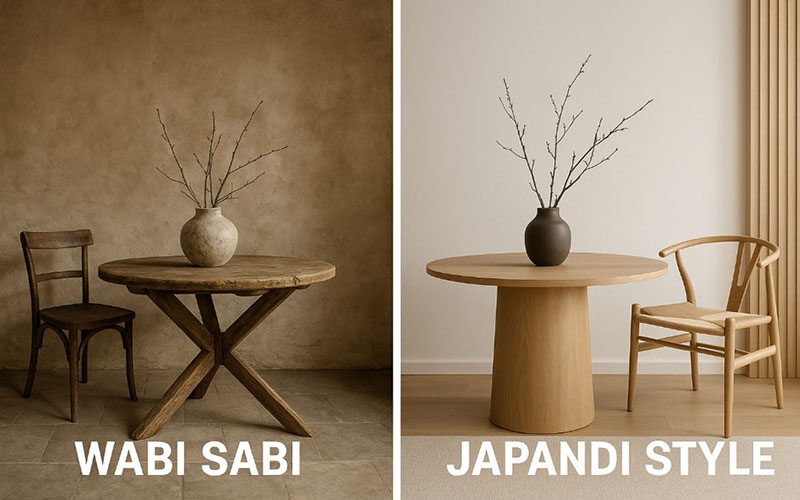
1. Wabi Sabi vs Japandi Style
Wabi Sabi and Japandi are often compared because both embrace simplicity and natural elements, but their core principles differ.
Wabi Sabi:
- Embraces imperfection, patina, and natural aging
- Uses raw textures, handcrafted pieces, and organic forms
- Creates warmth, softness, and emotional depth
Japandi:
- Blends Japanese minimalism with Scandinavian functionality
- Clean-lined, structured, and more polished
- Focuses on functionality, balance, and modern simplicity
Key Difference: Wabi Sabi feels earthy, soulful, and handcrafted, while Japandi feels modern, tidy, and more design-conscious.
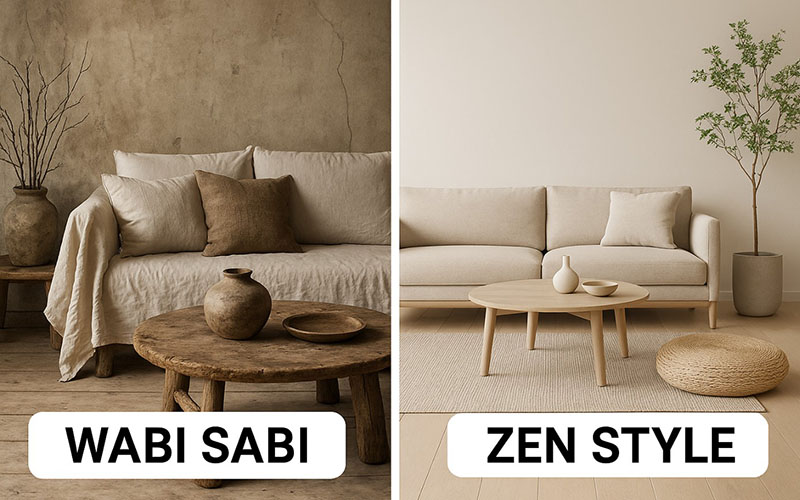
2. Wabi Sabi vs Zen Style
Both styles draw from Japanese traditions, but their interpretations diverge.
Wabi Sabi:
- Celebrates irregularity and natural imperfections
- Uses warm neutrals, natural materials, and organic shapes
- Feels cozy, grounded, and quietly expressive
Zen Style:
- Inspired by meditation and Buddhist principles
- More symmetrical, orderly, and minimal
- Focuses on balance, clarity, and calm neutrality
Key Difference: Wabi Sabi embraces irregular beauty and warmth, while Zen style prioritizes balanced simplicity and serene order.
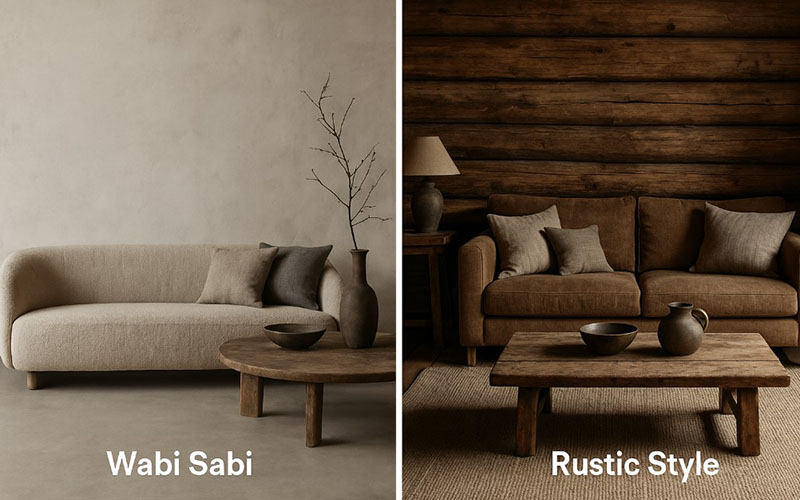
3. Wabi Sabi vs Rustic Style
Rustic and Wabi Sabi interiors both showcase natural materials, but their execution differs significantly.
Wabi Sabi:
- Subtle, understated, and emotionally calming
- Highlights imperfect beauty and soft, organic textures
- Prioritizes stillness and gentle simplicity
Rustic Style:
- Stronger, heavier, and more textural
- Features distressed wood, vintage details, and farmhouse elements
- Creates a warm, cozy, lived-in feeling
Key Difference: Wabi Sabi is refined and poetic, while Rustic style is bold, rugged, and farmhouse-influenced.
Today, designers blend Wabi Sabi with Western influences to create versions such as:
- Modern Wabi Sabi interior design – clean, elegant, minimal, but warm
- Minimalist Wabi Sabi interior design – simplified forms with soft, natural materials
- Wabi Sabi Japanese interior design – the purest, most traditional interpretation
Regardless of interpretation, the goal is the same: Create a home that feels peaceful, natural, authentic, and intentionally imperfect.
Common Mistakes to Avoid in Wabi Sabi Interiors
Because Wabi Sabi is subtle and deeply intentional, it’s easy to misinterpret or misuse the style. Avoiding common mistakes ensures that your home captures the true essence of the Wabi Sabi design style rather than becoming overly minimal or stylistically confused.
1. Making the Space Too Empty
Many people assume Wabi Sabi is the same as strict minimalism. However, empty rooms with no warmth or character can feel cold and uninviting.
Wabi Sabi interiors should feel lived-in, meaningful, and emotionally warm – not barren.
2. Using Too Many Artificial or Glossy Materials
Shiny finishes, synthetic plastics, and overly polished surfaces go against the Principles of Wabi Sabi.
Choose matte textures, natural fibers, unfinished wood, ceramic, stone, linen, and handcrafted décor instead.
3. Over-Decorating With “Faux Imperfection”
Artificial cracks, fake patina, or mass-produced items trying to look “rustic” can cheapen the space.
Authenticity matters more than aesthetic tricks. Choose items that naturally age or are genuinely handcrafted.
4. Ignoring Natural Light
Harsh LED lighting or overlit rooms can disrupt the quiet atmosphere of a Wabi Sabi interior.
Use warm ambient lighting, soft shadows, and multiple gentle light sources instead.
5. Using Too Many Colors or Busy Patterns
Bold patterns and bright colors break the harmony of Wabi Sabi interiors.
Stick to neutral tones, earth pigments, and textured materials to maintain calmness.
6. Filling the Space With Trendy Decor Instead of Meaningful Objects
Wabi Sabi encourages emotional connection with your environment.
Choose decor that reflects personal values: handmade crafts, pottery from local artisans, vintage items, or meaningful souvenirs.
7. Hiding Imperfections Instead of Celebrating Them
Visible wear on wood, uneven edges on pottery, or natural wrinkles in linen should not be masked.
Imperfection is the soul of Wabi Sabi.
When approached thoughtfully, Wabi Sabi interiors become peaceful sanctuaries – simple, authentic, and filled with emotional depth.
| Mistake | Correct Approach |
|---|---|
| Making the Space Too Empty | Keep it minimal but warm and lived-in. |
| Using Artificial or Glossy Materials | Choose matte finishes and natural materials. |
| Over-Decorating With “Faux Imperfection” | Use authentic, handcrafted, naturally aged pieces. |
| Ignoring Natural Light | Use soft, warm lighting and gentle shadows. |
| Using Too Many Colors or Patterns | Stick to earthy neutrals and subtle textures. |
| Choosing Trendy Decor Over Meaningful Items | Display personal, handmade, or sentimental objects. |
| Hiding Natural Imperfections | Embrace wear, patina, and organic irregularities. |
Budget-Friendly Wabi Sabi Interior Tips
One of the most appealing aspects of Wabi Sabi interior design is that you don’t need a large budget to achieve an authentic, calming home. In fact, many of the best Wabi Sabi spaces rely on simplicity, reuse, and an appreciation of what you already have. Below are practical, budget-friendly ways to incorporate Wabi Sabi home decor and create a beautifully intentional space without overspending.
1. Embrace What You Already Own
Wabi Sabi encourages gratitude and simplicity. Instead of replacing everything with new decor, highlight the items you already own: an old wooden chair, a weathered bowl, a handmade textile, or a vintage vase. These pieces often hold more character than anything brand-new.
2. Choose Affordable Natural Materials
You don’t need high-end materials to achieve a natural look. Simple elements such as linen, cotton, bamboo, rattan, clay, or raw wood are inexpensive yet perfect for the Wabi Sabi design style.
- Linen throws
- Rattan baskets
- Bamboo trays
- Earthenware pottery
These pieces instantly add organic beauty to your home.
3. Shop Handmade or Local
Handcrafted items bring soul and uniqueness to a space – and they don’t have to be expensive. Local artisans, small craft shops, and online marketplaces offer beautiful ceramics, wooden bowls, woven lampshades, or bamboo decor that perfectly fit the Principles of Wabi Sabi.
4. Use Reclaimed or Vintage Furniture
Secondhand furniture stores, flea markets, and estate sales are excellent for finding pieces with patina and history.
- Distressed side tables
- Vintage cabinets
- Reclaimed wood benches
These add emotional depth and character to Wabi Sabi home design, often at a fraction of the cost of new furniture.
5. Bring Nature Indoors
Some of the best Wabi Sabi decorations come directly from nature.
- Fallen branches
- Smooth stones
- Dried leaves
- Sea-worn driftwood
These simple items add poetry and meaning to your home without costing anything.
6. Keep Decor Minimal and Meaningful
Avoid over-decorating. Choose fewer, better pieces – items that matter to you emotionally. A single ceramic vase or a woven tray can make a stronger statement than a shelf full of decorative clutter.
7. Experiment With Soft, Warm Lighting
You don’t need expensive lighting fixtures to set the Wabi Sabi mood.
- Warm-toned bulbs
- Soft table lamps
- Woven shades
These simple choices can transform a space dramatically and affordably. Creating a Wabi Sabi interior on a budget is not about buying more – it’s about choosing mindfully and celebrating the authentic beauty of natural materials and meaningful objects.
Wabi Sabi Interior Design FAQs
Below are some of the most common questions about Wabi Sabi interior design.
Wabi Sabi interior design is a Japanese-inspired aesthetic that celebrates simplicity, natural materials, imperfection, and emotional tranquility. It blends organic textures, muted colors, and handcrafted objects to create warm, calming homes.
The key principles include embracing imperfection, valuing natural materials, appreciating transience, celebrating authenticity, and prioritizing simplicity and stillness.
A Wabi Sabi color palette includes earthy neutrals such as beige, taupe, stone gray, soft white, olive, terracotta, and muted browns.
Wabi Sabi interiors rely on natural materials such as aged wood, stone, clay, bamboo, rattan, linen, and handcrafted ceramics.
Yes. In fact, Wabi Sabi interior design is ideal for small spaces because its emphasis on simplicity and natural beauty creates a peaceful, uncluttered environment.
Soft, warm lighting is essential. Choose rattan pendant lights, bamboo lighting, woven lampshades, ceramic lamps, and paper lanterns that create gentle, diffused illumination.
Conclusion
Wabi Sabi interior design invites us to step away from the pursuit of perfection and instead appreciate the quiet, authentic beauty found in everyday living. It is a design style rooted in nature, intention, and emotional simplicity – reminding us that a meaningful home is not defined by flawless finishes, but by warmth, purpose, and genuine connection.
By embracing natural materials, handcrafted objects, soft lighting, and the gentle imperfections that make each piece unique, Wabi Sabi home design transforms ordinary spaces into peaceful sanctuaries. Whether through a single piece of pottery, a linen throw, a rattan pendant light, or a reclaimed wood table, every detail contributes to a home that feels grounded, calming, and deeply human.
In a world filled with noise, clutter, and constant pressure for visual perfection, the Wabi Sabi design style offers a refreshing path toward mindful living – one that encourages slowing down, appreciating the moment, and finding joy in simplicity. Your home becomes not just a place to live, but a space that nurtures your spirit, reflects your values, and celebrates the beauty of imperfection.
If you’re ready to bring warmth, natural elegance, and authentic craftsmanship into your home, explore the possibilities of Wabi Sabi home decor. Thoughtfully chosen materials like rattan, bamboo, linen, and handcrafted lighting can instantly elevate your space into a soft, serene retreat.
For homeowners seeking lighting that perfectly complements Wabi Sabi interiors, VietShopDesign offers an exclusive collection of handcrafted rattan pendant lights, bamboo chandeliers, and woven lighting designs – each created with care, natural materials, and artisanal beauty.
Create a home that feels peaceful, grounded, and beautifully imperfect. Discover handcrafted lighting for Wabi Sabi interiors at vietshopdesign.com.
See More Wabi Sabi Interior Design by Room:
- Best Wabi-Sabi Office Design Tips for a Organized Workspace
- Wabi Sabi Living Room Design: Create a Calm, Natural Space
- Wabi Sabi Dining Room Ideas for a Warm and Natured Home
- Wabi Sabi Kitchen Design for a Warm, Peaceful, and Nature Home
- Wabi Sabi Entryway Ideas: Simple, Natural, Beautifully Design Tips
- Wabi Sabi Bedroom Design: Create a Calm, Natural Retreat

Read more articles
25+ Bedroom Floor Lamp Ideas to Brighten & Elevate Your Space
Bedroom floor lamp ideas offer one of the simplest and most stylish ways to elevate [...]
Oct
Best Laundry Room Lighting Ideas for a Brighter, Cleaner Space
Laundry Room Lighting Ideas focus on turning one of the hardest-working spaces in your home [...]
Sep
20+ Guest Bedroom Lighting Ideas for a Warm, Welcoming Space
Guest bedroom lighting ideas focus on creating a warm, welcoming, and comfortable environment for anyone [...]
Sep
Best Study Room Lighting Ideas for a Bright and Focused Space
A well-designed study room is more than just a desk and a chair – it’s [...]
Sep
20+ Master Bedroom Lighting Ideas for a Modern, Elegant Space
Master bedroom lighting ideas go far beyond simply choosing a ceiling fixture. A master bedroom [...]
Sep
10 Home Office Lighting Ideas for a Bright, Productive Workspace
The home office has become one of the most important rooms in modern living. Whether [...]
Aug
How to Fix Eye Strain from Bad Home Office Lighting
You take screen breaks. You’ve adjusted your monitor brightness. You even bought blue-light glasses. And [...]
Aug
25+ Bedside Pendant Light Ideas for a Stylish Modern Bedroom
Bedside Pendant Light Ideas are becoming increasingly popular as homeowners look for smarter, more stylish [...]
Aug
Best Entryway Lighting Ideas to Brighten Your Entry Space
Your entryway sets the tone for your entire home – it’s the first space guests [...]
Aug
30+ Bedroom Pendant Light Ideas for a Stylish, Well-Lit Retreat
Bedroom Pendant Light Ideas can instantly elevate the atmosphere of your room, adding height, character, [...]
Aug
25+ Bedroom Ceiling Light Ideas to Transform Your Room
Bedroom Ceiling Light Ideas play a key role in creating a space that feels bright, [...]
Aug
How to Master Bedroom Lighting Ideas Like a Pro
Finding the right bedroom lighting ideas can completely transform the mood, comfort, and functionality of [...]
Jul
Explore our collections
Rattan Pendant Light
100 Products
Bamboo Pendant Light
39 Products
Fabric Pendant Light
44 Products
Wood Pendant Light
9 Products
Rope Pendant Light
18 Products
Rattan Wall Sconce
6 Products
Rattan Table Lamp
9 Products
Rattan Floor Lamp
9 Products