
Interior Design Styles
Wabi Sabi Entryway Ideas: Simple, Natural, Beautifully Design Tips
The entryway is the first impression of your home – a small but powerful space that sets the tone for everything that follows. This is why Wabi Sabi entryway design has become increasingly popular. Rooted in the Japanese philosophy of appreciating simplicity, imperfection, and the quiet beauty of natural materials, Wabi Sabi is the perfect approach for making your home feel warm, grounded, and truly inviting from the moment someone steps inside.
Unlike entryways overloaded with décor or modern designs filled with glossy surfaces, a Wabi Sabi entryway feels calm, intentional, and effortlessly beautiful. It focuses on natural textures, functional simplicity, earthy colors, and handcrafted elements that add soul to the space. Every item – whether a wooden bench, a ceramic bowl, or a dried branch – is chosen for meaning, not excess.
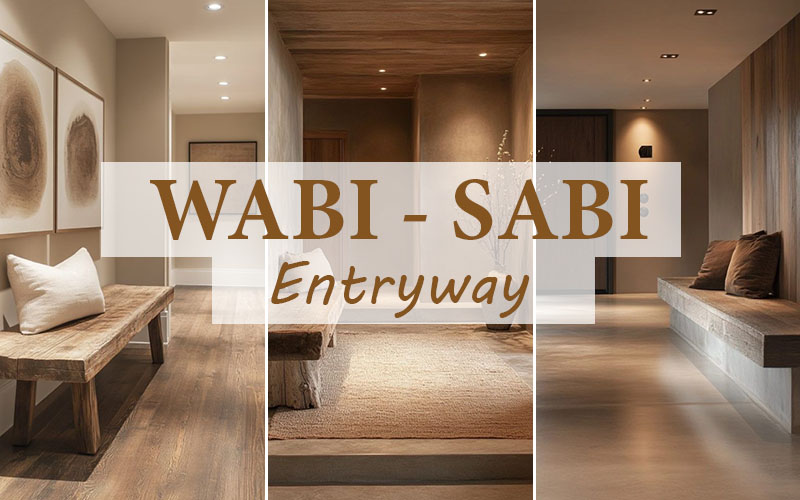
Creating a Wabi Sabi-inspired entryway doesn’t require a complete remodel. Instead, it’s about curating an atmosphere of stillness and authenticity, using a few well-chosen materials and design decisions that reflect your home’s unique personality.
If you’d like to understand the philosophy that shapes this aesthetic, take a moment to read our full guide to Wabi Sabi Interior Design. It explains the core principles behind the style, helping you design an entryway that feels calm, authentic, and deeply connected to nature.
Key Principles of a Wabi Sabi Entryway
Learn the foundation of this philosophy: What is Wabi Sabi
Designing a Wabi Sabi entryway means embracing a set of guiding principles that balance function, beauty, and emotional resonance. Below are the essential foundations that define this style and help transform your entryway into a serene, grounding transition space.
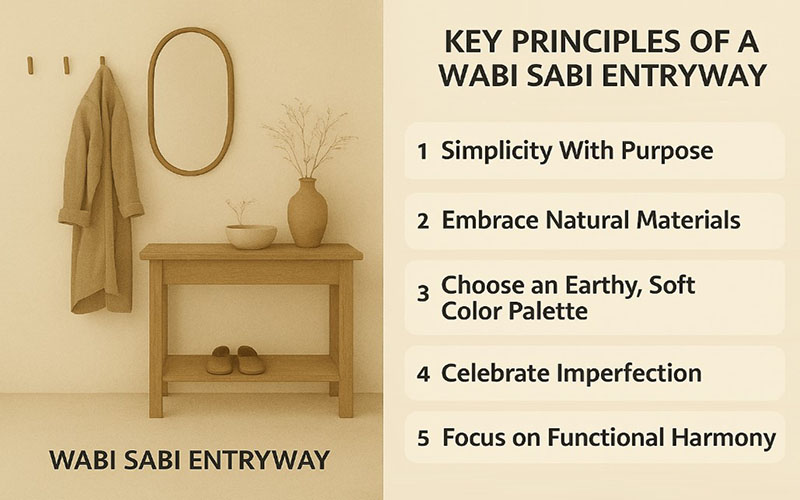
1. Simplicity With Purpose
Wabi Sabi encourages intentional simplicity – not emptiness.
Your entryway should be functional, uncluttered, and thoughtfully arranged.
Keep only what you truly use: a bench, a key bowl, a coat hook, a storage basket, or a small rug. The goal is to create a peaceful flow, not a busy drop zone.
2. Embrace Natural Materials
Natural materials add warmth and authenticity, creating a sensory experience the moment you walk through the door.
Ideal materials for a Wabi Sabi entryway include:
- Raw or reclaimed wood
- Woven fibers such as rattan, seagrass, or bamboo
- Stone, clay, or pottery
- Cotton, linen, or wool textiles
- Matte metal accents in bronze or blackened steel
These textures invite touch and make the entryway feel organic and grounded.
3. Choose an Earthy, Soft Color Palette
The entryway should feel serene and welcoming.
Stick to colors inspired by nature:
- Beige, sand, oatmeal
- Warm white or ivory
- Soft gray and taupe
- Muted olive or sage
- Warm wood tones
- Charcoal accents
This palette creates calmness and harmonizes with the materials used.
4. Celebrate Imperfection
Wabi Sabi is about authenticity.
Instead of polished furniture or mass-produced décor, look for:
- Handmade ceramics
- Weathered wood
- Uneven textures
- Irregular mirrors
- Organic, asymmetrical shapes
These subtle imperfections add character and emotional warmth.
5. Focus on Functional Harmony
A Wabi Sabi entryway is not just beautiful – it is highly practical.
Everything should have a purpose:
- Hooks for coats and bags
- Baskets for storage
- A sturdy bench for sitting
- A tray or bowl for keys
- Soft lighting for a welcoming glow
When function and beauty work together, the entryway becomes effortlessly enjoyable to use daily.
Best Wabi Sabi Entryway Ideas
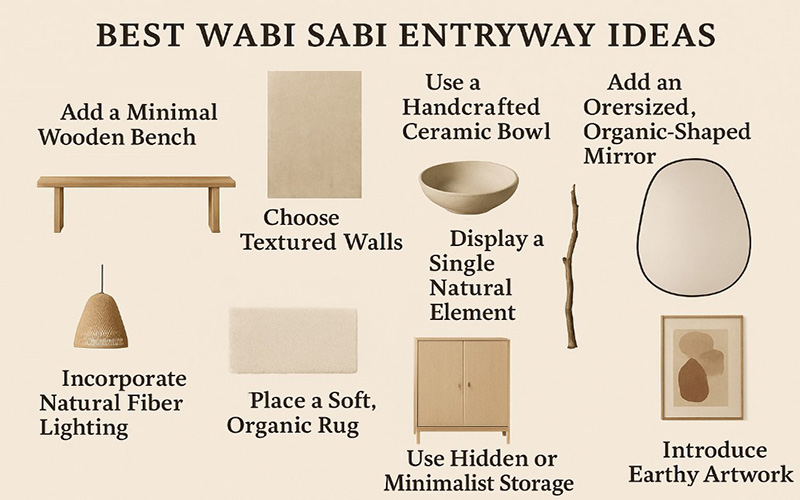
Creating a Wabi Sabi entryway doesn’t require complex remodeling. Instead, it’s about choosing simple, intentional elements that bring natural beauty, calmness, and warmth to the very first space you step into. Below are some of the most practical and inspiring Wabi Sabi entryway ideas for any home – large or small.
1. Add a Minimal Wooden Bench
A raw or lightly finished wooden bench immediately sets the Wabi Sabi tone. It offers both function (a place to sit while taking off shoes) and aesthetic warmth. Reclaimed wood or benches with natural knots and grain patterns are perfect for this style.
2. Choose Textured Walls
Flat white walls can feel cold. Instead, try:
- Limewash
- Clay plaster
- Stucco
- Microcement
These finishes add soft texture and tonal variations that feel calm, timeless, and authentically imperfect.
3. Use a Handcrafted Ceramic Bowl or Tray for Keys
Replace modern metal trays with handmade pottery. A ceramic bowl with uneven glaze or subtle imperfections brings soul and intention to an everyday object.
4. Incorporate Natural Fiber Lighting
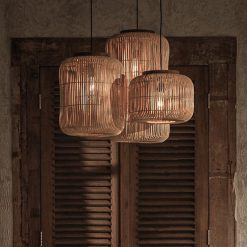
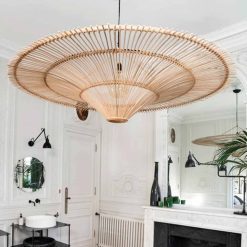
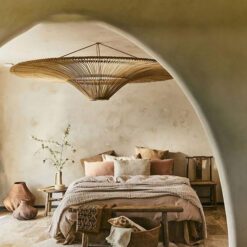
Rattan pendant lights, bamboo lanterns, or woven sconces create warm, diffused light that feels welcoming and organic. Natural fiber lighting perfectly complements Wabi Sabi textures and earthy tones.
5. Place a Soft, Organic Rug
Choose rugs made of natural fibers:
- Jute
- Wool
- Cotton
- Seagrass
Pick muted colors and simple patterns to maintain visual calm.
6. Add an Oversized, Organic-Shaped Mirror
Mirrors help expand small entryways, but they should fit Wabi Sabi aesthetics. Opt for:
- Irregular or imperfect shapes
- Wooden or frameless edges
- Textured frames
- Matte finishes
These designs feel handmade and softly organic.
7. Display a Single Natural Element
Rather than crowding the space with décor, feature:
- A dried branch in a clay vase
- A simple stone sculpture
- A single woven art piece
- A small plant that thrives in low light
One intentional object can communicate far more than many decorative items.
8. Use Hidden or Minimalist Storage
Keep clutter out of sight to create a serene entryway. Use:
- Built-in cabinets
- Linen-covered shelves
- Seagrass baskets for shoes
- Low-profile cabinets with matte wood tones
Storage should be subtle, quiet, and seamlessly integrated.
9. Add Soft Ambient Lighting
Soft, warm lighting (2700–3000K) helps create a gentle and welcoming atmosphere. Avoid bright white LEDs. Layer lighting with wall sconces, table lamps, or soft floor-level accent lights.
10. Introduce Earthy Artwork
If you add art to the entryway, choose pieces inspired by nature:
- Ink wash paintings
- Minimalist line drawings
- Handmade textured art
- Organic clay or wood wall pieces
Art should contribute to calmness, not visual noise.
Styling a Wabi Sabi Entryway Bench
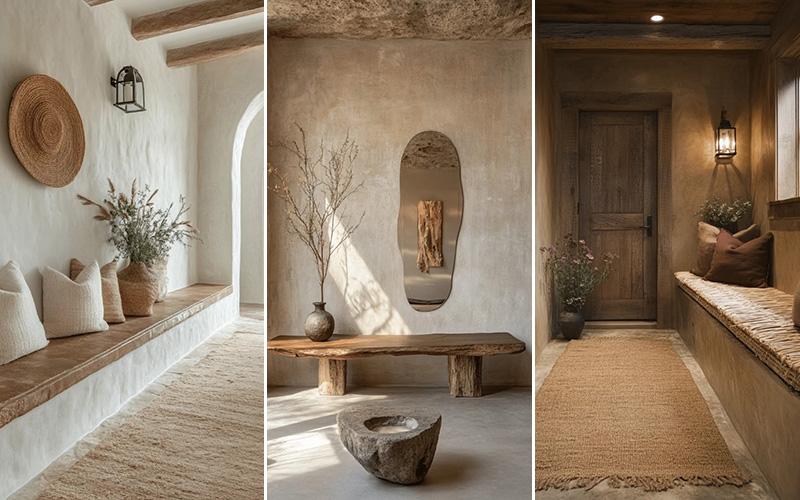
The bench is often the focal point of a Wabi Sabi entryway. It anchors the space, provides functionality, and sets the emotional tone. Styling it properly ensures your entryway feels intentional, welcoming, and quietly beautiful.
1. Choose the Right Material
Natural wood works best. Consider:
- Reclaimed wood with patina
- Light oak or ash for a softer look
- Rustic pine for warmth
- Bamboo or rattan for an airy feel
Avoid glossy or lacquered finishes.
2. Add a Soft Linen Throw
Drape a linen or cotton throw casually across the bench. It should look natural, not overly arranged. Choose earthy tones like cream, taupe, or muted brown.
3. Include a Simple Basket Underneath
A woven basket – rattan, seagrass, or bamboo – adds warmth and practical storage. It’s perfect for:
- Shoes
- Scarves
- Small accessories
- Dog leashes
The goal is hidden storage that keeps the entryway clutter-free.
4. Style With One or Two Handcrafted Pieces
Avoid heavy décor. Instead, choose:
- A ceramic vase with a dried branch
- A handmade bowl
- A textured lantern
- A small clay sculpture
Handcrafted items enhance the imperfect and organic feel.
5. Leave Visual Breathing Space
A key principle of Wabi Sabi: not everything needs to be filled.
Allow empty space around the bench so the room feels open, calm, and unforced.
6. Pair the Bench With a Soft Rug
Place a small, natural-fiber rug in front of the bench to add warmth and soften the look. Neutral colors work best – stone gray, beige, taupe, or natural jute.
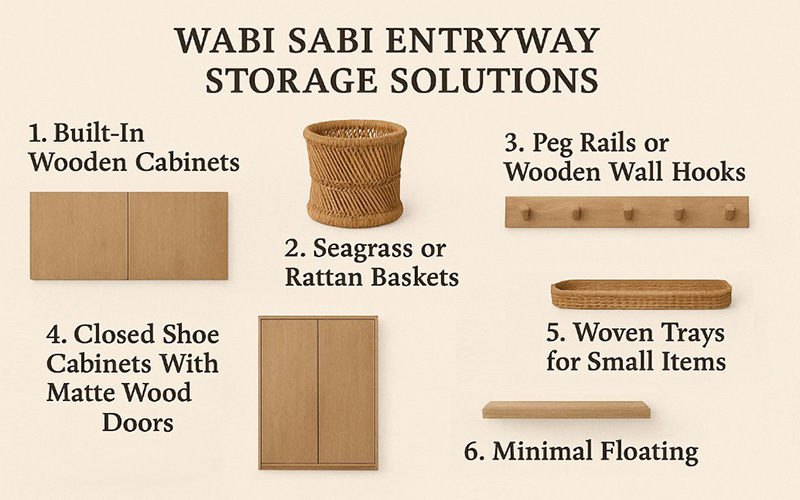
Wabi Sabi Entryway Storage Solutions
A Wabi Sabi entryway should feel calm, intentional, and easy to move through – something impossible if the space is cluttered with shoes, bags, and daily essentials. Storage plays a major role in maintaining harmony. The key is choosing solutions that are subtle, natural, and quietly beautiful.
1. Built-In Wooden Cabinets
If your entryway allows, built-in cabinetry made from matte-finished or lightly textured wood is ideal.
Choose:
- Light oak
- Pine
- Ash
- Reclaimed wood with visible grain
Avoid glossy finishes or modern lacquered cabinets that feel too perfect and reflective.
2. Seagrass or Rattan Baskets
Natural baskets are essential in Wabi Sabi entryways because they combine storage and texture effortlessly.
Use them for:
- Shoes
- Winter accessories
- Dog leashes
- Kids’ items
- Market bags
Baskets instantly soften the space while keeping clutter hidden.
3. Peg Rails or Wooden Wall Hooks
Borrowing from Japanese and Scandinavian simplicity, wooden peg rails are perfect for organizing:
- Coats
- Bags
- Hats
- Scarves
They add functional charm while keeping everything accessible.
4. Closed Shoe Cabinets With Matte Wood Doors
Shoe cabinets prevent visual chaos and maintain a clean, quiet environment. Choose designs with:
- Linen-covered doors
- Cane fronts
- Matte wood tones
- Neutral woven textures
They should blend seamlessly into the wall, not dominate it.
5. Woven Trays for Small Items
Keys, sunglasses, and wallets can quickly clutter the space.
Use:
- Small seagrass trays
- Bamboo organizers
- Wooden catch-all dishes
- Handmade ceramic bowls
These keep small items contained while adding natural texture.
6. Minimal Floating Shelves
One or two floating shelves in stone, wood, or matte plaster create simple storage without overwhelming the entryway.
Keep them lightly styled with:
- A ceramic vase
- A single framed artwork
- A handmade candle
Avoid over-styling to keep the Wabi Sabi aesthetic intact.
Wabi Sabi Entryway Lighting Ideas
Lighting is one of the most powerful ways to set a welcoming mood in a Wabi Sabi entryway. It should be warm, soft, and diffused – never harsh. Good lighting enhances natural textures, highlights handcrafted items, and creates a calming transition from outdoors to indoors.
1. Rattan or Bamboo Pendant Lights
Natural fiber rope pendant lights diffuse light gently, creating warmth and subtle shadows. These fixtures instantly communicate the calm, organic feeling of Wabi Sabi design.
2. Linen or Fabric Wall Sconces
Wall sconces with linen or cotton shades add softness to the entryway.
They produce:
- Warm ambient light
- A cozy, inviting atmosphere
- Balanced illumination without glare
Perfect for narrow or small entryways.
3. Warm Color Temperature (2700–3000K)
Avoid cool white light, which feels harsh and clinical.
Warm light enhances:
- Wood textures
- Earthy tones
- Matte finishes
- Clay and ceramic accessories
This temperature range helps the entryway feel intimate and welcoming.
4. Low-Glare, Diffused Lamps
If you have a console table or a small shelf, a soft-glow table lamp can add warmth.
Choose lamps with:
- Linen shades
- Paper shades (wasabi-shoji style)
- Frosted glass globes
- Ceramic bases
They add both functionality and organic charm.
5. Accent Lighting on Natural Textures
Highlight a limewashed wall, a clay vase, or a woven artwork using soft accent lighting.
The goal is to enhance texture – not to spotlight it harshly.
6. Avoid Harsh Downlights
Recessed lighting is acceptable only if it is:
- Dimmed
- Warm
- Soft-edged
Bright overhead lights disrupt the calmness and can make the entryway feel too modern or sterile.
7. Use Lighting to Guide Flow
In open-concept homes, use warm lighting to guide movement from the entryway into the living room or dining space. This creates a natural and harmonious visual transition.
Don’t miss our handcrafted rattan and bamboo lights, made for Wabi-Sabi spaces.
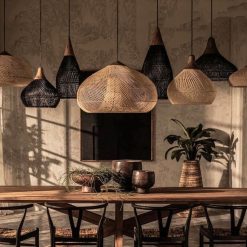
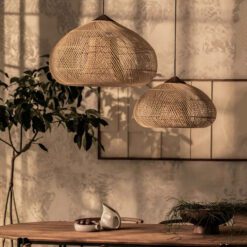
Boho Rattan Pendant Lights
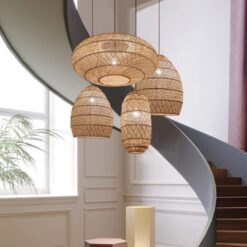
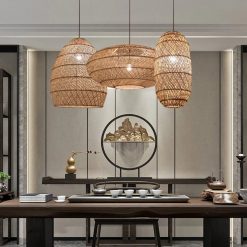
Rattan Pendant Light
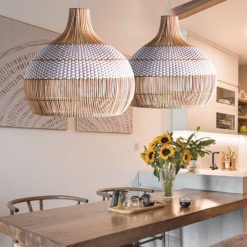
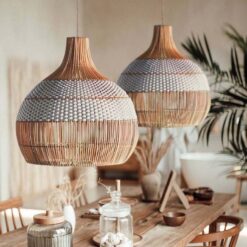
Boho Rattan Pendant Lights
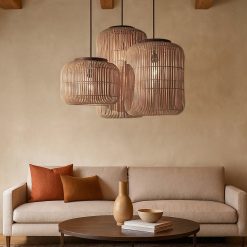
Boho Rattan Pendant Lights
Boho Rattan Pendant Lights
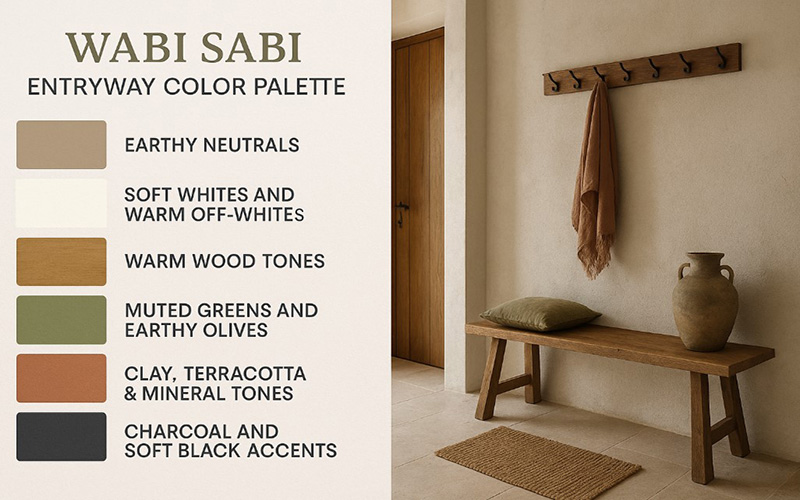
Wabi Sabi Entryway Color Palette
The color palette plays a crucial role in shaping the emotional tone of your Wabi Sabi entryway. Because this space is the first touchpoint of your home, choosing the right colors can instantly communicate warmth, serenity, and natural elegance. Wabi Sabi colors are soft, earthy, and inspired by nature – helping the space feel grounded and inviting.
1. Earthy Neutrals
These tones serve as the foundation of Wabi Sabi design:
- Sand
- Beige
- Oatmeal
- Warm taupe
- Stone gray
They provide a calm backdrop that highlights textures and natural materials.
2. Soft Whites and Warm Off-Whites
Avoid pure bright white. Instead, choose:
- Cream
- Ivory
- Bone
- Warm linen white
Soft whites blend beautifully with raw wood, natural textiles, and subtle wall textures like limewash or plaster.
3. Warm Wood Tones
Wood brings emotional warmth to the entryway. Consider tones such as:
- Honey brown
- Caramel
- Light oak
- Aged pine
- Walnut
Using wood for benches, consoles, frames, or storage instantly reinforces the Wabi Sabi aesthetic.
4. Muted Greens and Earthy Olives
These colors subtly connect the entryway to nature:
- Sage
- Moss
- Muted olive
- Eucalyptus green
Use them sparingly in rugs, ceramics, or accent artwork to add balance and freshness.
5. Clay, Terracotta & Mineral Tones
Clay-inspired hues add warmth and an artisanal feel:
- Terracotta
- Rust
- Burnt earth
- Soft brownish-red tones
Perfect for pottery, small décor pieces, or subtle wall accents.
6. Charcoal and Soft Black Accents
While Wabi Sabi embraces light neutrals, adding darker tones grounds the space.
Use deep hues for:
- Sconce hardware
- Frames
- Door handles
- Metal hooks
These accents create quiet contrast without disturbing the calm palette.
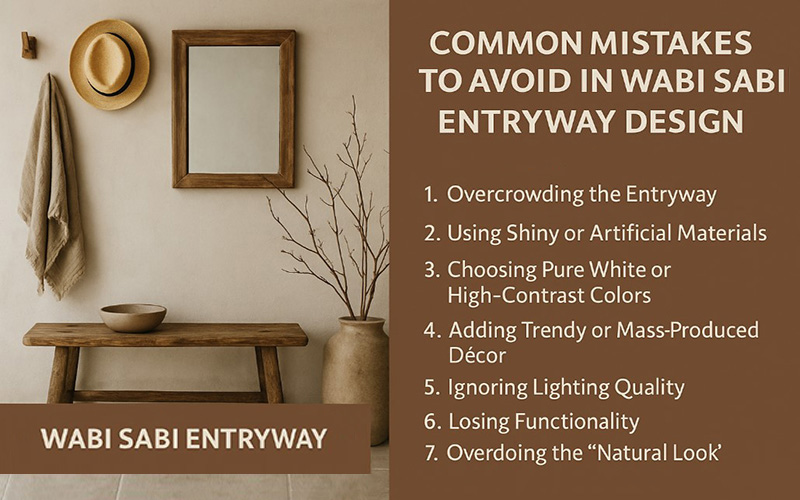
Common Mistakes to Avoid in Wabi Sabi Entryway Design
Designing a Wabi Sabi entryway may seem simple, but it’s easy to misunderstand the style. Avoiding these common mistakes ensures your space feels genuinely calm, natural, and aligned with Wabi Sabi philosophy.
1. Overcrowding the Entryway
Wabi Sabi is rooted in simplicity, so filling your entryway with too many décor items or furniture pieces disrupts the peaceful flow.
Stick to a few essential and meaningful objects.
2. Using Shiny or Artificial Materials
Glossy cabinets, plastic décor, and chrome metal finishes clash with the natural warmth of Wabi Sabi aesthetics.
Choose matte, raw, or textured materials instead – like clay, stone, wood, and woven fibers.
3. Choosing Pure White or High-Contrast Colors
Pure white can feel sterile, and high-contrast color combinations break the calm atmosphere.
Wabi Sabi works best with earthy neutrals, warm whites, muted greens, and soft wood tones.
4. Adding Trendy or Mass-Produced Décor
Trendy items often feel temporary and lack authenticity.
Instead, prioritize handmade, artisan, or naturally aged pieces that carry emotional value and unique character.
5. Ignoring Lighting Quality
Harsh or cool-toned lighting instantly ruins the tranquility of a Wabi Sabi entryway.
Always choose warm, diffused lighting – preferably from natural fibers like rattan, bamboo, or linen shades.
6. Losing Functionality
A beautiful entryway that doesn’t function well becomes frustrating.
Ensure there’s:
- A place to sit
- A spot for shoes
- Hooks for bags
- Storage for essentials
Wabi Sabi design harmonizes beauty and practicality.
7. Overdoing the “Natural Look”
Too much raw wood, too many baskets, or an excess of rustic décor can feel forced rather than calming.
Balance is key – use natural elements thoughtfully and sparingly.
FAQ: Wabi Sabi Entryway Design
A Wabi Sabi entryway is a minimal, natural, and calming space that uses raw materials, soft colors, handmade pieces, and simple furniture. Focus on warmth, imperfection, and functionality to create a peaceful first impression for your home.
Choose pieces made from natural materials such as raw wood benches, rattan baskets, stone trays, and matte-finished cabinets. Low-profile and handcrafted furniture fits the style best.
Stick to earthy tones like beige, warm white, taupe, muted olive, stone gray, and brown wood. These colors help the entryway feel grounded and welcoming.
Use a narrow raw-wood bench, a single handcrafted bowl for keys, a woven basket for storage, and soft lighting from a linen or rattan sconce. Keep décor minimal to avoid visual clutter.
Warm, diffused lighting from rattan pendant lights, bamboo fixtures, linen sconces, or soft table lamps is ideal. Choose bulbs in the 2700–3000K range for a calm glow.
Conclusion
A Wabi Sabi entryway is more than just a place to pass through – it is a calm, grounding transition between the outside world and the sanctuary of your home. By embracing natural materials, soft lighting, purposeful simplicity, and handcrafted details, you can create an entryway that feels warm, welcoming, and beautifully imperfect. Even the smallest changes – like adding a bamboo pendant light, a raw wooden bench, or a ceramic catch-all bowl – can transform the space into a serene and meaningful first impression.
To complete your Wabi Sabi entryway, explore our collection of rattan lights, bamboo pendants, and natural-fiber lighting fixtures designed to bring organic warmth and soft, inviting illumination to your home.
👉 Discover more at vietshopdesign.com and elevate your entryway naturally.
See More Wabi Sabi Interior Design by Room:
- Best Wabi-Sabi Office Design Tips for a Organized Workspace
- Wabi Sabi Living Room Design: Create a Calm, Natural Space
- Wabi Sabi Dining Room Ideas for a Warm and Natured Home
- Wabi Sabi Kitchen Design for a Warm, Peaceful, and Nature Home
- Wabi Sabi Bathroom Design: The Ultimate Guide
- Wabi Sabi Bedroom Design: Create a Calm, Natural Retreat

Read more articles
Best Attic Lighting Ideas for Cozy, Functional Spaces
Transforming an attic into a functional, inviting space starts with the right lighting. Because attics [...]
Oct
Home Office Lighting Guide: Design a Space That Boosts Focus
If you’ve ever finished a workday with a headache, tired eyes, or a strange feeling [...]
Oct
Best Pantry Lighting Ideas to Brighten Your Storage Space
A well-lit pantry doesn’t just make your kitchen look more organized – it also transforms [...]
Oct
25+ Bedroom Floor Lamp Ideas to Brighten & Elevate Your Space
Bedroom floor lamp ideas offer one of the simplest and most stylish ways to elevate [...]
Oct
Best Laundry Room Lighting Ideas for a Brighter, Cleaner Space
Laundry Room Lighting Ideas focus on turning one of the hardest-working spaces in your home [...]
Sep
20+ Guest Bedroom Lighting Ideas for a Warm, Welcoming Space
Guest bedroom lighting ideas focus on creating a warm, welcoming, and comfortable environment for anyone [...]
Sep
Best Study Room Lighting Ideas for a Bright and Focused Space
A well-designed study room is more than just a desk and a chair – it’s [...]
Sep
20+ Master Bedroom Lighting Ideas for a Modern, Elegant Space
Master bedroom lighting ideas go far beyond simply choosing a ceiling fixture. A master bedroom [...]
Sep
10 Home Office Lighting Ideas for a Bright, Productive Workspace
The home office has become one of the most important rooms in modern living. Whether [...]
Aug
How to Fix Eye Strain from Bad Home Office Lighting
You take screen breaks. You’ve adjusted your monitor brightness. You even bought blue-light glasses. And [...]
Aug
25+ Bedside Pendant Light Ideas for a Stylish Modern Bedroom
Bedside Pendant Light Ideas are becoming increasingly popular as homeowners look for smarter, more stylish [...]
Aug
Best Entryway Lighting Ideas to Brighten Your Entry Space
Your entryway sets the tone for your entire home – it’s the first space guests [...]
Aug
Explore our collections
Rattan Pendant Light
102 Products
Bamboo Pendant Light
39 Products
Fabric Pendant Light
44 Products
Wood Pendant Light
13 Products
Rope Pendant Light
20 Products
Rattan Wall Sconce
6 Products
Rattan Table Lamp
9 Products
Rattan Floor Lamp
9 Products