
Interior Design Styles
Wabi Sabi Living Room Design: Create a Calm, Natural Space
A Wabi Sabi living room design transforms the heart of your home into a calm, grounding, and deeply comforting space. Unlike modern living rooms that rely on symmetry, glossy finishes, and trend-driven perfection, a Wabi Sabi living room embraces softness, natural textures, and the quiet charm of meaningful imperfection. It’s a style that celebrates authenticity – wrinkled linen throws, a handmade ceramic vase, a weathered wooden table, or the warm glow of a rattan pendant light.
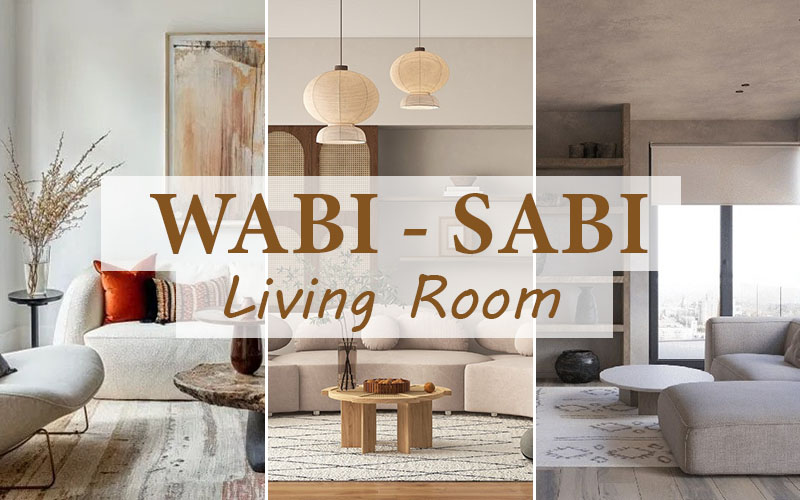
The living room is where we gather, connect, unwind, and spend the most time with family and friends. That’s why it naturally aligns with Wabi Sabi values: simplicity, intentionality, and emotional warmth. Instead of creating a showroom-like space, a Wabi Sabi style living room feels relaxed, lived-in, and grounded. There’s no pressure to impress – only an invitation to slow down, breathe, and appreciate the beauty of the present moment.
This guide explores practical and inspiring Wabi Sabi living room ideas, from layout and materials to textures, colors, décor, and lighting. Whether you’re redesigning your entire space or simply making a few simple updates, you’ll learn how to bring natural elegance and soulful calm into your living room.
If you’d like a deeper understanding of the philosophy behind this aesthetic, take a moment to explore our complete guide to Wabi Sabi Interior Design. It explains the core principles and mindset that shape every Wabi Sabi space – including the living room.
Key Elements of Wabi Sabi Living Room Design
Before diving deeper, you may want to read: What is Wabi Sabi
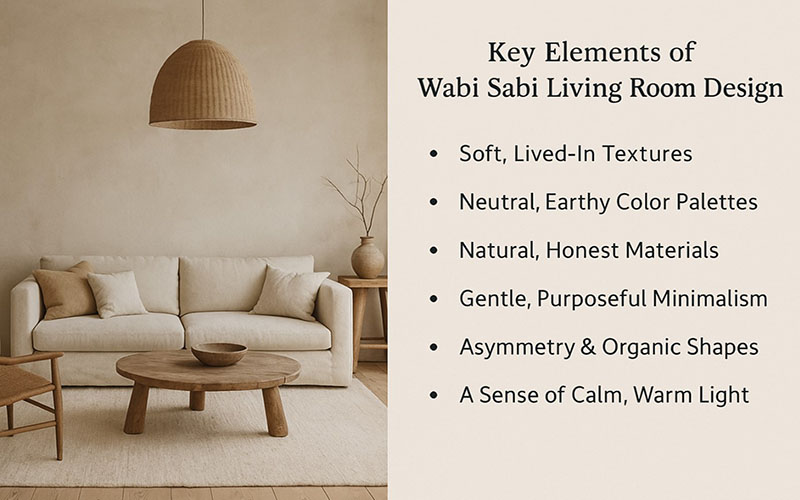
A successful Wabi Sabi living room design is built on a few core principles that shape the entire atmosphere of the space. These elements work together to create a living room that feels peaceful, warm, and intentionally imperfect.
1. Soft, Lived-In Textures
Texture is at the heart of a Wabi Sabi living room. Choose materials that feel organic, comforting, and inviting:
- stonewashed linen throws
- cotton cushions with soft wrinkles
- wool or jute rugs
- open-weave blankets
- textured ceramics and pottery
These tactile surfaces add warmth and make the space feel relaxed rather than staged.
2. Neutral, Earthy Color Palettes
A Wabi Sabi style living room relies on calm, nature-inspired tones:
- warm white, cream, oat
- beige, sand, taupe
- clay, brown, rust
- muted sage, olive, eucalyptus
- charcoal, warm gray
These colors create a peaceful backdrop that supports soft lighting and natural materials.
3. Natural, Honest Materials
Authenticity is essential. Incorporate materials that reveal their natural character:
- raw wood furniture
- rattan and bamboo lighting
- stone accents
- handmade ceramics
- clay, terracotta, textured pottery
Each piece adds depth and quiet beauty.
4. Gentle, Purposeful Minimalism
A Wabi Sabi living room is uncluttered but not empty. The goal is meaningful simplicity, not strict minimalism. Keep:
- only what you love
- items you use daily
- objects that feel personal or handcrafted
Remove anything that feels purely decorative without purpose.
5. Asymmetry & Organic Shapes
Perfection is not the goal – natural flow is. Incorporate:
- irregular vases
- uneven pottery
- live-edge tables
- curved sofas or chairs
- softly angled layouts
These organic forms evoke calmness and harmony.
6. A Sense of Calm, Warm Light
Lighting plays a central role in a Wabi Sabi living room. Choose:
- rattan pendant lights
- bamboo or wicker lamps
- linen or fabric lampshades
- ceramic table lamps
- warm bulbs (2700K) for a soft glow
Soft shadows enhance textures and create an intimate, soothing atmosphere.
Wabi Sabi Living Room Layout & Flow
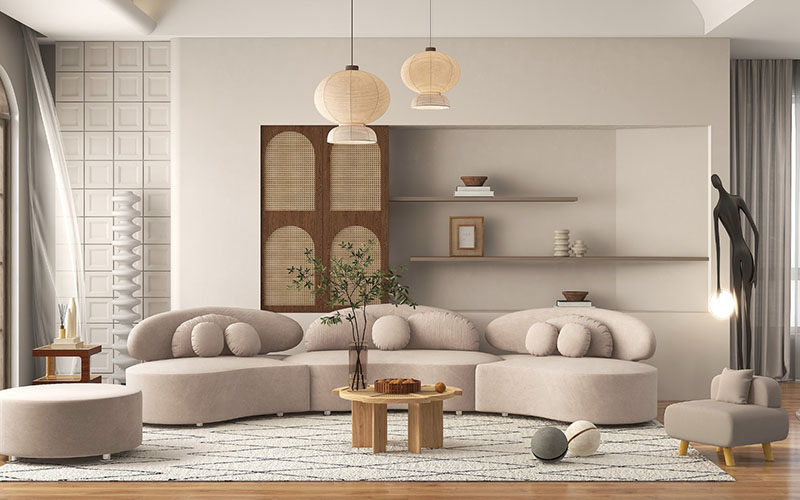
A well-designed Wabi Sabi living room feels open, balanced, and effortlessly calming. Instead of rigid symmetry or overly curated furniture placement, the layout should encourage natural movement and gentle flow. The goal is to create a space that feels peaceful and grounding the moment you step into it.
1. Open, Calm Flow
Wabi Sabi celebrates the idea of “letting the room breathe.” Avoid pushing too much furniture into the space or blocking pathways.
- Keep walkways clear and unobstructed
- Avoid oversized, bulky pieces that overwhelm the room
- Let natural light move freely through the space
This sense of openness invites calm and makes the room feel more spacious.
2. Meaningful Negative Space
In Japanese design, ma – the beauty of empty space – is essential. A Wabi Sabi living room design uses negative space intentionally. Examples:
- a quiet corner left uncluttered
- a wall with a single piece of art
- space around furniture so it doesn’t look crowded
This minimal approach doesn’t feel empty – it feels peaceful and intentional.
3. Grounded, Low Furniture
Low-profile furnishings create a sense of stability and closeness to nature. This is a defining feature of a Wabi Sabi style living room. Consider choosing:
- a low sofa with simple, soft curves
- a solid wooden coffee table that shows grain and texture
- woven stools or floor cushions for casual seating
These elements promote a relaxed, grounded atmosphere.
4. A Conversation-Friendly Layout
Instead of lining furniture against walls or creating rigid straight lines, aim for soft angles and natural interaction.
- angle chairs gently toward each other
- arrange seating to encourage eye contact and connection
- avoid perfect symmetry – let the layout feel organic
A living room rooted in Wabi Sabi supports slow conversations and meaningful moments.
5. Wabi Sabi for Small Living Rooms
A small living room can fully embrace Wabi Sabi without looking cramped. Tips:
- choose light materials (linen, rattan, pale wood)
- use layered lighting instead of one bright source
- float shelves instead of tall bookcases
- keep décor minimal and focused
Even the smallest spaces can become calm, cozy Wabi Sabi sanctuaries.
Wabi Sabi Living Room Color Palette
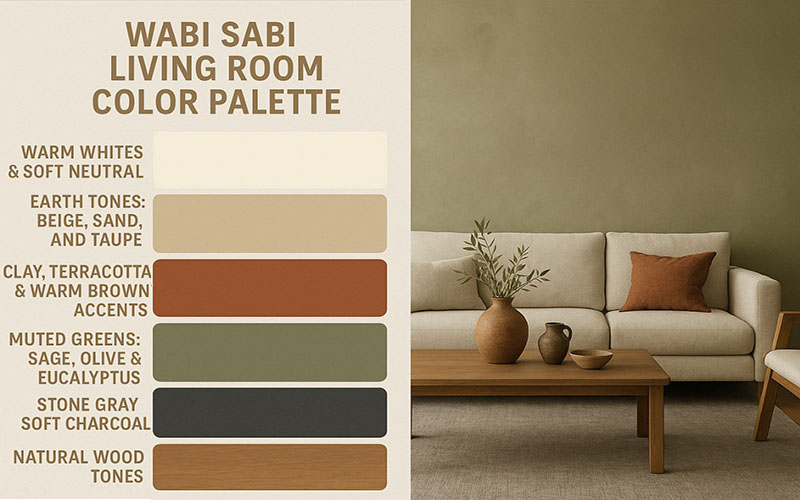
Color is one of the most powerful tools in a Wabi Sabi living room design. Instead of bright, bold tones, Wabi Sabi relies on earthy, muted colors that feel peaceful, timeless, and connected to nature. The palette should create warmth, softness, and visual harmony.
1. Warm Whites & Soft Neutrals
Warm whites bring brightness without feeling sterile. They create an airy foundation for natural materials to stand out. Best uses:
- walls
- curtains
- large furniture pieces
- area rugs
2. Earth Tones: Beige, Sand, and Taupe
These tones set a grounded, comforting base in the living room. Perfect for:
- sofas
- throws
- textured cushions
- plaster walls
They pair beautifully with clay, wood, and rattan.
3. Clay, Terracotta & Warm Brown Accents
Add warmth and subtle contrast with:
- terracotta pots
- natural wooden stools
- rust-colored cushions
- clay-colored decorative pieces
These earthy hues evoke a cozy, rooted feeling.
4. Muted Greens: Sage, Olive & Eucalyptus
Muted greens are some of the most popular choices for Wabi Sabi living room ideas, especially for accent walls, décor, or textiles. They work beautifully with:
- rattan furniture
- bamboo lighting
- neutral sofas
These tones instantly connect the room to nature.
5. Stone Gray & Soft Charcoal
Used sparingly, charcoal and stone-gray accents add balance and depth. Examples:
- pottery
- lamps
- throw pillows
- rug patterns
They prevent the palette from feeling too monochrome while staying soft and muted.
6. Natural Wood Tones
Warm wood tones are essential in any Wabi Sabi living room:
- honey brown
- warm oak
- weathered or reclaimed wood
- walnut or ashwood
Visible texture and aging add authenticity and soul.
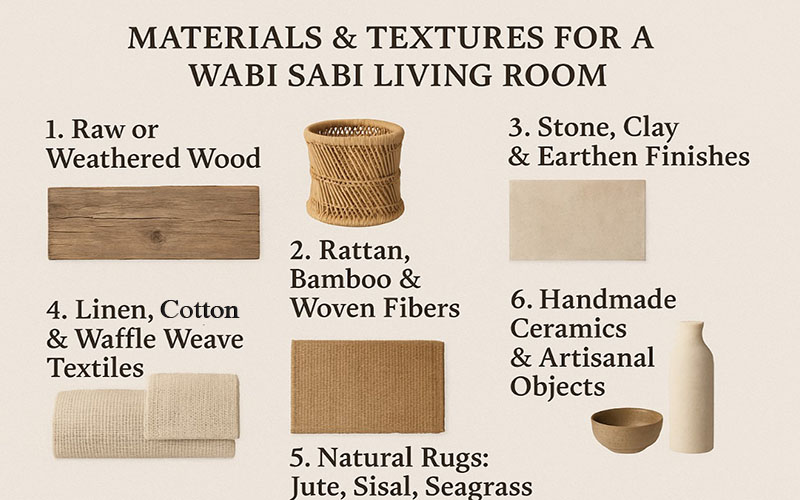
Materials & Textures for a Wabi Sabi Living Room
Materials and textures define the soul of a Wabi Sabi living room design. Instead of polished plastics or glossy surfaces, this style embraces raw, natural, and handcrafted materials that carry depth and authenticity. Each texture should feel warm to the touch and visually calming, reflecting the quiet beauty of nature.
1. Raw or Weathered Wood
Wood is one of the most essential materials in Wabi Sabi interiors. Choose wood that celebrates natural variation:
- reclaimed wood coffee tables
- live-edge consoles
- weathered oak shelves
- driftwood-inspired décor
Visible grain, knots, and patina give your living room emotional warmth and character.
2. Rattan, Bamboo & Woven Fibers
These natural fibers immediately bring a soft, organic feel into your space. Great choices:
- rattan pendant lights
- bamboo side tables
- wicker accent chairs
- seagrass or jute baskets
Their subtle imperfections perfectly express the Wabi Sabi philosophy.
3. Stone, Clay & Earthen Finishes
Stone and clay add grounding energy to a Wabi Sabi style living room. Use them in:
- vases
- pottery
- stone trays
- textured sculptures
- ceramic lamps
Even the smallest stone or clay detail can balance the softness of fabric and wood.
4. Linen, Cotton & Waffle Weave Textiles
Soft, breathable fabrics are key to making your living room feel lived-in and comforting. Best uses:
- linen curtains
- cotton throws
- waffle-textured blankets
- natural-fiber cushions
Wrinkles and folds are welcome – they add relaxed charm and authenticity.
5. Natural Rugs: Jute, Sisal, Seagrass
Rugs made from natural fibers add texture and ground the room beautifully. They work especially well in:
- neutral palettes
- minimalist layouts
- small living rooms needing dimension
Their tactile surface brings both warmth and visual interest.
6. Handmade Ceramics & Artisanal Objects
Handmade pieces embody the heart of Wabi Sabi. Examples include:
- hand-thrown pottery bowls
- imperfect vases
- rustic candleholders
- uneven ceramic mugs
- small clay sculptures
These unique objects tell a story – and that story becomes part of your home.
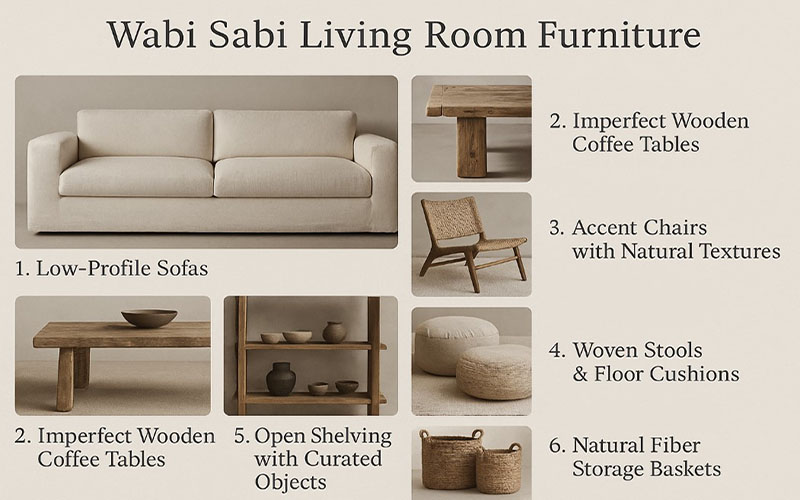
Wabi Sabi Living Room Furniture
Choosing the right furniture is essential for creating a meaningful, grounded Wabi Sabi living room. The furniture should feel warm, natural, and lived-in – not stiff or overly modern. Look for pieces that encourage relaxation, connection, and a slower pace of life.
1. Low-Profile Sofas
Low, grounded seating is central to Wabi Sabi. Ideal features:
- soft curves rather than sharp edges
- textured fabric like linen, cotton, or boucle
- neutral color tones
- deep, cozy cushions
A low sofa creates intimacy and supports a relaxed atmosphere.
2. Imperfect Wooden Coffee Tables
Instead of shiny, machine-perfect tables, choose ones that show character. Consider:
- reclaimed wood
- live-edge designs
- surfaces with visible grain or aging
- rustic, handcrafted construction
A coffee table like this instantly becomes the room’s soulful focal point.
3. Accent Chairs with Natural Textures
Wabi Sabi encourages tactile, organic materials. Great accent chair options:
- rattan lounge chairs
- bamboo-frame chairs
- woven or caned seats
- upholstery in cotton or linen
These pieces pair beautifully with a neutral palette.
4. Woven Stools & Floor Cushions
These elements add casual elegance and extra seating without clutter. Use them as:
- conversation seating
- meditation or reading spots
- small-space solutions
They’re lightweight, flexible, and visually soft.
5. Open Shelving with Curated Objects
In a Wabi Sabi style living room, open shelves shouldn’t be overdecorated. Instead:
- choose a few meaningful objects
- mix pottery, books, branches, and baskets
- avoid mass-produced décor
- let empty space remain – it creates balance
This makes the room feel intentional, not staged.
6. Natural Fiber Storage Baskets
Rattan, seagrass, or wicker baskets are functional and aesthetic. Use them for:
- blankets
- kids’ toys
- magazines
- guest items
Their texture adds softness while keeping the room uncluttered.
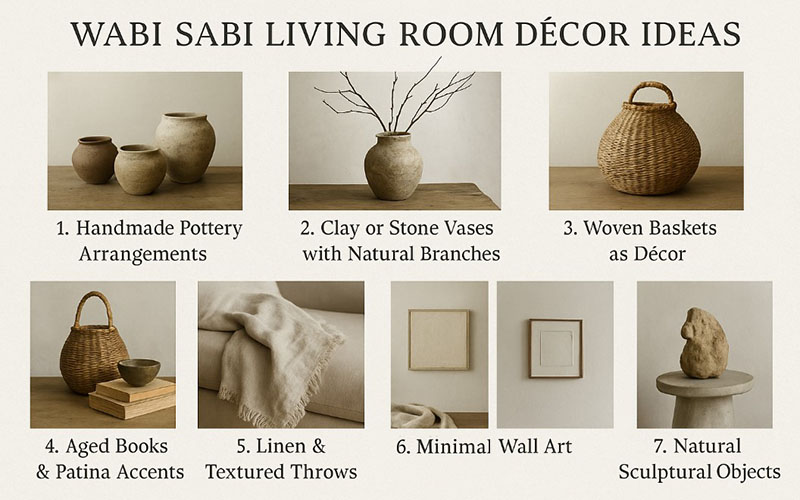
Wabi Sabi Living Room Décor Ideas
A Wabi Sabi living room relies on décor that feels meaningful, handcrafted, and connected to nature. Instead of filling the space with mass-produced decorations, focus on pieces that carry emotion, texture, and quiet beauty. These ideas help you style your living room in a way that feels effortless, warm, and soulful.
1. Handmade Pottery Arrangements
Hand-thrown pottery is a cornerstone of Wabi Sabi décor. Its imperfections – uneven rims, subtle glaze variations – add warmth and authenticity. Use pottery as:
- vases
- bowls
- sculptural pieces
- candleholders
- decor for open shelves
A single ceramic piece can ground an entire shelf or coffee table.
2. Clay or Stone Vases with Natural Branches
Simple branches, dried flowers, and foliage instantly bring nature indoors. Try:
- eucalyptus branches
- dried palm leaves
- wild twigs
- seasonal greens
Their organic shapes add height and movement without overwhelming the space.
3. Woven Baskets as Décor
Woven baskets made of rattan, seagrass, or bamboo add a soft, artisanal touch. Use them for:
- wall décor
- storage
- plant holders
- organizing throws or magazines
They add warmth while keeping the space clean and uncluttered.
4. Aged Books & Patina Accents
Vintage books, rustic trays, or weathered bowls introduce the charm of time-worn beauty. Place them on:
- coffee tables
- side tables
- shelving
- media consoles
These small details enrich the room with history and character.
5. Linen & Textured Throws
A soft linen or waffle-weave throw draped casually over the sofa adds instant coziness. Choose colors like:
- warm beige
- muted taupe
- stone gray
- olive green
The lived-in look feels true to Wabi Sabi.
6. Minimal Wall Art
Choose simple, calming artworks such as:
- abstract ink brush pieces
- monochrome textures
- handmade fiber art
- neutral-toned canvases
Leave plenty of negative space to let the room breathe.
7. Natural Sculptural Objects
Add a focal point with tactile objects like:
- driftwood sculptures
- carved wooden bowls
- river stones
- handmade clay statuettes
- woven wall hangings
These pieces anchor the room and connect it visually to nature.
Wabi Sabi Living Room Lighting
Lighting is one of the most defining elements of a Wabi Sabi style living room. The goal is to create a warm, soft, and intimate ambiance that highlights natural textures and invites relaxation. Harsh overhead lights are avoided in favor of gentle, layered illumination.
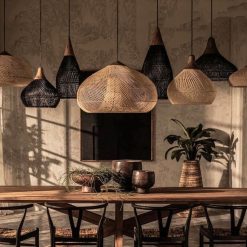
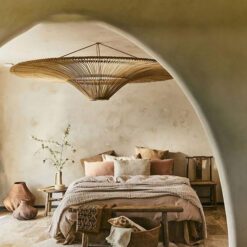
1. Rattan Pendant Lights
Rattan pendant lights are essential for achieving an authentic Wabi Sabi look. They cast soft, organic shadows that enhance the room’s natural beauty. Use them:
- above the coffee table
- in a cozy reading corner
- as a statement piece in the center of the room
Their warm glow brings instant calm.
2. Bamboo Chandeliers
Bamboo lighting adds a subtle Japanese influence and pairs perfectly with raw wood and earthy tones. Great for:
- large living rooms
- vaulted ceilings
- living rooms with natural, airy palettes
They feel light, natural, and handcrafted.
3. Linen or Fabric Lampshades
Linen diffuses light beautifully, creating a soothing glow that softens the entire space. Best used as:
- table lamps
- bedside-style lamps on consoles
- floor lamps
Their gentle illumination is ideal for evening relaxation.
4. Ceramic Table Lamps
Ceramic lamps add both texture and a handcrafted feel. Choose lamps with:
- matte finishes
- natural clay tones
- organic shapes
They complement pottery, woven accents, and textured textiles.
5. Soft Ambient Mood Lighting
Layering is key: Combine floor lamps, table lamps, and accent lighting to avoid harsh direct light. Ideas:
- candles
- wall sconces with fabric or rattan shades
- small lanterns
- warm LED string or rope lights (used sparingly)
Aim for a soft, meditative atmosphere.
6. Warm Color Temperature
To maintain Wabi Sabi ambiance:
- use warm bulbs (2700K–3000K)
- avoid cool white or daylight bulbs
Warm light enhances wood tones, creates intimacy, and supports emotional comfort.
Don’t miss our woven rattan and bamboo lights if you love the calm beauty of Wabi-Sabi.
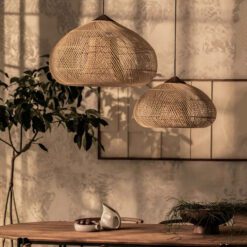
Rattan Pendant Light
Vintage Rattan Pendant Light Fixture High Quality Lamp Shades
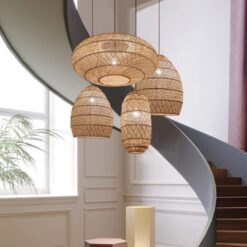
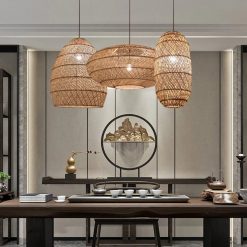
Rattan Pendant Light
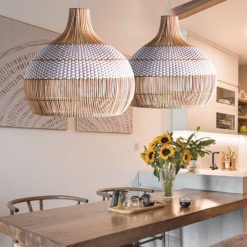
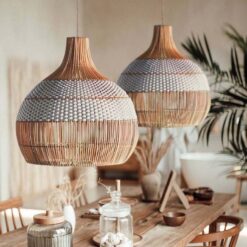
Rattan Pendant Light
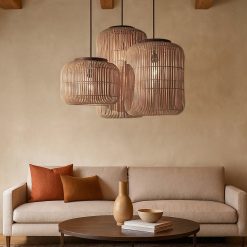
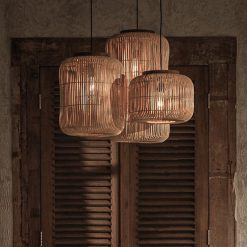
Rattan Pendant Light
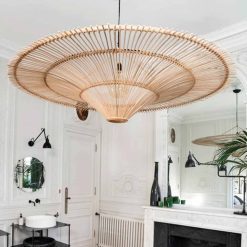
Rattan Pendant Light
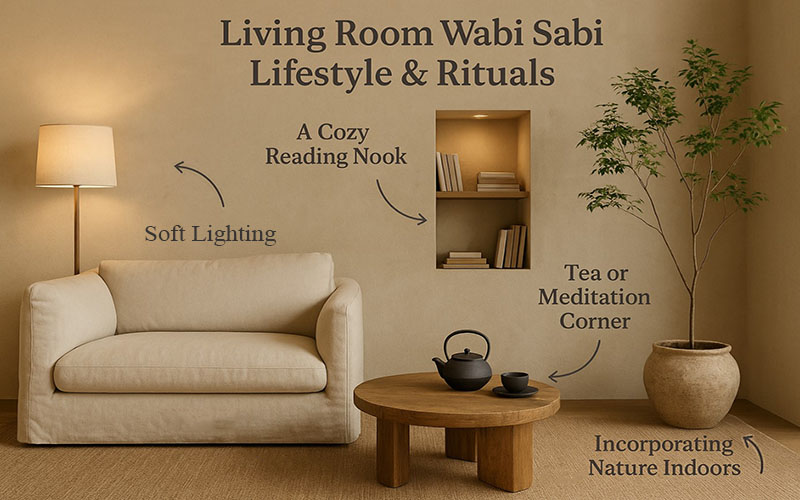
Living Room Wabi Sabi Lifestyle & Rituals
A Wabi Sabi living room is more than just a design concept – it represents a lifestyle centered around calmness, presence, and intentional living. The room should support slow moments, meaningful activities, and a deeper connection with your surroundings. These rituals bring the Wabi Sabi philosophy to life and help transform your living room into a nurturing sanctuary.
1. Slow Evenings with Soft Lighting
Dim the lights, use warm bulbs, and layer gentle illumination from:
- rattan pendant lights
- ceramic table lamps
- fabric or linen floor lamps
- candles
The glow enhances textures and encourages a quiet, relaxing atmosphere.
2. A Cozy Reading Nook
Create a peaceful corner for reading, journaling, or quiet reflection. Elements of a Wabi Sabi nook:
- a comfortable low chair
- a woven stool or side table
- a linen throw
- a ceramic lamp with soft light
- a small stack of well-loved books
This nook becomes a personal retreat within your living room.
3. Tea or Meditation Corner
A Wabi Sabi style living room often includes a simple ritual space. Add:
- a floor cushion
- a small wooden tray
- a handmade tea set
- dried branches or a single flower stem
These items encourage mindfulness and grounding moments.
4. Incorporating Nature Indoors
Nature is central to Wabi Sabi. Use organic elements to maintain a constant connection with the outdoors:
- driftwood
- large river stones
- clay vases with branches
- dried floral arrangements
- natural fiber baskets
These decorations evolve with time, adding warmth and life to the room.
5. Soft Music & Sensory Calm
Enhance your Wabi Sabi living room with calming sensory elements:
- soft acoustic music
- natural ambient sounds
- subtle essential oils (cedarwood, sandalwood, eucalyptus)
- textured fabrics that invite touch
The room becomes a multi-sensory retreat.
Wabi Sabi Small Living Room Ideas
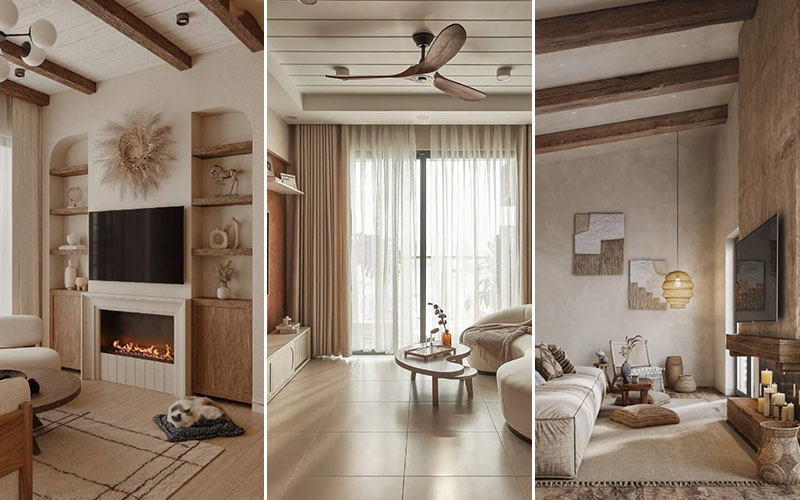
Even in a small living room, the Wabi Sabi aesthetic works beautifully. In fact, its focus on simplicity, natural materials, and meaningful items makes it ideal for compact spaces. These Wabi Sabi living room ideas help you create a peaceful and intentional atmosphere – even when square footage is limited.
1. Choose One Focal Natural Element
Small spaces look best with a single standout feature:
- a rattan pendant light
- a reclaimed wood coffee table
- a tall ceramic vase with branches
- a textured linen wall hanging
This creates visual impact without crowding the room.
2. Keep Furniture Light & Minimal
Avoid bulky pieces. Instead, choose:
- low sofas
- light wood furniture
- accent chairs with open weaves
- compact side tables
The room will feel airy and uncluttered.
3. Use Layered Lighting Instead of Overhead Lights
Replace harsh ceiling lights with:
- floor lamps
- table lamps
- wall sconces
- small lanterns
This lighting approach softens the room and makes it feel more spacious.
4. Maximize Vertical Space
Small living rooms benefit from height rather than floor space. Use:
- floating wooden shelves
- tall vases or sculptures
- wall-mounted sconces
- vertical fiber art
These elements draw the eye upward and add dimension.
5. Embrace Neutral Colors to Expand the Room
Light, muted tones help the room feel bigger:
- warm whites
- beige
- taupe
- sage
- soft gray
Pair them with natural textures to avoid a flat look.
6. Limited but Meaningful Decor
Choose just a few handcrafted pieces:
- pottery
- woven baskets
- stone accessories
- linen textiles
Each item should add texture, warmth, or emotional value.
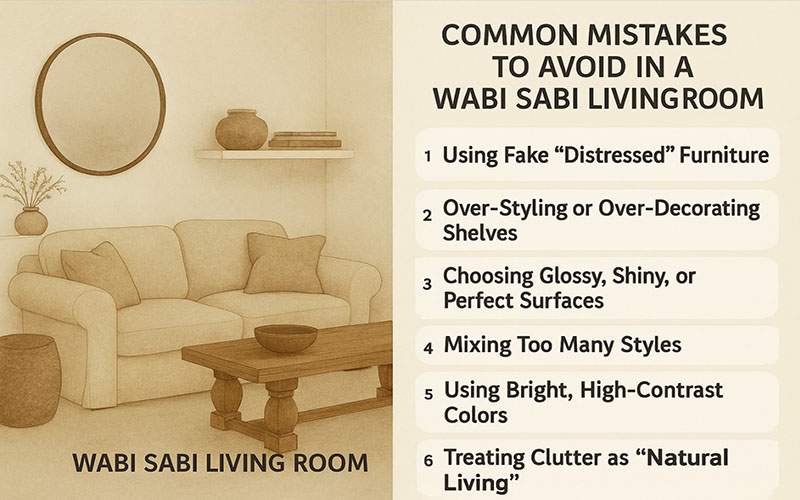
Common Mistakes to Avoid in a Wabi Sabi Living Room
Even though a Wabi Sabi living room looks effortless, there are several common mistakes that can take the room away from its calming, natural essence. Avoiding these pitfalls ensures that your space truly reflects the Wabi Sabi philosophy of simplicity, imperfection, and authenticity.
1. Using Fake “Distressed” Furniture
Artificial distressing or mass-produced “rustic-style” pieces lack the emotional depth and authenticity that Wabi Sabi values. Instead, choose:
- genuine reclaimed wood
- real patina
- handmade furniture
- pieces that show natural wear
Authenticity matters far more than appearance.
2. Over-Styling or Over-Decorating Shelves
Wabi Sabi is not about filling every corner with décor. An overly styled shelf looks cluttered, noisy, and visually overwhelming. Keep:
- only a few meaningful objects
- natural balance
- plenty of empty space
Let your shelves breathe.
3. Choosing Glossy, Shiny, or Perfect Surfaces
High-gloss finishes disrupt the soft calmness of a Wabi Sabi style living room. Avoid:
- glossy metals
- shiny lacquer
- polished plastic
Instead use:
- matte ceramics
- textured wood
- uncoated stone
- fabric lampshades
Soft, tactile surfaces create the right mood.
4. Mixing Too Many Styles
Combining too much boho, farmhouse, industrial, and modern décor can make the room feel chaotic rather than calming. Stick to:
- natural materials
- cohesive textures
- a simple color palette
- a few organic shapes
Consistency creates harmony.
5. Using Bright, High-Contrast Colors
Wabi Sabi favors muted, earthy tones. Avoid:
- bright reds
- bold yellows
- vibrant blues
- stark black-and-white contrasts
These colors create visual tension rather than peace.
6. Treating Clutter as “Natural Living”
“Natural” doesn’t mean messy. Wabi Sabi is intentional – not chaotic. Keep your room:
- simple
- organized
- airy
- grounded
Everything should feel purposeful.
Wabi Sabi Living Room FAQs
A living room becomes Wabi Sabi when it embraces natural materials, soft textures, warm lighting, and meaningful imperfection. It should feel calm, lived-in, and deeply connected to nature.
Neutral and earthy tones such as beige, taupe, warm white, clay, sage, and soft gray work beautifully. These colors create a peaceful foundation for natural textures and handcrafted décor.
Choose simple, meaningful pieces: handmade pottery, raw wood furniture, rattan or bamboo lighting, linen throws, woven baskets
Avoid clutter and let negative space guide your styling.
Yes. Even modern living rooms can adopt Wabi Sabi principles by softening edges, adding natural textures, using warm ambient lighting, and replacing glossy surfaces with matte or raw finishes.
Warm, diffused lighting is ideal.
Use rattan pendant lights, ceramic table lamps, linen shades, and soft floor lamps. Avoid harsh overhead lights or cool white bulbs.
Absolutely. The simplicity and neutral palette of Wabi Sabi can make a small living room feel more open and calming. Choose compact furniture, natural materials, and layered lighting.
Conclusion
A Wabi Sabi living room design invites you to slow down, breathe, and reconnect with what truly matters. By embracing natural materials, soft lighting, lived-in textures, and meaningful simplicity, your living room becomes more than a styling choice – it becomes a sanctuary. This aesthetic reminds us that beauty isn’t found in perfection, but in authenticity, comfort, and the quiet charm of things shaped by time.
Whether you choose a handcrafted wooden coffee table, a linen-draped sofa, a piece of imperfect pottery, or a warm rattan pendant light, each element contributes to an atmosphere that feels peaceful and emotionally grounding. A Wabi Sabi style living room is timeless, soothing, and deeply personal – reflecting the rhythms of nature and the comfort of home.
If you’re ready to enhance your space with gentle light and natural textures, explore vietshopdesign collection of handcrafted rattan and bamboo lighting. These pieces add warmth, depth, and authenticity – perfect for completing your Wabi Sabi living room.
See More Wabi Sabi Interior Design by Room:
- Wabi Sabi Dining Room Ideas for a Warm and Natured Home
- Wabi Sabi Kitchen Design for a Warm, Peaceful, and Nature Home
- Wabi Sabi Bathroom Design: The Ultimate Guide
- Wabi Sabi Entryway Ideas: Simple, Natural, Beautifully Design Tips
- Best Wabi-Sabi Office Design Tips for a Organized Workspace
- Wabi Sabi Bedroom Design: Create a Calm, Natural Retreat



Unlock VIP Perks
Join as a priority member to receive gifts and be the first to access exclusive deals, our newest collections, and more...
Read more articles
30+ Trending Scandinavian Rattan Pendant Light Ideas for a Warm, Natural Home
This is rattan lighting at its most diverse and exciting. From sculptural flower forms to [...]
Jun
10+ Scandinavian Rattan Dome Pendant Light Ideas for Natural Style
The dome pendant is one of interior design’s most enduring forms – and in natural [...]
Jun
9 Scandinavian Rattan Chandelier Ideas for Organic Elegance
Natural rattan chandeliers and pendant lights are the ultimate expression of Scandinavian design at its [...]
Jun
10+ Scandinavian Brown Rattan Light Ideas for a Warm, Earthy Style
Brown rattan pendant lights sit at the sweet spot between natural warmth and refined style. [...]
Jun
20+ Scandinavian Black Rattan Light Ideas for a Bold, Natural Style
Black rattan pendant lights are the design world’s best-kept secret. They carry all the warmth [...]
Jun
11 Scandinavian Beige Rattan Light Ideas for a Warm, Natural Nordic Style
Beige rattan pendant lights are having a moment – and it’s easy to see why. [...]
Jun
25+ Scandinavian Bamboo Light Ideas to Transform Your Home
If you’re looking to bring warmth, texture, and a touch of nature into your living [...]
Jun
7 Restaurant Wood Pendant Lights for Architectural Dining Atmosphere
Wood pendant lighting creates a restaurant dining atmosphere that no other natural organic fiber material [...]
Jun
12 Restaurant Wicker Rope Lighting for Textural Dining Atmosphere
Wicker, hemp rope, jute, and paper rope pendant lighting creates a quality of restaurant dining [...]
Jun
20+ Trending Restaurant Rattan Lights for Stylish Dining Atmosphere
The most memorably designed and the most genuinely impressive restaurant dining environments today go far [...]
Jun
7 Restaurant Rattan Dome Pendant Lights for Elegant Dining Atmosphere
The dome form is rattan’s most naturally generous restaurant pendant silhouette – and above a [...]
Jun
7 Restaurant Rattan Statement Chandeliers for Upscale Dining Atmosphere
A rattan statement chandelier above a restaurant dining room does something that a single pendant [...]
Jun
Explore our collections
Rattan Pendant Light
95 Products
Bamboo Pendant Light
38 Products
Fabric Pendant Light
41 Products
Wood Pendant Light
7 Products
Rope Pendant Light
14 Products
Rattan Wall Sconce
6 Products
Rattan Table Lamp
6 Products
Rattan Floor Lamp
9 Products