
Natural Materials & Craftsmanship
What Are Natural Materials? Definitions, Benefits & Applications
What Are Natural Materials – and why are they becoming so essential in modern interior design? As more homeowners move away from synthetic, mass-produced décor, natural materials are experiencing a powerful resurgence. They offer something that manufactured materials cannot replicate: authentic beauty, warmth, texture, and a deep connection to the natural world.
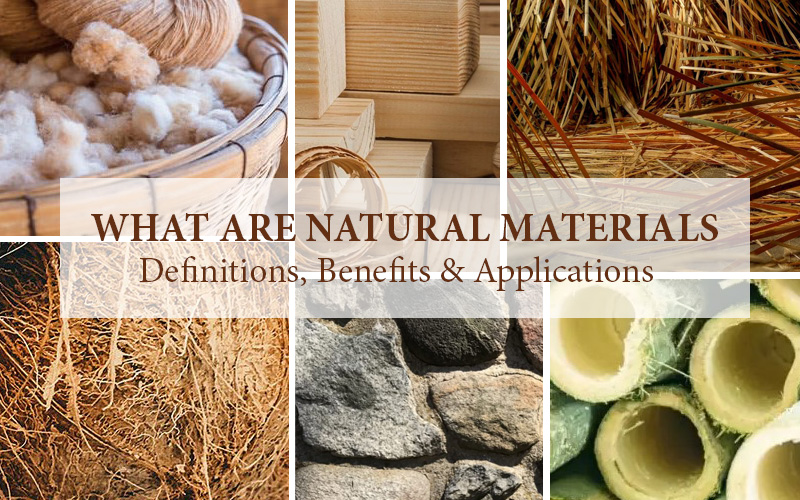
In an age where people are seeking calmer, healthier, and more meaningful living environments, natural materials provide the perfect foundation. Their organic colors, imperfect patterns, and tactile surfaces help create interiors that feel grounded and serene – characteristics that align with today’s biggest design movements, from Japandi and Wabi-Sabi to Organic Modern and Mediterranean Natural.
This article will guide you through everything you need to know about natural materials: what they are, why they matter, the different types, how they’re used in interior design, how they compare with synthetic materials, and how you can incorporate them into your home. By the end, you’ll understand exactly why natural materials are considered timeless and why they continue to shape the future of eco-friendly, nature-inspired interior design.
What Are Natural Materials?
Natural materials are materials that come directly from nature – plants, animals, or minerals – with minimal processing. They maintain their organic structure, natural texture, and earthy tones, making them visually appealing and environmentally friendly. These materials are valued for their authenticity, durability, and ability to create a warm, balanced, and harmonious home environment.
Unlike synthetic materials (such as plastic, vinyl, polyester, or acrylic), natural materials are shaped by nature rather than engineered in factories. Their visual imperfections, irregular patterns, and unique characteristics are considered part of their charm. Instead of trying to look flawless or identical, natural materials celebrate individuality.
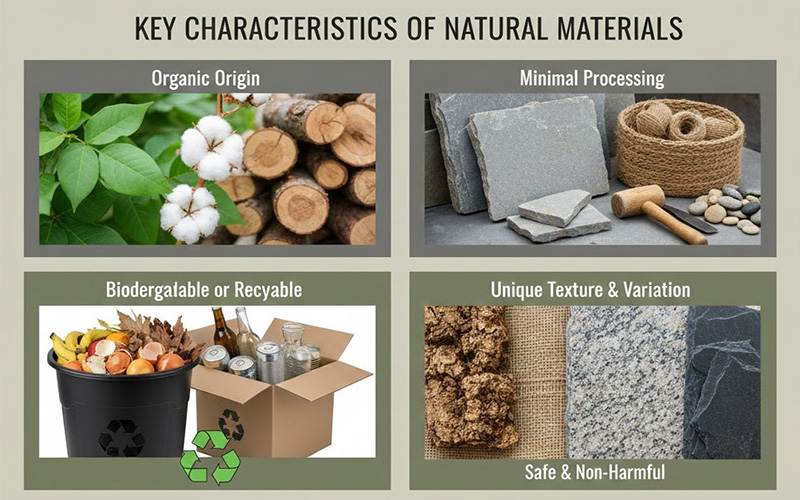
1. Key Characteristics of Natural Materials
Natural materials typically share several defining qualities:
- Organic Origin: They come from plants (like rattan, bamboo, wood), animals (like wool or leather), or minerals (like stone or clay).
- Minimal Processing: They undergo little to no chemical treatment, allowing them to maintain their natural appearance and structure.
- Biodegradable or Recyclable: Most natural materials break down naturally or can be reused, making them more environmentally friendly.
- Unique Texture & Variation: No two pieces are exactly the same – each carries its own pattern, grain, or woven texture shaped by nature.
- Low Toxicity: Natural materials typically contain fewer artificial dyes, glues, or chemical additives, supporting healthier indoor air quality.
2. Natural vs Processed vs Synthetic Materials
To understand natural materials clearly, it helps to compare them with the other two major material categories:
| Category | Key Characteristics |
|---|---|
| Natural Materials | • Come directly from nature • Minimal processing • Organic texture, color, and feel • Renewable or biodegradable |
| Processed Natural Materials | • Still come from nature • Undergo more treatment or refinement • Examples: treated wood, dyed wool, pressed bamboo panels |
| Synthetic Materials | • Fully man-made through chemical processes • Designed to mimic natural materials • Can be uniform, sterile, or overly perfect • Often less eco-friendly and less breathable |
This distinction shows why natural materials are often preferred for homeowners who value authenticity, wellness, and sustainability.
Want to learn more? Explore the full: What Is Synthetic Materials? Definitions, Benefits & Uses
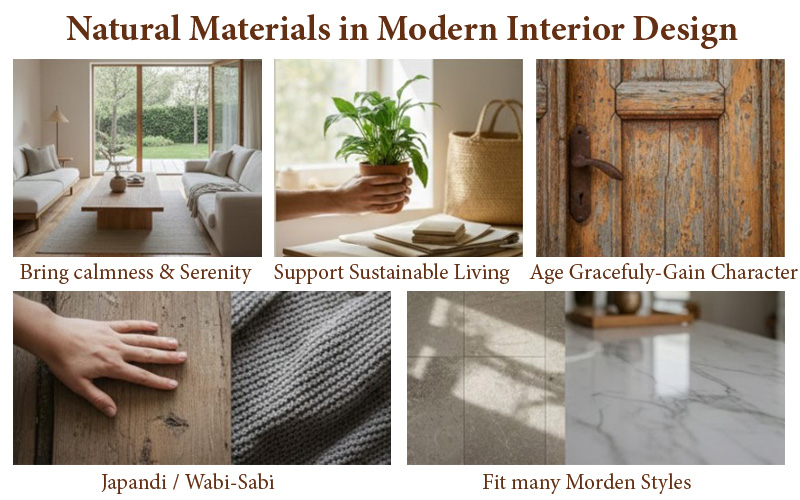
3. Why Natural Materials Matter in Modern Interior Design
Natural materials do more than make a space look beautiful – they help shape the entire atmosphere of a home.
- They bring calmness and serenity to busy, modern lifestyles.
- They support sustainable, conscious living.
- They offer a sensory experience – touch, warmth, and visual depth – that synthetic materials cannot replicate.
- They age gracefully, gaining character over time.
- They fit effortlessly into today’s most popular styles: Japandi, Wabi-Sabi, Organic Modern, Mediterranean, Rustic, Scandinavian, and more.
Natural materials also help create interiors that feel real, lived-in, and deeply human – qualities that many people crave as a counterbalance to fast-paced digital life.
Types of Natural Materials (With Examples)
Natural materials fall into three major categories: plant-based, animal-based, and mineral-based. Each group brings distinct textures, applications, and design advantages. Below is a detailed breakdown of each category along with the most widely used materials in modern interior design.
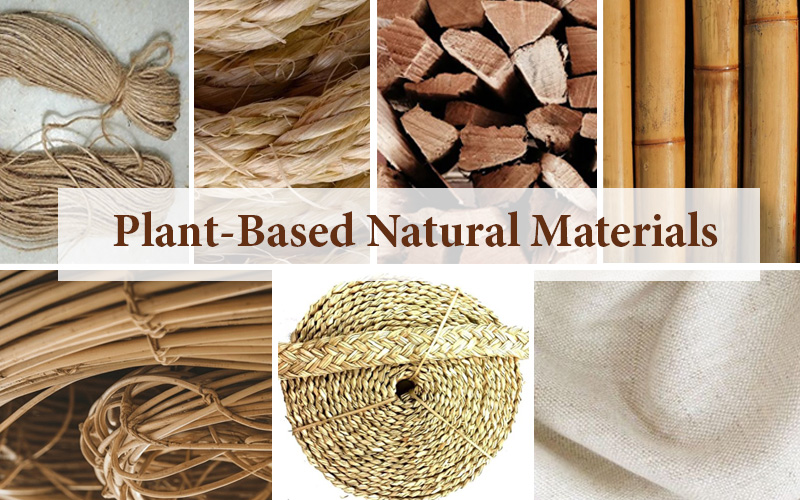
1. Plant-Based Natural Materials
Plant-based materials are among the most popular due to their renewability, warmth, and versatility. Within this group, some materials are used in solid form (like wood or bamboo poles), while others belong to the category of plant fibres – the flexible strands extracted from plants and commonly used for weaving décor, furniture, and textiles. These plant fibres are prized for their strength, texture, and sustainability, forming an essential foundation of natural interior design.
• Wood
Used in flooring, furniture, accessories, and wall cladding. Wood offers timeless beauty, durability, and visual warmth, fitting seamlessly into styles from rustic to contemporary.
• Bamboo
A fast-growing, lightweight, and extremely strong material commonly used in furniture, lighting, flooring, and home décor. Its smooth texture makes it ideal for minimalist designs.
• Rattan
A flexible vine used for woven furniture, pendant lights, baskets, and decorative pieces. Rattan brings softness, texture, and a handcrafted feel to interiors – perfect for Wabi-Sabi, Japandi, and Coastal styles.
What Is Rattan? Definition, Uses & Benefits of This Natural Material
• Jute
A natural, golden fiber used in rugs, lampshades, poufs, and storage baskets. Jute provides earthy texture and grounding warmth.
• Hemp
Known for its durability and mold resistance, hemp is used in rope lighting, wall coverings, upholstery, and eco-friendly textiles.
• Linen & Cotton
Soft, breathable natural fabrics used in bedding, curtains, upholstery, and decorative pillows. They add comfort while maintaining an airy, natural look.
• Seagrass & Sisal
Woven into rugs, baskets, and wall décor, these fibers add raw, organic texture and work well in coastal or bohemian interiors.
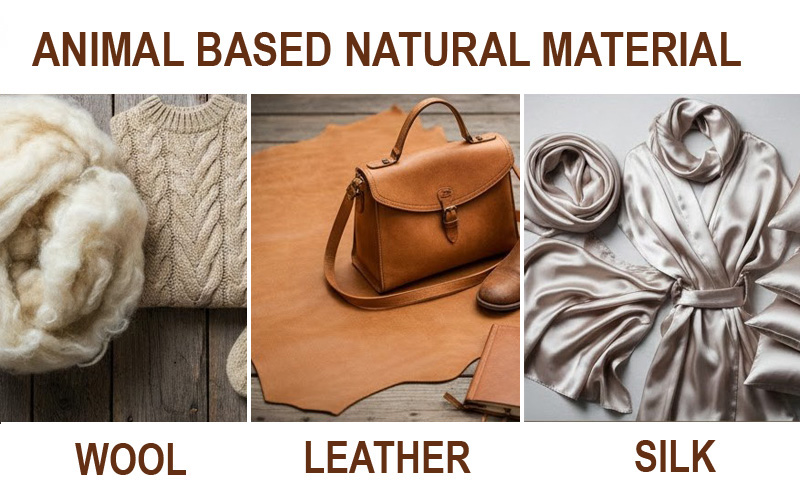
2. Animal-Based Natural Materials
Animal-based materials add softness, warmth, and luxury to home décor. They are especially common in textiles and upholstery.
• Wool
A durable, insulating fiber used in rugs, blankets, and upholstered furniture. Wool regulates temperature naturally, making it ideal for cozy living spaces.
• Leather
Used in furniture, décor, and accessories, leather offers rich texture and ages beautifully with a natural patina.
• Silk (Optional)
A luxurious natural fiber used in premium textiles, drapery, and decorative accents. It adds shine and delicacy to a room.
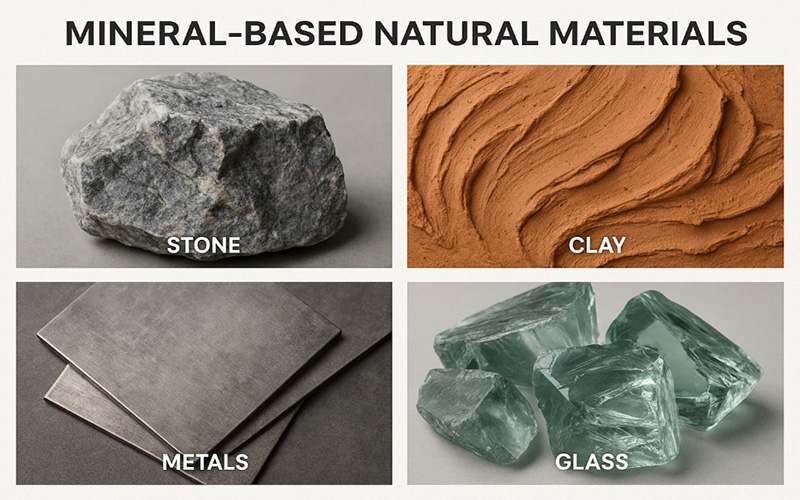
3. Mineral-Based Natural Materials
Mineral-based materials introduce durability, grounding energy, and an earthy aesthetic. They’re commonly used in kitchens, bathrooms, and high-traffic areas.
• Stone (Marble, Granite, Slate, Limestone, Travertine)
Used for countertops, flooring, sinks, and feature walls. Stone surfaces bring natural sophistication and timeless elegance.
• Clay (Ceramics, Pottery, Terracotta)
Popular in tiles, vases, sculptures, and handmade décor. Clay adds warmth, texture, and artisanal charm – perfect for Wabi-Sabi and Mediterranean-inspired homes.
• Metals (Iron, Bronze, Copper)
Although processed, these metals originate from natural minerals. They add structure, contrast, and durability to lighting fixtures, hardware, and furniture.
• Glass (Optional)
Derived from natural sand, glass is used in lighting, décor, and architectural elements. It provides transparency and visual lightness.
Benefits of Using Natural Materials
Natural materials offer far more than visual beauty – they enhance comfort, health, sustainability, and the overall emotional atmosphere of a home. Below are the key benefits that make them indispensable in modern interior design.
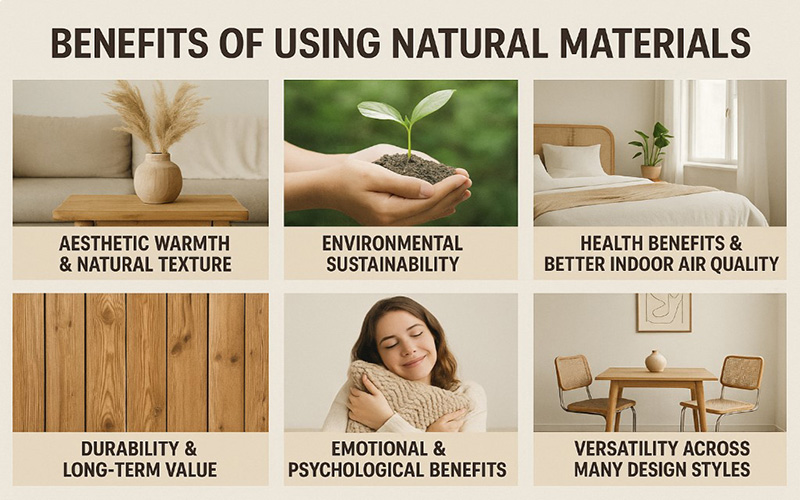
1. Aesthetic Warmth & Natural Texture
Natural materials create spaces that feel warm, inviting, and visually rich.
- Wood adds warmth and grain patterns.
- Rattan introduces handcrafted texture.
- Stone provides depth and organic veining.
- Linen and wool add softness and tactile comfort.
These textures break up flat or sterile interiors, creating a layered, harmonious aesthetic that feels both grounded and luxurious.
2. Environmental Sustainability
Natural materials are an excellent choice for eco-conscious homeowners.
Why they are sustainable:
- Many are renewable (bamboo, rattan, jute, hemp).
- Most are biodegradable or recyclable.
- They require less energy to produce compared to synthetic materials.
- They contain fewer chemicals, reducing environmental pollution.
Choosing natural materials supports a more responsible, low-impact lifestyle.
3. Health Benefits & Better Indoor Air Quality
Natural materials help create a healthier home environment.
- They typically emit fewer VOCs (volatile organic compounds).
- They reduce exposure to synthetic chemicals and toxins found in plastics or artificial fabrics.
- Wool and natural textiles can regulate humidity and even help purify the air.
- Natural surfaces feel good to the touch and contribute to a sense of comfort and calm.
For families seeking wellness-focused homes, this is a major advantage.
4. Durability & Long-Term Value
High-quality natural materials age gracefully:
- Leather develops a patina.
- Wood darkens or lightens naturally with time.
- Stone becomes smoother and richer in character.
Instead of deteriorating, natural materials often become more beautiful.
This makes them a long-term investment that outperforms cheap synthetic alternatives.
5. Emotional & Psychological Benefits
Natural materials support calmness, balance, and mental well-being.
This connects directly with biophilic design, which encourages incorporating nature into living spaces.
Benefits include:
- Reduced stress
- Increased comfort
- Enhanced relaxation
- A sense of harmony and grounding
In a digital-heavy world, these emotional benefits are more valuable than ever.
6. Versatility Across Many Design Styles
Natural materials adapt effortlessly to almost any design aesthetic:
- Wabi-Sabi: embraces imperfection and raw textures
- Japandi: clean, minimal, warm, organic
- Scandinavian: bright, cozy, simple
- Mediterranean: earthy, textured, sun-washed
- Boho: layered, artistic, handcrafted
- Modern Minimalist: natural materials soften sharp lines
They are the foundation that helps unify various styles and bring coherence to interior spaces.
Natural vs Synthetic Materials: Key Differences
Understanding the differences between natural and synthetic materials helps homeowners make smarter, healthier, and more aesthetically pleasing design choices.
Below is a detailed comparison across several key categories.
| Category | Natural Materials | Synthetic Materials |
|---|---|---|
| 1. Origin & Composition | • Derived from plants, animals, or minerals • Minimal processing or chemicals | • Made through industrial/chemical processes • Examples: plastic, PVC, polyester, acrylic, nylon |
| 2. Aesthetic Qualities | • Unique grains, fibers, natural imperfections • Warm, organic, visually rich • Naturally varied – no two pieces identical | • Uniform, consistent, overly perfect • Can look flat or artificial • Sometimes mimic natural textures but lack authenticity |
| 3. Environmental Impact | • Renewable & biodegradable • Lower carbon footprint • Often sustainably harvested (bamboo, rattan, hemp) | • Petroleum-based or chemical origin • Non-biodegradable • Can release microplastics & harmful chemicals |
| 4. Durability & Performance | • Strong, long-lasting, improve with age • Develop patina (wood, leather, stone) • Less prone to cracking/fading when maintained | • Durable but sensitive to heat, sunlight, moisture • Can peel, crack, discolor over time • Cannot age gracefully or form patina |
| 5. Cost Considerations | • Sometimes higher upfront cost • Better long-term value due to longevity | • Lower initial cost • Higher replacement cost long term |
| 6. Health & Safety | • Fewer chemicals • Low VOC • Better indoor air quality | • May contain dyes, adhesives, chemical binders • Can emit VOCs into the air |
| 7. Lifespan & Aging | • Age beautifully; patina adds value • Timeless, long-lasting aesthetic | • Age poorly • Usually replaced rather than restored |
How Natural Materials Impact a Room’s Aesthetic
Natural materials don’t just change how a room looks – they transform how it feels. Their warmth, texture, and organic presence influence everything from mood to balance to overall design harmony. Below are the key ways natural materials elevate interior spaces.
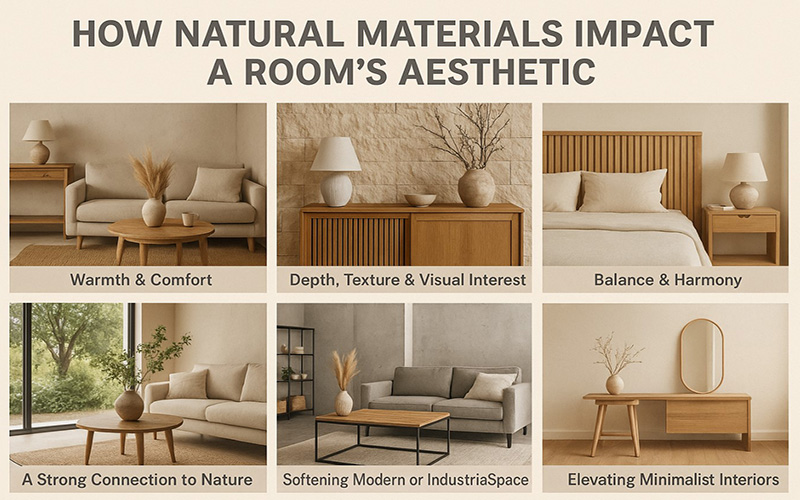
1. Warmth & Comfort
Natural materials add a level of comfort that synthetic materials simply cannot replicate.
- Wood tones warm up clean, modern interiors.
- Rattan and bamboo soften sharp lines and hard surfaces.
- Wool and linen create a cozy, tactile feel.
Even in minimalist spaces, natural materials prevent the room from feeling cold or sterile.
2. Depth, Texture & Visual Interest
Texture is one of the most important components of good interior design. Natural materials introduce rich textures that give a room character and depth.
Examples:
- The grain of wood
- The woven texture of rattan
- The roughness of stone
- The softness of organic fabrics
These subtle details create visual complexity and make spaces feel more layered and dynamic.
3. Balance & Harmony
Because natural materials share earthy tones – beige, brown, tan, cream, muted greens – they blend seamlessly with other elements in a room. This creates visual harmony and balance.
Natural materials work especially well in interiors that emphasize simplicity, such as:
- Minimalism
- Japandi
- Scandinavian
- Wabi-Sabi
Their neutrality allows them to complement almost any color palette.
4. A Strong Connection to Nature (Biophilic Design)
Biophilic design is the practice of incorporating natural elements into interiors to improve well-being. Natural materials are core to this philosophy.
They create spaces that feel:
- Calm
- Grounded
- Natural
- Restorative
This is essential in today’s busy world, where people want their homes to feel like peaceful sanctuaries.
5. Softening Modern or Industrial Spaces
Interiors with lots of metal, glass, or sharp edges can appear harsh. Natural materials bring balance by softening the environment.
For example:
- A rattan pendant light warms up a concrete wall.
- A wool rug balances steel furniture.
- A wooden table softens black or minimalist interiors.
This blend of natural + modern creates a sophisticated, timeless look.
6. Elevating Minimalist Interiors
Minimalist spaces often rely on clean lines and simple shapes. Natural materials add just enough texture and warmth to prevent the design from feeling empty or cold.
Wood, linen, stone, and rattan are especially effective in minimalist and Japandi rooms.
Styles That Commonly Use Natural Materials
Because natural materials are so versatile, they appear in nearly all popular interior design styles. Below are the styles that rely on natural materials the most, along with how each style uses them.
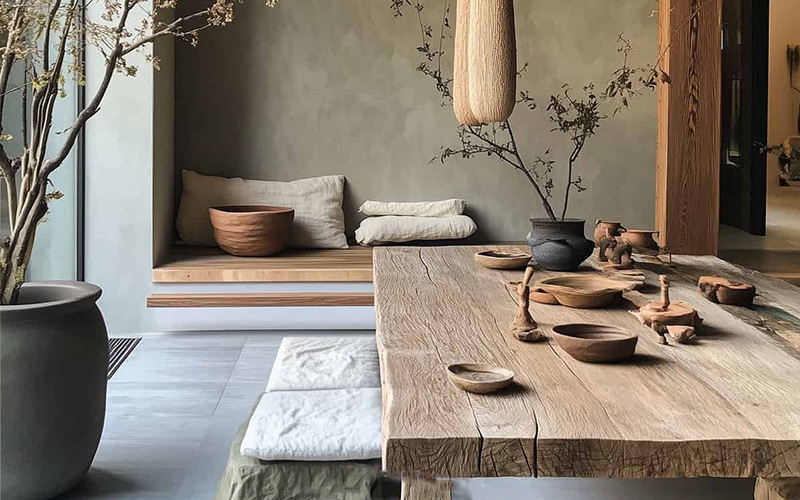
1. Natural Materials In Wabi-Sabi Room
Wabi-Sabi celebrates:
- Imperfection
- Raw textures
- Natural aging
- Handmade craftsmanship
Materials like raw wood, rough stone, linen, clay, and ceramics define this style. Rattan and bamboo lighting also play a major role because of their organic texture and soft light diffusion.
2. Japandi
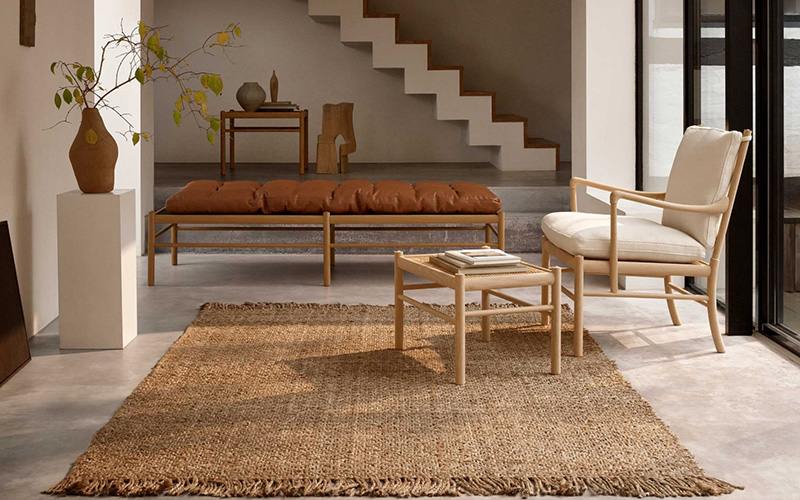
Japandi blends Japanese minimalism with Scandinavian warmth. Natural materials are essential:
- Light woods (oak, ash)
- Bamboo
- Rattan furniture and lighting
- Linen and cotton textiles
- Natural stone and pottery
The goal is to create a home that is uncluttered, warm, and deeply functional.
3. Scandinavian
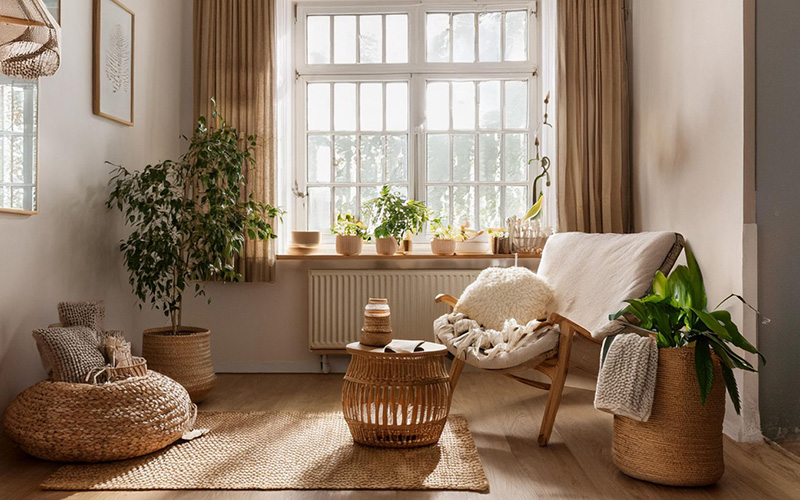
Scandinavian homes focus on comfort, simplicity, and bright, airy spaces. Natural materials create hygge – a feeling of coziness and well-being. Key elements include:
- Soft woods
- Wool blankets and rugs
- Leather accents
- Natural-fiber textiles
The emphasis is on warmth, light, and nature-inspired living.
4. Organic Modern
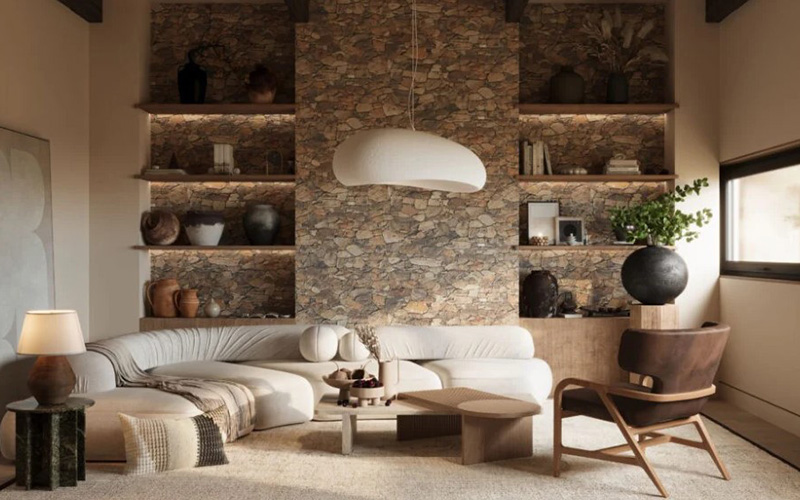
Organic Modern design combines clean lines with natural textures. The result is a modern space that feels soft and grounded rather than cold.
Common materials:
- Stone
- Wood
- Linen
- Leather
- Natural pottery
Neutral earthy colors dominate this style.
5. Mediterranean Natural
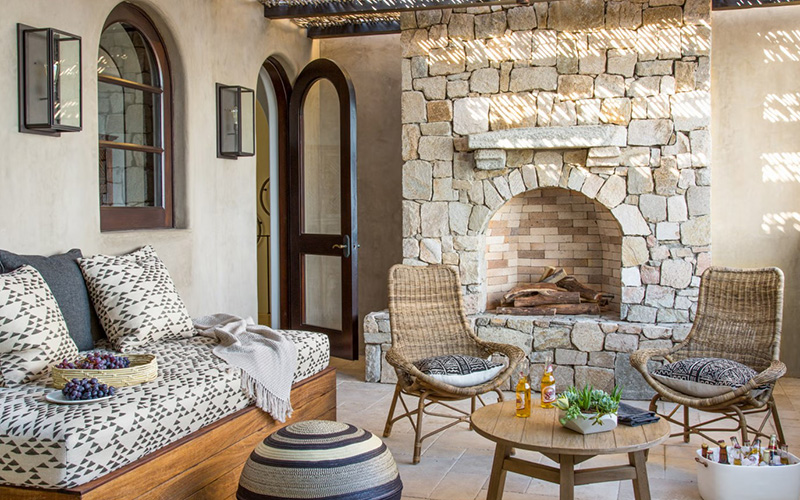
Mediterranean interiors celebrate earthy textures, sun-washed colors, and artisanal craftsmanship. Natural materials include:
- Terracotta
- Clay tiles
- Rustic wood beams
- Woven materials (baskets, rugs)
- Natural textiles
This style is warm, relaxed, and deeply rooted in nature.
6. Rustic / Farmhouse
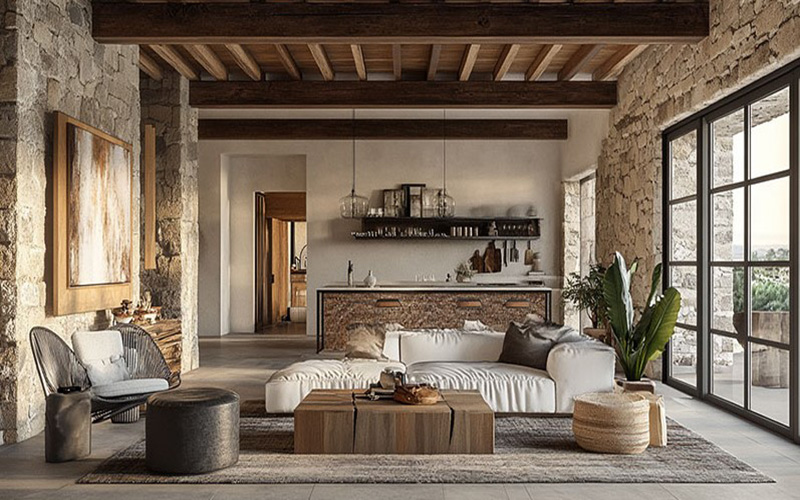
Rustic and farmhouse styles rely heavily on materials that feel rugged, aged, and unrefined:
- Weathered wood
- Stone fireplaces
- Leather furniture
- Woven baskets
- Natural fabrics
Imperfections – knots, grain, uneven textures – are valued as part of the charm.
7. Bohemian (Boho)
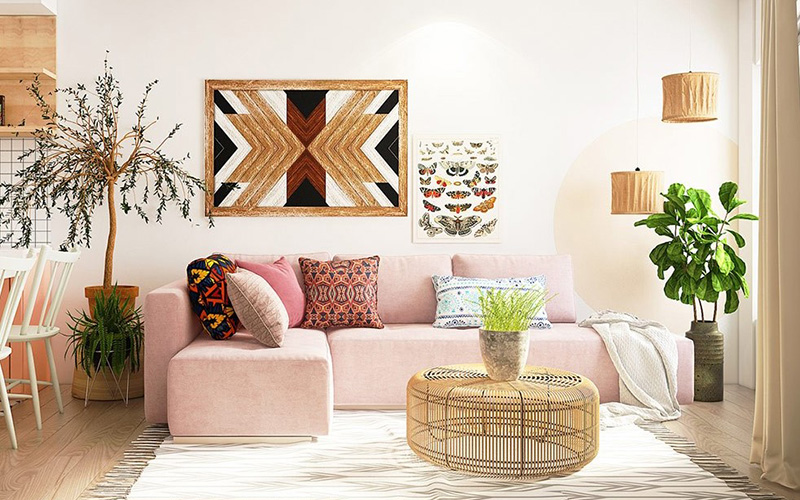
Bohemian design is all about layers, creativity, and natural textures. It embraces:
- Rattan and bamboo furniture
- Jute rugs
- Macramé
- Natural pottery
- Woven lampshades
This style mixes colors, patterns, and textures for an expressive, handcrafted look.
8. Contemporary Minimalism
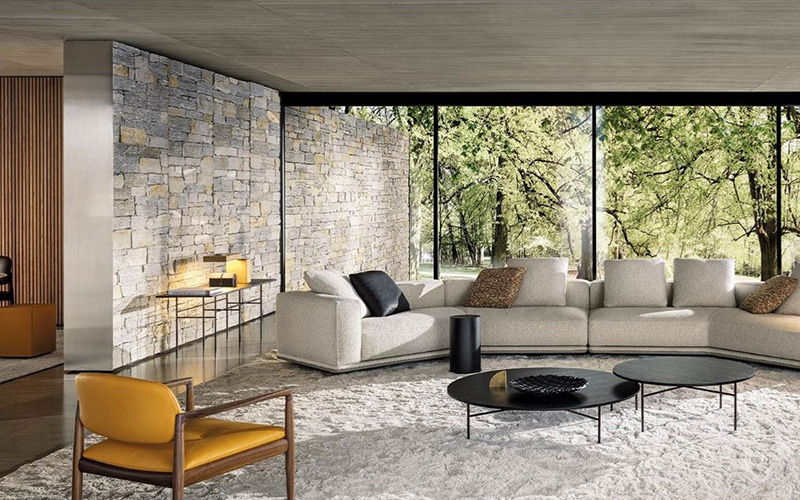
In minimalist interiors, natural materials prevent the space from feeling cold or empty. Common elements include:
- Light wood furniture
- Linen bedding and drapery
- Stone surfaces
- Smooth clay décor pieces
- Neutral earthy tones
Natural materials provide warmth while maintaining the clean, uncluttered aesthetic.
Cost Considerations
While natural materials offer long-term value and timeless beauty, their cost can vary depending on the type of material, how it’s sourced, and the craftsmanship involved. Understanding these cost factors will help homeowners make informed choices that suit both their aesthetic preferences and their budget.
1. Material Cost Ranges
Different natural materials fall into different price categories:
| Cost Category | Natural Materials | Key Notes |
|---|---|---|
| Affordable Natural Materials | Jute, Hemp, Seagrass, Sisal, Cotton, Pine Wood | Provide a natural look at a budget-friendly price. Great for décor, rugs, small furniture, and textiles. |
| Mid-Range Natural Materials | Bamboo, Rattan, Oak Wood, Ash Wood, Wool Textiles, Terracotta | Durable, versatile, and aesthetically appealing without premium-level pricing. Ideal for furniture, décor, and interior finishes. |
| Premium Natural Materials | Marble, Granite, Walnut Wood, Teak Wood, Full-Grain Leather, Handcrafted Ceramic Pieces | Chosen for luxury appeal, longevity, and unique natural character. Often found in high-end interiors and statement designs. |
2. Installation Costs
Some natural materials require specialized installation, which increases total cost:
- Stone countertops or flooring may require professional cutting and sealing.
- Wood flooring must be installed precisely to prevent warping.
- Clay tiles and terracotta often require skilled tiling labor.
Materials like rattan, bamboo, and natural textiles typically have lower installation costs because they are lightweight and easier to handle.
3. Maintenance Costs
Natural materials can require more maintenance than synthetic alternatives. Expected costs include:
- Wood refinishing or sealing
- Stone cleaning and occasional resealing
- Leather conditioning
- Replacing worn jute or sisal rugs
- Cleaning wool textiles
However, good maintenance can significantly extend their lifespan.
4. Long-Term Value vs Short-Term Budget
Natural materials may be more expensive upfront, but they often prove more economical over time because:
- They last longer
- They age beautifully instead of deteriorating
- They increase home value
- They remain stylish regardless of trends
This makes natural materials a wise investment for homeowners looking for durability and timeless appeal.
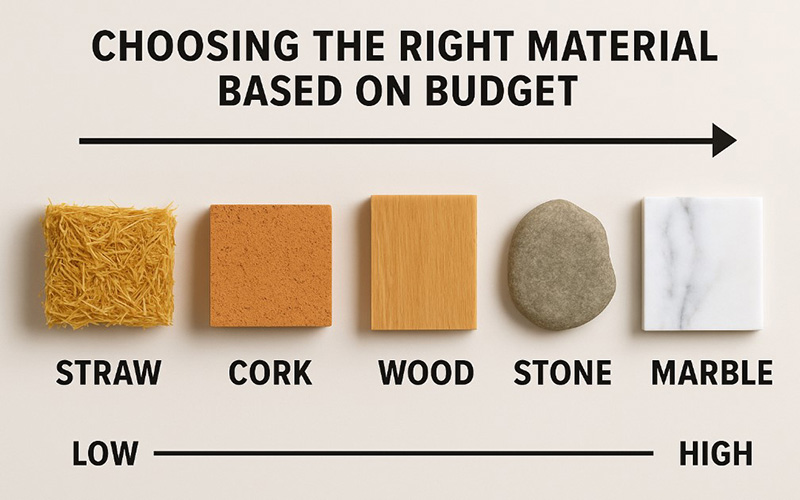
5. Choosing the Right Material Based on Budget
To balance style and cost:
- Use premium stone or wood in key areas like entryways or kitchens.
- Use rattan, bamboo, or jute for budget-friendly accents.
- Mix affordable natural materials with one or two premium pieces for a sophisticated look.
Challenges & Maintenance Tips
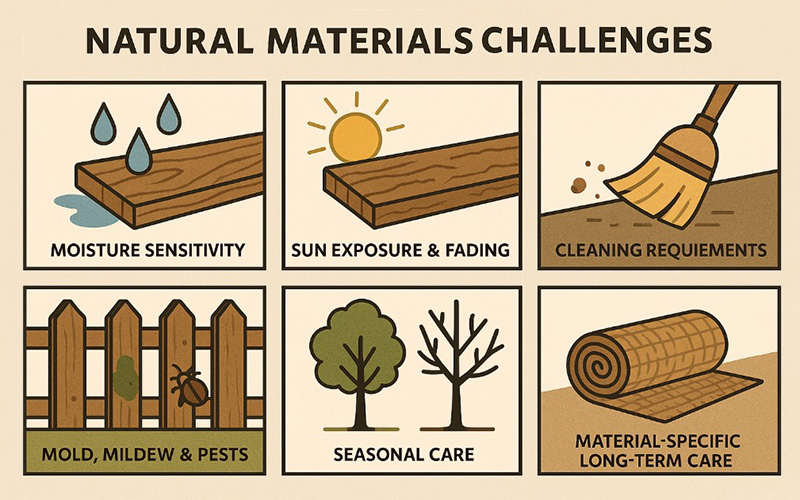
While natural materials offer tremendous benefits, they also require proper care to ensure longevity and performance. Understanding these challenges – and knowing how to prevent them – helps homeowners protect their investment.
1. Moisture Sensitivity
Materials like wood, rattan, bamboo, and jute can absorb moisture, causing swelling, mold, or warping.
Maintenance Tips:
- Keep them away from direct water exposure.
- Use dehumidifiers in humid climates.
- Seal wood surfaces with natural oils or protective finishes.
- Avoid placing jute or sisal rugs in bathrooms or damp basements.
2. Sun Exposure & Fading
Natural fibers and wood can fade or dry out when exposed to direct sunlight for long periods.
Maintenance Tips:
- Rotate rugs or furniture occasionally.
- Use curtains, UV films, or blinds to reduce sunlight exposure.
- Apply natural oil treatments to preserve wood color.
3. Cleaning Requirements
Natural materials often need gentle cleaning methods.
Tips by Material:
- Wood: Use mild cleaners and wood-safe oils.
- Rattan/Bamboo: Dust regularly and wipe with a slightly damp cloth.
- Stone: Use pH-neutral cleaners to prevent staining.
- Wool: Vacuum gently and clean spills immediately.
- Leather: Condition with leather-safe creams to prevent cracking.
4. Mold, Mildew & Pests
Humidity and poor storage can lead to mold growth or pest issues – especially for materials like wood, rattan, bamboo, and natural fibers.
Prevention:
- Ensure proper ventilation.
- Keep furniture elevated off damp floors.
- Use natural anti-mold treatments like vinegar or tea tree oil.
- Store textiles in breathable cotton bags, not plastic.
5. Seasonal Care
Temperature and humidity changes can affect natural materials throughout the year.
Maintenance Tips:
- Use humidifiers during dry winter months to prevent cracking.
- Use dehumidifiers in summer to avoid moisture buildup.
- Allow materials to acclimate before installation (especially wood flooring).
6. Material-Specific Long-Term Care
- Wood: Re-oil or refinish every few years; avoid soaking.
- Stone: Seal porous stones like marble or limestone annually.
- Rattan/Bamboo: Keep dry, and avoid heavy pressure on woven surfaces.
- Textiles (Cotton, Wool, Linen): Spot clean immediately; use natural detergents.
- Leather: Condition regularly; keep away from direct heat.
How to Incorporate Natural Materials Into Your Home
Bringing natural materials into your home doesn’t require a full renovation. Even small, intentional choices can dramatically elevate the look, feel, and atmosphere of your space. Below are practical ways to incorporate natural textures, tones, and elements into any interior design style.
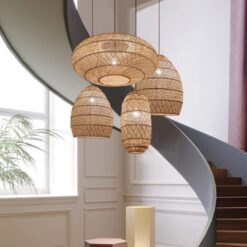
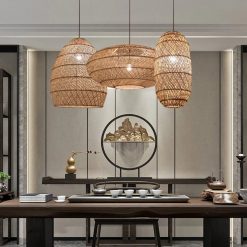
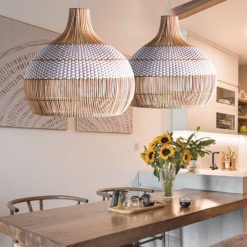
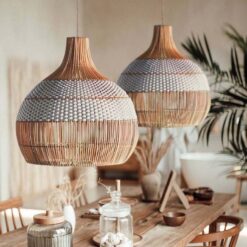
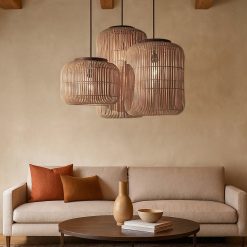
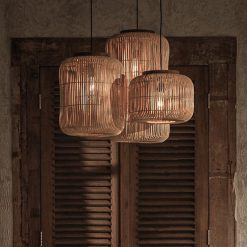
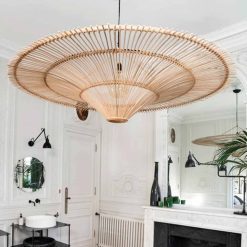
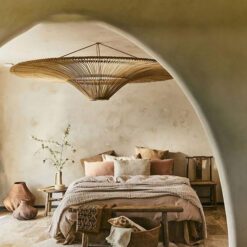
1. Natural Lighting & Fixtures (Rattan, Bamboo, Linen)
Lighting is one of the easiest and most impactful ways to introduce natural materials into your home.
Popular natural-material lighting options:
- Rattan pendant lights for warm, diffused illumination
- Bamboo chandeliers that add texture and soft shadows
- Linen lampshades for a gentle, cozy glow
- Wicker wall sconces that bring character and depth
Lighting made from natural fibers instantly softens the room and adds visual warmth – perfect for Japandi, Wabi-Sabi, Coastal, Boho, and Organic Modern interiors.
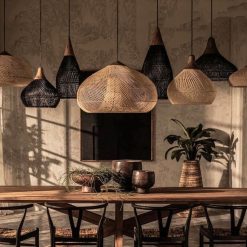
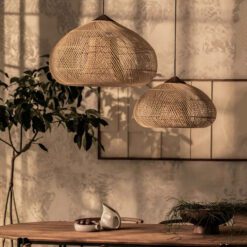
Rattan Pendant Light
Vintage Rattan Pendant Light Fixture High Quality Lamp Shades
Rattan Pendant Light
Rattan Pendant Light
Rattan Pendant Light
Rattan Pendant Light
2. Furniture
Furniture crafted from natural materials adds structure, warmth, and longevity to your home.
Examples:
- Solid wood dining tables or bed frames
- Rattan or bamboo accent chairs
- Wool-upholstered seating
- Leather sofas or headboards
- Cane cabinets or sideboards
These pieces serve as anchors for the room while introducing timeless natural beauty.
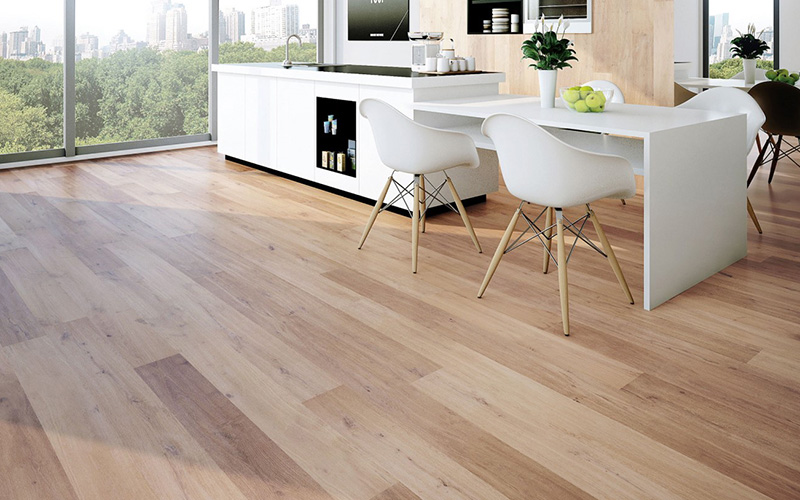
3. Flooring
Flooring sets the foundation for the entire room’s aesthetic.
Natural flooring options:
- Hardwood (oak, walnut, ash, maple)
- Rattan floor lamps
- Natural stone tiles (slate, marble, travertine)
- Cork flooring
- Terracotta
Natural flooring enhances comfort, durability, and harmony.
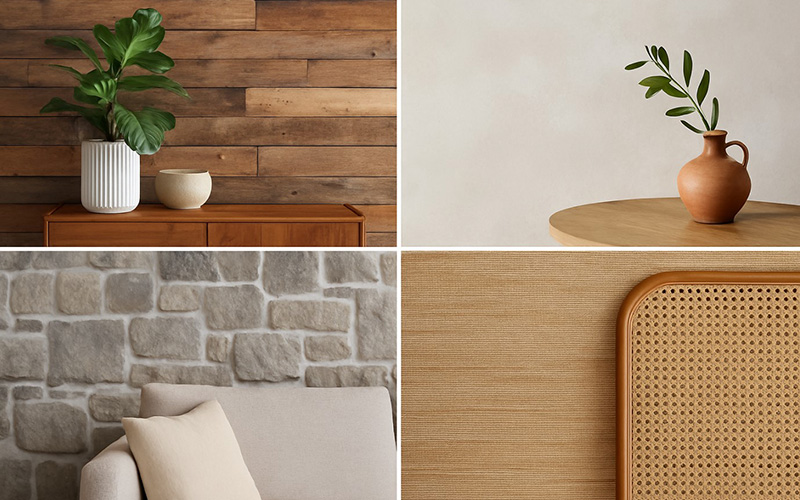
4. Wall Treatments
Walls are a perfect opportunity to introduce natural textures.
Ideas:
- Wood panels or reclaimed timber walls
- Limewash or clay-based paint for a soft, textured look
- Stone accent walls
- Bamboo or rattan wall panels
- Rattan wall sconces
- Natural fiber wallpapers (grasscloth, jute wallpaper)
These surfaces add dimension, calmness, and depth.
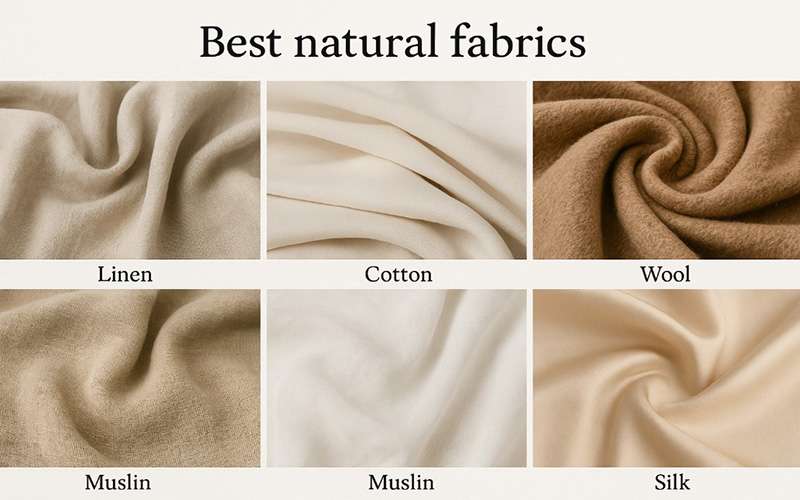
5. Soft Textiles
Natural textiles make a room feel instantly more comfortable and inviting.
Best natural fabrics:
- Linen
- Cotton
- Wool
- Hemp
- Muslin
Use them for bedding, curtains, upholstery, throws, and decorative pillows.
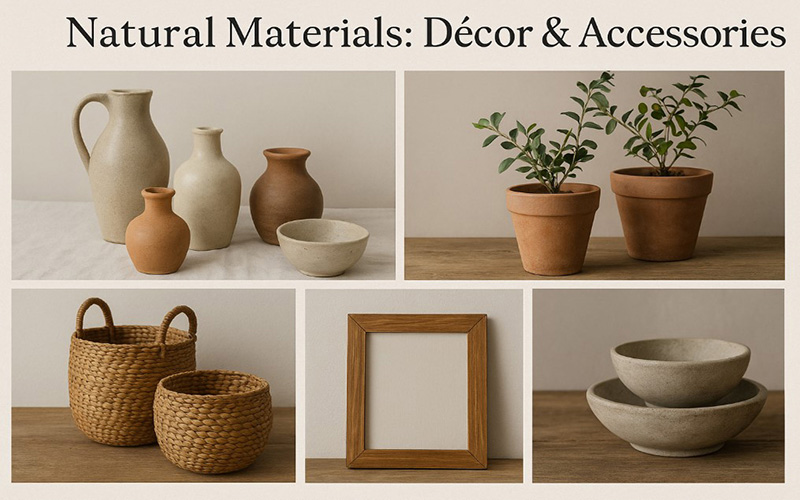
6. Décor & Accessories
Natural materials also shine in small décor accents.
Examples:
- Handmade ceramics or clay vases
- Stone bowls or trays
- Woven baskets
- Natural-wood picture frames
- Terracotta planters
Even a few carefully chosen pieces can dramatically transform the space.
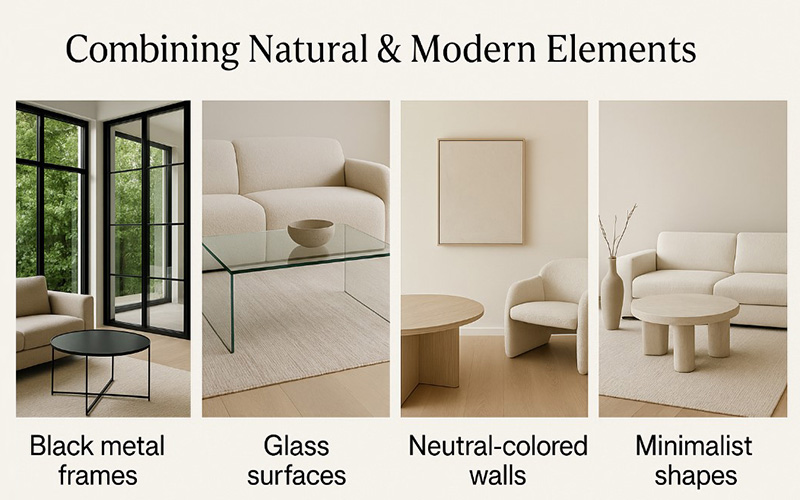
7. Combining Natural & Modern Elements
Balance is essential. Natural materials pair beautifully with modern elements like:
- Black metal frames
- Glass surfaces
- Neutral-colored walls
- Minimalist shapes
This creates a sophisticated yet cozy aesthetic.
Best Natural Materials for Each Room
Choosing the right natural materials depends on the function and aesthetic of each room. Below is a guide to help you select the most suitable options for every space in your home.
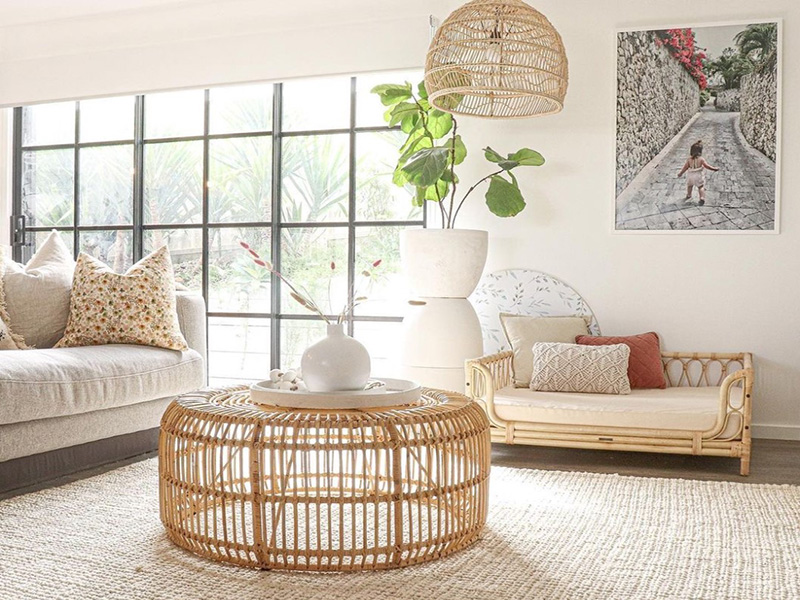
1. Living Room
The living room is where comfort and style come together. Natural materials help create a warm, welcoming environment.
Best choices:
- Wood coffee tables and bookshelves
- Linen curtains and pillows
- Wool or jute rugs
- Rattan pendant lighting
- Clay or ceramic vases
- Leather accent chairs
These pieces add texture, depth, and a timeless sense of calm.
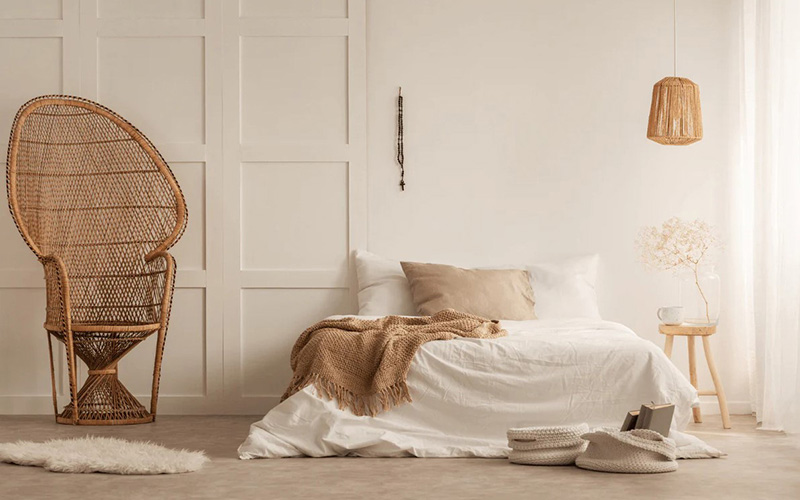
2. Bedroom
The bedroom should feel restful and serene. Natural materials promote better sleep and a soothing atmosphere.
Best choices:
- Linen or cotton bedding
- Wooden bed frames or nightstands
- Soft wool blankets
- Bamboo or rattan lamps
- Natural-fiber rugs (jute, sisal, seagrass)
- Clay décor pieces for grounding energy
These elements help create a sanctuary-like environment.
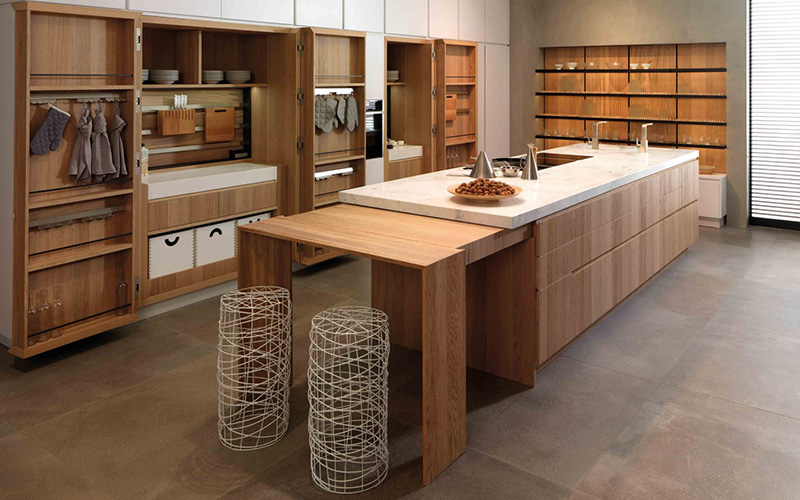
3. Kitchen
Durability and functionality are essential in the kitchen.
Best choices:
- Stone countertops (granite, marble, quartzite)
- Wood or bamboo cutting boards
- Ceramic dinnerware
- Terracotta cookware
- Wooden bar stools or open shelving
- Linen tablecloths and napkins
Natural materials also make the kitchen feel warm and authentic.
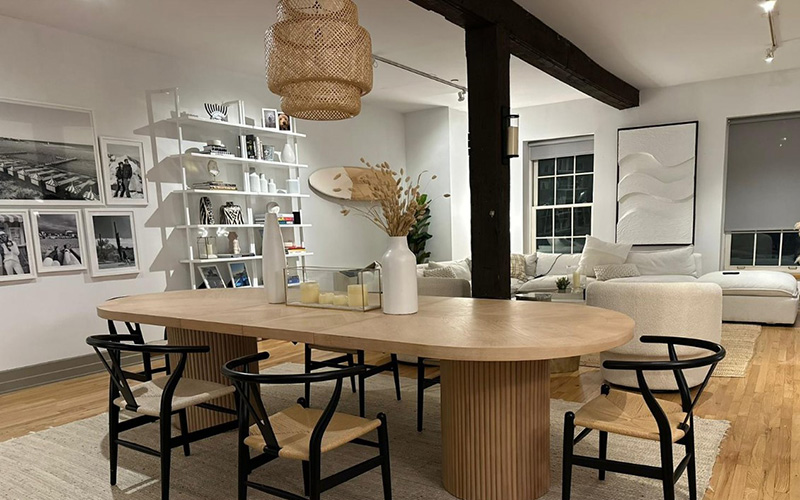
4. Dining Room
The dining room should feel inviting yet elegant.
Best choices:
- Solid wood dining table
- Linen table runners
- Wicker or rattan lighting
- Ceramic vases as centerpieces
- Wool or cotton upholstery
These materials help create an atmosphere ideal for gatherings.
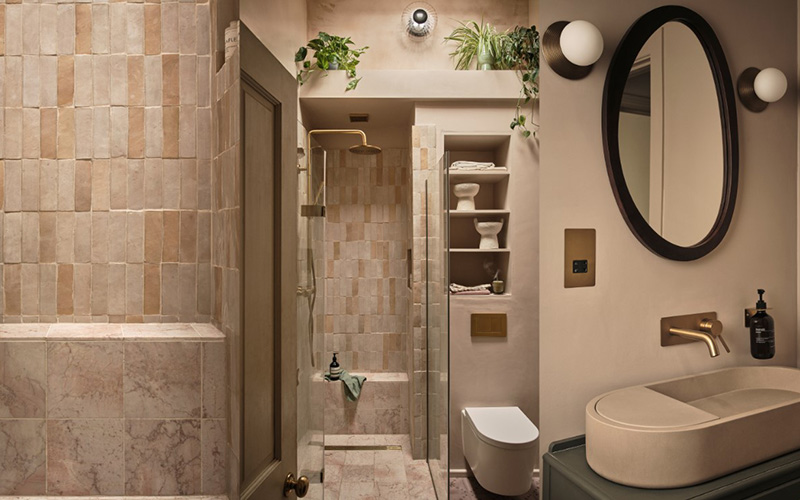
5. Bathroom
Bathrooms benefit from materials that handle moisture well.
Best choices:
- Stone sinks and countertops
- Clay or stone tiles
- Bamboo accessories
- Cotton or linen towels
- Wooden bath stools (sealed properly)
Earthy, spa-like bathrooms are increasingly popular.
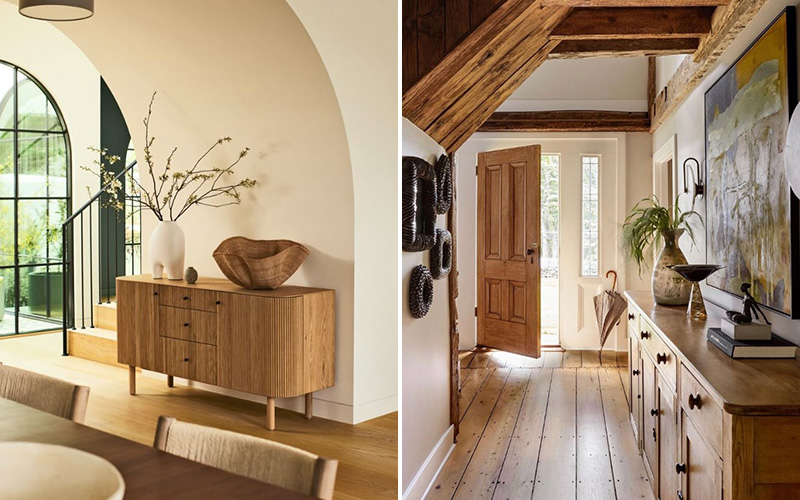
6. Entryway
The entryway sets the tone for the entire home.
Best choices:
- Wooden benches
- Rattan baskets for storage
- Natural stone accents
- Wool or jute runners
- Clay pots or décor
These elements create a warm, welcoming first impression.
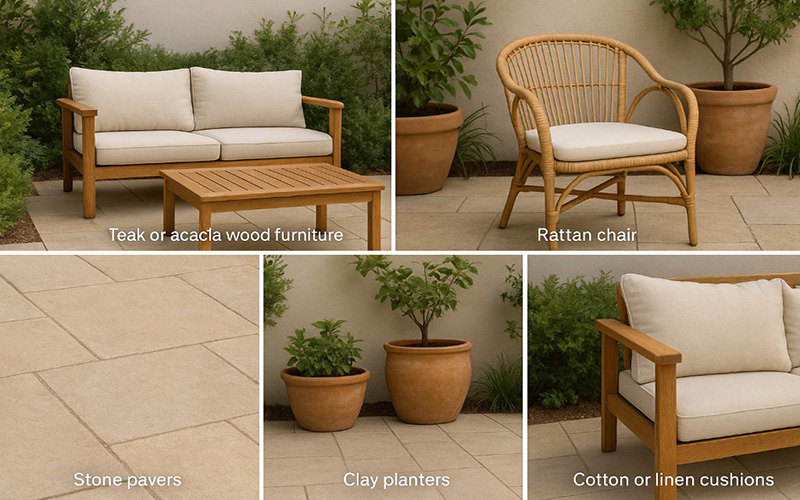
7. Outdoor Spaces
Outdoor areas should blend seamlessly with nature.
Best choices:
- Teak or acacia wood furniture (weather-resistant)
- Rattan-look outdoor pieces (treated for outdoor use)
- Stone pavers
- Clay planters
- Cotton or linen cushions (under cover)
Natural materials help outdoor areas feel like an extension of the home.
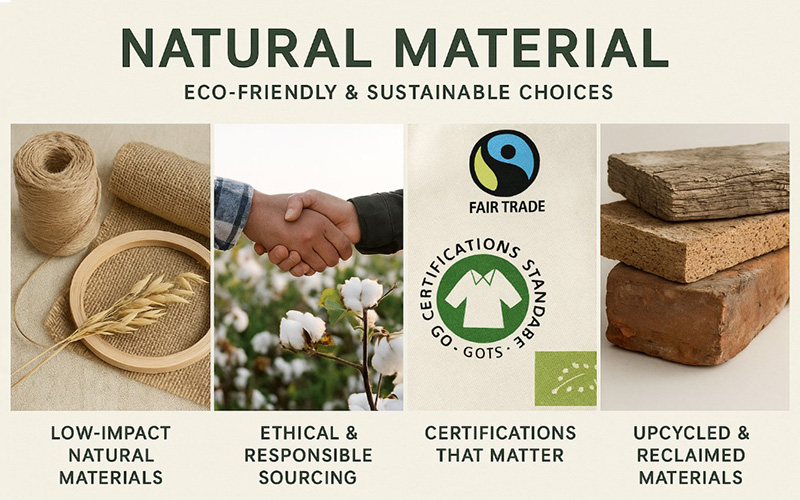
Eco-Friendly & Sustainable Choices
As sustainability becomes a top priority for homeowners, natural materials offer a responsible and environmentally friendly way to design a home. However, not all natural materials are automatically sustainable – ethical sourcing, renewability, and production methods also matter. Below is a complete guide to making eco-conscious choices when selecting natural materials for your interior spaces.
1. Low-Impact Natural Materials
Some natural materials have a significantly lower environmental footprint due to their renewability, fast growth rate, and minimal processing.
Best low-impact materials include:
- Bamboo – grows extremely fast and regenerates quickly.
- Rattan – renewable and harvested without harming the plant.
- Jute – grows with little water and no pesticides.
- Hemp – one of the strongest and most eco-friendly natural fibers.
- Cork – harvested from bark without cutting down trees.
- Seagrass & Sisal – abundant, fast-growing, and biodegradable.
These materials provide beautiful, textured finishes while also protecting the environment.
2. Ethical & Responsible Sourcing
Choosing natural materials sourced responsibly is essential for environmental protection.
What to look for:
- Materials harvested without destroying ecosystems
- Suppliers following fair labor practices
- Locally sourced materials (reduces transportation emissions)
- Artisanal or handcrafted production (minimal industrial processing)
Examples:
- Handwoven rattan or bamboo lighting supports local artisans.
- Reclaimed wood reduces the need for new logging.
- FSC-certified wood ensures sustainable forestry practices.
Ethical sourcing helps protect both the planet and the communities involved in material production.
3. Certifications That Matter
Look for credible certifications that verify sustainable and eco-friendly standards.
Common certifications include:
- FSC (Forest Stewardship Council) – responsible wood sourcing
- PEFC (Program for the Endorsement of Forest Certification) – sustainable forest management
- GOTS (Global Organic Textile Standard) – organic textiles
- OEKO-TEX® – safe, non-toxic fibers and fabrics
- Fair Trade Certified – ethical labor and production
These labels help ensure that the materials you choose meet high environmental and ethical standards.
4. Upcycled & Reclaimed Materials
Using reclaimed or upcycled materials is one of the most sustainable approaches in interior design.
Examples:
- Reclaimed wood beams or tables
- Vintage leather chairs
- Reused ceramic pots
- Upcycled stone or tile pieces
- Repurposed woven baskets
Reusing existing materials prevents waste, reduces manufacturing emissions, and brings unique character to your home.
5. How Natural Materials Support Green Living
Incorporating natural materials is not only aesthetically pleasing – it aligns with a greener lifestyle.
Benefits for eco-friendly living:
- Lower carbon footprint
- Reduced chemical exposure
- Supports artisanal and local craftsmanship
- Encourages long-term use instead of fast décor
- Promotes a healthy, breathable indoor environment
Natural materials also inspire slower, more intentional living by encouraging homeowners to invest in meaningful, long-lasting pieces rather than disposable trends.
6. Choosing the Most Sustainable Options for Your Home
To make your interior more eco-friendly:
- Prioritize renewable materials like bamboo, rattan, and jute.
- Choose furniture made from reclaimed or responsibly sourced wood.
- Opt for natural, organic textiles such as linen, hemp, or GOTS-certified cotton.
- Avoid materials that require heavy chemical processing.
- Support brands and artisans that prioritize sustainability.
These steps help create a home that is beautiful, healthy, and environmentally responsible.
Frequently Asked Questions (FAQ)
Below are some of the most common questions homeowners ask when learning about natural materials. These answers help clarify important concepts and support better decision-making when designing an eco-friendly, nature-inspired home.
A natural material is any material that comes directly from nature – plants, animals, or minerals – with minimal processing. Examples include wood, bamboo, rattan, wool, leather, stone, clay, linen, jute, and hemp.
Yes, in many cases. Materials like wood, stone, leather, and wool can last for decades when properly maintained. They also age beautifully, often becoming more attractive over time, unlike synthetic materials that tend to crack, peel, or discolor.
Not always. Some natural materials – like jute, hemp, bamboo, and cotton – are affordable. Others, such as marble, walnut, and full-grain leather, are more premium. Natural materials also offer better long-term value because they last longer and maintain their beauty.
Yes. Natural materials usually contain fewer artificial chemicals and release fewer VOCs compared to synthetic materials. They help create healthier living environments, especially for people sensitive to chemical odors or pollutants.
Absolutely. Natural materials are essential for softening modern interiors. They add warmth, texture, and balance to sleek, contemporary designs. Japandi, Scandinavian, and Organic Modern styles rely heavily on natural materials to avoid a cold or sterile look.
Conclusion
Natural materials are more than a design trend – they represent a return to authenticity, craftsmanship, and mindful living. Whether you’re drawn to the warmth of wood, the handcrafted texture of rattan, the depth of stone, or the softness of natural textiles, these materials help create spaces that feel calm, grounded, and truly personal.
By choosing natural materials, you’re not only enhancing the beauty of your home- you’re investing in sustainability, long-lasting quality, and a healthier environment for yourself and your family. From lighting and flooring to décor and textiles, these materials offer endless possibilities for creating warm, harmonious interiors that never go out of style.
As you continue designing or refreshing your home, consider integrating more natural elements. Even small changes – like adding a rattan pendant light, a stone vase, or a linen throw- can instantly transform the atmosphere of your space into one that feels more balanced, connected, and inspired by nature.
⭐ Ready to bring natural materials into your home?
Explore our handcrafted rattan & bamboo lighting collection – designed to add warmth, texture, and natural beauty to every room.
👉 Discover more at VietShopDesign.
See more:
- What Is Synthetic Materials? Definitions, Benefits & Uses
- What Is Wicker? A Complete Guide to the Craft, Materials & Uses
- What Is PE Wicker? Full Guide to Materials, Benefits & Uses



Unlock VIP Perks
Join as a priority member to receive gifts and be the first to access exclusive deals, our newest collections, and more...
Read more articles
25+ Best Outdoor Bamboo Pendant Lights for a Warm, Natural & Inviting Space
Outdoor bamboo pendant lighting transforms a pergola, patio, or covered garden dining space from a [...]
Jun
11 Best Organic Modern Rope Lighting Ideas for a Warm, Inviting Space
Wicker, hemp rope, jute, and water hyacinth bring the most authentically textural and the most [...]
Jun
25+ Trending Organic Modern Rattan Lights for a Cozy Living Space
The most beautifully designed organic modern interiors today are built not on safe pendant choices [...]
Jun
8 Organic Modern Rattan Dome Pendant Lights for a Soft, Natural Interior
The dome form is rattan’s most naturally generous and most softly organic pendant silhouette – [...]
Jun
9 Organic Modern Rattan Chandeliers for a Soft, Natural Interior
A rattan chandelier in an organic modern interior creates the most complete expression of what [...]
Jun
11 Organic Modern Brown Rattan Lights for a Warm, Earthy Home
Brown rattan brings the most warmly grounded and most gently earthy pendant tone to an [...]
May
15+ Organic Modern Black Rattan Lights for a Warm, Bold Home
Black rattan in an organic modern interior creates a precisely beautiful design tension – the [...]
May
12 Organic Modern Beige Rattan Lights for a Natural Interior
Beige rattan is the pendant material that organic modern design was made for – its [...]
May
25+ Organic Modern Bamboo Lights for a Soft, Natural Interior
Organic modern design lives at the most beautiful intersection of clean contemporary form and warm [...]
May
8 Best Organic Modern Wood Pendant Lights for a Warm, Natural Home
Wood pendant lighting brings a quality to an organic modern interior that no softer natural [...]
May
8 Modern Rustic Wood Lighting for a Warm, Architectural Interior
Wood pendant lighting belongs in a modern rustic interior the way exposed timber belongs in [...]
May
12 Modern Rustic Wicker Rope Pendant Lights for a Warm, Textural Interior
In a modern rustic interior built around exposed timber beams, rough stone walls, worn leather [...]
May
Explore our collections
Rattan Pendant Light
95 Products
Bamboo Pendant Light
38 Products
Fabric Pendant Light
41 Products
Wood Pendant Light
7 Products
Rope Pendant Light
14 Products
Rattan Wall Sconce
6 Products
Rattan Table Lamp
6 Products
Rattan Floor Lamp
9 Products