
Natural Materials & Craftsmanship
What Is Bamboo? Definition, Uses & Eco-Friendly Benefits
What is bamboo, and why is it becoming so popular in modern interior design?
Bamboo is a natural, sustainable material loved for its strength, light weight, and warm, organic beauty. As more homeowners embrace eco-friendly living and nature-inspired décor, bamboo has become a go-to choice for lighting, furniture, and home accessories.
Its clean lines, soft tones, and timeless appeal make it a perfect fit for Japandi, Wabi-Sabi, Scandinavian, Coastal, and many other modern styles. Bamboo also grows incredibly fast, making it one of the most renewable resources in the world.
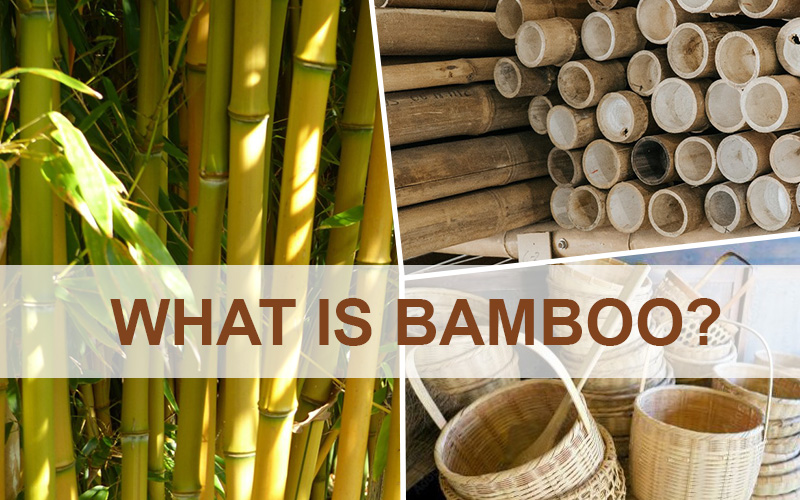
This article gives you a simple, clear, and complete understanding of bamboo – what it is, why it matters, and why so many designers rely on it for natural, handcrafted lighting, furniture, and décor. Before we explore its many uses and benefits, let’s start with the basics.
What Is Bamboo?
1. Definition
Bamboo is a fast-growing, renewable plant belonging to the Poaceae grass family – the same family as rice, wheat, and sugarcane. Although many people think bamboo is a type of wood, it is technically a woody grass. However, because bamboo is extremely strong and durable, it is often used like wood in furniture, construction, and crafts.
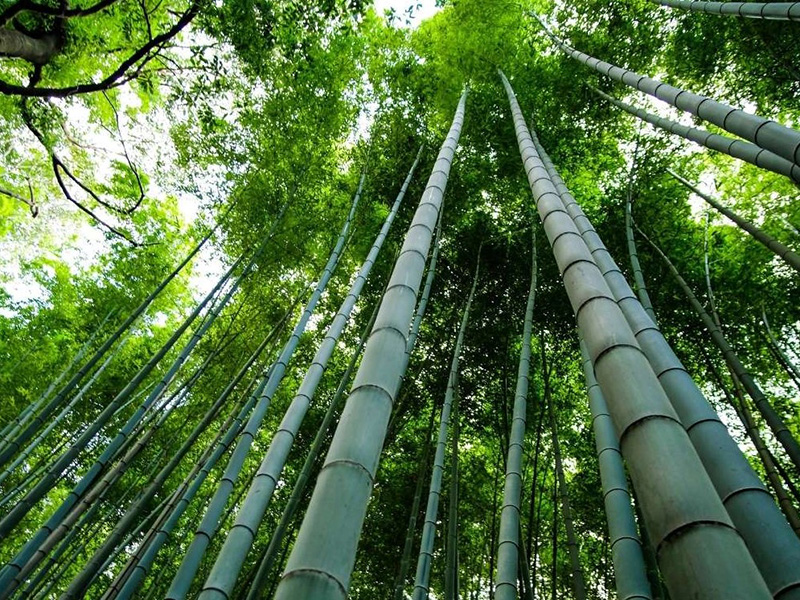
Bamboo grows as tall, hollow stalks called culms, which are divided by visible nodes (rings). Some species can grow more than 3 feet per day, making bamboo one of the fastest-growing plants on Earth. This rapid growth is the reason bamboo is considered one of the most sustainable natural materials available.
2. What Is Bamboo Made Of?
People often ask: “What is bamboo made of?”
The answer lies in its unique biological composition.
Bamboo is made of:
- Cellulose fibers (for strength and structure)
- Hemicellulose (adds flexibility)
- Lignin (acts like natural “glue” that hardens the plant)
- Silica (provides hardness and resistance to pests)
- Natural resins and oils
This composition gives bamboo a combination of qualities rarely found in a single material:
- Strong as steel (in tensile strength)
- Lightweight like plastic
- Stiff and stable like wood
- Naturally resistant to shrinkage and swelling
It is this unique blend of strength, flexibility, and renewable growth that makes bamboo ideal for:
- Lighting (pendants, sconces, chandeliers)
- Furniture
- Home décor
- Flooring and plywood
- Architectural structures
- Eco-friendly textiles
3. Bamboo vs Wood vs Rattan (Quick Comparison)
Understanding what bamboo is becomes easier when compared with similar materials:
| Feature | Bamboo | Rattan | Wood |
|---|---|---|---|
| Structure | Hollow stalk | Solid vine | Solid trunk |
| Flexibility | Moderately flexible | Highly flexible | Rigid |
| Weight | Lightweight | Very lightweight | Heavy |
| Growth Speed | Extremely fast | Fast | Slow |
| Best Uses | Structure, décor, lighting | Weaving, décor | Furniture, construction |
In short:
- Bamboo = strong, hollow, straight, ideal for structural or sculptural shapes
- Rattan = flexible, solid, ideal for weaving
- Wood = rigid, ideal for thick, heavy furniture
See Detail: Rattan vs Bamboo: Which Is Better? Full Comparison Guide
4. Why Bamboo Is Unique
Bamboo’s natural characteristics make it unlike any other material:
- Hollow but incredibly strong
- Fast-growing and renewable
- Visibly beautiful grain and warm golden tones
- Can be bent using heat for curved shapes
- Naturally smooth and easy to work with
- Can be easily split into thin, strong strips for weaving lamps, baskets, and other handcrafted décor items.
This is why bamboo is frequently used in handcrafted lighting – its beauty and practicality make it perfect for creating bamboo pendant lights, chandeliers, and other decorative shades.
Where Does Bamboo Come From?
1. Geographic Origin
Bamboo grows naturally across many parts of the world, but it thrives most abundantly in tropical and subtropical regions. It is native to:
- Southeast Asia (Vietnam, Indonesia, Thailand, Philippines)
- East Asia (China, Japan, Korea)
- South Asia (India, Nepal)
- Africa
- Central and South America
Among these regions, China and Southeast Asia are the leading producers of bamboo used in furniture, crafts, and home décor. Vietnam, in particular, is known for its long tradition of bamboo craftsmanship, producing high-quality pendant lights, baskets, and home accessories for global export.
Bamboo’s ability to grow in a wide variety of climates – from mountainous regions to riverbanks – makes it one of the most adaptable and sustainable plants on Earth.
2. How Bamboo Grows in Nature
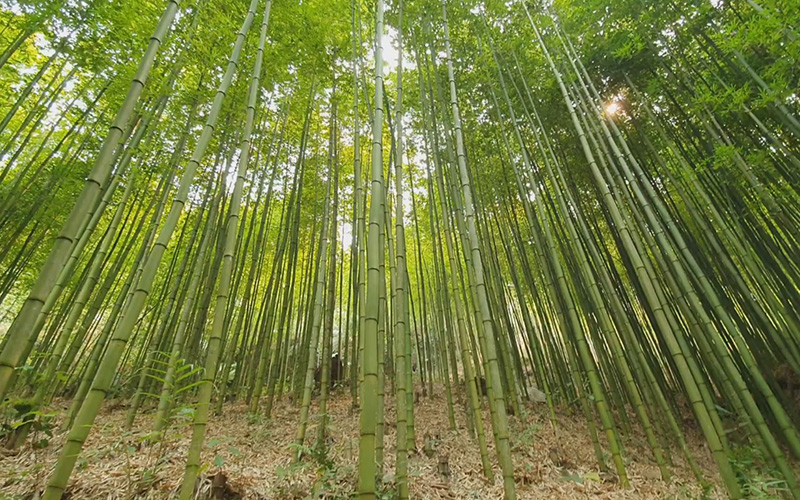
Bamboo is famous for being one of the fastest-growing plants in the world. Some species can grow up to 36 inches (90 cm) in a single day, thanks to their unique root system called rhizomes.
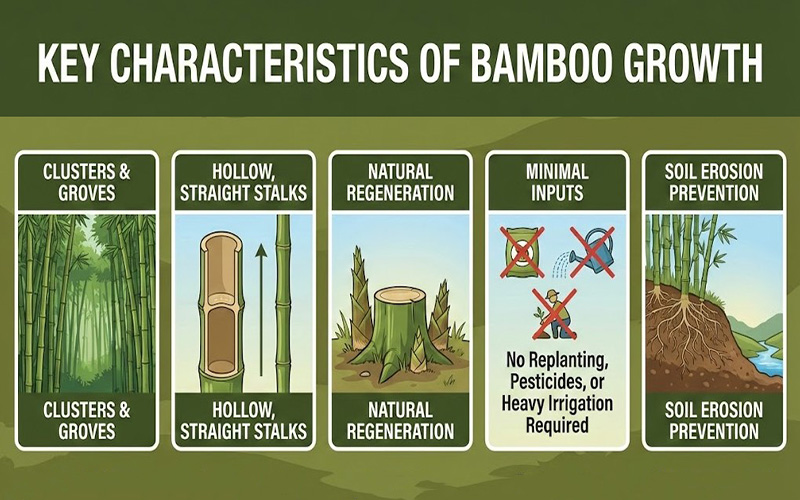
Key characteristics of bamboo growth:
- Grows in clusters, forming dense groves
- Hollow stalks (culms) grow straight upward
- Regenerates naturally after harvesting
- Requires no replanting, pesticides, or heavy irrigation
- Helps prevent soil erosion with its strong root network
Because bamboo regenerates so quickly, responsible harvesting does not damage the environment. In fact, bamboo forests help absorb carbon dioxide, support local biodiversity, and provide livelihoods for rural communities.
Types of Bamboo
Bamboo comes in hundreds of species and many different forms. For design, décor, and craftsmanship, certain types are more commonly used due to their strength, appearance, and workability.
1. Types of Bamboo by Size
Giant Bamboo
- Grows extremely tall (over 60–90 feet)
- Used for construction, large furniture, and architectural structures
Medium Bamboo
- More common for home décor, lighting frames, and household items
- Strong but easier to cut and shape
Small or Decorative Bamboo
- Used for craft details, small weaving projects, and accent décor
- Lightweight and flexible
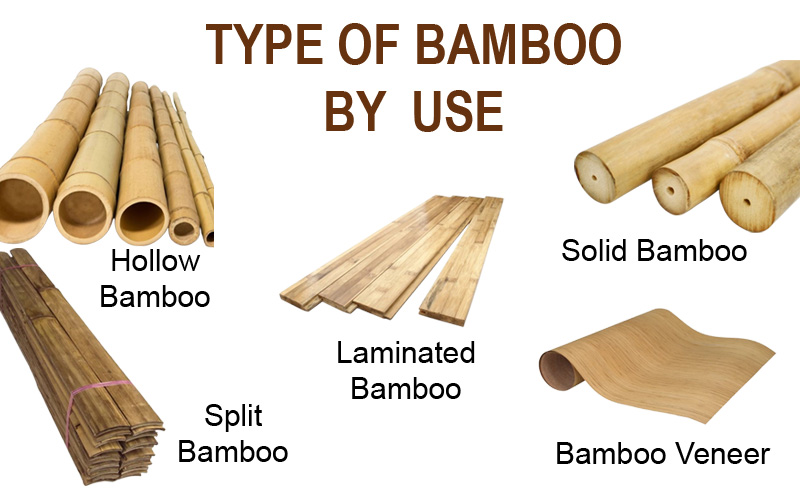
2. Types of Bamboo by Structure or Use
Hollow Bamboo (most common)
- Lightweight and strong
- Ideal for lighting frames, decorative pieces, poles, and structural elements
Solid Bamboo
- Found in smaller species
- Useful for tool handles, walking sticks, and small crafts
Split Bamboo
- Bamboo culms cut into thin strips
- Used for weaving baskets, lamp shades, and intricate patterns
Laminated Bamboo (Engineered Bamboo)
- Bamboo fibers compressed into solid sheets or boards
- Used for flooring, furniture panels, cabinetry, and countertops
- Strong, stable, and has a clean modern appearance
Bamboo Veneer
- Thin layers of bamboo applied to surfaces
- Creates a refined, high-end look while remaining lightweight
3. Bamboo Species Commonly Used in Craftsmanship
Moso Bamboo (Phyllostachys edulis)
- Widely used in China
- Ideal for flooring, laminated panels, and furniture
Tonkin Bamboo (Arundinaria amabilis)
- Known for straightness and strength
- Used for lighting frames, crafts, and décor
Dendrocalamus Species
- Thick-walled bamboo
- Excellent for furniture and structural pieces
These species are preferred by artisans due to their durability, consistency, and beautiful natural color.
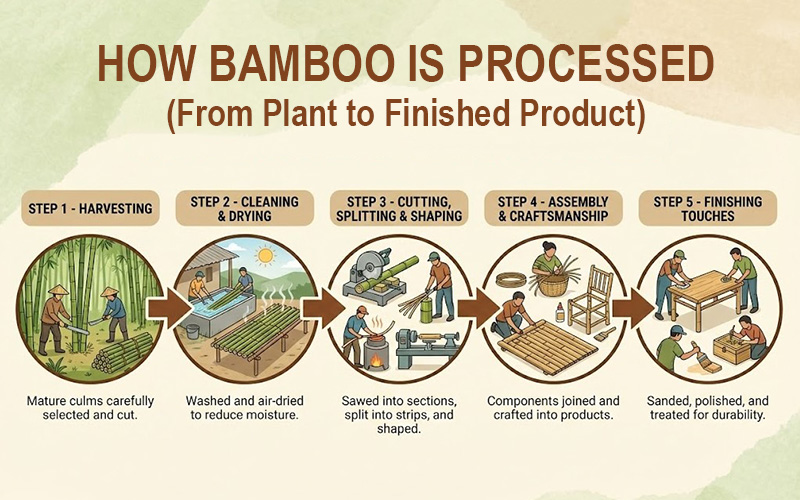
How Bamboo Is Processed (From Plant to Finished Product)
Before bamboo becomes a beautiful pendant light, a sculptural décor piece, or a piece of furniture, it goes through several careful processing steps. Many of these steps are still done by hand – especially in Vietnam – preserving traditional craftsmanship while ensuring durability.
Step 1 – Harvesting
Bamboo is typically harvested when it reaches 3–5 years old, the ideal age for strength and flexibility. Skilled farmers cut the bamboo culms close to the base and transport them to workshops. Because bamboo regenerates naturally from its root system, harvesting does not harm the plant or require replanting.
Step 2 – Cleaning & Drying
Once harvested, bamboo undergoes a thorough cleaning process:
Washing and Scrubbing
Dirt, leaves, and natural waxes are removed from the outer surface.
Sun-Drying
Bamboo poles are laid out under direct sunlight for several days. This helps:
- Reduce moisture
- Prevent mold
- Strengthen the fibers
- Enhance the natural golden tone
Smoke Curing (Traditional Method)
In many Vietnamese villages, bamboo is cured over a gentle fire. The smoke protects the bamboo from insects, stabilizes the color, and increases durability.
This natural curing process creates the beautiful honey-toned hue seen in many bamboo products.
Step 3 – Cutting, Splitting & Shaping
After drying, artisans prepare bamboo for its final form.
Cutting
Bamboo is cut into specific lengths for lighting frames, baskets, furniture parts, or décor.
Splitting
For weaving applications, bamboo is split into thin, flexible strips.
Heat Bending
Bamboo becomes flexible when heated. Artisans use controlled heat to bend bamboo into curves for lamp frames, arches, or sculptural shapes.
This step showcases the incredible skill and precision of traditional craftsmanship.
Step 4 – Assembly & Craftsmanship
Depending on the product, artisans either weave bamboo strips or assemble bamboo poles into frames. This process includes:
- Weaving patterns
- Joining pieces with natural bindings
- Shaping lamp shades
- Crafting decorative panels
- Combining bamboo with rattan or wood for strength
Each item is meticulously handcrafted, ensuring that no two pieces are exactly alike.
Step 5 – Finishing Touches
Once the structure is complete, bamboo products are finished with:
- Sanding for smoothness
- Natural oils for protection
- Water-based coatings for shine or matte effects
- Electrical installation for lighting products
The final result is a piece that celebrates both natural beauty and artisan skill.
Key Characteristics of Bamboo
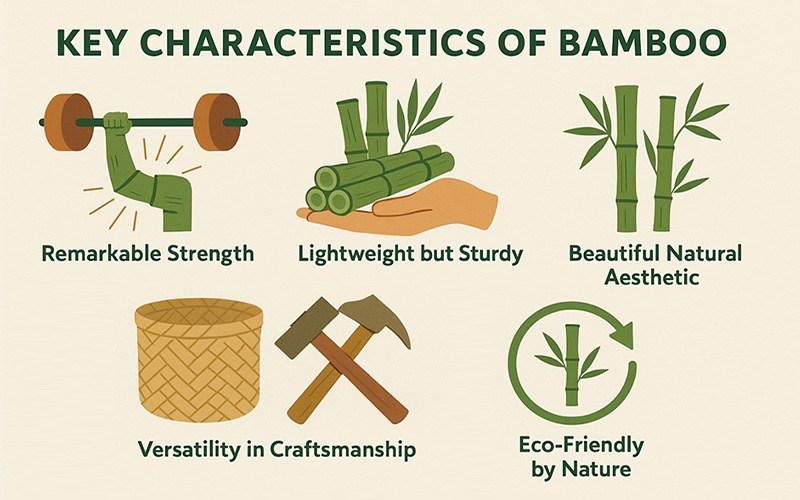
Bamboo is loved not just for how it looks, but for its exceptional natural qualities. These characteristics make bamboo one of the most practical and sustainable materials available today.
1. Remarkable Strength
Bamboo has an impressive strength-to-weight ratio. In tensile strength, bamboo can be as strong as steel, making it reliable for:
- Lighting frames
- Furniture
- Flooring
- Structural elements
Despite being hollow, bamboo’s internal fiber structure gives it outstanding durability.
2. Lightweight but Sturdy
Bamboo’s hollow structure makes it extremely lightweight, which is why:
- Bamboo pendant lights are easy to hang
- Furniture made from bamboo is easy to move
- Decor pieces feel airy and elegant
This combination of lightness and sturdiness is rare in natural materials.
3. Beautiful Natural Aesthetic
Bamboo has a naturally smooth texture, subtle grain, and warm golden color. Its appearance brings:
- Organic warmth
- Minimalist elegance
- Earthy tones
- Calm, inviting atmosphere
This is why bamboo fits seamlessly into Japandi, Wabi-Sabi, Coastal, and Scandinavian interiors.
4. Versatility in Craftsmanship
Bamboo can be:
- Bent
- Split
- Woven
- Sculpted
- Laminated
This versatility allows artisans to create everything from delicate lamp shades to large furniture frames.
5. Eco-Friendly by Nature
Bamboo is considered one of the most sustainable materials on Earth because it:
- Grows extremely fast
- Regenerates without replanting
- Requires no pesticides or fertilizers
- Helps protect soil and ecosystems
- Stores carbon efficiently
This makes bamboo an excellent choice for homeowners seeking environmentally responsible decor.
What Is Bamboo Used For?
Thanks to its strength, versatility, and lightweight structure, bamboo is used in countless applications – home decor and furniture to construction and even textiles. Its unique combination of beauty and practicality makes it one of the most valuable natural materials in modern design.
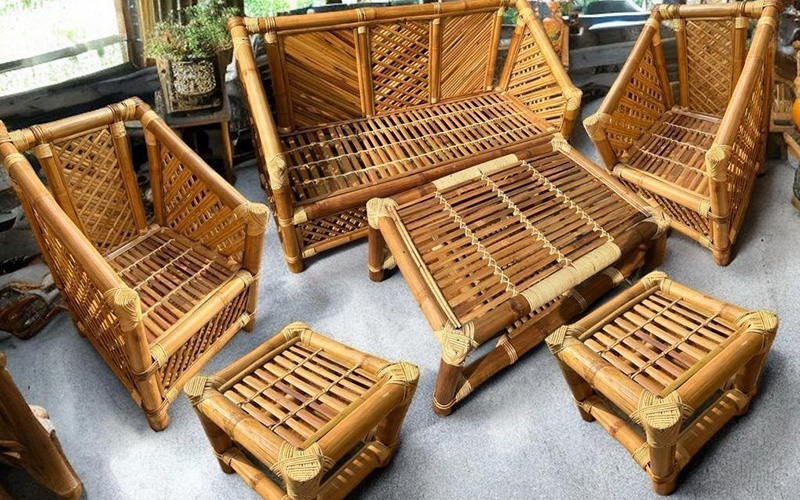
1. Bamboo Furniture
Bamboo furniture is admired for its clean lines, natural warmth, and durability. Because bamboo is strong yet lightweight, it works beautifully for both structural and decorative pieces.
Common bamboo furniture includes:
- Chairs and stools
- Coffee tables and side tables
- Bed frames and headboards
- Cabinets and wardrobes
- Shelving units
- Accent furniture
Bamboo’s smooth finish and elegant grain make it ideal for minimalist, Japandi, and Scandinavian interiors.
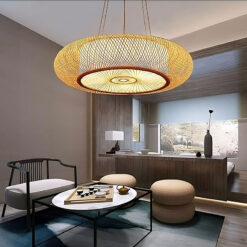
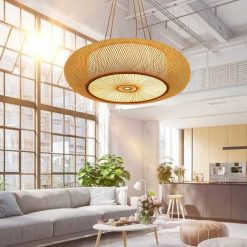
2. Bamboo Lighting
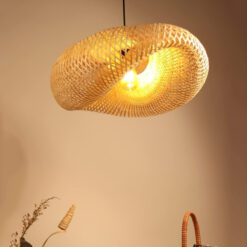
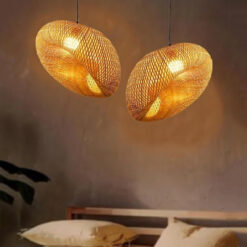
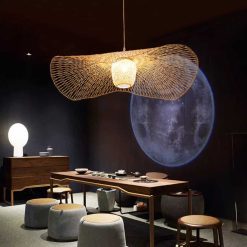
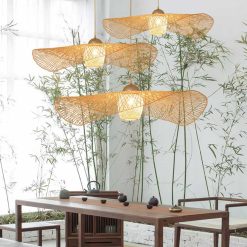
Bamboo is one of the most popular materials for handcrafted lighting thanks to its natural beauty and excellent shaping ability.
Popular bamboo lighting products include:
Why bamboo works so well for lighting?
- Lightweight → easy to hang
- Creates warm, soft ambient light
- Can be shaped into domes, cones, cages, cylinders, and organic curves
- Adds natural texture to kitchens, dining rooms, bedrooms, and living rooms
This growing trend is a major reason bamboo lighting from Vietnam is highly sought after worldwide.
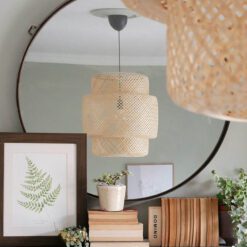
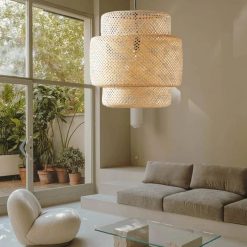
Bamboo Pendant Light
Bamboo Sinnerlig Pendant Lamp Wicker Lantern for Cozy Interiors
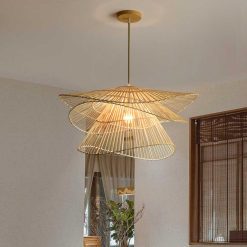
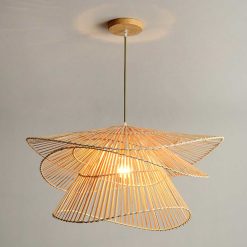
Bamboo Pendant Light
Bamboo Pendant Light
Bamboo Pendant Light
Creative Lotus Bamboo Pendant Light Fixture for Natural Interiors
Bamboo Pendant Light
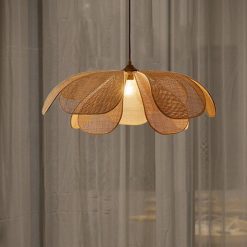
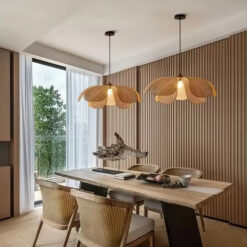
Rattan Pendant Light
Rattan Flower Pendant Light – Woven Petal Ceiling Lamp for Dining Room
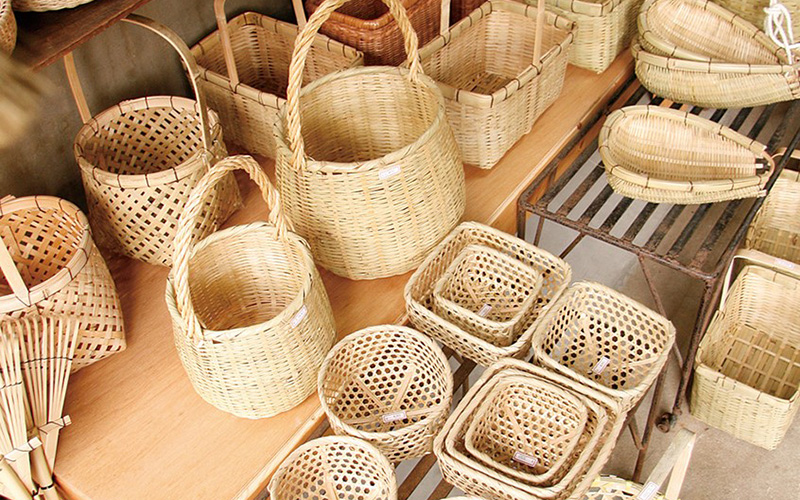
3. Bamboo Home Décor
Beyond lighting and furniture, bamboo is used for a wide variety of home décor items that add texture and warmth.
Examples include:
- Baskets and trays
- Decorative bowls
- Wall art and woven panels
- Plant stands
- Room dividers
- Mirror frames
These accessories are perfect for homeowners who want a natural, organic aesthetic.
4. Architecture & Construction
Bamboo has been used as a construction material for centuries. In many countries, it is considered a viable alternative to wood and even steel for certain structures.
Uses include:
- Bamboo houses and pavilions
- Flooring
- Wall cladding
- Roof structures
- Scaffolding
- Bamboo plywood panels
Its tensile strength and flexibility make it surprisingly effective in earthquake-resistant structures.
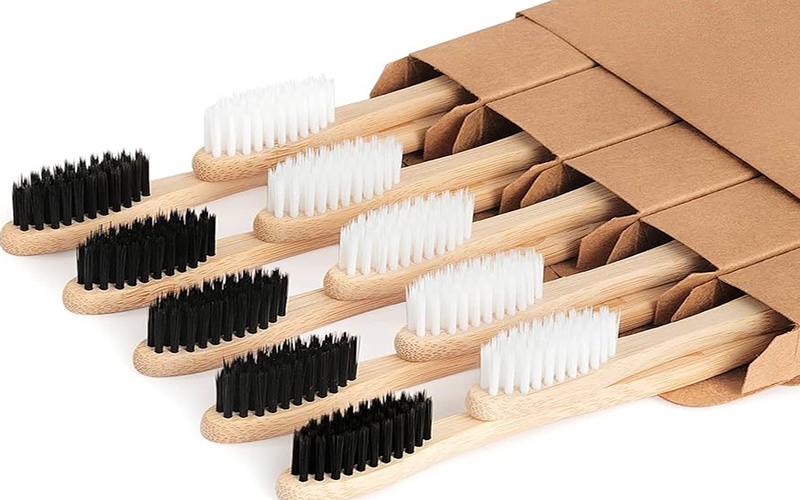
5. Textiles, Paper & Everyday Items
Bamboo fibers can also be processed into:
- Bamboo fabric (soft, breathable)
- Towels and bedsheets
- Toothbrushes
- Utensils and cutlery
- Paper products
This demonstrates the incredible versatility of bamboo across industries.
Bamboo vs Other Natural Materials
To understand bamboo more clearly, it helps to compare it with other commonly used natural materials. Each material has its advantages, but bamboo often stands out for its sustainability and versatility.
1. Bamboo vs Rattan
| Feature | Bamboo | Rattan |
|---|---|---|
| Structure | Hollow stalk | Solid vine |
| Flexibility | Moderately flexible | Highly flexible |
| Best Use | Frames, structures, lamp bodies | Weaving, baskets, lamp shades |
| Weight | Lightweight | Very lightweight |
| Aesthetic | Smooth, clean lines | Natural grain + organic texture |
Summary:
- Bamboo = best for structure and clean shapes
- Rattan = best for weaving and organic curves
Both materials pair beautifully in lighting and décor.
Explore in detail: What Is Rattan
2. Bamboo vs Wood
Bamboo advantages:
- Grows much faster
- More sustainable
- Lightweight
- Flexible and easy to shape
- Often more affordable
Wood advantages:
- Extremely strong and rigid
- Ideal for heavy furniture
- Long-lasting with proper care
Summary: Bamboo is the eco-friendly, lightweight alternative; wood is the heavy-duty option.
3. Bamboo vs Wicker
“Wicker” is not a material – it is a weaving technique.
- Bamboo = material
- Wicker = method of weaving (can use bamboo, rattan, reeds, or synthetic fibers)
Bamboo wicker is increasingly popular for lamp shades and decorative baskets.
4. Bamboo vs Seagrass
| Feature | Bamboo | Seagrass |
|---|---|---|
| Texture | Smooth, firm | Soft, rope-like |
| Strength | Strong | Moderate |
| Best Use | Lighting, furniture, structure | Rugs, baskets, decor |
| Weight | Lightweight | Lightweight |
Seagrass offers a more rustic texture, while bamboo provides a clean, modern aesthetic.
5. Bamboo vs Cane
“Cane” refers to the outer skin of the rattan vine.
- Cane = thin, flexible, used for weaving patterns (like cane webbing)
- Bamboo = rigid, structural, used for frames and lamp bodies
Both work beautifully together in modern furniture and lighting.
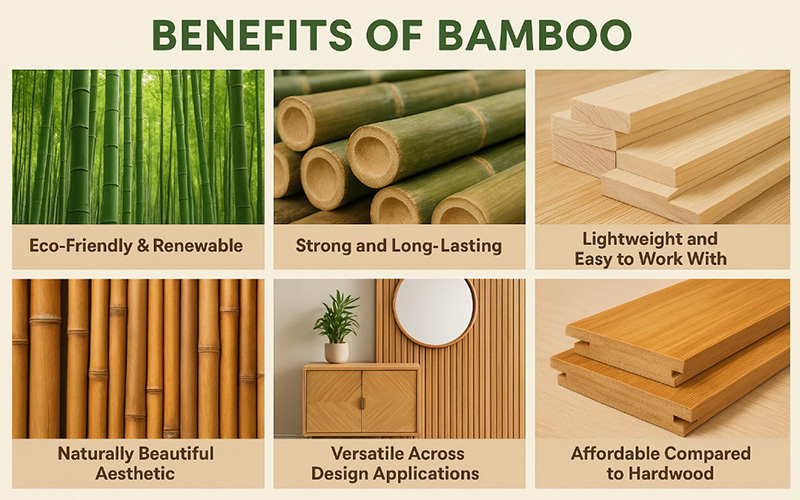
Benefits of Bamboo
Bamboo has become one of the most valued natural materials in modern design – not only because it looks beautiful, but also because it offers a long list of practical and environmental benefits. From durability to sustainability, bamboo stands out as an exceptional choice for lighting, furniture, and home décor.
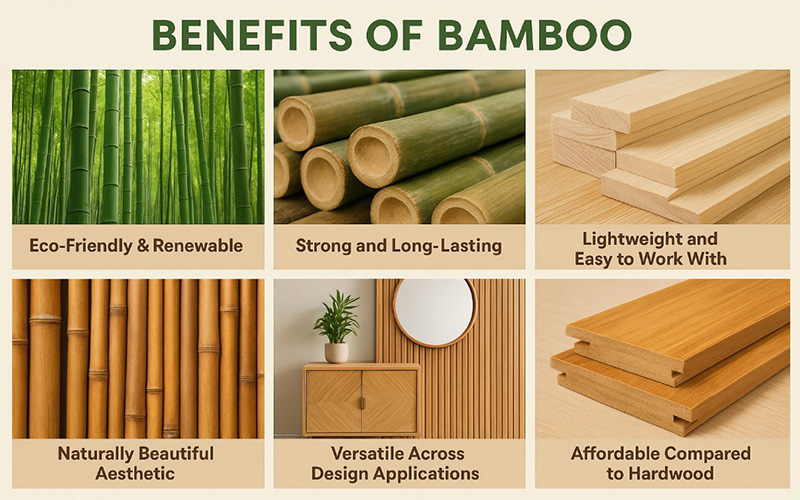
1. Eco-Friendly & Renewable
One of bamboo’s biggest advantages is its sustainability.
Why bamboo is eco-friendly?
- It is one of the fastest-growing plants on Earth.
- It regenerates naturally without replanting.
- It requires no pesticides, fertilizers, or heavy irrigation.
- Bamboo forests absorb more CO₂ than many tree species.
- Harvesting bamboo does not damage the root system, helping prevent soil erosion.
This makes bamboo one of the most environmentally responsible materials for homeowners seeking eco-conscious décor.
2. Strong and Long-Lasting
Despite its lightweight structure, bamboo is incredibly strong. It has a tensile strength comparable to steel and a compressive strength similar to concrete.
This makes bamboo ideal for:
- Lighting frames
- Furniture structures
- Decorative panels
- Architectural use
When properly processed and maintained, bamboo products can last for decades.
3. Lightweight and Easy to Work With
Bamboo’s hollow structure gives it a major advantage over wood:
- Easy to transport
- Easy to hang (especially pendant lights)
- Easy to rearrange in a room
- Less strain on ceilings and hardware
This is particularly useful for homeowners who enjoy refreshing their interiors frequently.
4. Naturally Beautiful Aesthetic
Bamboo’s appearance is one of the primary reasons it has become so popular.
Visual qualities include:
- Smooth, clean texture
- Soft golden tones
- Subtle nodes and natural rings
- Minimalistic, modern feel
Bamboo brings organic warmth into a space without overwhelming it, making it ideal for Japandi, Wabi-Sabi, Scandinavian, and Coastal styles.
5. Versatile Across Design Applications
Bamboo can be:
- Split
- Bent
- Carved
- Laminated
- Woven
This versatility allows artisans to create everything from delicate lamp shades to durable furniture and architectural elements.
6. Affordable Compared to Hardwood
Bamboo grows much faster than hardwood trees, making it more affordable to cultivate and manufacture. As a result, bamboo products offer a high-end aesthetic at a more accessible price point.
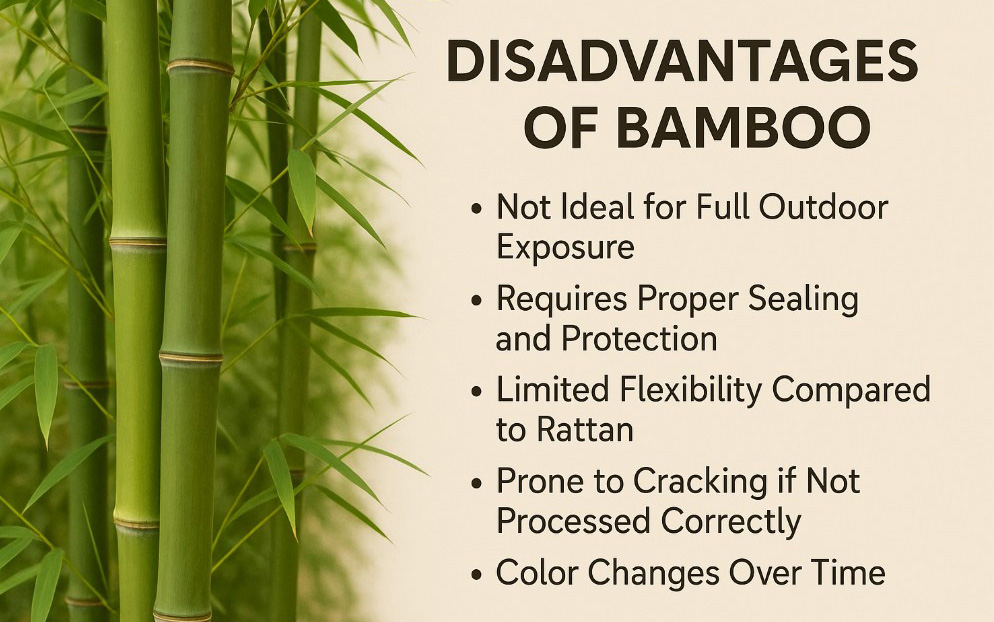
Disadvantages of Bamboo
While bamboo is an excellent material, it does have limitations. Understanding these disadvantages helps homeowners make informed decisions.
1. Not Ideal for Full Outdoor Exposure
Natural bamboo is sensitive to moisture and UV rays.
Long-term outdoor exposure can cause:
- Cracking
- Fading
- Mold or mildew
- Structural weakening
Best use: indoors or in covered outdoor areas.
For open outdoor environments, synthetic materials (such as PE rattan) perform better.
2. Requires Proper Sealing and Protection
Because bamboo is a natural material, it needs proper finishing to prevent:
- Moisture absorption
- Mold growth
- Fiber weakening
High-quality bamboo products typically include protective coatings, but homeowners should still avoid very humid environments.
3. Limited Flexibility Compared to Rattan
While bamboo can be bent using heat, it is not as flexible as rattan. This means:
- Rattan is better for complex woven lamp shades.
- Bamboo is better for frames, structures, and modern shapes.
Each material has its strengths, and they are often used together for this reason.
4. Prone to Cracking if Not Processed Correctly
Poorly cured or rapidly dried bamboo may:
- Crack along the grain
- Warp
- Split at the nodes
This is why high-quality craftsmanship – especially traditional curing methods – are essential for durability.
5. Color Changes Over Time
Bamboo naturally darkens into a richer honey tone with age. While many people find this beautiful, it may not suit homeowners who prefer a very light, pale finish long-term.
How to Identify Real Bamboo
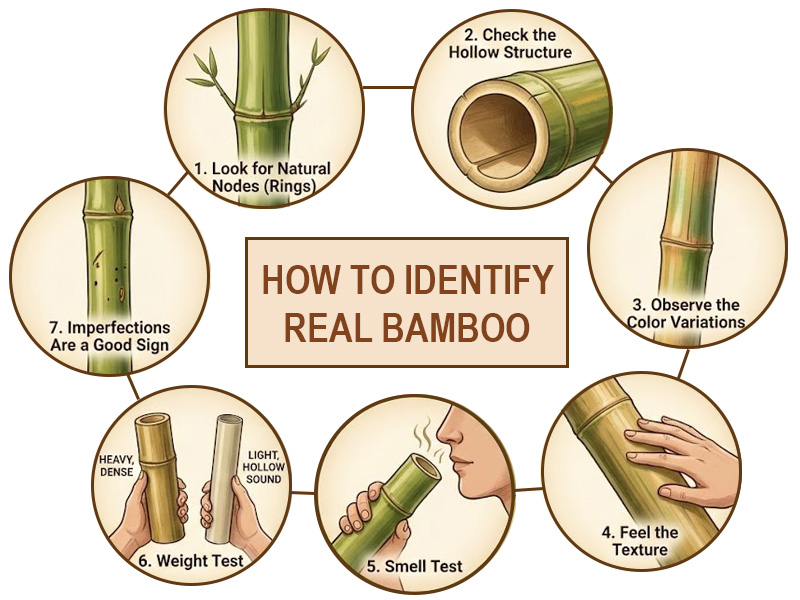
Because bamboo is popular in modern design, many products on the market use imitation materials – such as plastic, resin, or engineered composites. Knowing how to identify real bamboo helps you choose high-quality, authentic pieces, especially for lighting and décor.
1. Look for Natural Nodes (Rings)
Real bamboo has distinct horizontal nodes, which are the natural joints that separate each segment of the culm. These nodes are one of the clearest signs of genuine bamboo.
Fake bamboo often has:
- Perfectly even spacing
- Smooth, uniform rings that look too “machine-made”
2. Check the Hollow Structure
Most bamboo species used in décor are hollow inside, with a firm outer wall.
When you look at a cross-section of bamboo:
- You should see a hollow center
- The outer walls should feel hard and smooth
Plastic imitations usually feel lighter, softer, or overly flexible.
3. Observe the Color Variations
Real bamboo displays subtle natural variations in tone, typically in shades of beige, honey, or golden brown.
Signs of authenticity:
- Small differences in color between segments
- Slight dark patches or sun-cured tones
- Variations caused by natural growth and smoke curing
Fake bamboo often looks:
- Too uniform
- Too glossy
- Too perfect
4. Feel the Texture
Genuine bamboo has:
- A smooth but natural texture
- Tiny visible fibers
- A firm, solid feel
Plastic bamboo feels slick, overly shiny, or slippery to the touch.
5. Smell Test (Surprising but Effective)
Real bamboo often has a very faint, natural, woody scent.
Fake bamboo (plastic) may smell like:
- Chemicals
- Rubber
- Synthetic materials
6. Weight Test
Real bamboo is lightweight but still feels dense and structured.
Plastic versions tend to feel:
- Very light
- Hollow in an unnatural way
- Less “solid” when held
7. Imperfections Are a Good Sign
Real bamboo may have:
- Slight curves
- Minor surface marks
- Natural inconsistencies
These characteristics are normal and part of bamboo’s organic charm.
How to Care for Bamboo Products
Bamboo is strong and durable, but like all natural materials, it needs proper care to maintain its beauty over time. The good news is that bamboo care is simple and low-maintenance.
1. Regular Cleaning
Clean bamboo gently using:
- A soft, dry cloth
- A microfiber duster
- A soft brush for small gaps
For deeper cleaning:
- Use a lightly damp cloth (never soaking wet)
- Immediately dry afterward
Avoid:
- Harsh chemicals
- Abrasive sponges
- Heavy water exposure
2. Control Moisture & Humidity
Bamboo is sensitive to excess moisture.
To prevent mold or warping:
- Keep bamboo in well-ventilated spaces
- Use a dehumidifier during humid seasons
- Avoid placing bamboo in damp bathrooms or areas with poor airflow
- If bamboo becomes slightly damp, place it under mild sunlight for 1–2 hours
3. Limit Direct Sunlight
Strong UV exposure can:
- Fade bamboo’s natural color
- Dry out its surface
- Cause cracking over time
Place bamboo décor away from windows with harsh, direct sun or use curtains to soften the light.
4. Apply Natural Oils
To maintain bamboo’s natural sheen and prevent drying, apply a small amount of:
- Linseed oil
- Lemon oil
- Walnut oil
- Mineral oil (food-grade)
Only a very thin layer is needed once or twice a year.
5. Avoid Overloading or Excess Pressure
For bamboo furniture or décor:
- Do not place overly heavy items on top
- Avoid dropping or hitting bamboo surfaces
- Do not sit on bamboo items unless designed for seating
Proper handling preserves the structure and longevity of bamboo products.
6. Indoor Use Recommended
Natural bamboo is not suitable for full outdoor exposure.
Use bamboo:
- Indoors
- On covered patios
- In sheltered outdoor areas
Avoid:
- Rain
- Direct sun
- Poolside placement
For outdoor environments, synthetic materials are a better choice.
Is Bamboo Eco-Friendly?
Bamboo is widely recognized as one of the most environmentally friendly natural materials available today. Its fast growth, natural regeneration, and minimal processing make it an ideal choice for homeowners seeking sustainable, low-impact décor and furnishings.
1. One of the Fastest-Growing Plants on Earth
Bamboo can grow up to 36 inches (90 cm) in a single day, making it one of the fastest-renewing natural resources on the planet.
Why this matters:
- It reaches full maturity in 3–5 years (compared to 20–50 years for hardwood trees).
- Harvesting bamboo does not harm the plant; it regenerates from its root system.
- Its rapid growth creates a stable, long-term resource supply.
This fast renewal cycle dramatically reduces environmental strain.
2. Low Environmental Impact During Cultivation
Bamboo requires no pesticides, no chemical fertilizers, and very little water to grow. It thrives naturally in most climates and grows in dense clusters, making it a highly efficient crop.
Environmental advantages:
- Helps prevent soil erosion
- Improves soil quality
- Creates biodiverse habitats
- Requires far fewer resources than wood or cotton
This is why bamboo is often referred to as a “green material.”
3. High Carbon Absorption
Bamboo absorbs CO₂ and releases oxygen at a rate higher than many trees.
- Helps combat climate change
- Improves air quality
- Supports healthier ecosystems
Because bamboo regenerates rapidly, it continuously absorbs carbon throughout its lifecycle.
4. Sustainable Processing
Traditional bamboo processing uses sun-drying, smoke curing, and handcrafting, producing very low emissions. Unlike plastic or industrial materials, bamboo:
- Requires minimal machinery
- Generates little waste
- Is fully biodegradable
Every part of the bamboo plant can be used – from culms to fibers – making it one of the most resource-efficient materials.
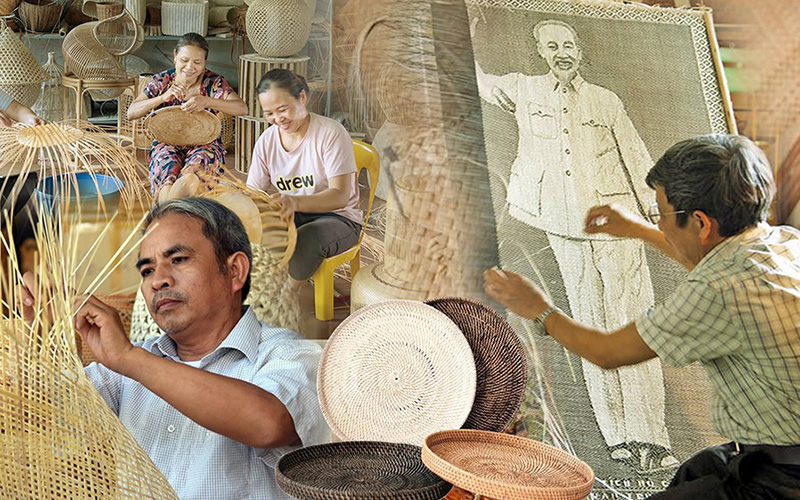
5. Supports Artisan Communities
In countries like Vietnam, Indonesia, and China, bamboo craftsmanship sustains thousands of artisan families. Purchasing bamboo products supports:
- Traditional craftsmanship
- Fair wages
- Rural community development
- Cultural preservation
Eco-friendly materials that also support human livelihoods offer double sustainability benefits.
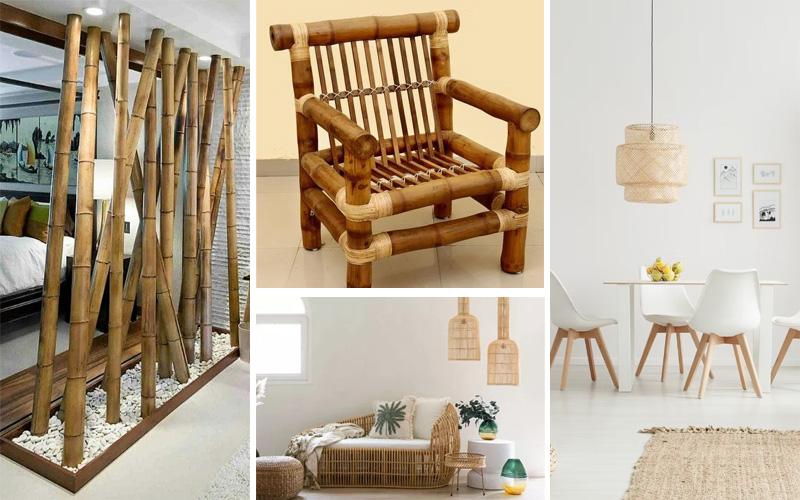
Bamboo in Modern Interior Design
Bamboo’s natural warmth, clean lines, and minimalistic appeal make it a perfect fit for many of today’s most popular interior design styles. Whether used in lighting, furniture, or décor, bamboo blends effortlessly with a wide range of aesthetics.
1. Japandi Design
Japandi design blends Japanese minimalism with Scandinavian simplicity – and bamboo fits beautifully into both traditions.
Bamboo offers:
- Clean, calming textures
- Soft, muted tones
- Organic shapes
- A sense of Zen balance
Bamboo pendant lights, stools, and screens are especially popular in Japandi-inspired spaces.
2. Wabi-Sabi Aesthetic
Wabi-Sabi celebrates simplicity, imperfection, and the beauty of natural materials. Bamboo aligns perfectly with this philosophy.
- Its slight variations in tone
- Its natural grain
- Its handcrafted appearance
…all contribute to a peaceful, lived-in feeling that Wabi-Sabi homes embrace.
3. Scandinavian & Nordic Interiors
Scandinavian design emphasizes light, warmth, and natural materials. Bamboo complements these principles because it is:
- Lightweight
- Clean-lined
- Subtly textured
- Warm in color
It pairs beautifully with neutral palettes and soft textiles.
4. Coastal & Beach House Style
Bamboo’s golden tones and airy appearance make it ideal for coastal or beach-inspired interiors.
- Works well with whites and sandy neutrals
- Enhances breezy, relaxed atmospheres
- Often used in pendant lights, wall décor, and accent furniture
5. Boho & Eclectic Homes
Bamboo fits perfectly into Boho and eclectic homes where layered textures and natural materials take center stage.
Common bamboo pieces in Boho decor include:
- Lamps and chandeliers
- Hanging chairs
- Decorative mirrors
- Woven panels
Its organic feel adds soul and depth to Boho spaces.
6. Organic Modern & Minimalist Interiors
Organic Modern homes use clean lines balanced with natural textures – exactly what bamboo provides.
Bamboo adds:
- Warmth
- Calm
- Soft contrast
- A touch of nature
Whether used in lighting or furniture, bamboo helps soften hard architectural lines and adds serenity to minimalist spaces.
7. Trending Bamboo Uses in 2026–2027
Bamboo continues to rise in popularity, especially in:
- Kitchen island pendant lights
- Bedroom accent lights
- Dining room statement fixtures
- Decorative wall panels
- Sculptural home accessories
- Furniture with bamboo veneer
Designers increasingly choose bamboo for its aesthetic appeal, sustainability, and versatility in modern homes.
Conclusion
Bamboo is far more than a design trend – it is a timeless, sustainable, and incredibly versatile material that has been valued for centuries. Its unique combination of strength, lightness, and natural elegance makes it a perfect choice for homeowners seeking beauty, durability, and eco-friendly design.
Whether you’re choosing a bamboo pendant light for your dining room, a sculptural bamboo lamp for a Japandi space, or a decorative bamboo basket for everyday living, bamboo brings:
- Warm, organic textures
- Handcrafted artistry
- Long-lasting durability
- Compatibility with many interior styles
- A more sustainable, environmentally responsible option
In a world that increasingly celebrates natural materials and meaningful craftsmanship, bamboo continues to shine as one of the most beloved choices for modern homes. Its clean lines, warm tones, and calming presence fit effortlessly into Japandi, Wabi-Sabi, Scandinavian, Coastal, Boho, and Organic Modern interiors – making it a perfect match for spaces that value simplicity, harmony, and nature.
Bring the beauty of handcrafted bamboo into your home – explore artisan-made bamboo lighting and décor at vietshopdesign and elevate your space with natural elegance.
FAQ – What Is Bamboo?
Bamboo is a fast-growing, sustainable plant from the Poaceae grass family. Though often used like wood, bamboo is technically a woody grass known for its strength, light weight, and natural beauty.
Bamboo is made of cellulose fibers, hemicellulose, lignin, natural oils, and silica. This unique composition gives bamboo exceptional strength, flexibility, and durability.
Yes. Bamboo grows extremely quickly, regenerates without replanting, requires no chemicals to grow, and is fully biodegradable. It is considered one of the most sustainable materials in the world.
Natural bamboo should be kept indoors or under covered outdoor areas. Long-term exposure to rain and strong sunlight can cause cracking, fading, or mold. For open outdoor spaces, synthetic materials are recommended.
Bamboo is lightweight, easy to shape, and creates warm, diffused ambient light. Its natural texture adds softness and organic beauty, making it ideal for pendant lights, wall sconces, and decorative lamps.
Read more
- What Is Synthetic Materials? Definitions, Benefits & Uses
- What Are Plant Fibres? Definition, Uses & Eco-Friendly Benefits
- What Is PE Wicker? Full Guide to Materials, Benefits & Uses



Unlock VIP Perks
Join as a priority member to receive gifts and be the first to access exclusive deals, our newest collections, and more...
Read more articles
25+ Best Outdoor Bamboo Pendant Lights for a Warm, Natural & Inviting Space
Outdoor bamboo pendant lighting transforms a pergola, patio, or covered garden dining space from a [...]
Jun
11 Best Organic Modern Rope Lighting Ideas for a Warm, Inviting Space
Wicker, hemp rope, jute, and water hyacinth bring the most authentically textural and the most [...]
Jun
25+ Trending Organic Modern Rattan Lights for a Cozy Living Space
The most beautifully designed organic modern interiors today are built not on safe pendant choices [...]
Jun
8 Organic Modern Rattan Dome Pendant Lights for a Soft, Natural Interior
The dome form is rattan’s most naturally generous and most softly organic pendant silhouette – [...]
Jun
9 Organic Modern Rattan Chandeliers for a Soft, Natural Interior
A rattan chandelier in an organic modern interior creates the most complete expression of what [...]
Jun
11 Organic Modern Brown Rattan Lights for a Warm, Earthy Home
Brown rattan brings the most warmly grounded and most gently earthy pendant tone to an [...]
May
15+ Organic Modern Black Rattan Lights for a Warm, Bold Home
Black rattan in an organic modern interior creates a precisely beautiful design tension – the [...]
May
12 Organic Modern Beige Rattan Lights for a Natural Interior
Beige rattan is the pendant material that organic modern design was made for – its [...]
May
25+ Organic Modern Bamboo Lights for a Soft, Natural Interior
Organic modern design lives at the most beautiful intersection of clean contemporary form and warm [...]
May
8 Best Organic Modern Wood Pendant Lights for a Warm, Natural Home
Wood pendant lighting brings a quality to an organic modern interior that no softer natural [...]
May
8 Modern Rustic Wood Lighting for a Warm, Architectural Interior
Wood pendant lighting belongs in a modern rustic interior the way exposed timber belongs in [...]
May
12 Modern Rustic Wicker Rope Pendant Lights for a Warm, Textural Interior
In a modern rustic interior built around exposed timber beams, rough stone walls, worn leather [...]
May
Explore our collections
Rattan Pendant Light
95 Products
Bamboo Pendant Light
38 Products
Fabric Pendant Light
41 Products
Wood Pendant Light
7 Products
Rope Pendant Light
14 Products
Rattan Wall Sconce
6 Products
Rattan Table Lamp
6 Products
Rattan Floor Lamp
9 Products