
Interior Design Styles
What Is Wabi Sabi? Meaning, Philosophy & Modern Applications
What is Wabi Sabi? This is one of the most searched interior-design questions among homeowners in the U.S., especially as more people look for living spaces that feel calm, natural, and emotionally grounding. In a fast-paced, high-pressure world, Wabi Sabi offers a refreshing alternative: a philosophy and design approach that embraces simplicity, authenticity, and the quiet beauty of imperfection.
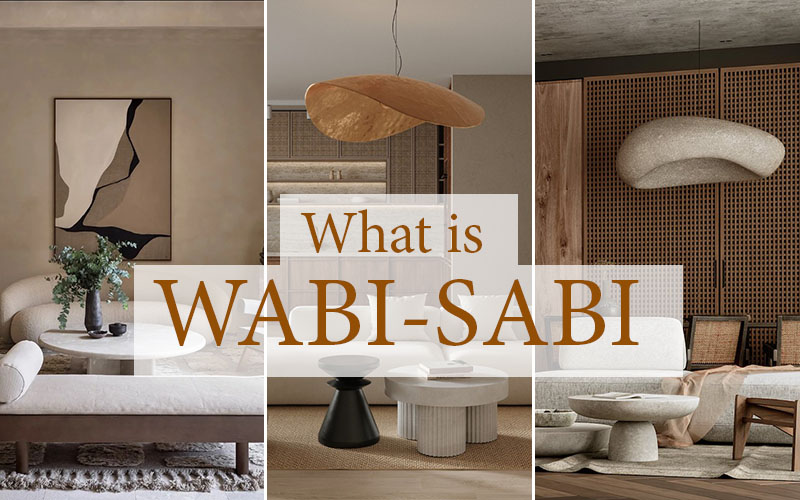
Wabi Sabi is far more than a decorating style. It is a way of seeing the world – valuing natural materials, appreciating the passage of time, and accepting that nothing needs to be perfect to be beautiful. Homes inspired by Wabi Sabi feel warm, grounded, and human, often featuring organic textures such as aged wood, raw clay, natural fabrics, handcrafted ceramics, and soft, diffused lighting from rattan pendant lights, bamboo chandeliers, or linen-shade lamps.
As “calm living,” “mindful homes,” and “nature-inspired interiors” become increasingly popular across the U.S., Wabi Sabi has emerged as one of the most meaningful and influential design philosophies. If you have ever wondered what Wabi Sabi really means, why it resonates with modern life, or how it shapes contemporary interiors, this guide will walk you through everything from its origins to its modern applications.
What Does Wabi Sabi Mean? A Clear and Modern Definition
Wabi Sabi (侘寂) is a traditional Japanese philosophy and aesthetic that celebrates simplicity, natural beauty, and the graceful acceptance of imperfection. Unlike modern design trends that prioritize flawless finishes, perfect symmetry, and polished surfaces, Wabi Sabi embraces the irregular, the raw, and the naturally aged. It teaches that true beauty comes from authenticity rather than perfection.
What Is Wabi
“Wabi” refers to simplicity, humility, and intentional living. It expresses a quiet appreciation for the modest and understated. In interiors, Wabi shows up through organic textures, uncluttered spaces, and materials that feel honest – like a simple wooden bench with visible grain, a slightly asymmetrical clay vase, or a rattan lamp woven by hand. Wabi brings groundedness and calm to a home.
What Is Sabi
“Sabi” represents the beauty that emerges with age and time. It highlights patina on wood, the soft fading of fabrics, and the natural wear that tells a story. Examples include sun-aged wood deepening in tone, a linen throw becoming softer after years of use, pottery with natural crackle glazes, or bamboo and rattan that develop richer colors as they age. Sabi adds emotional depth, history, and character to a space.
Wabi Sabi in Real-Life Design
In practice, Wabi Sabi highlights the quiet charm of handmade and natural elements: a ceramic cup with an uneven glaze, a linen curtain with soft creases, or a rattan pendant light with subtle variations in its weave. These details are not flaws – they are expressions of character, craftsmanship, and human touch.
Wabi Sabi interior design appears through neutral and earthy palettes, natural materials such as wood, rattan, bamboo, clay, and stone, handcrafted décor, soft ambient lighting, and gentle minimalism that feels lived-in rather than empty. The philosophy creates spaces that feel warm, peaceful, and deeply connected to nature.
Together, Wabi and Sabi form a philosophy that honors nature, authenticity, impermanence, and meaningful imperfection – an approach that resonates deeply in today’s modern homes seeking peace, warmth, and emotional connection., and meaningful imperfection – an approach that feels increasingly relevant in modern homes.
Don’t miss our rattan and bamboo lighting collection – it pairs beautifully with Wabi-Sabi interiors.
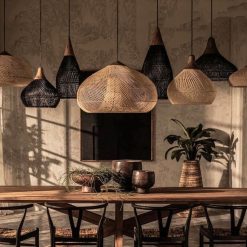
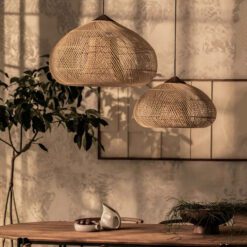
Rattan Pendant Light
Vintage Rattan Pendant Light Fixture High Quality Lamp Shades
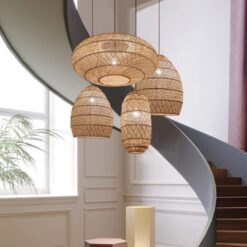
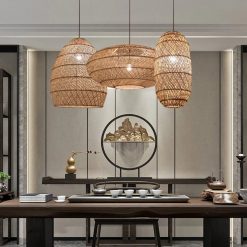
Rattan Pendant Light
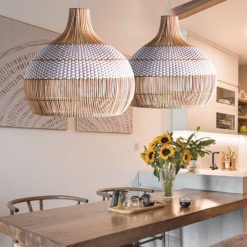
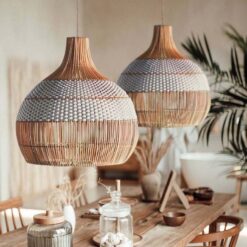
Rattan Pendant Light
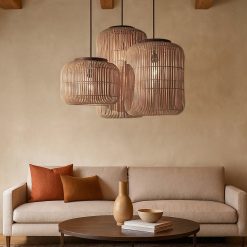
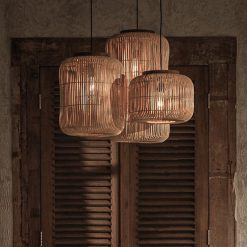
Rattan Pendant Light
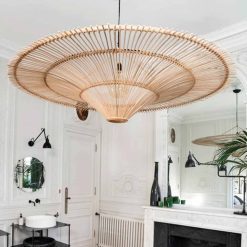
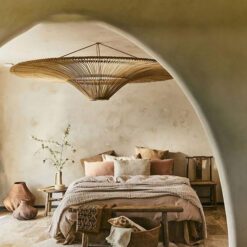
Rattan Pendant Light
Why Modern Homes Love Wabi Sabi
Wabi Sabi stands in contrast to the pressure of achieving perfect, magazine-ready interiors. It encourages people to slow down, appreciate what they have, and create a home that feels real and personal rather than staged.
This approach resonates strongly in the U.S., especially among homeowners who value:
- mindful, intentional living
- fewer but more meaningful possessions
- nature-inspired décor
- eco-friendly, handcrafted materials
- warm, minimal interiors without coldness
Designers, stylists, and homeowners alike are turning to Wabi Sabi as a timeless approach to creating serene, soulful spaces.
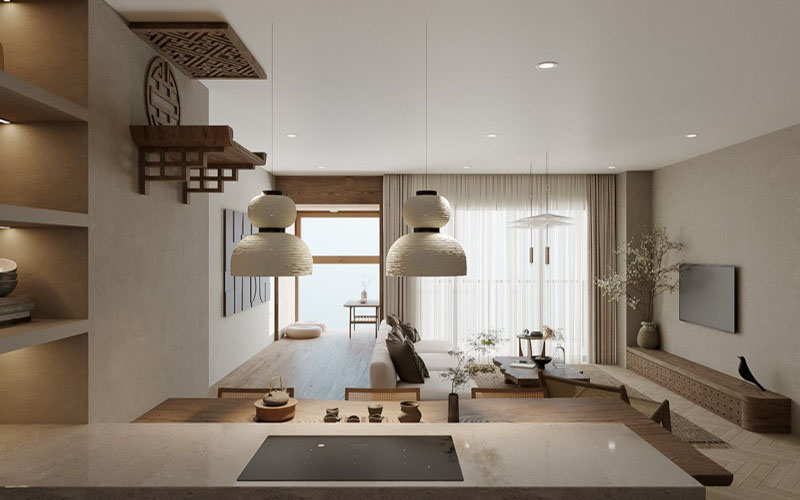
The Meaning of Wabi: Simplicity, Intentionality, and Quiet Beauty
To understand Wabi Sabi at its core, it helps to look closely at each word – starting with Wabi. Historically, “Wabi” referred to a simple, humble life lived close to nature. Over time, its meaning evolved into a philosophy of appreciating modesty, authenticity, and intentional living.
In modern design, Wabi represents the beauty of simplicity – not minimalism for the sake of emptiness, but a gentle form of minimalism where every object has a purpose and every texture carries meaning. Wabi is emotional simplicity, not visual sterility.
A space that embodies Wabi feels calm, honest, and quietly expressive. It avoids excess and focuses on what truly matters.
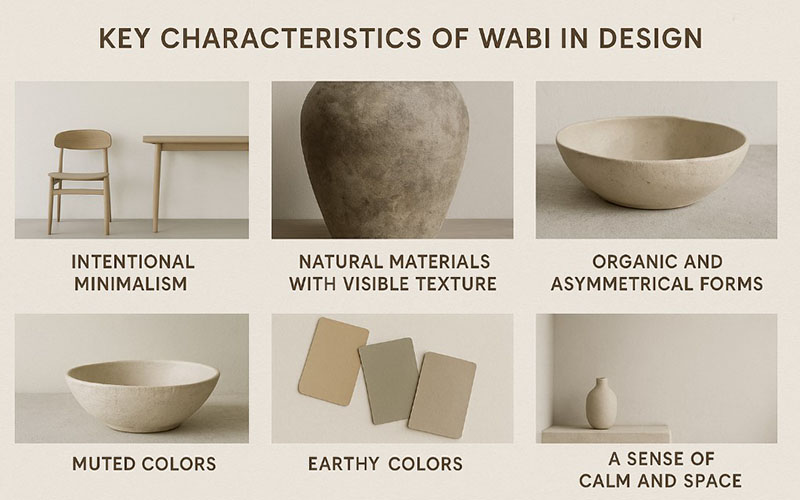
Key Characteristics of Wabi in Design
- Intentional Minimalism: Wabi encourages living with fewer items, but each one chosen thoughtfully. This creates a sense of clarity and calm without the coldness of strict minimalism.
- Natural Materials with Visible Texture: Wood grain, linen wrinkles, soft creases, and woven fibers express the honesty of their materials. Instead of hiding textures, Wabi celebrates them.
- Organic and Asymmetrical Forms: Nothing in nature is perfectly symmetrical, and Wabi embraces that truth. Slight irregularities soften a room and make it feel more human.
- Muted, Earthy Colors: Soft whites, warm beiges, clay browns, muted greens, and stone grays create peaceful, grounded interiors that reflect the natural world.
- A Sense of Calm and Space: Wabi focuses on breathable layouts. There is room to pause, think, and simply be. Empty space is treated with respect, not fear.
Examples of Wabi in Everyday Interiors
- A simple wooden stool placed beside a soft linen curtain
- A handwoven rattan pendant light that casts warm, diffused patterns
- A ceramic mug with an uneven rim or glaze
- A low-profile sofa paired with natural-fiber rugs
Wabi is about creating environments that feel effortless, unpretentious, and deeply connected to nature. It encourages homeowners to choose authenticity over appearance and intention over excess.
The Meaning of Sabi: Aging, Patina, and the Beauty of Time
While Wabi focuses on simplicity and intentionality, Sabi adds depth, emotion, and narrative to the philosophy. Traditionally, “Sabi” referred to the quiet beauty found in objects shaped by time – like weathered stones, faded ink, or antique wooden tools.
In modern interiors, Sabi represents the elegance of aging and the unique character that emerges through natural wear. Instead of hiding patina, fading, or signs of use, Sabi treats them as enhancements, not flaws.
Where Wabi expresses simplicity, Sabi expresses history.
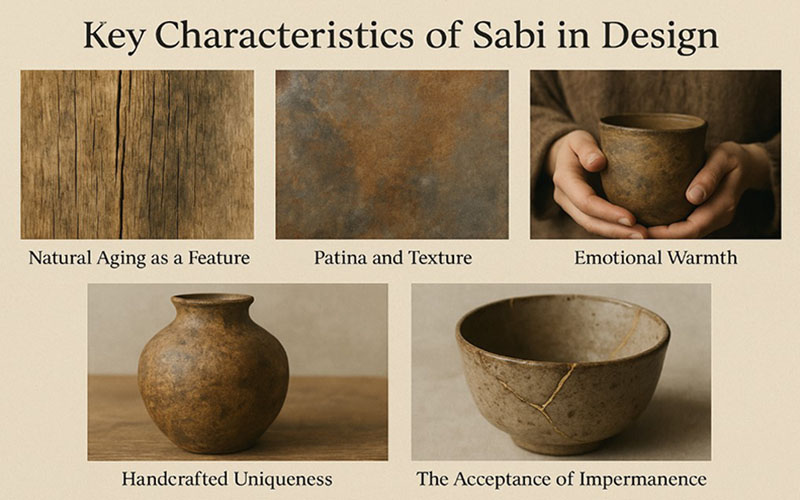
Key Characteristics of Sabi in Design
- Natural Aging as a Feature: Wood that darkens with sunlight, brass that develops a subtle tarnish, and fabrics that soften over time all embody Sabi.
- Patina and Texture: Sabi values surfaces that show the passage of time – crackle glazes on pottery, worn edges on a cutting board, or stone that becomes smoother with touch.
- Emotional Warmth: Aged objects have a presence, a sense of memory, and quiet dignity. They bring a home to life.
- Handcrafted Uniqueness: Sabi shuns mass production. Items made by hand – where each piece has slight differences – carry a soulful quality that machine-perfect objects lack.
- The Acceptance of Impermanence: Sabi aligns with the Japanese idea of mujō (impermanence). Nothing stays new forever, and that transformation is beautiful.
Examples of Sabi in Everyday Interiors
- A clay vase with natural crackle patterns
- A wooden dining table that gains character over the years
- A faded vintage rug that softens a modern room
- A bamboo or rattan lamp that darkens as it ages
- A leather chair developing a natural patina
Sabi enriches a home with depth, history, and warmth. It reminds us that objects – and people – become more meaningful as they evolve over time.
Origins and History of Wabi Sabi
Understanding the origins of Wabi Sabi helps reveal why this philosophy feels so timeless and comforting. Although it has become a modern design trend in the West, Wabi Sabi began centuries ago as a deeply spiritual, cultural, and artistic concept rooted in Japanese traditions.
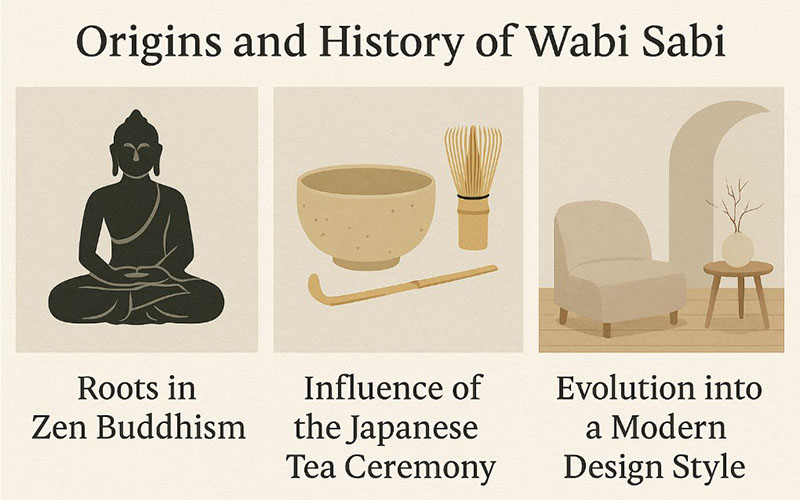
1. Roots in Zen Buddhism
Wabi Sabi is closely connected to Zen Buddhism, which emphasizes mindfulness, simplicity, and acceptance of impermanence. Zen monks lived modestly, surrounded by natural materials, weathered surfaces, and serene, uncluttered spaces. These environments inspired early interpretations of Wabi Sabi.
The Zen principle of mujō – the idea that everything changes – blends seamlessly with Sabi’s appreciation of aging and natural transformation. This philosophical connection laid the foundation for what would eventually become the Wabi Sabi aesthetic.
2. Influence of the Japanese Tea Ceremony
Much of Wabi Sabi’s visual language can be traced back to the Japanese tea ceremony (chanoyu), especially as refined by the influential tea master Sen no Rikyū in the 1500s. He intentionally chose:
- simple, rustic tea bowls
- handmade utensils
- natural, unpolished textures
- small, dimly lit tearooms
- imperfect ceramic cups with uneven glazes
These choices weren’t accidental – they were expressions of humility, naturalness, and quiet beauty. Over time, this aesthetic spread beyond tea rooms and into Japanese art, poetry, architecture, and daily life.
3. Evolution into a Modern Design Style
As Japanese design became globally admired for its minimalism and elegance, Wabi Sabi naturally found its way into Western homes. Today, it blends seamlessly with contemporary interior trends:
- minimalist layouts
- organic materials
- handcrafted furniture
- warm neutral color schemes
- natural lighting and soft ambience
Although modern Wabi Sabi is more polished and curated than its historical roots, the heart of the philosophy remains the same: simplicity, authenticity, imperfection, and an intimate connection with nature.
Wabi Sabi has evolved, but its essence – calm, grounding, and emotionally rich – remains timeless.
The Core Philosophy of Wabi Sabi, Principles & Aesthetic
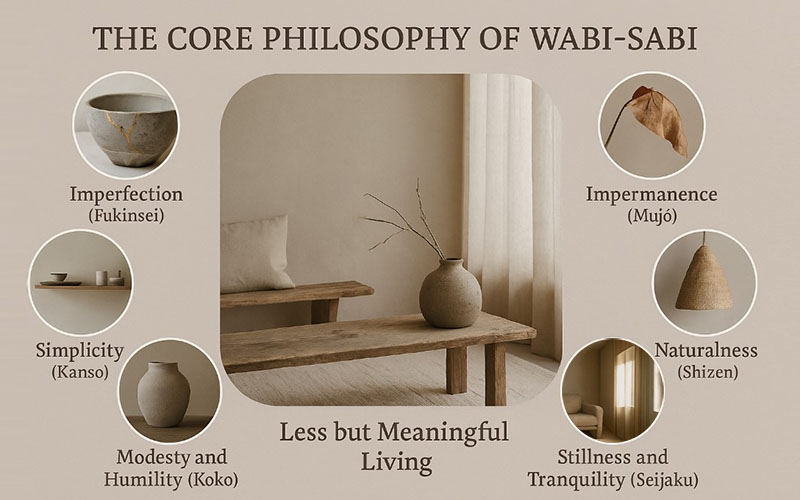
Wabi Sabi isn’t just a visual style; it is a worldview shaped by seven powerful principles. These concepts guide how a Wabi Sabi home looks, feels, and functions. They also influence how we relate to our possessions and our environment.
1. Imperfection (Fukinsei)
Perfection is predictable; imperfection is human.
Wabi Sabi embraces irregularities – uneven textures, asymmetrical shapes, handcrafted details – because they add character and emotional depth. A pottery bowl with a subtle flaw is more beautiful than a mass-produced one because it tells a story.
2. Impermanence (Mujō)
Everything changes with time, and that transformation is meaningful.
Wabi Sabi celebrates materials that evolve naturally: wood that darkens, linen that softens, ceramic glazes that crackle. Instead of resisting change, this philosophy welcomes it.
3. Simplicity (Kanso)
Less, but with intention.
Kanso encourages clarity and purpose in every design choice. A Wabi Sabi home avoids clutter – not for aesthetics alone, but to create mental peace. Every object earns its place.
4. Naturalness (Shizen)
Beauty comes from nature, not from artificial perfection.
Wabi Sabi prioritizes organic textures and raw materials: stone, bamboo, rattan, clay, linen, wool, and reclaimed wood. These materials bring warmth and authenticity into a room.
5. Modesty and Humility (Koko)
Wabi Sabi avoids the excessive and the showy.
It favors subtle textures over shiny finishes, handcrafted pieces over mass-produced décor, and quiet tones over bold, attention-grabbing colors.
6. Stillness and Tranquility (Seijaku)
A Wabi Sabi home should feel peaceful – almost meditative.
Soft lighting, gentle shadows, uncluttered spaces, and natural materials work together to create a sanctuary within the home.
7. “Less but Meaningful” Living
Wabi Sabi values emotional connection over quantity.
Whether it’s a hand-thrown mug or a rattan pendant light with a unique weave pattern, the beauty lies in the meaning and presence of each object.
Wabi Sabi in Everyday Life (A Mindful, Beautiful Way of Living)
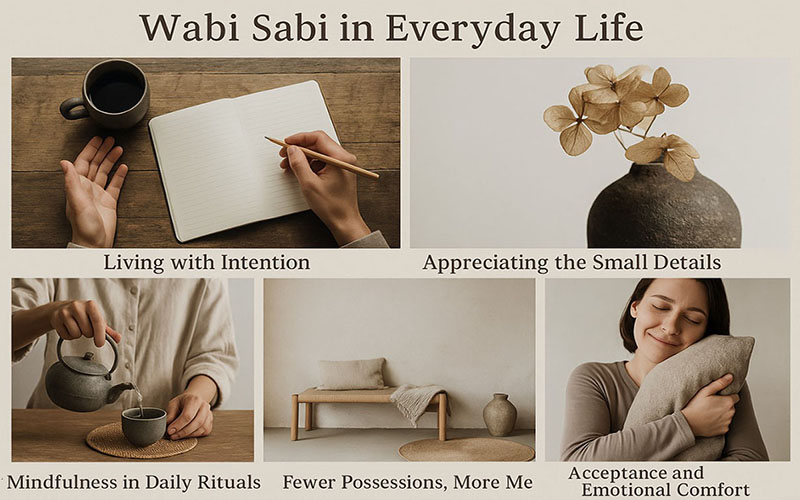
Although Wabi Sabi is often discussed as an interior design aesthetic, its roots lie in everyday life. It is a philosophy that encourages mindfulness, gratitude, and emotional presence. Instead of chasing perfection, Wabi Sabi invites you to slow down and appreciate the simple, imperfect, and natural moments that make life meaningful.
1. Living with Intention
Wabi Sabi promotes intentional living – choosing carefully instead of accumulating endlessly. This applies to home décor, routines, habits, and even relationships. When you live intentionally, your home becomes a space that supports peace rather than clutter and stress.
2. Appreciating the Small Details
A morning cup of tea in a handmade mug, sunlight falling through linen curtains, or the texture of a wooden dining table aged by daily use – these simple moments reflect the heart of Wabi Sabi. It teaches you to find joy in what is quietly beautiful.
3. Mindfulness in Daily Rituals
Rather than rushing through chores or routines, Wabi Sabi encourages slowing down: folding blankets gently, watering plants consciously, lighting a candle in the evening, or organizing a space with care. Everyday tasks become small rituals that promote calm.
4. Fewer Possessions, More Meaning
Wabi Sabi aligns with the idea that quality matters more than quantity. Instead of filling your home with trendy decor, choose fewer pieces that feel meaningful – handcrafted ceramics, woven baskets, or simple wooden shelves.
5. Acceptance and Emotional Comfort
Perhaps the most powerful aspect of Wabi Sabi is emotional acceptance. Life is imperfect. Homes are imperfect. People are imperfect. This philosophy encourages you to embrace that truth softly and with compassion – creating a home that feels warm, lived-in, and human.
Wabi Sabi is not only a design style; it is a way of cultivating peace, gratitude, and presence in everyday life.
Wabi Sabi in Design & Interiors
In interior design, Wabi Sabi translates into warm simplicity, natural materials, soft lighting, and spaces that feel both lived-in and deeply intentional. It blends Japanese aesthetics with modern needs, making it one of the most beloved interior styles in the U.S. today.
Below are the essential ways Wabi Sabi comes to life in modern interiors.
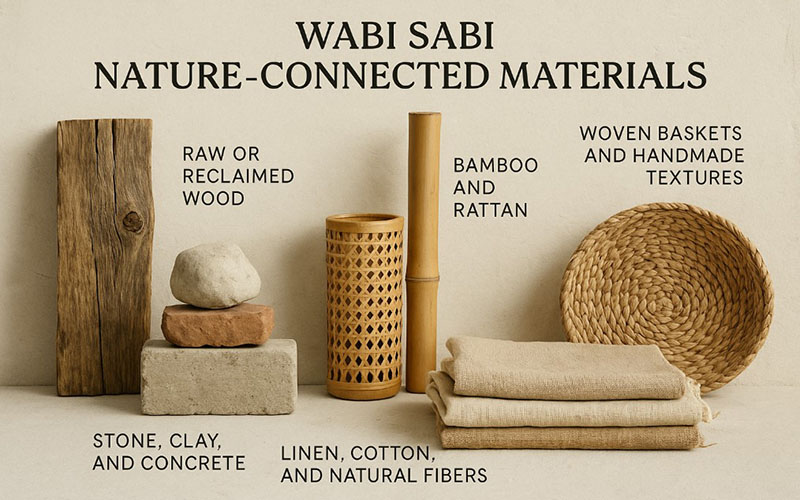
1. Nature-Connected Materials
Materials are the foundation of every Wabi Sabi space. Instead of polished or artificial surfaces, this style favors:
- Raw or reclaimed wood
- Bamboo and rattan
- Stone, clay, and concrete
- Linen, cotton, and natural fibers
- Woven baskets and handmade textures
These materials bring organic warmth into the home and instantly create a grounding atmosphere.
2. Warm, Soft, Ambient Lighting
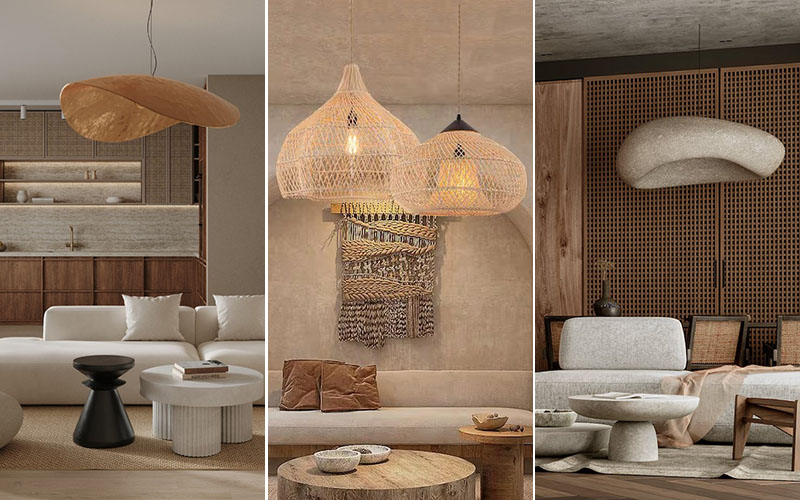
Lighting is one of the most defining elements of Wabi Sabi interiors. Harsh LEDs or bright overhead lights break the calmness, while warm, diffused light creates a sense of quiet serenity.
That’s why woven lighting – especially rattan pendant lights, bamboo chandeliers, seagrass lamps, and linen-shade floor lamps – is so popular in Wabi Sabi homes. The textures of natural fibers soften the light, creating gentle shadows and warm ambience that feel intimate and calming.
For homeowners seeking a peaceful, nature-inspired aesthetic, woven lighting is often the easiest and most transformative upgrade.
3. Organic Forms and Imperfect Shapes
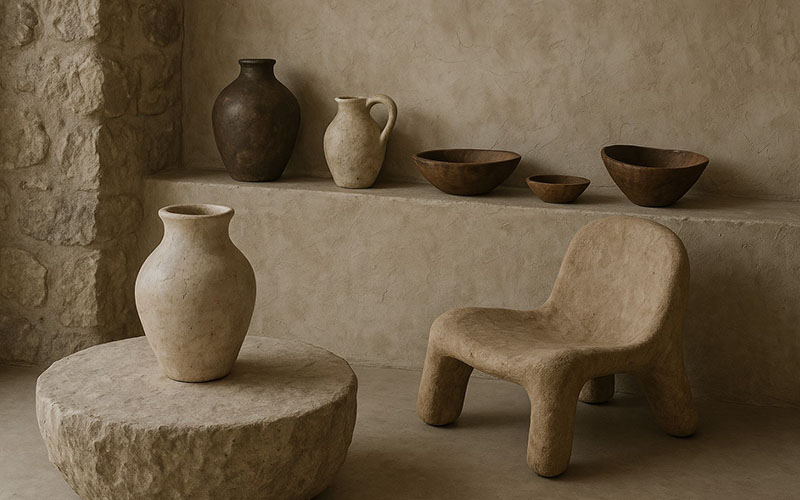
In Wabi Sabi design, you’ll rarely see hard lines or sharp angles. Instead, the aesthetic embraces:
- Asymmetrical pottery
- Uneven stone surfaces
- Hand-carved wooden bowls
- Organically shaped seating
- Textured walls and plaster finishes
These forms make a room feel natural and soulful rather than cold or overly structured.
4. Gentle Minimalism
Wabi Sabi is not strict minimalism; it is meaningful minimalism. Spaces are uncluttered, but not empty. They breathe. They feel lived-in, not staged. This approach focuses on harmony rather than perfection.
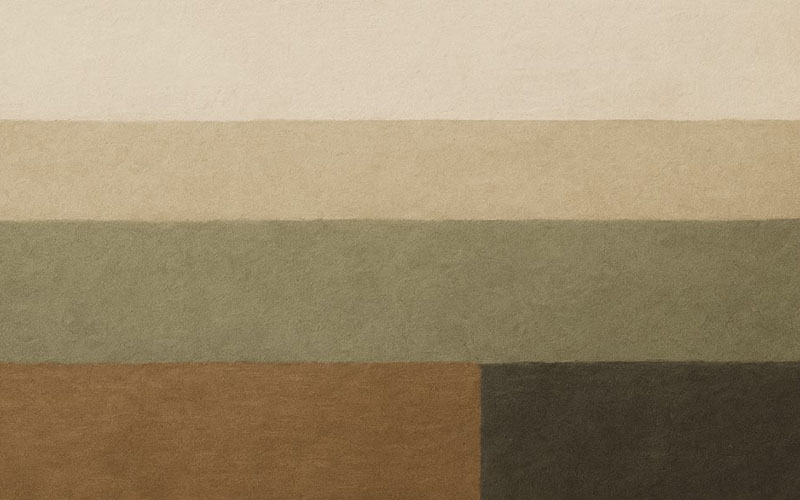
5. A Calming, Earthy Color Palette
Colors in Wabi Sabi interiors come straight from nature:
- Warm whites and soft creams
- Clay, sand, and taupe
- Muted greens and olive tones
- Wood browns and charcoal accents
These tones blend seamlessly with natural materials and help create a soft, peaceful atmosphere.
6. Handcrafted and Artisanal Décor
Handmade objects bring the essence of Wabi Sabi into the home. Whether it’s a ceramic bowl with intentional imperfections, a handwoven rattan pendant light, or a textured linen throw, artisanal pieces bring warmth and authenticity.
Homes decorated with handcrafted objects feel richer, more personal, and more emotionally connected.
7. Layering Textures, Not Colors
Instead of bold patterns or saturated hues, Wabi Sabi uses texture to create depth. The grain of wood, the weave of rattan, the softness of linen, and the irregularity of stone make the space visually interesting without overwhelming it.
Examples of Wabi Sabi (Simple, Real-Life Illustrations)
One of the best ways to understand Wabi Sabi is through real, everyday examples. These examples show how the philosophy appears in textures, shapes, materials, and the emotional atmosphere of a home. They also help readers visualize how Wabi Sabi can be applied without needing a full renovation.
1. A Wooden Table with Visible Grain and Natural Imperfections
Instead of polished, glossy finishes, a Wabi Sabi table embraces knots, cracks, and grain variations. These details show the history of the wood and bring warmth and authenticity into the dining space.
2. A Hand-Thrown Ceramic Mug with an Uneven Rim
Handmade pottery is a classic expression of Wabi Sabi. A mug with a slightly irregular shape or glaze variation feels personal, quiet, and full of character.
3. Linen Curtains with Natural Creases
Wabi Sabi sees beauty in the lived-in look of linen – the soft wrinkles, the texture, and the way it diffuses sunlight into a gentle glow. Nothing needs to be perfectly pressed.
4. A Rattan Pendant Light with a Unique Weave Pattern
No two handwoven rattan lights look exactly the same. Their subtle variations, warm shadows, and organic shapes highlight the handmade charm central to Wabi Sabi design.
5. A Clay Vase with a Crackle Glaze or Slight Asymmetry
Instead of hiding imperfections, Wabi Sabi celebrates them. A vase with natural crackle patterns or an uneven silhouette feels emotionally expressive and beautifully imperfect.
6. A Worn Leather Accent Chair That Softens Over Time
Patina, fading, and natural wear all embody the philosophy of Sabi. A leather chair that grows softer and richer with age tells a story of everyday life.
7. A Sun-Faded Rug That Adds Warmth Without Demanding Attention
In Wabi Sabi interiors, wear is not a flaw – it’s a feature. A subtly faded rug can soften a room and create a lived-in, cozy feel.
These examples show that Wabi Sabi is not about luxury or perfection. It’s about emotional connection, quiet authenticity, and materials that feel real. Even the simplest items can express Wabi Sabi if they embrace the natural world and the beauty of imperfection.
Wabi Sabi vs Related Interior Design Styles
Because Wabi Sabi shares elements with several popular design styles, it’s easy for people to confuse them. This section clarifies the differences so readers understand what makes Wabi Sabi truly unique.
1. Wabi Sabi vs Minimalism
| Minimalism | Wabi Sabi |
|---|---|
| Focuses on removing clutter to create clean, functional spaces. | Keeps only meaningful items, not overly empty. |
| Uses sharp lines, smooth surfaces, and polished finishes. | Embraces natural shapes, rough textures, and handmade objects. |
| Prefers perfect symmetry and precision. | Accepts asymmetry and natural irregularities. |
| Feels sleek, modern, and refined. | Feels warm, earthy, and emotionally comforting. |
| Removes everything unnecessary. | Keeps what has purpose, story, or emotional value. |
2. Wabi Sabi vs Scandinavian
| Scandinavian Design | Wabi Sabi |
|---|---|
| Emphasizes brightness, functionality, and light wood tones. | Feels more rustic, grounded, and nature-worn. |
| Clean lines, light oak, airy and uplifting atmosphere. | Raw textures, aged materials, and deeper emotional tones. |
| Uses bright whites and soft neutrals. | Uses warm whites, earthy browns, and muted natural tones. |
| Cozy yet structured, cheerful simplicity. | Quiet, contemplative simplicity with emotional depth. |
3. Wabi Sabi vs Zen
| Zen Style | Wabi Sabi Style |
|---|---|
| Calm, symmetrical, and very minimal. | Calm but embraces irregularity and organic shapes. |
| Emphasizes balance, proportion, and spiritual stillness. | Values natural imperfection and organic harmony. |
| Structured harmony. | Natural, imperfect harmony. |
| Geometric calm. | Textured, earthy calm. |
| Feels refined and orderly. | Feels raw, soulful, and grounded. |
4. Wabi Sabi vs Japandi
| Japandi Style | Wabi Sabi Style |
|---|---|
| Clean, modern, and curated. | Imperfect, organic, and aged. |
| Blends Japanese minimalism with Scandinavian coziness. | Older, more rustic, and deeply tied to nature. |
| Smooth, refined surfaces. | Textured, raw, and handmade materials. |
| Focuses on balance and elegance. | Focuses on imperfection and authenticity. |
5. Wabi Sabi vs Rustic
| Rustic Style | Wabi Sabi Style |
|---|---|
| Heavy, bold, and full of rough textures. | Soft, light, and more minimalist. |
| Uses reclaimed wood, dark colors, and farmhouse motifs. | Uses natural materials in calmer, lighter tones. |
| Rugged and heavy aesthetic. | Light, natural, and serene. |
| Bold grain patterns and strong visual weight. | Subtle textures and gentle, calm tones. |
| Celebrates ruggedness. | Celebrates quiet, understated beauty. |
Why Wabi Sabi Is Trending in the U.S
Wabi Sabi has become one of the most influential interior design philosophies in the United States, especially as homeowners shift toward more meaningful, nature-inspired, and emotionally grounding lifestyles. Its rise is not just aesthetic – it reflects cultural and psychological needs.
1. A Growing Desire for Calm Living
After years of fast-paced routines, digital overload, and constant busyness, Americans are looking for homes that feel peaceful. Wabi Sabi’s soft lighting, muted colors, and natural textures create a restorative environment that supports mental well-being.
2. The Movement Toward Slow Living
Wabi Sabi aligns perfectly with the growing “slow living” trend. More people want to simplify their homes, reduce clutter, and create intentional spaces that promote mindfulness and reflection.
3. A Push for Natural, Sustainable Materials
Consumers today are more conscious about sustainability. Wabi Sabi naturally favors eco-friendly materials – rattan, bamboo, seagrass, wood, clay, linen, cotton – making it an ideal fit for environmentally aware homeowners.
4. The Appeal of Handmade and Artisanal Goods
In a world of mass production, handcrafted items feel personal, human, and full of soul. Wabi Sabi celebrates the uniqueness of handmade décor, from artisanal ceramics to handwoven lighting fixtures. This emphasis makes the style emotionally rich and visually calming.
5. Influence of Social Media and Modern Wellness Trends
Instagram, Pinterest, and TikTok have amplified Wabi Sabi by showcasing serene spaces with natural tones, diffused light, and subtle imperfections. The aesthetic aligns perfectly with wellness movements like mindfulness, grounding rituals, and nature therapy.
6. Easy to Blend With Other Popular Styles
Wabi Sabi pairs beautifully with other trending styles in the U.S. – Japandi, Scandinavian, minimalist, and bohemian. This versatility makes it easy for homeowners to adopt without a full renovation.
7. A Counterbalance to “Perfect” Interiors
Americans are increasingly rejecting the pressure of picture-perfect homes. Instead, they’re embracing spaces that feel lived-in, warm, and emotionally authentic. Wabi Sabi offers a refreshing and honest alternative.
Altogether, these factors have made Wabi Sabi one of the most beloved and fast-growing design movements in the U.S. – a timeless antidote to stress, clutter, and artificial perfection.
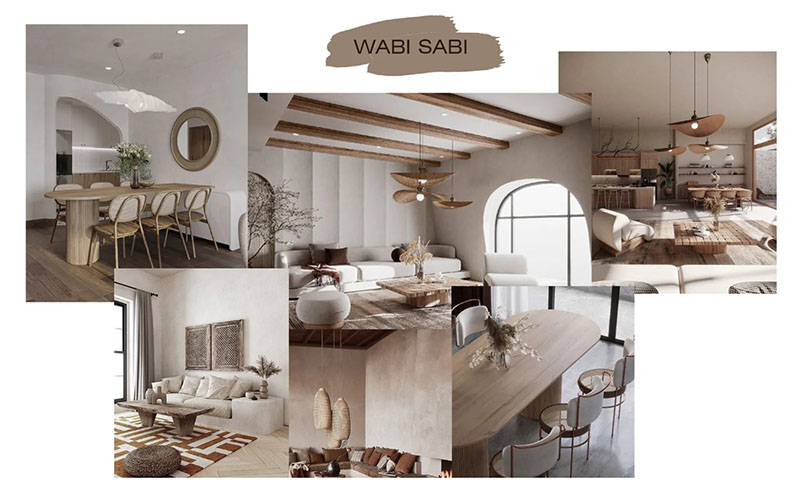
How to Bring Wabi Sabi Into Your Home (Simple, Practical Tips)
Creating a Wabi Sabi home doesn’t require a complete redesign. Small, thoughtful changes can transform your space into a warm, grounding sanctuary. Here are practical ways to bring this philosophy into any room.
1. Choose Natural, Organic Materials
Start by incorporating elements that feel close to nature. Look for:
- Raw or reclaimed wood
- Rattan, bamboo, and wicker
- Natural stone and clay
- Linen, cotton, and wool
- Handmade ceramics and pottery
These materials instantly make a space feel softer, calmer, and more honest.
2. Soften the Lighting
Lighting is one of the fastest ways to create a Wabi Sabi atmosphere. Replace harsh overhead lights with:
- Rattan pendant lights
- Bamboo chandeliers
- Linen-shade table lamps
- Ceramic or clay lamps
- Warm, low-temperature bulbs
Natural-fiber lighting diffuses light beautifully, creating gentle shadows and a soothing ambience. For many homes, woven lamps are the single most transformative upgrade.
3. Simplify and Declutter – But Keep What Matters
Wabi Sabi is not about empty spaces; it’s about meaningful simplicity. Remove unnecessary items, but keep objects that bring you comfort or joy – especially pieces that are handmade, imperfect, or personally significant.
4. Embrace Imperfect Décor
Look for décor pieces with character:
- Ceramics with uneven glazes
- Hand-carved wooden bowls
- Woven baskets with natural variation
- Stone vases with textured surfaces
Imperfection is the essence of Wabi Sabi.
5. Use a Soft, Earthy Color Palette
Choose colors found in nature:
- Warm whites
- Soft beige and taupe
- Clay browns
- Muted greens
- Charcoal and stone gray
These tones help create balance and tranquility.
6. Add Simple, Natural Textures
Texture is more important than color in Wabi Sabi design. Layer tactile pieces such as:
- Linen throws
- Cotton cushions
- Jute, sisal, or seagrass rugs
- Textured walls or plaster finishes
These elements bring warmth without overwhelming the space.
7. Incorporate Organic, Asymmetrical Shapes
Choose items that look hand-formed or naturally shaped:
- Curved seating
- Uneven pottery
- Arched shelves
- Live-edge wooden pieces
These shapes add softness and harmony.
8. Create Space for Stillness
Leave a little breathing room in every room. A simple corner with a floor cushion, a single rattan lamp, or a small plant can become a calming retreat within your home.
9. Bring Nature Indoors
Add natural elements like:
- Branches
- Stones
- Plants
- Dried flowers
They connect the space to the outdoors and reinforce the grounding spirit of Wabi Sabi.
10. Choose “Less But Meaningful”
Above all, prioritize emotional connection over visual perfection. Choose fewer, better pieces – ideally handcrafted, natural, or meaningful to you.
Wabi Sabi Interior Design FAQs
These frequently asked questions help clarify the philosophy and guide homeowners who want to apply Wabi Sabi to their spaces.
No. Minimalism removes everything unnecessary; Wabi Sabi keeps what is meaningful. Minimalism is sleek and clean; Wabi Sabi is warm, natural, and imperfect.
Natural materials: rattan, bamboo, linen, stone, clay, reclaimed wood, cotton, seagrass, and handmade ceramics. Anything organic and authentic fits the aesthetic.
Yes – sometimes even better. Soft lighting, simple layouts, and natural textures make small rooms feel cozy and calming rather than cramped.
Earthy neutrals: warm whites, sand, taupe, clay, muted greens, olive, warm browns, charcoal, and stone gray.
Start small: add a rattan or bamboo lamp, use linen or cotton fabrics, declutter gently, choose one handmade ceramic piece, introduce natural textures
Lighting alone can dramatically shift the mood.
Not at all. Because Wabi Sabi values simplicity and handmade objects, you can start with very affordable décor. It’s a philosophy based on appreciation – not luxury.
Conclusion
Wabi Sabi is more than an interior design style – it is a way of seeing the world. It teaches us to slow down, appreciate natural beauty, and embrace the imperfections that make life meaningful. From soft lighting and organic materials to handmade décor and intentional simplicity, Wabi Sabi creates homes that feel warm, grounded, and emotionally rich.
As homeowners in the U.S. continue to seek calm, nature-inspired interiors, Wabi Sabi offers a timeless path toward peaceful living. Whether you start with a single rattan pendant light, a handmade ceramic vase, or a linen throw, small changes can transform your home into a serene sanctuary.
In the end, Wabi Sabi reminds us that beauty is not found in perfection – but in authenticity, impermanence, and the quiet charm of things shaped by nature and time.
Bring authentic Wabi Sabi warmth into your home with our handcrafted rattan and bamboo lighting. Explore the collection at vietshopdesign.com.
Wabi Sabi Interior Design by Room:
- Best Wabi-Sabi Office Design Tips for a Organized Workspace
- Wabi Sabi Living Room Design: Create a Calm, Natural Space
- Wabi Sabi Dining Room Ideas for a Warm and Natured Home
- Wabi Sabi Kitchen Design for a Warm, Peaceful, and Nature Home
- Wabi Sabi Bathroom Design: The Ultimate Guide
- Wabi Sabi Entryway Ideas: Simple, Natural, Beautifully Design Tips



Unlock VIP Perks
Join as a priority member to receive gifts and be the first to access exclusive deals, our newest collections, and more...
Read more articles
25+ Best Outdoor Bamboo Pendant Lights for a Warm, Natural & Inviting Space
Outdoor bamboo pendant lighting transforms a pergola, patio, or covered garden dining space from a [...]
Jun
11 Best Organic Modern Rope Lighting Ideas for a Warm, Inviting Space
Wicker, hemp rope, jute, and water hyacinth bring the most authentically textural and the most [...]
Jun
25+ Trending Organic Modern Rattan Lights for a Cozy Living Space
The most beautifully designed organic modern interiors today are built not on safe pendant choices [...]
Jun
8 Organic Modern Rattan Dome Pendant Lights for a Soft, Natural Interior
The dome form is rattan’s most naturally generous and most softly organic pendant silhouette – [...]
Jun
9 Organic Modern Rattan Chandeliers for a Soft, Natural Interior
A rattan chandelier in an organic modern interior creates the most complete expression of what [...]
Jun
11 Organic Modern Brown Rattan Lights for a Warm, Earthy Home
Brown rattan brings the most warmly grounded and most gently earthy pendant tone to an [...]
May
15+ Organic Modern Black Rattan Lights for a Warm, Bold Home
Black rattan in an organic modern interior creates a precisely beautiful design tension – the [...]
May
12 Organic Modern Beige Rattan Lights for a Natural Interior
Beige rattan is the pendant material that organic modern design was made for – its [...]
May
25+ Organic Modern Bamboo Lights for a Soft, Natural Interior
Organic modern design lives at the most beautiful intersection of clean contemporary form and warm [...]
May
8 Best Organic Modern Wood Pendant Lights for a Warm, Natural Home
Wood pendant lighting brings a quality to an organic modern interior that no softer natural [...]
May
8 Modern Rustic Wood Lighting for a Warm, Architectural Interior
Wood pendant lighting belongs in a modern rustic interior the way exposed timber belongs in [...]
May
12 Modern Rustic Wicker Rope Pendant Lights for a Warm, Textural Interior
In a modern rustic interior built around exposed timber beams, rough stone walls, worn leather [...]
May
Explore our collections
Rattan Pendant Light
95 Products
Bamboo Pendant Light
38 Products
Fabric Pendant Light
41 Products
Wood Pendant Light
7 Products
Rope Pendant Light
14 Products
Rattan Wall Sconce
6 Products
Rattan Table Lamp
6 Products
Rattan Floor Lamp
9 Products